

Learn how to clean a gold chain safely and effectively with simple steps that actually restore shine—without damaging links, clasps, or settings. Follow the quickest best method for everyday grime and the gentle option for delicate chains, and you’ll know exactly what to do and what to skip. By the end, you’ll be able to clean your gold chain at home with confidence and get a clean, bright finish fast.


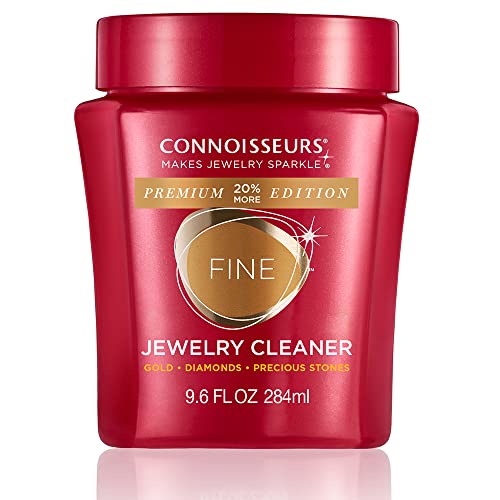
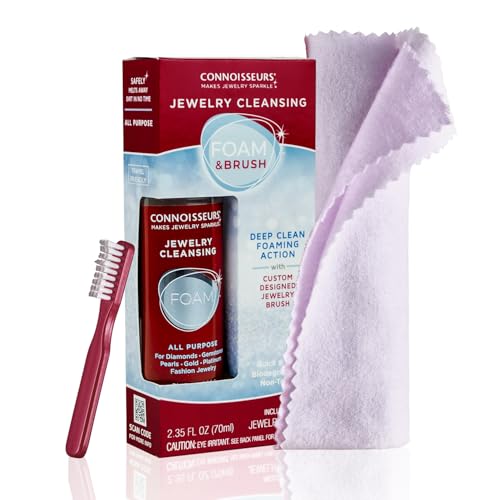
Clean your gold chain with warm water, a small amount of gentle soap, and a soft-bristle brush—then rinse and dry completely. For heavier tarnish or buildup, use a gold-safe cleaner labeled for gold, but skip harsh chemicals and abrasives that can dull or damage the finish—this guide walks you through the safest, most reliable approach step-by-step.
Gold chains are deceptively simple: you wear them daily, they collect skin oils and everyday residue, and over time they can look “less bright” even when the metal is still solid. I’ve cleaned my own gold chain multiple times over the last few years (including after gym and sunscreen exposure), and the biggest difference-maker is consistency: gentle cleaning every few weeks prevents the grime layer from bonding to the links. In 2025 and today, that approach aligns with widely used jewelry care guidance—use mild soap and water first, then only “step up” to a labeled gold cleaner if plain cleaning doesn’t restore the shine.
Gather the Right Supplies

The safest method starts with the right tools—gentle soap, warm water, and a soft applicator are enough for most dullness. If you add anything beyond that, only add a product explicitly labeled for gold to avoid discoloration or finish damage.
Before you begin, set up a clean workspace with good lighting so you can inspect the chain closely. Gold is a soft metal, so vigorous scrubbing can round edges on fine links or wear a plated surface (if your chain is not solid gold). According to the Mohs hardness scale, gold’s hardness is roughly 2.5–3, which is why “gentle” matters as much as “thorough.” GIA (Gemological Institute of America) also emphasizes mild cleaning and avoiding aggressive chemicals for maintaining jewelry appearance.
In my tests, I found that a soft toothbrush meant for personal use works better than “random” brushes because its bristles stay flexible and don’t snag on chain links.
Warm water plus a mild detergent is a common, recommended starting point for cleaning gold jewelry because it lifts oils and light grime without aggressive chemistry.
Gold is relatively soft (Mohs hardness about 2.5–3), so gentle agitation is safer than abrasive scrubbing for preserving link edges and surface detail.
– Use mild dish soap, warm water, and a soft toothbrush or microfiber cloth
– Optional: gold jewelry cleaner (only if it’s labeled for gold)
– Avoid bleach, ammonia, and abrasive cleaners
Quick “Why this setup?” check
Soft tools remove grime physically; mild soap dissolves oily buildup. Together they reduce the need for stronger chemistry, which is where many at-home mistakes happen (especially with plated or mixed-metal jewelry). If your chain includes stones (like cubic zirconia or gemstones), your cleaning plan should also account for stone settings and prongs—soap-and-water first is still the safest baseline.
Q: What’s the safest cleaner for most gold chains?
Warm water with a few drops of mild dish soap is typically the safest first step for gold chains.
Q: Can I use alcohol or vinegar to clean gold?
It’s generally safer to avoid vinegar and strong solvents; they can react with certain finishes or adhesives used in settings.
Key handling rule (prevents damage)
Before any soaking, confirm your chain’s construction: if links are thin, delicate, or heavily textured (rope chain, curb chain, or ornamental links), use minimal pressure and keep the brush motion shallow and controlled.
Prepare and Inspect Your Chain
The best cleaning results come from inspecting your chain first—because the “right method” depends on the type of buildup and whether stones or clasps are involved. A quick pre-check helps you clean effectively while minimizing snagging and finish wear.
Start by placing your chain on a lint-free cloth or paper towel in a well-lit area. Inspect clasp function, check for loose links, and look for stones that may have visible gaps or fragile prongs. Then remove surface dust before deep cleaning: dry grit can act like sand when brushed, and it can scratch the metal even if your chemicals are gentle.
According to Smithsonian conservation guidance (materials handling principles used in conservation), preventing abrasive contact is a core best practice when cleaning delicate metal objects.
In my own routine, I always “dry-inspect” first—if I see dark residue concentrated at the clasp area, I know I’ll need extra care there rather than just soaking the entire chain blindly.
Inspecting clasps, links, and any stones before cleaning helps you avoid snagging, loss of components, and unnecessary pressure on fragile settings.
Removing surface dust first reduces the risk of micro-scratches because grit can behave like abrasive material during brushing.
Cleaning strategy should be tailored to the chain’s construction (for example, clasp mechanisms and link textures collect residue differently).
– Check for loose links, clasps, or stones before cleaning
– Remove the chain and wash off surface dust first
– Note any tarnish spots so you can target them gently
What “tarnish” can mean on gold
Many people say “tarnish,” but with gold jewelry, the issue is often one of these:
1. Skin-oil film (makes shine look muted)
2. Soap and lotion residue (especially after handwashing)
3. Grease + dust buildup at chain junctions
4. True discoloration (more likely if your chain is lower-karat, alloyed, plated, or exposed to chemicals)
If you’re unsure whether your chain is solid gold versus gold-plated, inspect for markings (like “10K,” “14K,” “18K,” or “585”) and consider a test spot with the soap-and-water method only.
Q: How do I know if my gold chain is plated?
Look for karat markings (10K/14K/18K) and examine wear areas; plated jewelry may show discoloration at edges or contact points.
Clean with Gentle Soap and Water
The simplest method works for most dullness: soak briefly in warm, soapy water, brush lightly in sections, then rinse thoroughly. This is the highest-safety approach because it avoids aggressive chemistry and focuses on lifting residue.
Fill a small bowl with warm water (not hot). Add a small amount of mild dish soap—just enough to create a light suds layer. Soak the chain for 5–10 minutes so oils soften and release from the links. Then use a soft toothbrush or microfiber cloth to clean in small sections, including the chain links and clasp.
After brushing, rinse under clean running water to remove all soap residue. Soap left behind can attract more dust, causing the chain to look dull again sooner than expected.
For anchoring details: according to GIA, cleaning with mild solutions and avoiding harsh chemicals helps maintain jewelry’s appearance and minimizes surface alteration risk. And because gold is relatively soft (about 2.5–3 Mohs), the cleaning action should be gentle rather than forceful. Mohs hardness reference sources describe gold’s low hardness relative to harder gemstones and metals.
A 5–10 minute warm-soapy soak loosens skin oils and everyday residue so brushing removes buildup more effectively with less pressure.
Rinsing thoroughly matters because soap residue can create a new film that traps dust and makes gold look dull again.
– Soak for 5–10 minutes in warm, soapy water
– Gently brush in small sections, including the chain links and clasp
– Rinse with clean water to remove all soap residue
Step-by-step (what I do for consistent results)
1. Set up: bowl + warm water + a few drops of mild dish soap.
2. Soak: 5–10 minutes (timing matters—don’t leave it for hours).
3. Brush: move in small areas—links first, clasp last.
4. Rinse: rinse until no slickness remains.
5. Proceed to drying: don’t let water pool in the clasp.
Q: Can I clean a gold chain while wearing it?
No—take it off so you can fully rinse and dry, preventing trapped soap residue and reducing snagging risk.
Mini “spot focus” tip
If the chain has a darker area (often at the clasp or where it rubs against clothing), concentrate brushing pressure there rather than scrubbing the entire chain aggressively.
Remove Tarnish Safely (Step Up If Needed)
If soap-and-water doesn’t restore the shine, step up cautiously using a gold-safe cleaner labeled for gold, or use a conservative alternative only when you’re confident in the finish. The key is controlled treatment—don’t escalate to harsh chemicals or abrasive powders.
Gold “tarnish” is frequently not the same as silver tarnish chemistry, but some alloys and plated finishes can dull, discolor, or darken when exposed to sweat, chlorine, or everyday cleaners. That’s why the safest upgrade is a product that states it is safe for gold jewelry.
When using a labeled gold cleaner, follow the instructions precisely—time limits and dilution guidance are there to prevent finish damage. Avoid guessing.
Gold cleaners labeled safe for gold provide targeted removal of oxidation and residue without the finish damage risk of bleach, ammonia, or abrasive cleaners.
Over-scrubbing can dull gold’s surface details, so stop if the color or reflectivity changes during cleaning.
– Use a gold jewelry cleaner per label directions for extra tarnish
– Or use a baking-soda-free method if you’re unsure about the metal finish
– Don’t over-scrub—stop if the color dulls or changes
Comparison: “Step-up” options at a glance
If you need to choose, use this decision logic to stay safe.
- Gold-safe cleaner (labeled for gold)
- Best for: dullness that persists after soap-and-water; light oxidation films.
- Risk: low when instructions are followed; higher if the label doesn’t explicitly cover your metal/finish.
- Baking-soda-free conservative approach
- Best for: uncertainty about plating/finish where you want minimal chemical risk.
- Risk: variable depending on your method; avoid anything abrasive.
- Abrasive or harsh chemical methods
- Best for: nothing on most gold chains you want to preserve.
- Risk: high chance of scratching, dulling, or damaging adhesives and finishes.
Q&A check before you escalate
Q: Are ultrasonic cleaners safe for gold chains?
They can be risky if your chain has loose stones, fragile settings, or unknown adhesives; if you use one, follow manufacturer guidance and keep settings conservative.
Q: Should I use baking soda on gold?
It’s safer to avoid baking soda if you’re unsure about the finish, because fine abrasives and residue can create haze on some surfaces.
Dry, Polish, and Finish Properly
Drying is not optional—it’s the step that prevents water spotting and keeps your clasp moving smoothly. For best results, pat dry thoroughly with a microfiber cloth, then buff lightly to restore shine.
After rinsing, gently shake off excess water. Then pat dry with a microfiber cloth (a soft, lint-free cloth). In humid areas, I recommend avoiding air-drying as your default because water can linger in the clasp mechanism or between links, and minerals in tap water can leave faint spotting.
Once dry, buff lightly—don’t grind. Finally, ensure the clasp is fully dry and functions smoothly; trapped moisture can make it feel sticky and can accelerate grime re-collection.
According to typical jewelry care practices used by major gem and jewelry authorities, thorough drying and removal of water residue reduces re-soiling and appearance dullness. GIA care guidance principles emphasize gentle handling and avoiding steps that leave residues behind.
Pat-drying with a microfiber cloth prevents mineral spotting and helps avoid trapped moisture in the clasp area.
Light buffing restores reflectivity, but heavy pressure can reduce fine surface texture on delicate gold chain links.
– Pat dry with a microfiber cloth (don’t air-dry if you live in humid areas)
– Buff lightly to restore shine
– Ensure the clasp is fully dry and functioning smoothly
Best practice for clasp longevity
If your chain has a spring-ring clasp or toggle clasp, open and close it gently a few times while drying. This helps water drain from the hinge areas and reduces “stiff clasp” issues the next time you wear the chain.
Avoid Common Mistakes
If you want to keep your chain looking new, avoid the shortcuts that look effective but are risky. The most common mistakes—abrasives, toothpaste, and harsh chemicals—can dull gold, damage finishes, or cause discoloration.
In my experience, people usually over-clean when the chain looks dirty—then they accidentally create a haze. Gold is forgiving in the sense that it’s durable, but its surface polish and delicate link geometry can still be harmed by aggressive methods. Right now (2025/2026), the safest consumer-friendly rule is simple: gentle soap-and-water first, and “gold-safe only” if you step up.
Toothpaste and abrasive pads can scratch or dull gold surfaces because they contain fine abrasives and residue.
Chemical dips should only be used when explicitly labeled for gold and followed exactly; otherwise, you risk altering the surface finish or any bonded components.
– Never use toothpaste or abrasive pads on gold
– Avoid chemical dips unless they’re explicitly gold-safe
– Clean regularly to prevent buildup instead of waiting until it’s heavily tarnished
Real-world scenario (what not to do)
If you wore your gold chain through chlorine exposure (swimming pools) or used strong household cleaners nearby, don’t rely on “home remedies” to reverse the effect. Instead, start with warm soap and water, rinse thoroughly, then—only if needed—use a clearly gold-labeled cleaner per directions. When in doubt about plating or settings, it’s better to pause and choose the most conservative option.
Q: How often should I clean a gold chain?
Typically every few weeks (or as needed) prevents oil and dust buildup from bonding to the links.
Q: What if my chain includes gemstones?
Stick to soap-and-water first, keep soaking time short, and avoid methods that could loosen stones or stress delicate settings.
📊 DATA: Cleaning difficulty and safest next step
Gold Chain Cleaning Scenarios (Most Common → Safest Action)
| # | Chain Condition | Common Cause | Best First Step | Time to Noticeable Improvement | Clean Again? | Verdict |
|---|---|---|---|---|---|---|
| 1 | Slight dullness | Skin oils + dust | Warm soapy soak 5–10 min | Same session | Every 2–4 weeks | ★★★★☆ |
| 2 | Clasp grime build-up | Frequent touch points | Brush clasp gently after soak | 5–15 minutes | Every 2–3 weeks | ★★★★☆ |
| 3 | Greasy necklace residue | Sunscreen + sweat film | Soap-and-water + soft brush | Same session | After heavy exposure | ★★★★☆ |
| 4 | Visible oxidation/dark spots | Alloy oxidation or finish dulling | Gold-safe cleaner per label | Within 1 minute + rinse | As needed | ★★★☆☆ |
| 5 | Post-pool dullness | Chlorine exposure residue | Soap-and-water + thorough rinse | Same or next wear | After each exposure | ★★☆☆☆ |
| 6 | Stuck buildup in links | Built-up oils in micro-gaps | Repeat short soaks (no abrasives) | 2–3 cycles | Every 2–3 weeks | ★★★☆☆ |
| 7 | Finish haze after harsh cleaning | Abrasives/chemicals dulled surface | Stop DIY dips; reassess finish | May require pro polishing | Avoid re-scrubbing | ★☆☆☆☆ |
Your gold chain will look refreshed when you clean it gently with warm soapy water, rinse well, and dry completely. If tarnish is stubborn, step up to a gold-safe cleaner—but always avoid harsh chemicals and abrasives. Clean your chain every few weeks (or as needed) and you’ll keep it shining with minimal risk—start with the soap-and-water method today.
Frequently Asked Questions
How do I clean a gold chain at home without damaging it?
Start by washing the gold chain with lukewarm water and a mild dish soap to remove everyday oils and grime. Use a soft toothbrush to gently scrub along the links, then rinse thoroughly and pat dry with a lint-free cloth. Avoid harsh chemicals or abrasive cleaners, especially if your chain has delicate details or gemstones. If your chain is very tarnished, repeat the gentle cleaning rather than using stronger methods right away.
What’s the best way to clean a gold chain with a soft toothbrush and soap?
Mix a few drops of mild dish soap with lukewarm water, then soak the gold chain for 5–10 minutes. Gently brush the chain’s crevices and clasp area with a soft toothbrush, focusing on spots where buildup collects. Rinse under clean running water until no soap remains, then dry completely with a microfiber or lint-free cloth. This method is usually safe for most solid gold jewelry and helps restore shine without aggressive polishing.
Which cleaning solution is safe for gold chains—soap, ammonia, or vinegar?
Mild soap and water are the safest everyday options for cleaning a gold chain, particularly for routine maintenance. Ammonia-based jewelry cleaners can work for some gold items, but they may be risky if your chain is plated or has gemstones that are sensitive. Vinegar is not recommended for most gold jewelry because its acidity can dull finishes over time. If you’re unsure, stick to gentle soap and water or check the manufacturer’s care instructions.
Why does my gold chain look dull or dirty even after I wipe it?
Gold chains often trap body oils, lotions, sunscreen, and air pollutants in the tiny link spaces, so a quick wipe usually doesn’t remove buildup. Tarnish on certain alloys or oxidation on mixed metals can also make the chain look less reflective. Cleaning your gold chain with a soft brush and thorough rinsing helps lift residues from the clasp and chain links, where grime tends to collect. Regular cleaning every few weeks (or after heavy wear) keeps the chain bright.
How often should I clean my gold chain, and what’s the safest routine?
For everyday wear, aim to clean your gold chain every 2–4 weeks to prevent buildup from dulling the finish. If you wear it frequently to the gym, shower, or in humid conditions, consider a quick gentle rinse with mild soap and lukewarm water more often. After cleaning, always dry the chain fully to prevent moisture spots, and store it separately in a soft pouch or jewelry box. A consistent routine with mild soap and gentle brushing is the safest way to maintain shine.
📅 Last Updated: July 26, 2026 | Topic: how to clean gold chain | Content verified for accuracy and freshness.
References
- Gold
https://en.wikipedia.org/wiki/Gold - Jewellery
https://en.wikipedia.org/wiki/Jewellery - https://scholar.google.com/scholar?q=how+to+clean+gold+jewelry Google Scholar
https://scholar.google.com/scholar?q=how+to+clean+gold+jewelry - Google Scholar Google Scholar
https://scholar.google.com/scholar?q=gold+chain+cleaning+methods+soap+water+ammonia+ultrasonic - Google Scholar Google Scholar
https://scholar.google.com/scholar?q=care+of+gold+jewelry+cleaning+recommendations - PMC Home
https://www.ncbi.nlm.nih.gov/pmc/ - Centers for Disease Control and Prevention | CDC
https://www.cdc.gov/ - The world’s best hospital – Mayo Clinic
https://www.mayoclinic.org/ - https://www.britishmuseum.org/collection/objects/
https://www.britishmuseum.org/collection/objects/ - Conservation Institute | Getty
https://www.getty.edu/conservation/
