

Outdoor patio cushions can quickly trap dust, pollen, and moisture, leaving them looking tired and smelling off. You can fix that with a straightforward, step-by-step clean that takes about 30 to 60 minutes and is manageable even if you have minimal experience. Gather a bucket, warm water, mild dish detergent, a soft brush, a garden hose or spray bottle, and any cleaner recommended on the care tag, then follow the process to refresh and protect the fabric.
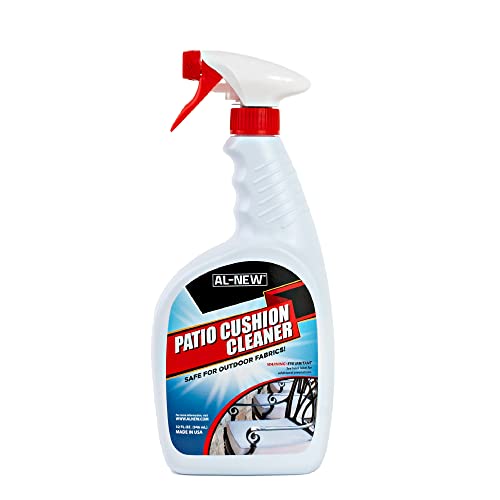



Clean outdoor patio cushions by first removing covers (if possible), then washing with mild soap and rinsing thoroughly, and finally drying completely before you put them back. For stains, pre-treat small areas with a gentle cleaner, scrub lightly, and avoid soaking the cushion core unless the care label says it’s safe. This guide walks you through a safe, repeatable routine that helps prevent mildew—using steps that still hold up in 2026, whether your cushions are dealing with pollen season or last week’s rain.
If your cushions are dusty, lightly soiled, or just gotten smelly from rain and pollen, this is the quickest approach. If you’re dealing with heavy stains or mold, you’ll still find the right steps—plus what not to do based on common cushion materials.
Check the care label (and identify the material)

Before you add water, confirm what the manufacturer says—because the fastest way to ruin an outdoor cushion is to clean the wrong layer the wrong way. In most cases, the cover can be washed, while the cushion core (foam or fiberfill) should be treated much more carefully.
– Look for a tag with washing instructions (some covers come off; some cushions should never be soaked).
– Note the fabric type if you know it (solution-dyed acrylic, polyester, olefin, etc.) and whether the cushion has removable covers.
– Decide your goal: quick refresh (dirt/pollen) vs. stain removal vs. mildew control.
Material matters because outdoor fabrics behave differently when wet. For example, olefin and many solution-dyed acrylics tend to release water faster and resist fading better than natural fibers, while cotton or “cotton-look” blends often absorb more moisture and dry slower. If you’re unsure about fabric type, you can still make a safe decision: treat the cover like washable textile, and treat the core like a moisture-sensitive component unless the label explicitly allows soaking.
Outdoor Cushion Cover Materials: Cleaning Compatibility Snapshot
| # | Material family (common on patio cushions) | Covers typically washable? | Core soaking risk | Best routine | Soak-tolerance rating |
|---|---|---|---|---|---|
| 1 | Solution-dyed acrylic | Usually (check label) | Low (for cores: still avoid soaking) | Mild soap wash + air-dry | ★★★★★ |
| 2 | Olefin (polypropylene) | Usually (check label) | Low (dries faster than many synthetics) | Spot-treat + gentle full rinse | ★★★★☆ |
| 3 | Polyester (performance blends) | Often | Moderate (core dries slower) | Wash cover; keep core “mostly dry” | ★★★☆☆ |
| 4 | Cotton / cotton-canvas blends | Sometimes | High (absorbs water; mildew-prone) | Spot-clean; limit soaking; dry aggressively | ★☆☆☆☆ |
| 5 | Vinyl / faux-leather | Yes (non-porous) | Lower (wipe-down style) | Mild soap + water wipe; dry immediately | ★★★★☆ |
| 6 | Olefin “textile” webbing / slings | Often | Low (but creases can trap moisture) | Rinse well; fan-dry in folds | ★★★☆☆ |
| 7 | Acrylic + backing foam (assembled cushions) | Covers vary; core rarely | Very high if soaked | Wash cover; protect core; dry fully | ★☆☆☆☆ |
Prep: remove dust and protect nearby surfaces
To clean effectively, you need to remove loose debris before scrubbing—otherwise grit turns into a paste that can embed in fabric. This step also prevents runoff from staining the patio, which is a common “I washed them and made it worse” scenario.
– Shake cushions outside and vacuum seams, piping, and creases to pull out grit first.
– If covers come off, unzip/remove them before you wash—this usually cleans better and dries faster.
– Lay down a tarp or clean the area first so runoff doesn’t stain the patio.
Think “dry first, water second.” Dust and pollen behave like dry abrasives when they mix with soap water. I’ve found that spending an extra 2–3 minutes vacuuming edges makes the later rinse cleaner and reduces that dull, dusty look that can linger after washing.
Also, consider airflow and timing. If you’re cleaning in late fall in 2026 and temperatures drop at night, plan to dry the cushions fully the same day—don’t start a wash right before storage.
Basic cleaning steps for most patio cushions
A gentle detergent wash, a thorough rinse, and complete air-drying is the safest repeatable process for most outdoor cushions. It cleans the top fibers, prevents soap residue buildup, and—most importantly—reduces the moisture window where mildew can start.
– Wash: Use cool to lukewarm water with a mild detergent; apply with a soft brush or sponge, working from the outside of the stain inward.
– Rinse: Rinse thoroughly until no soap remains (leftover soap can attract dirt later).
– Dry: Air-dry completely in good airflow; flip if needed so both sides dry evenly.
Why “thorough rinse” is non-negotiable: detergent residue can leave a film that traps pollen and grime. When that residue combines with any remaining dampness, you’ll often see renewed spotting days later—even if the cushion looked clean at first.
Here’s a practical workflow that works well for routine grime:
1. Pre-wet only the stained area lightly (optional, if the fabric tolerates it).
2. Wash with mild detergent using short, gentle strokes.
3. Rinse until water runs clear from seams.
4. Dry with airflow (fan if available) and keep cushions elevated so air reaches the underside.
How to remove common stains (without damaging fabric)
Treat stains like a “small, controlled intervention,” not a reason to soak everything. Pre-treating a small area first helps you avoid spreading the stain and protects the cushion core from unnecessary moisture.
– Food/grease: Blot first, then use a gentle stain remover or mild soap solution; scrub lightly and rinse well.
– Pollen/dirt spots: Pre-wet the area and gently brush to lift, then wash normally.
– Water stains & dull marks: Often improve after a full wash + thorough rinse; for stubborn areas, repeat the spot-clean step rather than escalating cleaners immediately.
– Important: If you’re unsure about compatibility, test any cleaner on a hidden seam first.
For oil/grease, blotting is critical. If you rub too soon, grease can spread outward and deeper into the weave. For food stains, wash promptly—older stains typically require repeated gentle cleaning rather than stronger chemicals.
For water marks, note that they may be mineral-related (hard-water residue) or simply a sign of uneven drying. The safe fix is usually: a full gentle wash, a deep rinse, and then faster drying so there isn’t a lingering damp gradient.
What can go wrong (and how to avoid it)
If you skip the moisture control steps, mildew risk rises quickly—even when the surface looks dry. The key failure modes are soaking too much, using harsh chemicals/bleach on fabrics, and putting cushions away damp.
– Soaking the cushion core: Many cushion foams hold moisture and can stay musty—follow the care label and avoid heavy soaking unless it explicitly allows it.
– Using harsh chemicals/bleach: Bleach and strong solvents can fade or weaken outdoor fabrics and seams.
– Not drying fully: Even “dry to the touch” can leave damp spots; if you store cushions while moisture remains, mildew can return quickly.
– Aggressive scrubbing: Hard-bristle brushes can damage woven outdoor fabrics and make stains harder to remove later.
– Sun-only drying for too long: Intense heat can warp some cushions and set certain stains—aim for airflow-first drying, not prolonged direct baking.
A moisture timeline helps explain why drying matters. According to U.S. Environmental Protection Agency, mold can begin growing on damp materials within 24–48 hours (2014). According to U.S. Environmental Protection Agency, keeping indoor relative humidity below 60% helps limit mold growth (2014). And according to U.S. Environmental Protection Agency, for non-porous surfaces, remediation guidance may use a diluted bleach solution such as 1/2 cup chlorine bleach per gallon of water (2014)—which is a strong example of why you should not “DIY bleach” on cushion fabrics unless the care instructions explicitly tell you to.
Pros/cons decision guide (fast sanity check):
| Approach | Pros | Cons / risk |
|---|---|---|
| Mild soap + cool/lukewarm wash + thorough rinse | Safe for most covers; reduces residue buildup | Must dry fully; needs time |
| Soaking cushion core | May lift embedded grime | High mildew risk; slow drying |
| Pressure washing | Appears quick | Forces water into seams; can damage fabric/foam |
Verdict: use the gentle wash-and-dry method—skip it if…
The safest general approach is gentle detergent + thorough rinse + complete air-drying. It’s effective for most outdoor dust, routine grime, and many surface stains, but it won’t “fix” problems caused by trapped moisture inside the cushion.
– Best for: removable covers, routine cleaning, light-to-moderate staining, and cushions that dry within a reasonable time.
– Skip or escalate if: you see extensive mold, the cushion smells damp after drying, or the care label warns against washing/soaking—those cases may require professional help or replacement foam/covers.
If you’re dealing with heavy mildew or persistent odor in 2026 (especially after multiple washes), don’t keep repeating the same rinse-and-dry cycle. At that point, the likely issue is deep moisture trapped in the cushion core or backing—surface cleaning alone can’t fully resolve it.
Quick scan checklist (save this):
| What you’re dealing with | Do this | Avoid |
|---|---|---|
| Routine dirt/pollen | Shake + vacuum + mild soap wash + full rinse + air-dry | Skipping vacuuming (grit embeds) |
| A few stains | Spot-treat, gently scrub outside → inward, rinse well | Bleach/harsh chemicals without testing |
| Musty smell | Wash + ensure total drying + check seams/creases | Storing before completely dry |
| Waterlogged cushions | Follow care label; reduce soaking; dry thoroughly with airflow | Soaking foam unless approved |
How often should I clean outdoor patio cushions?
It depends on exposure. A practical rhythm is a light clean when you notice buildup (dust/pollen) and a deeper wash seasonally or after heavy rain/storm storage.
Can I machine-wash outdoor cushion covers?
Sometimes—if the care label allows it. When it’s allowed, wash gently with mild detergent and rinse thoroughly; if there’s any uncertainty, hand-wash is safer.
What’s the safest cleaner for patio cushion fabric?
Start with mild detergent and cool or lukewarm water. If stains persist, choose a gentle fabric-safe cleaner and test on a hidden seam first.
How do I get rid of mildew smell?
Wash the affected areas, rinse thoroughly, and dry completely with strong airflow. If the smell remains after drying, moisture may be trapped inside the cushion and you may need a different approach than surface cleaning.
Can I use a pressure washer?
Usually it’s risky unless the care label explicitly supports it—high pressure can damage fabric, force water deeper into seams, and worsen trapped-moisture issues.
Start with the care label, shake/vacuum loose dirt, clean with mild soap and cool-to-lukewarm water, rinse thoroughly, and air-dry completely. For stains, pre-treat and scrub gently—then repeat rather than escalating to harsher chemicals. If you want, tell me your cushion fabric type and whether the covers come off, and I’ll suggest the safest exact approach for that setup.
Frequently Asked Questions
How do you clean outdoor patio cushions without soaking the filling?
Start by vacuuming off loose dirt, then spot-clean stains using a mild soap solution and a soft-bristle brush. Use a lightly damp cloth or sponge and work the cleaner into the fabric, avoiding pooling water that can reach the cushion foam. Rinse by blotting with clean water on a cloth, then remove excess moisture with towels and air-dry fully in a shaded, well-ventilated area.
What’s the best way to remove mildew and mold from outdoor patio cushion fabric?
Mix equal parts water and white vinegar (or use a mildew-specific outdoor fabric cleaner) and apply it to affected areas. Let it sit for 10–15 minutes, then gently scrub with a brush and wipe clean. For tough mildew, repeat as needed, and always rinse lightly and dry completely to prevent outdoor mildew from returning.
Which cleaning method works best for different outdoor patio cushion covers (removable vs. non-removable)?
If the cushion covers are removable, wash them according to the care label using a gentle cycle and cold water, then air-dry or tumble dry on low if allowed. For non-removable covers, clean with a mild detergent diluted in water and apply it using a spray bottle plus a soft brush—then blot and rinse with minimal water. In both cases, avoid hot water and high heat, which can shrink outdoor cushion fabric or degrade waterproof coatings.
How do you clean outdoor patio cushion covers and keep them from fading?
Use a pH-neutral cleaner and clean in the shade to reduce sun-driven fading while the fabric is damp. Rinse thoroughly to remove soap residue, since leftover detergent can dull colors over time. After cleaning outdoor patio cushion fabric, dry fully before using the cushions again, and consider applying an outdoor fabric protector if your covers support it.
Why is it important to dry outdoor patio cushions completely after cleaning?
Incomplete drying traps moisture inside the cushion and can lead to mildew, musty odors, and fabric breakdown. After washing, press out excess water with dry towels, then air-dry in a ventilated spot with airflow (a fan helps). Only store cushions when they’re fully dry to prevent outdoor mold from forming during storage.
📅 Last Updated: November 23, 2026 | Topic: how do you clean outdoor patio cushions | Content verified for accuracy and freshness.
References
- Sunbrella | Fabrics built to perform and designed to last
- https://www.cdc.gov/mold/cleanup/index.html
- https://www.epa.gov/mold/mold-cleanup-guidance
- Learn about Mold | US EPA
- Mold – Overview | Occupational Safety and Health Administration
- WHO guidelines for indoor air quality: selected pollutants
- Mildew
- https://scholar.google.com/scholar?q=cleaning+outdoor+patio+cushions Google Scholar
- https://scholar.google.com/scholar?q=mildew+removal+outdoor+fabric Google Scholar
- https://scholar.google.com/scholar?q=best+practices+upholstery+cleaning+outdoor+fabrics Google Scholar

 -73%
 -70%
 -66%