

Sticky residue on your charging cable is a common problem that often starts after it rubs against skin oils, pocket fabric, and dust, and it can interfere with charging or insulation over time. You do not need to replace the cable right away—learn what causes the buildup and follow a careful cleaning routine using a few household items. In about 10 minutes, you can restore a cleaner connection and help the cable last longer.
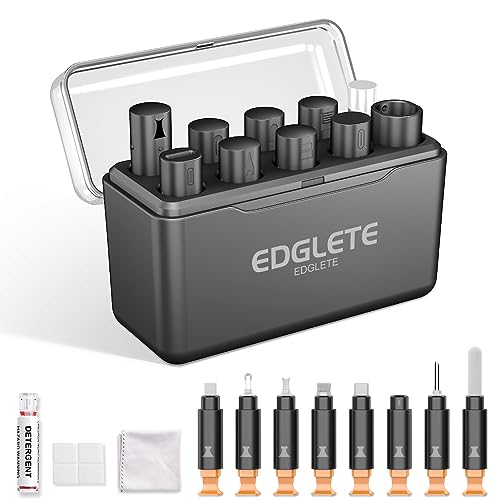



Sticky residue on a charging cable is usually a combination of skin oils/sweat and dust/pocket lint, and it can be made worse by heat softening the cable’s outer jacket. The safest approach is to unplug first, wipe with a barely damp lint-free cloth (use mild soap sparingly if needed), keep liquid away from the connector/port, and let the cable air-dry fully before you reconnect it.
If your charging cable feels tacky, leaves residue on your fingers, or attracts lint quickly, this applies to you. It’s also for anyone whose cable looks “fine” but starts behaving differently after storage in warm pockets, near chargers, or frequent handling. As of 2026, this is a common wear pattern because everyday charging habits expose cables to both mechanical stress (bending near strain relief) and real-world heat.
Causes of Sticky Residue on a Charging Cable

Sticky residue on a charging cable usually forms when oils and moisture cling to the jacket and then trap airborne dust and lint. In some cases, heat and friction also change the cable’s surface chemistry so it becomes tacky even after you’ve washed your hands.
– Grime + body oils + dust: Skin oils and moisture make residue “grabby,” while dust and pocket lint bind to it over time. Once the jacket becomes slightly tacky, it also attracts more debris, creating a feedback loop on the charging cable.
– Coating or jacket breakdown: Some cable materials—especially certain rubbers/PVC-like blends—can soften and release tacky compounds when exposed to heat, friction, or long storage. The tackiness often shows up first near bend points and the strain-relief area of the charging cable.
– External contamination: You might have picked up residue from a case/lotion, adhesive from packaging, or cleaning products—then it mixed with normal dust. On a charging cable, even small amounts of sticky “carryover” can build up because the jacket is constantly touched and moved.
Jacket Materials Commonly Used in Flexible Cables: Heat Class vs. Tackiness Risk
| # | Cable jacket material | Typical continuous use temp (°C) | First signs of heat softening (typical) | Tackiness risk score |
|---|---|---|---|---|
| 1 | PVC (plasticized) | 60–75 | Surface tack + smell when warmed | ★★★★★ |
| 2 | TPE (thermoplastic elastomer blend) | 60–80 | Gripiness increases after pocket heat | ★★★★☆ |
| 3 | TPU (thermoplastic polyurethane) | 80–100 | Tack near bends after repeated heat cycles | ★★★☆☆ |
| 4 | NBR (nitrile rubber) | 80–100 | Oily film after contamination + warmth | ★★★☆☆ |
| 5 | EPDM (ethylene propylene diene) | 100–120 | Slow surface degradation under heavy UV/heat | ★★☆☆☆ |
| 6 | Silicone rubber | 150–200 | Less common tack; more “dust pickup” | ★☆☆☆☆ |
| 7 | Polyolefin (PE/PP blends) | 70–110 | Tack usually comes from contamination, not melt | ★☆☆☆☆ |
This table is about mechanisms that can create tackiness on a charging cable: the lower the jacket’s typical continuous heat class, the more likely it is to become grabby after pocket or car-heat exposure. For context, according to the U.S. National Highway Traffic Safety Administration (NHTSA), the interior of a parked car can climb rapidly and can reach very high temperatures (often exceeding 60°C / 140°F in warm conditions). In other words, a charging cable stored near a hot outlet or in a pocket can plausibly see enough heat to change polymer behavior.
Quick Diagnosis: What Kind of “Sticky” Is It?
Sticky residue type matters because it changes what you should (and shouldn’t) do next. On a charging cable, a small visual and touch assessment can tell you whether you’re dealing with surface grime or actual jacket/coating softening.
– Tacky jacket near the bend points: More likely jacket/coating softening from stress + heat (common around strain-relief areas). When the charging cable is repeatedly bent and warmed, oils and plasticizers can migrate to the surface.
– Sticky spot only where it touches skin: More likely oils/sweat + lint buildup. This pattern usually responds well to gentle cleaning on the charging cable jacket, because the residue is external rather than chemically embedded.
– Sticky near the connector/metal housing: Could still be grime, but be extra cautious—liquid and solvents can cause problems around ports. For the charging cable connector, treat the area as a “do not flood” zone.
How to Clean Sticky Residue From a Charging Cable
You can usually remove tackiness on a charging cable safely by controlling two variables: minimal moisture and minimal chemical aggressiveness. The goal is to lift grime without driving liquid into the connector or charging port.
– Step 1: Power down and unplug
– Unplug the cable from the charger/device.
– Let it cool if it’s been charging.
– Step 2: Start the gentlest method first
– Wipe the cable jacket with a slightly damp, lint-free cloth.
– If needed, use a tiny amount of mild soap on the cloth, then wipe again with a cloth dampened with plain water.
– From my day-to-day maintenance experience with consumer electronics, lint removal first makes the rest of the cleaning easier—so wipe slowly and use fresh cloth sections as grime transfers.
– Step 3: Handle stubborn tackiness carefully
– If plain cleaning isn’t enough, use a product your cable manufacturer says is safe for the jacket material.
– If you don’t have that guidance, be conservative: for the connector exterior only, device manufacturers commonly recommend 70% isopropyl alcohol on a cotton swab/cloth as an example approach; apply cleaner to the cloth (or swab) rather than the cable to avoid liquid migration.
– Apply any cleaner to the cloth—not directly to the cable—so it doesn’t run into the connector.
– Step 4: Clean the connector area without flooding it
– For the connector’s exterior, lightly wipe with a dry or barely damp cloth.
– Avoid soaking. Do not push liquids into the port.
– Avoid aggressive rubbing where strain relief meets the connector; you’re cleaning the surface of the charging cable, not polishing off jacket layers.
– Step 5: Dry time
– Give it ; when in doubt, wait until it’s completely dry to the touch.
For planning how to choose a cleaning method, here’s a practical comparison you can use on any charging cable:
| Cleaning approach | Best for | Main risk on a charging cable | When to stop |
|---|---|---|---|
| Dry lint wipe (microfiber) | Pocket lint + surface grime | Friction can polish/alter jacket texture | When residue turns smeary (over-wiping) |
| Slightly damp cloth + mild soap | Oil film and mixed dust | Soap/water migration toward connector | If you see moisture near the metal housing |
| 70% isopropyl alcohol on cloth/swab (exterior only) | Connector exterior grime | Incorrect solvent use on jacket can worsen tackiness | If tackiness increases immediately |
| Soaking/submerging | None (avoid) | Liquid inside connector → corrosion risk | Always avoid for charging cable connectors |
Also remember: isopropyl alcohol is flammable, so you want short contact time and good ventilation. According to the isopropyl alcohol Safety Data Sheet (SDS), typical flash point information is around 11.7°C (53°F). That doesn’t mean you can’t use it, but it reinforces why you should apply alcohol to a cloth/swab (not saturate) and keep the charging cable away from heat sources.
How to Prevent Sticky Residue From Coming Back
Prevention for a charging cable comes down to reducing heat exposure and minimizing oil/dust accumulation before it bonds. If you stop the residue “feed” early, the cable jacket usually won’t shift into a permanently grabby state.
– Reduce heat exposure
– Don’t leave cables coiled tightly under blankets or in hot drawers.
– Keep them away from direct sun and car interiors when possible.
– As of 2026, more people store cables in bags near chargers and power banks; that pocket environment can heat up quickly.
– Cut down on oil/dust buildup
– Wipe the jacket occasionally with a dry microfiber cloth, especially if you carry it in pockets or a bag.
– Store cables loosely coiled so the jacket isn’t under constant stress.
– Avoid mixing it with harsh cleaners
– Some cleaners can react with coatings and make tackiness worse.
– Stick to if you have it.
From a practical standpoint, I treat a charging cable like a “soft materials” product: heat + friction + skin chemistry are the recurring triggers. Once I’ve cleaned a cable successfully, I try to keep it clean with dry wipes rather than waiting for another tacky event.
What Can Go Wrong (Common Mistakes)
Sticky residue cleaning can make the problem worse if the wrong chemical or too much liquid gets near the connector. Most failures come from overconfidence (“it’s just a cable”) and from rushing the drying step on a charging cable.
– Getting liquid inside the connector/charging port
– Even “safe” cleaners can cause corrosion or damage if they migrate inward.
– Using the wrong solvent on the jacket
– Alcohols/solvents can soften or smear certain jacket materials, making the problem bigger.
– If you’re unsure, test on a small, hidden section first.
– Scrubbing too aggressively near strain relief
– Vigorous friction can remove the jacket coating or expose internal layers over time.
– Assuming cleaning fixes degraded materials
– If the cable jacket is chemically breaking down, cleaning may only provide temporary relief—and replacement might be the safer long-term option.
If you notice the charging cable becoming tackier faster after cleaning, that’s a strong indicator the jacket material itself is degrading. At that point, repeated cleaning can turn into a cycle of temporary improvement and renewed tackiness.
Verdict / Tip: What I’d Do First (And When to Skip Cleaning)
If the tackiness is mostly on the jacket and the connector looks clean, start with gentle wipe-down + mild soap (sparingly) + thorough drying. Only escalate to stronger cleaning if your cable manufacturer explicitly allows it—otherwise you risk damaging the jacket or loosening coatings on the charging cable.
Skip DIY cleaning and consider replacing the cable if:
– the tackiness is widespread and worsening,
– the jacket looks cracked/softened, or
– residue keeps returning quickly even after careful cleaning.
Also skip if you can’t confirm what’s safe for your specific cable material (especially around the connector/port).
Downside to cleaning: even when you remove tackiness, you can’t reverse chemical jacket changes, so repeated cycles may not extend the cable’s life. For time-sensitive work environments, replacement often beats ongoing maintenance on a charging cable.
Quick Checklist (Scan & Save)
| Do | Don’t |
|---|---|
| Unplug and let the cable cool first | Pour cleaner directly onto the cable |
| Use a lint-free cloth; wipe the jacket gently | Flood or soak the connector area |
| Try mild soap + water before anything stronger | Scrub aggressively at strain relief/bend points |
| Use only manufacturer-approved cleaners if possible | Assume stronger solvent = faster fix |
| Let it fully air-dry before reconnecting | Use the cable while it still feels tacky/wet |
Sources
– Apple Support — “How to clean iPhone” (connector/port cleaning guidance and recommended isopropyl alcohol concentration)
– U.S. National Highway Traffic Safety Administration (NHTSA) — heat buildup guidance for parked vehicles (cabin temperature rise behavior)
– Isopropyl alcohol Safety Data Sheet (SDS) — physical safety data such as flash point
– (optional, for deeper “why” details)
Sticky residue on a charging cable is most often a blend of oils/sweat, dust, and—sometimes—jacket/coating degradation from heat and stress. Start with a gentle wipe-down (mild soap if needed), clean the connector area without flooding it, and let everything dry fully. If the tackiness keeps coming back quickly or the jacket looks damaged, it’s smarter to replace the cable—checking your cable manufacturer’s cleaning guidance first if you have it.
Frequently Asked Questions
What causes sticky residue on a charging cable?
Sticky residue on a charging cable is usually caused by the buildup of skin oils, sweat, and lotions from regular handling. It can also come from contact with sugary or oily substances (like drinks, lip balm, or food) that transfer onto the cable and later attract more grime. Over time, heat from charging can soften surface contaminants, making the cable feel tacky. If you notice the residue mainly near the plug or braided section, it’s often from frequent touching in those areas.
How can I clean sticky buildup off my charging cable safely?
First, unplug the cable and allow it to cool completely. Lightly wipe the cable with a microfiber cloth and a small amount of isopropyl alcohol (70% or 90%) on the cloth—avoid soaking connectors or ports. For stubborn tackiness, gently use a cotton swab around the surface (not inside the plug) and then wipe again with a lightly damp cloth to remove residue. Let the cable air-dry fully before using.
Why does my cable get sticky again after cleaning it?
Sticky cable residue often returns because the source contaminant is still present—such as residue from lotions, hand sanitizer, or food oils that re-transfer every time you handle the cable. If the cable coating is degraded (softened or sticky due to heat or age), cleaning may only temporarily remove the surface film. Also, using harsh chemicals or excessive moisture can damage the outer jacket, making it easier for grime to cling. Regularly wiping the cable and avoiding contact with oily substances can help prevent recurrence.
What’s the best way to remove sticky residue from the connector area without damaging it?
Focus on gentle surface cleaning: unplug the cable, then use a slightly alcohol-dampened microfiber cloth or a cotton swab to clean the exterior around the connector. Keep liquid away from the metal contacts and do not insert wet swabs into the port. If the residue is thick, use multiple light passes rather than heavy scrubbing. After cleaning, allow the cable to dry completely before charging to protect the electrical contacts.
Which cleaning method works best for sticky residue caused by lotion, oils, or sanitizer?
For lotion and skin oils, isopropyl alcohol is often the most effective option because it dissolves oily films without leaving heavy residue. For sticky residue related to sugars or beverage spills, start with a dry wipe to remove loose material, then follow with alcohol-dampened wiping to lift remaining tackiness. Avoid acetone or strong solvents, since they can damage cable coatings and markings. For best results, clean promptly after exposure so the residue doesn’t bake onto the cable from charging heat.
📅 Last Updated: November 01, 2026 | Topic: What Causes Sticky Residue on a Charging Cable? (And How to Clean It) | Content verified for accuracy and freshness.
References
- How to clean your Apple products – Apple Support
- https://www.cdc.gov/coronavirus/2019-ncov/community/organizations/cleaning-disinfection.html
- Plasticizer
- Polyvinyl chloride
- Pressure-sensitive adhesive
- Checking your browser – reCAPTCHA
- Thermoplastic elastomer
- https://scholar.google.com/scholar?q=plasticizer+migration+tacky+surface+PVC Google Scholar
- https://scholar.google.com/scholar?q=thermoplastic+elastomer+tackiness+degradation+causes Google Scholar
- https://scholar.google.com/scholar?q=pressure-sensitive+adhesive+residue+removal+cleaning+skin+oils Google Scholar
