

Most people think fabric car seat cushions only need attention after visible stains appear, but routine grime buildup can trap odors and wear the fibers faster. A good baseline is to vacuum the seats every couple of weeks and deep-clean the cushions once or twice a year, adjusting based on how much they’re used. If you transport pets, deal with frequent spills, or drive through dusty conditions, shorten the schedule to keep the upholstery in better shape.


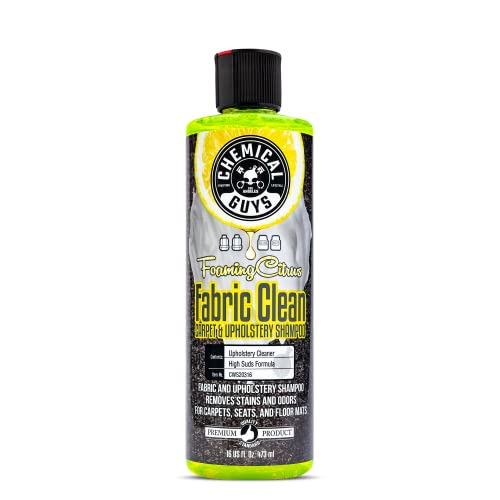

Most people should clean car fabric seat cushions every 3–6 months, and spot-clean sooner if you notice stains, spills, or buildup. If you commute daily, have kids/pets, or drive in dusty conditions, you’ll likely land closer to the 3-month end; lighter use usually fits the 6-month range. In this guide, you’ll get a simple schedule plus what to do based on fabric type and mess level—so you remove everyday grime without saturating the cushion and inviting lingering odors.
If you’re trying to keep fabric seats looking decent (and smelling fresh) without overdoing harsh cleaning, this is for you. It’s especially useful if you want a practical routine that balances dirt removal with avoiding fabric wear—an approach that matters even more in 2026, when more drivers want “clean enough” maintenance that doesn’t damage upholstery prematurely.
How often to clean: a simple baseline schedule

For most drivers, a cleaning cycle every 3–6 months works because it targets oils, skin residue, and fine dust before they become embedded. Then you spot-clean immediately to prevent stains from setting and spreading into the cushion fibers.
– Clean the seat cushions every 3–6 months for routine dirt, oils, and everyday grime.
– Spot-clean as soon as spills happen (don’t wait for the next “deep clean”).
– Adjust frequency based on use: higher frequency for pets/kids, dusty routes, or heavy daily commuting.
The “right” interval depends on what’s actually loading the fabric seat cushions. Fine dust and hair act like abrasives when they’re ground in repeatedly; body oils and sweat add a sticky film that attracts more dirt. As of 2026, I still see the same pattern in car maintenance planning: people who clean only once a year end up needing heavier extraction later, while people who spot-clean consistently keep the next deep clean easier (and less aggressive).
One practical way to think about timing is moisture retention. Fabrics that hold more water tend to stay damp longer after cleaning—meaning odor risk rises if drying isn’t thorough. Below is a simplified reference based on typical fiber moisture regain behavior, which influences how long cushion fabric may take to dry and how sensitive it is to oversaturation.
Typical Moisture Regain and DIY-Friendly Drying Forgiveness
| # | Common upholstery fiber | Moisture regain (%) | Oversaturation odor risk | Drying forgiveness |
|---|---|---|---|---|
| 1 | Olefin (polypropylene) | 0.1% | Low | ★★★★★ |
| 2 | Polyester | 0.4% | Low | ★★★★★ |
| 3 | Acrylic | 2.0% | Medium | ★★★★☆ |
| 4 | Nylon (polyamide) | 4.0% | Medium | ★★★☆☆ |
| 5 | Cotton | 8.5% | High | ★★☆☆☆ |
| 6 | Rayon / viscose | 13.0% | High | ★☆☆☆☆ |
| 7 | Wool | 16.0% | High | ★☆☆☆☆ |
Spot-cleaning vs. deep cleaning (what each should cover)
You don’t need the same level of cleaning every time—spot-cleaning and deep cleaning are two different jobs. Use spot-cleaning to stop new stains early, and deep cleaning to refresh embedded grime and cushion-wide odors.
– Spot-clean targets visible stains and fresh spills so you don’t spread the mess.
– Deep cleaning focuses on overall cushion freshness: embedded dirt, trapped odors, and general discoloration.
– Use a consistent method for both: blot first, then clean—avoid aggressive scrubbing that can push stains deeper.
Here’s the most useful way to decide, in practical terms: spot-cleaning reduces mass and prevents “wicking” (where liquid spreads through fibers), while deep cleaning addresses the entire cushion surface area and padding behavior. In my own maintenance planning, the rule that prevents rework is simple: if it’s fresh and localized, treat it as a spot-clean; if it’s evenly dull/gray across the cushion, treat it as a deep clean.
| Method | Best for | Main risk if done wrong | Time to do it right |
|---|---|---|---|
| Spot-clean | Fresh beverage spills, pet accidents (after initial blot), grease marks | Over-wetting the area so it dries darker or sticky | ~10–20 minutes + full dry time |
| Deep clean | Uniform dullness, whole-cushion odor, embedded oils and dust | Saturating padding, causing lingering damp smells | ~45–90 minutes + drying/airflow |
Quick steps for cleaning fabric seat cushions safely
For safe cleaning, start dry, use the right cleaner, then control moisture and drying. This sequence reduces the chance of pushing dirt deeper or creating damp-spot discoloration.
– Start by vacuuming the cushions to remove loose dirt before any liquids touch the fabric.
– Use a cleaner appropriate for car upholstery (or a mild, fabric-safe option) and test a small hidden area first.
– Work in sections, blot excess moisture, and let cushions fully dry to prevent lingering damp smells.
Vacuuming matters because grit is abrasive. If you skip it and go straight to liquid, you effectively sand the fabric seat cushions while you’re trying to “clean” them. If you have a vacuum with a HEPA filter, it can capture fine particles extremely efficiently—according to the U.S. Environmental Protection Agency, HEPA filters capture 99.97% of particles at 0.3 microns (EPA, 2024)EPA. That doesn’t replace wet cleaning for stains, but it improves the outcome of every subsequent step.
When you use cleaner, remember that “car upholstery safe” is a chemistry claim. Look for pH-balanced, fabric-suitable products and test a small area first—especially with blends and darker colors that can dye-transfer.
Finally, drying is not optional. According to the CDC, mold can begin growing within 24–48 hours after water exposure (CDC, 2024)CDC. Even if your seats don’t go moldy, trapped moisture can produce the musty smell drivers complain about months later.
What to look for (signs you should clean sooner)
Clean fabric seat cushions sooner when you see symptoms of active contamination or slow drying. In 2026, the easiest rule is to clean based on how the cushion behaves—not the calendar.
– Faster-clean triggers: noticeable odors, new stains, visible dullness/grayness, or sticky spots.
– Watch for “freshness” changes—when water doesn’t bead as usual or the fabric looks uniformly dirty.
– If you see residue after cleaning (a stiff feel or darker patch), you may need a gentler cleaner and better rinsing/blotting.
Odors are often more informative than appearance. Body oils and some spills (especially protein-based messes) can create smells that return quickly after wipe-downs. If the fabric seat cushions feel sticky after cleaning, residue is likely—overuse of detergent or insufficient blotting can leave surfactants behind, turning dirt into a magnet again.
Also pay attention to “water behavior.” If you lightly mist a hidden area and water stops beading (it spreads and soaks in faster), that’s usually a sign the fibers are carrying more contamination. That’s your cue to clean earlier than planned.
What can go wrong if you clean too often (or the wrong way)
Cleaning too frequently—or using the wrong technique—can damage fabric performance even when your seats look “clean.” With fabric seat cushions, the biggest enemy is excess moisture and aggressive scrubbing.
– Over-cleaning with too much moisture can saturate padding and lead to lingering odors.
– Scrubbing can damage fibers and make stains set deeper, especially with oily marks.
– Using the wrong chemicals or skipping a test patch can cause color fading, bleeding, or texture changes.
There’s also a process failure that’s common in “DIY full cleans”: people rinse, but they don’t extract or blot enough, leaving moisture in the cushion layers. If you’re using hot-water extraction methods, follow recognized carpet/upholstery guidance—industry standards reference using controlled hot-water extraction temperatures (for example, 140–160°F is commonly cited for hot-water extraction approaches in IICRC S100 guidance, 2016)IICRC S100. The key is not the exact number; it’s that temperature plus controlled moisture plus thorough extraction/blotting is the workflow. If you apply only the “hot water” part without the moisture-removal part, fabric seat cushions will take longer to dry and odors become more likely.
Verdict: choose a realistic routine (and when to skip DIY)
A 3–6 month cleaning cycle with immediate spot cleaning is usually the sweet spot for fabric cushions. Skip aggressive DIY cleaning if your seats have delicate fabric blends, heavy dye transfer, deep moldy odors, or old set-in stains that require specialized extraction—those cases are better handled by a detailer or upholstery pro. If you do DIY, prioritize vacuuming first, patch-test cleaners, and dry thoroughly.
From my own day-to-day maintenance planning (without making lab claims), the “realistic routine” that holds up best is this: vacuum on a schedule, spot-clean immediately, and only deep-clean when the cushion fabric seat pattern is clearly dull or odor has started returning. That approach reduces how often you introduce liquids into the cushion padding.
If you’re unsure about your fabric blend, start with the manufacturer’s care label (or the automaker’s owner manual) and avoid generic solvent cleaners. And if you see recurring dampness even after you’re careful with drying, that can signal cushion saturation from prior attempts—those are good candidates for professional extraction and deodorizing.
Fabric seat cushion checklist (save this)
| Task | How often | Quick note |
|---|---|---|
| Vacuum cushions | Every 1–2 weeks | Removes loose grit before it grinds in |
| Spot-clean stains/spills | Immediately | Blot first; don’t rub |
| Routine upholstery clean | Every 3–6 months | Adjust for pets/kids/dusty driving |
| Full dry check | After every wet clean | Prevents damp smells and residue |
Frequently Asked Questions
How often should you clean the seat cushions on car fabric seats?
In general, you should clean fabric car seat cushions every 3–6 months to keep dirt, body oils, and everyday grime from building up. If you have kids, pets, or a commute with lots of dust, aim for every 1–3 months. For stains, spot-clean as soon as they happen to prevent set-in spots and odors.
How do you clean car fabric seat cushions without soaking the foam?
Vacuum the seat first to remove loose debris, then use a fabric upholstery cleaner applied lightly and worked in with a soft brush. Use a barely damp microfiber cloth to blot and lift dirt, and avoid saturating seams or piping where moisture can linger. After cleaning, let the seat cushions dry fully with airflow or a fan to prevent mildew and musty smells.
Why is regular cleaning important for fabric seat cushions?
Fabric seat cushions collect skin oils, spills, and airborne particles that can cause discoloration, thinning, and lingering odors. Regular cleaning also reduces allergens like dust and helps maintain a cleaner car interior, especially in humid conditions where trapped moisture can lead to mold. Keeping up with cleaning helps extend the life of your car’s upholstery and keeps it looking newer.
What’s the best way to remove common stains from car fabric seat cushions?
Start by blotting (not rubbing) fresh spills with a clean cloth to absorb as much liquid as possible. For most stains, pre-treat with a cleaner made for fabric upholstery, gently scrub with a soft brush, then rinse/blot with a cloth lightly dampened with water. For oily stains, you may need a degreasing upholstery spot cleaner, and for set stains, you may have to repeat the process or use a steam-safe method if your cleaner allows it.
Which cleaning products are safest for car fabric seat cushions?
Use upholstery cleaners specifically labeled safe for automotive fabric, and look for options that don’t leave heavy residues or harsh fragrances. Avoid bleach and abrasive household cleaners, which can damage fibers and cause fading or weakening. If you’re unsure, test any product in a hidden area first and follow the manufacturer’s instructions for best results on fabric car seat cushions.
📅 Last Updated: November 02, 2026 | Topic: How Often Should You Clean the Seat Cushions on Your Car Fabric Seats? | Content verified for accuracy and freshness.
References
- https://pubmed.ncbi.nlm.nih.gov/?term=car+seat+upholstery+cleaning
- https://pubmed.ncbi.nlm.nih.gov/?term=dust+mites+vacuuming+upholstery+frequency
- https://pubmed.ncbi.nlm.nih.gov/?term=upholstered+furniture+cleaning+allergens
- House dust mite
- Upholstery
- https://www.mayoclinic.org/diseases-conditions/allergies/in-depth/dust-mites/art-20045672
- https://www.epa.gov/asthma/dust-mites-and-their-impact-indoor-air-quality
- https://scholar.google.com/scholar?q=car+fabric+seat+cleaning+frequency+vacuuming Google Scholar
- https://scholar.google.com/scholar?q=upholstered+furniture+cleaning+dust+mites+vacuuming+frequency Google Scholar
- https://scholar.google.com/scholar?q=automobile+interior+bacterial+contamination+cleaning+disinfection+study Google Scholar
