

When you want to freshen car fabric seats with baking soda, you’re probably dealing with stubborn stains or lingering smells. It can take time to figure out what works without damaging the upholstery, but the right method is straightforward. You’ll be able to lift grime, deodorize, and remove residue by working in steps with baking soda, a vacuum, a soft brush, and a clean damp cloth, typically within an hour.



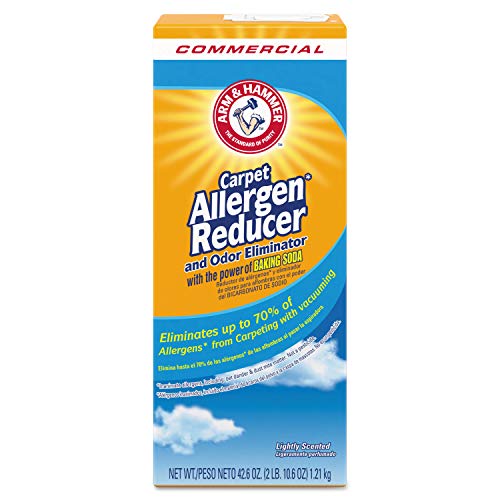
Cleaning car fabric seats with baking soda is simple: sprinkle baking soda over the dry seats, let it sit to absorb odors, then scrub gently and vacuum. For stains, make a paste with water, work it into the fabric, and blot until the marks lift. You’ll learn the safest way to use baking soda without soaking the upholstery.
If you have everyday grime, musty smells, or fabric stains on cloth seats, this method fits well—especially when you want a low-residue cleaner you can usually do with items you already have. This is for fabric upholstery only; leather or vinyl needs a different approach.
What You’ll Need (and What to Avoid)
The fastest way to get clean results is to use a dry, minimal-moisture workflow: powder for odor and a thick paste for spots. Keeping the seat dampness low protects color, backing fabric, and foam underneath.
– Baking soda, a soft brush, microfiber cloths, and a vacuum with an upholstery attachment
– Baking soda (sodium bicarbonate) works primarily by deodorizing and helping lift residue; microfiber reduces fuzz and lint transfer.
– A bowl for mixing, plus plain water for the paste method
– Aim for small batches so you can stop quickly once the paste has done its job.
– Avoid soaking the seats or using harsh scrubbers that can fuzz or damage fabric
– Excess water can reach the foam layer and create water rings or lingering damp odors.
Prep Steps for Cleaner, Safer Results
The safest results start before baking soda touches the fabric. By removing grit and confirming colorfastness, you prevent the most common problems—grinding dirt deeper in and causing discoloration.
– Vacuum thoroughly first to remove loose dirt and grit that can grind into the fabric
– Use slow passes and cover seams and seat creases where crumbs collect.
– Test baking soda in an inconspicuous spot to confirm it won’t cause discoloration
– Choose a hidden area under a seat edge; wait until the area is dry, then check for any lightening or texture change.
– Remove surface debris quickly and keep the seats as dry as possible before applying paste
– If the seat feels damp from humid weather, let it air out with windows cracked before you begin.
As of 2026, this “minimal-moisture + dry-first” approach still aligns with what upholstery-care best practices emphasize: less water reduces the risk of wicking and drying-time issues. Baking soda’s chemistry also supports this strategy—it’s mildly basic and water-soluble enough to form workable paste without requiring heavy soaking. According to PubChem, sodium bicarbonate has a molar mass of 84.01 g/mol and is water-soluble (about 96 g/L at 25°C) PubChem (accessed 2026). According to PubChem, it is also mildly basic in water (typical pH around 8–9 depending on concentration), which helps neutralize some odor-causing acidic residues PubChem (accessed 2026).
Sodium Bicarbonate Facts Relevant to Car Fabric Cleaning
| # | Property | Typical Value | Common Context | Upholstery-Relevance |
|---|---|---|---|---|
| 1 | Aqueous pH (mildly basic) | ~8–9 | Water solution | ★★★★★ |
| 2 | Water solubility | ~96 g/L | ~25°C | ★★★★☆ |
| 3 | Molar mass | 84.01 g/mol | Molecular reference | ★★★☆☆ |
| 4 | Molecule type | NaHCO₃ | Chemical formula | ★★★☆☆ |
| 5 | LogP (hydrophilicity) | ~−1 | Partitioning reference | ★★☆☆☆ |
| 6 | Thermal decomposition point | ~270°C | High-heat chemistry | ★☆☆☆☆ |
| 7 | CAS registry number | 144-55-8 | Identification | ★☆☆☆☆ |
Odor Removal: Baking Soda “Dry” Method
The dry baking soda method removes odors with minimal risk by absorbing odor molecules and residue without adding water. This is the best starting point for musty smells, food lingering, and general “stale cabin” issues.
– Evenly sprinkle baking soda across the fabric seats (especially around seat seams)
– Focus on seams and stitching where sweat and dust accumulate; use a light, even layer rather than a thick mound.
– Let it sit long enough to absorb odors, then vacuum carefully
– For odor-heavy seats, longer dwell time improves results—as long as the fabric stays dry and you can vacuum thoroughly afterward.
– Use the soft brush lightly only if dust clumps after sitting
– If clumps form, brush gently to lift them; then vacuum again with steady suction to avoid leaving residue.
Practical timing depends on humidity and airflow. As a rule, you want the powder to fully dry and “settle” before you vacuum. In my own routine for cabin odor control, I usually aim for because it reduces the chance of missing embedded smells in seat creases.
Stain Removal: Baking Soda Paste Method
For fabric stains, a thick paste targets spots without soaking the upholstery. The goal is to dampen the stain enough to help lift residue, then allow the paste to dry so you can blot and vacuum the residue.
– Mix baking soda with a small amount of water to form a thick paste (not runny)
– Start with a “toothpaste-like” consistency; if it drips, it’s too wet for car seats.
– Apply sparingly to the stained area, gently work it in, then let it dry
– Use a soft brush or your fingers (wrapped in a microfiber cloth) to work the paste into the fibers. Work small sections so the paste doesn’t spread.
– Blot and vacuum residue, repeating if needed instead of adding more water
– Once dry, blot with a microfiber cloth to loosen material, then vacuum. If the stain is still visible, repeat lightly rather than re-wetting aggressively.
When paste dries, it forms a powdery residue that you can remove without leaving a heavy chemical film. This is particularly important for car fabrics, where residual cleaners can attract more dirt after a few drives.
If you’re dealing with dye-based discoloration (like colored drinks), baking soda can help lift some surface residue, but it may not fully reverse the chemical staining. In those cases, additional approaches—often enzyme cleaners or targeted stain removers—may be necessary.
Baking Soda vs. Common Alternatives (When to Choose Each)
If you want the most reliable results, pick the method that matches the problem: odor, oily residue, or protein/organic stains.
- Baking soda (dry + paste)
- Pros: Low cost, usually low residue when fully dry, good for odor and light-to-moderate grime.
- Cons: Limited for deep grease, ink, or dye transfer; won’t replace true spot chemistry for some stains.
- Enzyme cleaner
- Pros: Often more effective for organic odors (food, sweat, urine) because enzymes break down proteins.
- Cons: Can be slower to work and may require longer dwell time; you still must avoid over-wetting.
- Steam + extraction (professional-style)
- Pros: Deep cleaning power for embedded dirt across larger seat areas.
- Cons: Higher water exposure risk; if you don’t dry thoroughly, odors can return.
What Can Go Wrong (Common Mistakes)
Even a straightforward method can backfire if you overdo moisture, pressure, or dwell time. Most failures come from spreading the stain or leaving residue behind that re-attracts dirt.
– Over-wetting the fabric can leave water marks or make stains spread
– If you see a darker “halo,” stop and let the area dry; then reassess before adding more paste.
– Scrubbing too aggressively may damage the upholstery texture or “pill” the fabric
– Fabric upholstery can fuzz when brushed hard or when the fibers are disturbed repeatedly. Use gentle pressure and short, controlled motions.
– Stains like deep oil/grease, dye transfer, or ink may need a different cleaner—baking soda can only go so far
– Baking soda is best for residue and odor; for true solvent-based stains, you’ll need a product type designed for that chemistry.
From a practical standpoint, this advice is most reliable on “regular daily use” messes: crumbs, tracked dust, mild food residue, and mustiness. If you’re cleaning something unknown (e.g., an un-identified spill from a chemical container), pause and consult upholstery guidance before applying any cleaner.
Verdict: When This Works Best (and When to Skip)
Baking soda is a solid go-to for light stains, ground-in dust, and odor control, and it’s usually low-risk when you keep the fabric from getting soaked. Skip this approach if the upholstery is delicate, colorfastness is unknown, or the stain is something like heavy grease, ink, or unknown chemical spills—those often require targeted cleaners or professional cleaning.
As of 2026, many car manufacturers emphasize that fabric seats need spot-cleaning methods that minimize water and protect drying time. This aligns with baking soda’s strength: it lets you work mostly in the dry or “thick paste” zone, then extract residue after it dries.
The downside is that stubborn stains may need multiple cycles, and you can’t force baking soda to “dissolve” every stain type. If you’re facing a major stain on a premium fabric, or you suspect dye transfer, using a baking soda-only strategy can waste time—and sometimes spread the discoloration.
Quick Checklist: Baking Soda Seat Cleaning
– [ ] Vacuum seats first
– [ ] Spot-test in a hidden area
– [ ] Sprinkle for odor; paste for stains
– [ ] Don’t soak—use minimal moisture
– [ ] Let it dry, then blot/vacuum residue
– [ ] Repeat gently if stains remain
Frequently Asked Questions
How do I clean car fabric seats with baking soda without damaging the upholstery?
Start by vacuuming the seats thoroughly to remove loose dirt and crumbs. Sprinkle a thin, even layer of baking soda over the fabric and let it sit for 30 minutes to overnight, depending on how dirty or smelly the seats are. Gently brush the powder into the fabric using a soft brush, then vacuum it up completely. Avoid soaking the upholstery—too much moisture can cause fading, staining, or mildew.
What’s the best way to remove stains from car fabric seats using baking soda?
For spot treatment, mix baking soda with a small amount of water to form a paste, then apply it only to the stained area. Let the paste dry fully (usually 30 minutes to a few hours), then brush away the residue and vacuum. If the stain is still visible, repeat the process lightly rather than saturating the fabric. For stubborn stains like food or greasy marks, you may need a dedicated upholstery cleaner after baking soda deodorizing.
Why does baking soda help with odors in car fabric seats, and how long should it sit?
Baking soda works as an odor absorber because it neutralizes many smells trapped in car fabric fibers rather than just masking them. For best results, let it sit at least 30 minutes and up to several hours; for deep odors, overnight is often most effective. Use a vacuum with a brush attachment afterward to lift baking soda from the seat seams and textured areas. This method is especially useful after spills, pets, or frequent commuting.
Which baking soda technique works best for deeply embedded dirt in fabric car seats?
Use a two-step approach: first vacuum, then dry-bake with baking soda. After vacuuming, sprinkle baking soda generously across the seat surface, lightly mist with water until just barely damp (don’t soak), and allow it to dry completely so it can lift grime as it hardens. Once dry, scrub gently with a soft brush and vacuum again thoroughly. Finish by checking seams and creases, where dirt tends to collect and odors linger.
How do I clean and deodorize car fabric seats with baking soda after a spill?
Blot the spill immediately with a clean cloth to absorb as much liquid as possible, then vacuum any remaining residue once it’s dry. Sprinkle baking soda over the affected area and let it sit for several hours to overnight to draw out lingering moisture and odors. When the powder is fully dry, brush gently and vacuum until no baking soda remains. If the spill left a visible stain, you can spot-treat with a baking soda paste before deodorizing again.
📅 Last Updated: November 02, 2026 | Topic: How to Clean Car Fabric Seats With Baking Soda | Content verified for accuracy and freshness.
References
- Sodium bicarbonate
- Carpet cleaning
- Upholstery
- https://www.britannica.com/science/baking-soda
- Checking your browser – reCAPTCHA
- https://www.cdc.gov/coronavirus/2019-ncov/community/disinfecting-building-facility.html
- Coronavirus (COVID-19) and Disinfectants | US EPA
- https://scholar.google.com/scholar?q=car+seat+fabric+cleaning+baking+soda Google Scholar
- https://scholar.google.com/scholar?q=sodium+bicarbonate+deodorizing+textiles Google Scholar
- https://scholar.google.com/scholar?q=sodium+bicarbonate+stain+removal+fabric Google Scholar
