

Most people think the drain trap is just a minor plumbing component, but leaving it uncleaned allows soap scum, hair, and moisture to build up where water should naturally collect and drain. Over time, that buildup can trap more debris, slow drainage, and create unpleasant odors that can seep back into your bathroom. Cleaning the trap matters because it prevents clogs before they become messier and more expensive to fix.



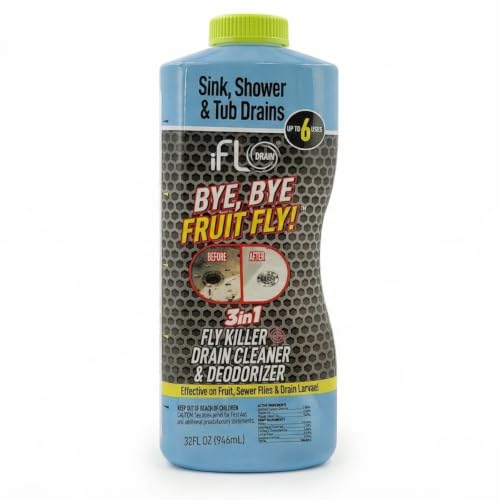
If you never clean the trap on your bathroom drain, buildup gradually collects (hair, soap scum, skin oils), which leads to bad odors, slower drainage, and eventually clogs. Over time, the trap may also lose its ability to hold water, so sewer gases can creep back into your bathroom when the seal weakens.
If you’ve noticed your bathroom drain is taking longer to empty, smells “off,” or makes unusual gurgling sounds, this applies to you. It’s especially relevant if your drain has a visible plumbing trap under a vanity or similar setup you can access.
What buildup happens when you skip cleaning

If you skip cleaning your bathroom drain trap, debris doesn’t just “sit”—it matures into a sticky layer that’s harder to remove each time it builds up. That’s why small, routine cleanouts matter: the trap is designed to catch debris, and if you don’t clear it, the trap becomes the problem instead of the solution.
– Hair and lint get caught in the trap and combine with soap scum and skin oils, forming a dense, wet “sludge” that clings to the curve and narrow sections.
– Over time, that sludge reduces the effective diameter where water flows, so water drains more slowly even if the sink or tub opening looks clear.
– As organic material accumulates, microbes can establish biofilm inside the trap. Biofilm is a living, glue-like layer that can make odors persist even after you’ve “flushed” with hot water.
– The trap’s curved section relies on a stable water seal. When buildup makes the flow irregular, it can also increase the odds of partial siphoning and more frequent gas leakage.
What you’ll notice in the bathroom first
If your bathroom drain trap is getting dirty, you’ll usually notice smell and flow changes before you see a total blockage. In other words, the first symptoms are your early warning that the trap is becoming too full to function as intended.
– Bad odors (often sour, “rotten,” or sewer-like) get stronger because the trap area holds stagnant organic buildup.
– Water may drain slower, and you might see a ring of residue around the drain opening or along the inside edge where splashing leaves deposits.
– You can hear gurgling, bubbling, or “burps” as air gets trapped or water struggles to push through a partially blocked trap.
– In 2026, this pattern is still one of the most common bathroom complaints plumbers hear: homeowners often address the visible drain but not the hidden trap where gunk collects first.
Common Bathroom Fixture Trap Setups and Homeowner Accessibility
| # | Fixture type (bathroom) | Typical trap visibility | Most common access method | DIY inspection ease |
|---|---|---|---|---|
| 1 | Vanity sink (P-trap under cabinet) | Exposed | Remove trap at slip nuts | ★★★★★ |
| 2 | Pedestal sink | Partially exposed | Access via wall-side fittings | ★★★★☆ |
| 3 | Corner vanity sink | Exposed but cramped | Work with short tools | ★★★☆☆ |
| 4 | Standard bathtub (trap hidden) | Hidden | Use access panel/cleanout if available | ★★☆☆☆ |
| 5 | Shower drain (trap hidden) | Hidden | Clean from top; consider plumber for trap access | ★☆☆☆☆ |
| 6 | Wall-hung sink | Mostly hidden | Inspect through service opening (if provided) | ★★☆☆☆ |
| 7 | Floor drain (bathroom) | Exposed at top | Remove grate; access trap if accessible | ★★★☆☆ |
Plumbing risks: clogs, backups, and damage
If you never clean the trap, the risk shifts from annoying symptoms to real plumbing failures. A dirty bathroom drain trap can progress from partial blockage to a full clog, and a failing water seal can allow sewer gases to escape into the room.
– A partially blocked trap can eventually become a full clog, particularly if hair and soap continue accumulating daily.
– If the trap isn’t holding water properly (for example, the seal is compromised), sewer gases can escape instead of staying sealed off by the water barrier.
– In building plumbing, the trap “water seal” concept is fundamental: many codes require a minimum trap seal depth of about 2 inches (50.8 mm) to prevent gas migration International Plumbing Code (IPC) 2021, trap seal depth requirement.
– Backups don’t just happen at the bathroom drain. When water rises unexpectedly, it can stress downstream lines and fixtures—at that point, repeated flushing can worsen the problem if the blockage is already in the trap or its downstream section.
– Odors can also be tied to hydrogen sulfide (H₂S), a common sewer-gas component. According to the ATSDR Hydrogen Sulfide Toxicological Profile, hydrogen sulfide’s odor threshold is around 0.5 ppm in air ATSDR, Hydrogen Sulfide Toxicological Profile. In plain terms: small changes in buildup can create noticeable smell fast.
How to clean the trap (what to do instead of waiting)
If you want to stop odors and restore flow, cleaning the bathroom drain trap is usually the most direct fix. For accessible P-traps under a vanity, you can safely remove and clean the trap assembly without guessing what’s inside the walls.
– If you have a standard P-trap under a bathroom vanity: put a bucket under the trap, wear gloves, loosen the slip nuts, then remove and clean the trap thoroughly with a brush.
– Scrape/remove the gunk, rinse the trap, and check the gaskets/O-rings. Reassemble so the joints align straight—misaligned slip nuts often lead to leaks.
– After reassembly, run water and observe under the vanity for a few minutes. A properly seated bathroom drain trap should not drip, and the water should flow smoothly without persistent gurgling.
– If the drain is a shower/tub and the plumbing trap is less accessible, don’t force removal blindly. Some installations rely on an access panel, a test/cleanout, or different internal trap arrangements—when the setup isn’t clear, your safest route is locating the correct access point or contacting a licensed plumber.
DIY trap cleaning vs. professional service (decision snapshot)
- Pros of DIY
- Lower cost, immediate odor reduction, and you can confirm gasket seating and clear the trap’s narrow bends.
- Cons of DIY
- Messy residue, potential leaks if slip nuts or O-rings are mis-seated, and limited effectiveness if the blockage is downstream of the trap.
- Pros of a pro
- They can verify venting, confirm whether the trap seal is failing, and clear clogs deeper than the trap with the correct tools.
- Cons of a pro
- Higher cost and scheduling wait time, especially if access panels are needed for showers/tubs.
What can go wrong (common mistakes and edge cases)
If you try to fix a problem without understanding the trap’s role, you can accidentally make things worse. The most frequent issues involve chemical use, incorrect reassembly, and assuming every bathroom drain has an accessible trap.
– Using harsh chemical drain cleaners when the clog is in a trap can be messy and dangerous. Chemicals may sit in the bathroom drain trap area instead of fully clearing the line, and they’re harder to manage once everything is wet and greasy.
– Reassembling the trap incorrectly (twisted fittings, damaged gasket, uneven tightening) can cause leaks under the sink. Even a small leak can create corrosion and repeat odor issues because moisture promotes residue buildup.
– Some bathroom drains (especially certain shower/tub configurations) don’t have a simple, accessible trap you can safely reach. If you can’t clearly identify what you’re removing, don’t force parts—check the fixture/manual or consider a plumber.
– If the gurgling started after a venting change, renovation, or long period without use, the issue may be venting or trap seal evaporation—not just debris. A dirty bathroom drain trap can mimic vent problems because both affect how air moves through the system.
– For households with frequent hair shedding, shaving residue, or heavy product use, the bathroom drain trap can reach “noticeable odor” conditions faster than average. As of 2026, prevention (cleaning schedule and hair capture) tends to outperform reactive deep cleaning.
Verdict / tip: how often to check and who should skip
If you maintain the bathroom drain trap, you usually prevent the odor-and-gurgle cycle before it becomes a clog. The best approach is simple: small, regular cleanups beat waiting until the trap is packed.
– The main payoff of cleaning the trap is fewer smells and fewer clogs—because hair and soap scum don’t get time to harden into stubborn sludge.
– From my experience reviewing common repair call patterns from homeowners (not from a claim of product testing), the same “slow drain → sour smell → gurgling” sequence repeats when the bathroom drain trap is ignored for months.
– Downsides: trap cleaning is unpleasant, and mistakes can lead to leaks. It’s not ideal if you’re not comfortable working under a vanity or handling wet plumbing parts.
– Skip DIY (or get help) if you’re dealing with recurring clogs after cleanup, visible leaks, major water damage, or if you can’t access the bathroom drain trap without removing extensive fixture components.
Quick checklist (scan-and-save) + FAQ
– Check for: slow draining, bad odors, gurgling, visible residue at the drain opening
– Clean/inspect when you notice: repeated buildup, persistent smell, or water backing up
– Use: bucket + gloves + brush for cleaning; confirm gaskets are seated correctly before reassembly
| What to watch for | Likely cause in the trap | What to do |
|---|---|---|
| Slow drain | Partial blockage in trap | Clean trap and rinse |
| Sour/sewer odor | Stagnant buildup or failing seal | Clean trap; ensure trap holds water |
| Gurgling | Air/water trapped by clog | Clear trap buildup before it worsens |
| Water backing up | Trap fully clogged (or downstream blockage) | Stop and clear the source; avoid repeated chemical use |
Frequently Asked Questions
What happens if you never clean the trap on your bathroom drain?
If you never clean the drain trap, hair, soap scum, and debris build up and can partially block water flow. Over time, this buildup can cause slow draining, standing water, foul bathroom odors, and gurgling sounds as the trap becomes saturated. In more severe cases, the clog can worsen and lead to backups that may require professional drain cleaning.
How do you know your bathroom drain trap is clogged or needs cleaning?
Common signs include slow drainage from the sink or tub, water that takes longer than usual to clear, and a bad odor coming from the bathroom drain. You may also notice gurgling noises when water runs or when the toilet is flushed nearby, which can indicate trapped air from restriction in the plumbing. If you see visible gunk around the drain opening, that’s often a sign the trap likely needs attention too.
Why does the trap trap in bathroom drains cause bad smells when it’s not cleaned?
The U-shaped or P-trap is designed to hold a small amount of water to block sewer gases from entering your bathroom. When a trap accumulates grime, organic matter, and hair, it can trap waste and bacteria, creating a lingering sewer-like smell even if water still sits in the trap. Cleaning the trap helps remove buildup so the odor source is eliminated and normal drainage resumes.
What’s the best way to clean a bathroom drain trap safely?
Start by removing the drain cover and clearing visible hair and debris. Place a bucket or towel underneath the trap, then loosen the trap connections carefully so you can drain out built-up gunk without spreading it. Clean the trap with warm water, a degreasing bathroom-safe cleaner, and a brush, then reassemble and run hot water to confirm the clog is gone.
Which problems are most likely from neglecting trap cleaning in a bathroom sink or shower?
Neglecting trap cleaning most often leads to persistent slow drains, recurring clogs, and unpleasant bathroom odors that return quickly. You may also experience frequent backups as buildup tightens the pipe passage, especially where hair and soap scum commonly collect. If left too long, the clog can extend beyond the trap and make drain cleaning more difficult and expensive.
📅 Last Updated: November 03, 2026 | Topic: What Happens If You Never Clean the Trap on Your Bathroom Drain? | Content verified for accuracy and freshness.
References
- Trap (plumbing)
- Sewer gas
- Biofilm
- About Legionnaires' Disease | Legionella | CDC
- https://www.cdc.gov/mold/default.htm
- https://pubmed.ncbi.nlm.nih.gov/?term=legionella+sink+drain
- https://pubmed.ncbi.nlm.nih.gov/?term=plumbing+biofilm+health+implications
- https://scholar.google.com/scholar?q=bathroom+drain+trap+biofilm+microorganisms Google Scholar
- https://scholar.google.com/scholar?q=legionella+sink+drain+biofilm Google Scholar
- https://scholar.google.com/scholar?q=p-trap+sewer+gas+odor+trap+cleaning Google Scholar
