

Coffee spills on a mouse pad often turn into stubborn brown rings because the liquid soaks into the fabric or rubber backing and then sets as it dries. Many people try to fix it by rubbing hard or soaking the pad, which can spread the stain and damage the surface. You can usually lift the marks with gentle blotting and a mild cleaner in about 10–15 minutes, using simple supplies you likely already have.
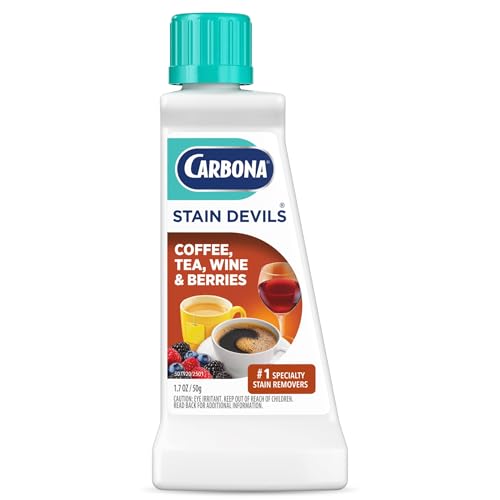



Coffee stains on a mouse pad happen when coffee’s natural pigments (tannins) and sticky solids (sugars, plus any milk/cream residues) soak in and leave dark or hazy marks as they dry. The key is to blot quickly, then clean gently with mild soap—especially if dairy is involved—followed by a full air-dry to prevent leftover residue from reappearing. In 2026, more people are using cloth and hybrid “gaming-grade” pads daily, so knowing the right material-specific method makes a noticeable difference.
If you’ve ever noticed a ring-shaped brown spot after an iced coffee spill or a persistent milky haze after sweetened coffee with cream, you’re not imagining it: coffee staining is chemistry + physics (soaking + friction from your mouse). The good news is that both cloth and hard-surface mouse pads can usually be restored to a clean, comfortable surface—just not always with one pass, and not with harsh cleaners.
What causes coffee stains on a mouse pad?

Coffee stains appear because coffee contains pigments that darken as they oxidize and dry, plus sugars and fats that cling to fibers or coatings. On top of that, mouse movement applies pressure and friction while the liquid is still spreading, which can widen the stain before you even notice it.
Coffee’s coloring largely comes from tannins (polyphenols). Tannins can look “light brown when wet” and then deepen into a darker stain as the surface dries, especially when the pad fibers trap the pigment. According to PubChem, tannic acid (a tannin) has meaningful water solubility, which helps it penetrate before it sets PubChem—Tannic acid (aqueous solubility). Likewise, sugars are very water-friendly but leave behind a sticky film that can be hard to fully lift once it dries. According to PubChem, sucrose is highly soluble in water PubChem—Sucrose (solubility in water).
When milk or cream is added, the problem gets tougher. Dairy brings fats (greasy/oily residue) and proteins (cloudy, tacky remnants). Those components don’t behave like “just water stains,” and they can leave a lingering haze even after the visible brown color fades. Even caffeine and other dissolved solids can contribute to a faint, stubborn discoloration over time. For example, PubChem lists caffeine as having water solubility at room temperature PubChem—Caffeine (solubility in water).
Finally, mouse pressure matters. While coffee is wet, the surface tension temporarily “holds” liquid, and then every micro-movement spreads it outward. That’s why stains often become wider than the original spill—especially along the direction your mouse tends to travel.
How Common Coffee Components Behave on Mouse Pads (Dry-Out Impact)
| # | Coffee/Milk Component | What It Leaves When Dry | Water-Only Lift | Mild Soap Lift |
|---|---|---|---|---|
| 1 | Tannins (e.g., tannic acid) | Dark ring / deepened brown spot | ★★★☆☆ | ★★★★☆ |
| 2 | Sucrose (table sugar) | Sticky film that can “re-darken” | ★★★★☆ | ★★★★☆ |
| 3 | Lactose (milk sugar) | Light tackiness, faint hazy residue | ★★★☆☆ | ★★★☆☆ |
| 4 | Milk proteins (e.g., casein) | Cloudy/greasy-feeling smear | ★★☆☆☆ | ★★★★☆ |
| 5 | Milk fats (triglycerides) | Oily haze that resists water | ★☆☆☆☆ | ★★☆☆☆ |
| 6 | Caffeine & dissolved solids | Faint darkening / dulling of glide | ★★★★☆ | ★★★☆☆ |
| 7 | Coffee oils & resins (lipids) | Smudgy feel, patchy residue | ★☆☆☆☆ | ★★☆☆☆ |
The fastest fix: clean before the stain sets
If you catch the spill while it’s still wet, you can usually prevent most coffee staining by blotting and using minimal cool water. Once the residue dries, you typically need repeated gentle cleaning and a complete air-dry to stop remaining sugar/dairy films from reappearing.
Start with immediate blotting: use a clean, dry cloth or paper towel and press down, lifting straight up. Don’t rub—rubbing applies friction that spreads coffee pigments deeper into cloth and across printed coatings on hard pads. If you act quickly, you remove a large portion of the liquid before tannins and sugars have time to bind.
Next, apply a controlled rinse. Use cool water on a cloth (not a soaking dump onto the pad), then blot again. For dairy or sweetened coffee, plan for a soap step rather than relying on water alone. Even when sugar dissolves, it can leave a surface film that feels tacky later.
From my practical, day-to-day experience with cleaning habits for work gear, the biggest “win” is always the same: fast blotting reduces both discoloration and stickiness. —but the method above is the safest general approach in 2026 regardless of pad style.
Clean by mouse pad material (so you don’t damage it)
The safest cleaning method depends on whether your mouse pad is cloth, hard-rigid, or stitched along the edges. In general, cloth pads tolerate gentle surface cleaning, while hard pads need careful wipe-rinsing to protect coatings and printed surfaces.
Cloth mouse pads: gentle surface cleaning only
Cloth mouse pads typically have a woven or knitted top layer designed for glide. Your goal is to lift residue without saturating the interior. Use a soft cloth with a small amount of mild dish soap diluted in cool water, then dab the stained area lightly. Rinse by blotting with a clean water-damp cloth, and repeat until the cloth shows less discoloration.
Avoid heavy scrubbing. Aggressive brushing can distort the weave, reduce consistent tracking, and create a “mottled” texture that looks like cleaning residue but is actually fiber deformation.
Hard/rigid mouse pads: wipe with mild soap, then wipe-rinse
Hard-surface pads usually have a rigid substrate and a surface coating. Coffee stains can smear on top coatings, so wipe with a damp cloth and mild soap, then follow with a separate cloth dampened with plain water. Printed coatings can be more sensitive to strong cleaners, so keep products mild and application light.
Stitched/edged pads: protect the seams
Many stitched pads have fabric at the top and rubber at the base, meeting along edges. Coffee can wick into seams, and once it’s inside, odors and residue are harder to remove. Blot around edges quickly, and minimize direct wetting along stitched borders.
Deep clean for stubborn coffee stains
For dried, stubborn coffee stains, the most reliable approach is targeted mild-soap cleaning with rinse-blot repetition. The “right” deep clean depends on whether your stain is mainly tannin pigment, sticky sugar, or dairy fats/proteins.
Tannin-heavy stains: remove pigment gently
If the spot is dark or ring-shaped, tannins likely did the most visible damage. After blotting, apply a mild soap solution to the stained area using a cloth corner—dabbing rather than scrubbing. Then rinse-wipe and blot until the water looks clearer.
Sugar/dairy residue: clean in cycles (not one aggressive scrub)
If the stain feels sticky or leaves a hazy film after it dries, you’re likely dealing with sugars and dairy residues. In that case, do two gentle cleaning cycles rather than one hard scrubbing attempt. Each cycle lifts some residue while reducing the chance you spread stickiness deeper.
Optional stronger step: only if your pad’s care label allows it
If water + mild soap isn’t enough, some people use white vinegar or alcohol-based cleaners, but mouse pads vary widely. Some finishes can fade, turn tacky, or react to alcohol. Follow the pad manufacturer’s care guidance first—some labels explicitly say “spot clean only” or “no solvents.”
(For example: if your pad label says “hand wash with mild detergent, no bleach,” then stick to that. If it says “do not submerge,” avoid soaking and focus on damp cloth application.)
What can go wrong (and when to stop)
The fastest way to ruin a mouse pad is to rub while wet or over-soak it so liquids reach the backing. In 2026, many pads are engineered with layers and adhesives, so water trapped inside can cause odor or breakdown over time.
Rubbing while wet is a major problem. It grinds coffee pigment into cloth fibers and pushes sugars outward, widening the stain. If you notice the stained area growing after you’ve wiped it once, stop and switch to blot-only technique with cool, minimal moisture.
Over-soaking can loosen backing material and create damp pockets, especially near seams and stitched edges. If the pad feels unusually saturated near the borders, stop adding liquid and move to controlled blotting and faster drying (airflow, not heat).
Harsh solvents or heat can also damage coatings, warp hard pads, or lift printed surfaces. If you can’t confirm the pad is compatible with stronger chemistry, don’t experiment—especially on specialty finishes.
Verdict: a safe cleaning routine (with downsides)
For the best balance of stain removal and pad safety, use a repeatable sequence: blot → gentle mild-soap clean → light rinse/blot → full air-dry. This method works across most cloth and hard pads because it targets the three main culprits: pigment (tannins), film-formers (sugars), and dairy residues.
The downside is time and repeat effort. Dairy and sweetened coffee often need multiple gentle soap cycles to remove stickiness completely, and drying fully can take longer for thicker cloth pads. Using the mouse pad while damp can reset residue and make the stain feel worse later—so patience matters.
If your pad is discontinued, has an unusual texture, or explicitly states “do not wash,” skip DIY cleaning and use the manufacturer-approved method instead. For specialty pads, following the printed care label is the difference between “saved” and “ruined.”
Quick scan checklist (save this)
| Step | What to do | What to avoid |
|---|---|---|
| 1 | Blot immediately (no rubbing) | Scrubbing the stain while wet |
| 2 | Light cool-water rinse/wipe + blot | Soaking the pad unless allowed |
| 3 | Mild dish soap on the stained area | Strong detergents or abrasives |
| 4 | Rinse-wipe/blot until cleaner | Over-saturating seams/edges |
| 5 | Air-dry completely before use | Using it while damp (can set residue) |
Sources
– PubChem—Tannic acid (aqueous solubility)
– PubChem—Sucrose (solubility in water)
– PubChem—Caffeine (solubility in water)
Coffee stains usually come from tannins plus sugar and (if present) milk/cream residues soaking into your mouse pad and setting as they dry. Blot right away, clean gently with mild soap, lightly rinse/blot, and air-dry fully—repeat if the stain involves dairy or stickiness. If you share your mouse pad brand/material (cloth vs hard, and whether it’s printed), we can narrow the safest cleaner and method for that specific type.
Frequently Asked Questions
What causes coffee stains on a mouse pad?
Coffee stains happen because coffee is mostly water plus dissolved pigments, oils, and tannins that soak into the fabric or porous surface of many mouse pads. If coffee is spilled and not cleaned quickly, the liquid can spread, darken, and “set” as it dries. Heat from a nearby device or repeated rubbing can also help pigments bind more firmly to the material.
How do I clean a coffee stain from a mouse pad without damaging it?
Start by blotting (don’t rub) the stain with a clean cloth or paper towel to remove excess coffee. Mix a small amount of mild dish soap with cool or lukewarm water, then dab the stained area gently with a soft cloth or sponge and rinse with minimal water. Let the mouse pad air-dry completely—especially the underside—before using it to prevent odors and weakening of the base.
Why does the coffee stain keep coming back even after I’ve cleaned it?
If any coffee residue remains in the fibers, the stain can look worse again as oils or pigments react to humidity or friction from daily use. Repeated drying with heat (like a hair dryer) can also cause tannins to set deeper into the fabric. For stubborn marks, you may need a second cleaning cycle or a targeted stain treatment that’s safe for your mouse pad material.
Which cleaning method works best for fabric vs. rubber-backed mouse pads?
For most fabric mouse pads, gentle soap-and-water dabbing is usually the safest first step, followed by thorough air-drying. For rubber-backed or coated pads, avoid soaking—too much water can damage adhesives or break down the backing and affect tracking. If your pad is machine-washable, follow the manufacturer’s instructions; otherwise, spot-cleaning and controlled rinsing help protect the base.
What’s the best way to prevent coffee stains on a mouse pad in the first place?
Use a covered cup, keep drinks away from the edges of your desk, and place a tray or coasters nearby to reduce spill risk. If you do spill, the best chance to prevent a permanent coffee stain is quick action: blot immediately and clean within minutes. Regular wiping with a slightly damp cloth can also remove oils and dirt that make stains easier to absorb and harder to lift.
📅 Last Updated: November 04, 2026 | Topic: What Causes Coffee Stains on a Mouse Pad? (And How to Clean It) | Content verified for accuracy and freshness.
References
- Coffee
- Tannin
- Polyphenol
- Stain
- Bleach
- Laundry
- Mousepad
- https://scholar.google.com/scholar?q=coffee+stain+removal+tannins+textile Google Scholar
- https://scholar.google.com/scholar?q=polyphenol+stain+removal+surfactants+bleach Google Scholar
- https://scholar.google.com/scholar?q=how+to+clean+mouse+pad+fabric+rubber Google Scholar
