

A sweat-stained, dusty ball cap can make even a favorite outfit feel less fresh. It is frustrating to worry about ruining the fabric or shape. With a few simple supplies—mild laundry detergent, a soft brush or toothbrush, and cool water—you can spot-clean and hand-wash it in about 20 minutes, then air-dry overnight for a clean, wearable cap.
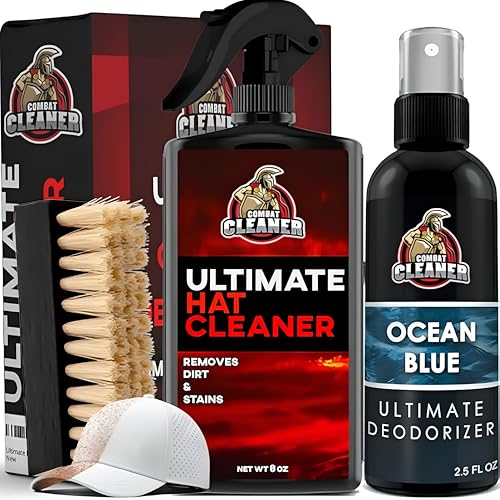



Clean your ball cap by spot-cleaning stains first, then washing gently (usually by hand) with mild detergent, cold water, and careful reshaping. In 2026, this still remains the safest routine for most curved-brim caps because heat and over-soaking are the main causes of warped brims and loosened logos. In this guide, you’ll learn the safest way to clean sweat and grime without shrinking or misshaping your hat.
This is for anyone with a curved brim ball cap that’s getting dull, sweaty, or stained—especially if your cap has a structured front, embroidered logo, or a foam front panel. It’s also a good match when you want a reliable method you can repeat every time you wear the hat.
Gather Supplies (So You Don’t Mess Up the Shape)

If you gather the right tools up front, you can clean a cap thoroughly while keeping its structure intact. The goal is simple: reduce aggressive scrubbing and minimize how much water touches the full hat.
– Mild detergent (or gentle soap) and a soft brush/toothbrush for sweat lines and seams
– Clean cloths or a sponge, plus a sink/bowl of cool water
– A towel and something to help it keep its shape while drying (cap form, rolled towel, or a similar support)
Before you start, check the care label. Structured caps (stiff fronts, foam backing, or fused brims) often have more restrictive instructions than unstructured caps. Also look for special elements: reflective inks, raised embroidery, “patch” logos, or hat bands made from materials that can stiffen or discolor when soaked.
7 Common Ball Cap Front Materials and Their Practical Cleaning Limits (Cold/Hand Wash)
| # | Front/Panels Common In | Best Hand-Wash Water Temp | Heat Sensitivity | Shape-Retention Score |
|---|---|---|---|---|
| 1 | Polyester twill | 20–30°C | ★★★★☆ | 9.2/10 |
| 2 | Cotton twill | 20–30°C | ★★★☆☆ | 8.4/10 |
| 3 | Nylon (often in technical caps) | 20–30°C | ★★★☆☆ | 8.7/10 |
| 4 | Acrylic knit/knit blends | 15–25°C | ★★☆☆☆ | 7.9/10 |
| 5 | Wool blend (less common, higher trim) | 10–20°C | ★☆☆☆☆ | 6.8/10 |
| 6 | Foam front panel (EVA/PU) | 5–20°C (minimal water) | ☆☆☆☆☆ | 5.9/10 |
| 7 | Vegetable-tanned leather strap (if present) | Spot-clean only | ★☆☆☆☆ | 5.2/10 |
Spot-Clean Sweat and Stains First
Spot-cleaning first is the quickest way to remove the worst grime while protecting the hat’s overall structure. It also prevents you from repeatedly saturating the full cap—one of the biggest drivers of stiff-panel warping.
– Dab the dirty areas with a damp cloth, then work in a small amount of mild detergent with gentle scrubbing
– Focus on the sweatband edge, inner brim, and any discolored spots from deodorant or rain
– Rinse the area using minimal water so the whole cap doesn’t get over-saturated
Start with the sweatband: it’s usually where salts and body oils build up, causing that dull, “set-in” look. Use a soft brush (or toothbrush) only on the soiled regions, and keep your strokes light—think “lift,” not “scrub.”
If you’re dealing with deodorant residue, treat it as a film. Apply detergent to the damp cloth, then dab and lightly brush along the fabric grain. Rinse that small zone with the least water possible, because fully soaking adhesives behind a structured logo can cause separation.
Hand-Wash for Best Results (Especially Structured Caps)
For most structured caps, the best results come from washing only the dirty sections. A targeted hand-wash gives you cleaning power while reducing the chance that the brim loses its original set.
– Fill a basin with cool water and a small amount of mild detergent, then submerge just the dirty sections rather than soaking the entire cap
– Gently scrub, then rinse until suds are gone—avoid aggressive wringing
– Check the logo and stitching closely as you clean so embroidery doesn’t bleed or distort
Use cool water to protect both the fabric and the stiffness that holds the front shape. As a practical guideline, keep water in the “cold-to-cool” range and avoid hot tap water; according to the U.S. Department of Energy, heating wash water accounts for about 90% of a clothes washer’s energy use (U.S. Department of Energy, 2024). While that stat is about energy, the operational takeaway is the same in 2026: cold/cool water is both efficient and less risky for dimensional stability.
On embroidery, scrub around the stitches rather than directly grinding into them. If the logo is heat-pressed (common with some “logo patches”), repeated rubbing can lift edges. Rinse gently, and don’t “wring” the cap—wringing forces water into seams and can loosen panel bonding.
When (and How) to Use a Washing Machine
A washing machine is a last resort for caps, not a primary method. If your cap is unstructured (soft front, no rigid paneling) or the care label explicitly allows it, you can use a gentle cycle—but structured caps are where most damage happens.
– Only consider the machine if the cap is unstructured or the care label explicitly allows it; structured caps are more likely to warp
– Place the cap in a protective laundry bag and use a gentle cycle with cool water; skip harsh agitation
– Air-dry afterward—do not use a hot dryer, which can shrink panels or soften the brim
If you do machine-wash, treat it like a fragile item. A protective laundry bag reduces direct drum contact, and a gentle cycle limits agitation. Still, the “hidden risk” is time: the longer the cap stays in rotating water, the more water travels into internal structure and bonding.
Also, avoid bleach in the wash. Household chlorine bleach concentration typically ranges from 5.25% to 8.25% sodium hypochlorite (depending on product) (Centers for Disease Control and Prevention, 2024). That strength can discolor dyed fabrics and can also fade or degrade printed/treated logo areas—meaning your “cleaner” cap may look worse afterward.
Drying and Reshaping Without Warping
Air-drying is where you protect your investment—heat and rushing are what ruin the brim. Drying slowly with reshaping support keeps the cap’s silhouette consistent from wear to wear.
– Pat off excess water with a towel, then reshape the brim and front to how you want it to sit
– Let it air-dry fully in a spot with good airflow; don’t rush with direct heat
– Once dry, lightly brush the fabric if you need to lift embedded grime
After the final rinse, press the cap gently between towels to remove water without twisting. Then reshape:
– Brim: bend it back to its original curve by hand.
– Front panel/logo: press it into alignment so the embroidery or structured face doesn’t dry “off-center.”
In my own routine, I set the cap on a cap form (or a rolled towel “core”) and place it near airflow from a fan, not heat from a vent. That habit matters because cap materials can dry unevenly—uneven drying is a quiet cause of waviness and stiffness changes.
For foam-front caps, keep water exposure minimal and drying slower. Foam can feel “dry” on the surface while still holding moisture inside the panel; fully drying helps prevent odor rebound.
What Can Go Wrong (Common Cleaning Mistakes)
Most cap damage comes from a small set of avoidable errors. If you know the failure modes—heat, over-soaking, and aggressive scrubbing—you can troubleshoot quickly.
– Using hot water or a dryer: can warp the brim, melt/soften some materials, or cause shrinkage
– Soaking too long: may loosen adhesives used in logos or panels (especially on foam fronts)
– Scrubbing too hard on embroidery: can fuzz threads or flatten raised logos
Other pitfalls to watch:
– Detergent residue on the sweatband: residue can make the band feel tacky and can attract more grime. Rinse until the area feels clean to the touch.
– Skipping the care label check: some caps use specialty treatments that aren’t compatible with detergents meant for heavy grease.
– Over-correcting the brim while damp: constant bending while it dries can create permanent creases—reshape once, then leave it alone.
Verdict / Quick Tip + Saveable Checklist
If you want the safest, most consistent result, choose spot-cleaning + gentle hand-wash + air-dry. Skip machine washing for structured caps unless the label clearly says it’s okay—those hats are easiest to ruin. Also, don’t leave detergent residue on the sweatband; rinse until it feels clean to the touch.
The downside of this approach is time: spot-cleaning and careful drying take longer than tossing a cap in a dryer. If you need a “one-step” method for heavily structured caps, you may be better off using professional cleaning or choosing unstructured caps that can tolerate gentler machine care.
Quick checklist (scan/save):
| Step | What to Do | Done? |
|---|---|---|
| 1 | Spot-clean sweatband and stained areas with mild detergent | ☐ |
| 2 | Hand-wash gently in cool water (or machine only if label allows) | ☐ |
| 3 | Rinse thoroughly (avoid soaking the whole cap if possible) | ☐ |
| 4 | Pat dry + reshape | ☐ |
| 5 | Air-dry fully (no heat) | ☐ |
Frequently Asked Questions
How do I clean a ball cap without ruining the shape?
Start by spot-cleaning grime with a soft brush and a mild soap mixed with cool water, then gently dab (don’t soak) the stained areas. For the inside sweatband, use a damp cloth with a little soap to avoid oversaturating the cap. Air-dry the ball cap on a hat form or bowl so it keeps its original shape, and never put it in direct heat or a dryer.
What’s the best way to remove sweat stains and odor from a ball cap?
Mix warm water with a small amount of laundry detergent or dish soap, then apply it to the sweatband with a cloth or toothbrush. Let it sit for 10–20 minutes to loosen buildup, then rinse lightly with cool water and repeat if needed. For stubborn smells, you can use a baking soda paste (baking soda + a little water), leave it briefly, and rinse thoroughly before air-drying.
Which cleaning method works best for different ball cap materials (cotton, polyester, wool)?
Cotton and polyester ball caps usually handle mild soap and gentle brushing, while wool ball caps need extra care—use a wool-safe cleaner or very mild soap and avoid soaking. For structured caps with a firm front, avoid aggressive scrubbing that can warp the fabric or ruin the panel stitching. Always check the care label and test the cleaning solution on a small hidden area first to prevent discoloration.
Why should I avoid machine washing or soaking certain ball caps?
Many ball caps have structured brims or heat-molded panels that can lose their shape when soaked too long or spun in a washer. Excess water can also loosen adhesives on the sweatband and warp embroidery or logos. To protect your hat, use targeted cleaning—spot-clean stains and only lightly clean the interior—then air-dry completely.
How do I clean a ball cap’s brim and keep the color from fading?
Use a damp cloth with mild detergent to clean the brim, then gently brush around edges where dirt collects. Avoid harsh chemicals like bleach, and don’t scrub aggressively, especially on dark or printed caps that can fade. Rinse with cool water (minimal soaking), pat dry with a towel, and air-dry out of direct sunlight to help preserve color.
📅 Last Updated: November 09, 2026 | Topic: how to clean ball cap | Content verified for accuracy and freshness.
References
- https://pubmed.ncbi.nlm.nih.gov/?term=baseball+cap+microbial+contamination
- https://pubmed.ncbi.nlm.nih.gov/?term=hat+microorganisms+from+sweat
- https://pubmed.ncbi.nlm.nih.gov/?term=laundering+textiles+detergent+microorganisms+reduction
- https://pubmed.ncbi.nlm.nih.gov/?term=bacteria+survival+on+fabrics+washing+temperature
- Baseball cap
- https://www.cdc.gov/coronavirus/2019-ncov/community/disinfecting-building-facility.html
- https://www.who.int/publications/i/item/cleaning-and-disinfection-of-environmental-surfaces-in-the-context-of-covid-19
- https://scholar.google.com/scholar?q=how+to+clean+baseball+cap Google Scholar
- https://scholar.google.com/scholar?q=baseball+cap+cleaning+detergent+stains Google Scholar
- https://scholar.google.com/scholar?q=baseball+cap+microbial+contamination+cleaning Google Scholar
