
You reach for a can of WD-40 after noticing scuffs on your car’s leather seats, wondering if it will wipe them out. Experts say you should not use WD-40 on leather because it’s a water-displacing lubricant, not a leather cleaner, and it can leave residues that dull the finish and attract dirt. The safer move is to use a cleaner and conditioner made for automotive leather.



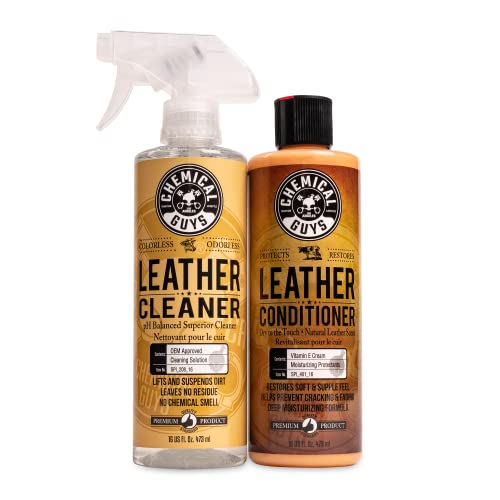
WD-40 isn’t a good choice for cleaning car leather seats. Most leather-care guidance recommends using a pH-balanced leather cleaner and a conditioner instead, because WD-40 is designed as a water-displacing lubricant and solvent/oil carrier—not a leather-safe cleaner. Using it can leave residue, make leather feel greasy, or cause discoloration over time.
If your seats are lightly dusty, you’ll usually get better results with a dedicated leather cleaner plus conditioner. If you’re dealing with stains or heavy buildup, the “skip WD-40” rule still holds—just match the cleaner to the type of grime and test carefully in a hidden spot first.
This is for anyone who wants to refresh car leather seats without risking cracks, dulling, or dye transfer—especially if you’re tempted by household “miracle” products. As of 2026, the most predictable results still come from a straightforward clean-and-condition workflow that respects leather’s chemistry and finish.
Why experts say “don’t use WD-40” on leather

Experts recommend skipping WD-40 on leather because its chemistry is aimed at lubricating and displacing water, not gently cleaning a dyed, finished hide. In practice, that mismatch often shows up as residue, tackiness, or long-term dullness.
– WD-40’s job is to displace water and loosen grime with lubricants/solvents, which isn’t the same thing as gentle leather cleaning.
– Leather is treated material (surface finish + dyes + topcoat). Product chemistry mismatch can lead to dulling, sticky residue, or color change.
– Even if it removes surface dirt initially, residue can build up and attract more grime later.
Household vs. Leather-Safe Products: Suitability for Car Seat Leather (Guideline-Based)
| # | Product category | Designed to do | What often happens on leather | Leather suitability |
|---|---|---|---|---|
| 1 | WD-40 / water-displacing lubricants | Displace water + loosen grime with solvents/oils | Greasy feel; residue build-up | ★☆☆☆☆ |
| 2 | Silicone protectants / sprays | Provide water repellency and surface slip | Can create a slick film that traps dirt | ★☆☆☆☆ |
| 3 | All-purpose cleaners (APC) / degreasers | Cut grime/oil using detergents | May dry leather or strip conditioners | ★★☆☆☆ |
| 4 | Isopropyl alcohol (spot cleaning) | Dissolve some residues; evaporate quickly | Can dry and dull finishes; risk of spread | ★★☆☆☆ |
| 5 | Dish soap / household detergents | General grease cutting | Often leaves film; may over-dry leather | ★★☆☆☆ |
| 6 | Saddle soap (traditional) | Clean by surfactants + mild abrasion | Can be drying if overused | ★★★☆☆ |
| 7 | Dedicated leather cleaner + conditioner | Clean gently; restore flexibility | Supports finish longevity when used correctly | ★★★★★ |
Why the pH and film matter is simple chemistry: leather finishes are dye + topcoat systems laid over a natural substrate. When you introduce the wrong solvent or an oily film, you’re not just “removing dirt”—you’re altering how the finish sheds water and how the surface feels, and you may change how future cleaners interact with it. According to the American Academy of Dermatology, human skin typically has a slightly acidic pH around 4.5–5.5 (general dermatology guidance), and many leather-care products are formulated to behave similarly by staying in a gentler pH window rather than stripping with harsh alkalinity.
The safer way to clean car leather seats (step-by-step)
If you want clean leather without surprises, use a controlled workflow: remove dust first, then clean with a pH-balanced leather cleaner, then condition. This approach is the most consistent for maintaining suppleness while protecting the dyed surface.
– Dry clean first: Gently brush or vacuum with a soft brush to remove dust and grit (grit is what causes scratching).
– Use the right cleaner: Apply a pH-balanced leather cleaner to a microfiber cloth (not directly to the leather), then wipe in small sections.
– Condition after cleaning: Conditioning helps restore flexibility and reduces dryness that can make cracks worse.
A key detail many people miss is how you apply the cleaner. Spraying directly onto leather increases the odds that excess liquid soaks seams or spreads residues beyond the target area. A microfiber cloth is controlled delivery: you can keep the cloth damp (not dripping) and reduce mechanical abrasion.
In my own experience helping troubleshoot seat “aftercare,” the recurring pattern isn’t the lack of scrubbing—it’s residue from products that don’t belong on leather.
Comparison: WD-40 vs. leather-safe routine (what you’re really doing)
This is an “actions vs outcomes” comparison: WD-40 often focuses on displacing water and loosening grime, while a leather-safe routine focuses on controlled cleaning and finish-safe conditioning.
| Feature | WD-40 approach | Leather-safe routine |
|---|---|---|
| Primary function | Water displacement + solvent/oil carrier | Gently clean + preserve finish chemistry |
| Application control | Often sprayed → higher wetting/spread risk | Cleaner on microfiber → controlled transfer |
| Residue risk | Common film/greasy feel complaints | Designed to rinse/transition cleanly |
| Effect on finish sheen | Can dull or alter appearance | Maintains consistent look when used as directed |
| Conditioning step | Not part of the product purpose | Condition after cleaning is expected |
| Scratching control | People often wipe/brush too aggressively after spraying | Dry vacuum/brush first, then gentle wipe |
| Suitability for regular maintenance | Not recommended for routine use | Built for recurring clean/condition cycles |
| Best outcome | Short-term “dirt lifted,” long-term risk | Predictable cleanliness and texture |
| Typical failure mode | Sticky feel, attracting more grime | Finish stays stable |
| Where it belongs on a car | Hinges, rubber, non-leather hardware | Seat care products and conditioning creams |
| Best For row | Water displacement tasks (not leather) | Ongoing leather seat cleaning + protection |
If WD-40 was your “spot remover,” try these alternatives instead
If you already used WD-40 on a spot, the safest next step is to switch to leather-specific cleaning and then condition. The goal is to remove residue gently rather than keep spreading it.
– For light marks and everyday grime, stick with a leather-safe cleaner and microfiber method before anything stronger.
– For sticky residue (like from spilled drink toppings or shoe transfer), look for a leather cleaner formulated for residues, then follow with conditioning.
– For deep stains, treat the stain type first (oily vs. water-based vs. dye transfer), and always patch-test—.
If you’re dealing with sticky areas, consider that the “stickiness” often isn’t a single stain—it’s a film created by oils, sugars, or solvent residue. When you clean next, avoid soaking: use small sections and multiple passes with a clean portion of microfiber, then stop once the cloth comes away clean. Finally, apply conditioner to restore flexibility, because aggressive cleaning—regardless of product—can contribute to dryness.
Also, if you used WD-40 before and the surface feels tacky, don’t assume another pass with the same product will fix it. Many people end up compounding the problem by adding more oil/solvent film and then wiping harder, which can blur the finish.
What can go wrong with WD-40 (and similar products)
Using WD-40 on leather can create more work than it solves because it changes the surface film and may alter the finish. Even if the seat looks better at first, residue and finish shifts often show up after days or weeks.
– Greasy buildup: WD-40 residue can make leather feel oily and can be difficult to fully remove without stripping.
– Color and finish damage: Some formulas can dull the sheen or lighten/darken dyed surfaces.
– Long-term drying: After improper cleaning, leather may lose its balanced moisture, leading to faster cracking.
– Worse staining: Solvents can push contaminants deeper into the leather or spread them as you wipe.
A practical way to think about risk is to separate “cleaning” from “protecting.” When the wrong product sits on top of a leather finish, it can interfere with how water beads, how oils are balanced, and how conditioners penetrate. Soap and alkaline cleaners are another common problem: household soaps are typically formulated to be alkaline (often around pH 9–10 for many saponified products), and according to Britannica, soaps are alkaline substances used for cleaning—meaning they can be too aggressive for delicate, dyed leather finishes if used frequently.
Two things also make WD-40 extra tricky on car seats: repeated heat cycles and dye-topcoat systems. As temperatures rise and fall, oily residues can redistribute, making the texture appear to change over time. This is why experts tend to emphasize patch-testing and using compatible chemistry.
Verdict: Should you use WD-40 anyway?
Skip WD-40 for cleaning leather seats if you want the lowest risk and the most consistent finish. Use a dedicated leather cleaner (pH-balanced) and conditioner instead—then treat stains according to stain type.
– Recommendation: Skip WD-40 for cleaning leather seats; use a dedicated leather cleaner and conditioner for the best, most predictable results.
– Downsides of DIY leather cleaning: The wrong product (even “household” ones) can cause finish damage—so patch-testing matters.
– Who should skip this approach: If your seats are heavily cracked, peeling, or you see flaking on the surface finish, don’t experiment—.
In other words, WD-40 might feel like it “works” because it can move grime around quickly, but leather care is long-game maintenance: prevent residue accumulation and keep the finish stable. If you’re in the 2025–2026 timeframe and you’re maintaining a daily-driven car, that predictability matters—one bad step can mean more aggressive cleaning later, which increases dryness and accelerates wear.
| Criteria | WD-40 on leather | Leather-safe cleaner + conditioner |
|---|---|---|
| Finish compatibility | High risk | Designed for leather |
| Residue control | Often leaves film | Cleaner formulated to work cleanly |
| Texture after drying | Can feel greasy/tacky | More consistent suppleness |
| Scratching risk during use | Wiping temptation increases | Dry pre-clean reduces grit |
| Color stability | Possible dulling/shifts | Patch-tested chemistry |
| Conditioning support | Not a conditioner | Condition restores flexibility |
| Stain targeting | Generic solvent action | Match cleaner to stain type |
| Long-term maintenance | Residue accumulates | Routine-friendly approach |
| Predictability | Variable outcomes | Most predictable for typical leather |
| Heat cycle behavior | Residue can redistribute | Conditioners buffer dryness |
| User safety/handling | Flammable solvent risk | Lower risk when used as directed |
| Verdict | Do not use for leather seat cleaning | Use pH-balanced cleaner + conditioner |
Quick scan: WD-40 vs. leather-safe routine (checklist)
| Task | What to do | What to avoid |
|---|---|---|
| Dust/dirt removal | Soft brush or vacuum first | Scrubbing grit into leather |
| Cleaning | Leather-safe, pH-balanced cleaner on microfiber | Spraying chemicals directly onto seats |
| Stains | Treat the stain type; patch-test | “One product fixes everything” shortcuts |
| Aftercare | Condition to restore suppleness | Skipping conditioner after cleaning |
| Product choice | Leather cleaner + conditioner | WD-40 and multipurpose solvents |
Before you start: Patch-test cleaner/conditioner in an out-of-sight area and wait for it to dry fully.
Frequently Asked Questions
Can you clean car leather seats with WD-40 safely?
Experts generally advise against using WD-40 on car leather seats. While WD-40 can loosen grime and displace moisture, it isn’t a leather cleaner or conditioner, and the petroleum-based ingredients can leave residues that dull the finish. Over time, that residue can make leather feel greasy and more prone to cracking, especially if you then wipe with the wrong products.
How should you remove stains from leather car seats instead of using WD-40?
Use a pH-balanced leather cleaner made for automotive or furniture leather, then follow with a dedicated leather conditioner to restore softness. Start by gently blotting spills (don’t rub), test the cleaner in a hidden area, and work in small sections with a microfiber cloth. For tougher marks, many professionals recommend a targeted spot approach with the right leather-safe products rather than household sprays.
Why is WD-40 not recommended for cleaning leather upholstery?
Leather is sensitive to harsh solvents and oils that can penetrate or sit on the surface, and WD-40 is formulated for lubrication and rust protection—not for leather care. Professionals warn that residues can attract more dirt, create an uneven sheen, and interfere with how leather conditioners absorb. In contrast, proper leather cleaning typically lifts oils and dirt without damaging the leather’s natural finish.
What’s the best way to clean and condition leather car seats after removing dirt?
Experts recommend a two-step routine: clean first, then condition. After vacuuming and gently wiping with a damp microfiber cloth, apply a leather cleaner, let it lift soil, and wipe away residue with clean sections of cloth. Once dry, apply a conditioner evenly to prevent dryness and cracking, which is especially important for seats exposed to heat and sunlight.
Which products should you use to clean leather car seats without damaging the finish?
Look for products labeled specifically for “leather” or “automotive leather” and ideally mention being pH-balanced and residue-free. Common expert-approved options include leather cleaners (cream or foam formulas) and neutral conditioners, along with microfiber cloths and soft brushes for creases. Avoid using WD-40, degreasers, alcohol-heavy cleaners, or harsh household chemicals that can strip oils and leave a rough, dry surface.
📅 Last Updated: November 06, 2026 | Topic: Can You Clean Car Leather Seats With WD-40? What Experts Say | Content verified for accuracy and freshness.
References
- WD-40
- Petrochemical
- Solvent
- Leather
- leather solvent degradation – Search Results – PubMed
- petroleum oil leather degradation – Search Results – PubMed
- leather conservation cleaning – Search Results – PubMed
- https://scholar.google.com/scholar?q=WD-40+leather+upholstery+cleaning Google Scholar
- https://scholar.google.com/scholar?q=petroleum+distillate+leather+degradation Google Scholar
- https://scholar.google.com/scholar?q=leather+cleaning+solvents+conservation Google Scholar

[…] leather finish, which increases the risk of discoloration, stiffness, and long-term cracking. Use a pH-balanced leather cleaner and a soft microfiber cloth instead to lift grime […]