

How do you clean leather car seats with a microfiber towel without leaving stains or surface damage? Use a clean microfiber slightly dampened with distilled water, then wipe in gentle, straight passes before blotting dry with a second towel. Work a small section at a time for even results, and set aside about 20–30 minutes depending on the level of dirt.


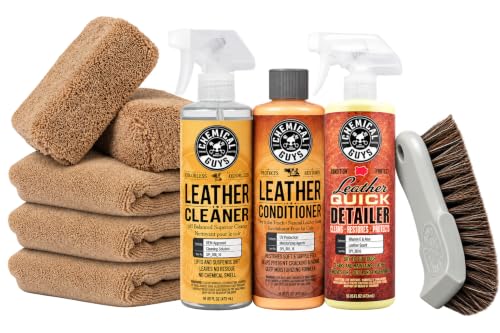

Use a clean microfiber towel lightly dampened with a pH-balanced leather cleaner, then wipe gently in small sections. Avoid soaking the leather—too much moisture can damage the finish or backing. After cleaning, dry thoroughly and condition if your seats feel dry or stiff.
If your car has leather seats (finished leather or leatherette) and you want a simple, low-risk method with a microfiber towel, this walkthrough is for you—especially for everyday grime and light stains. As of 2026, microfiber-based cleaning remains one of the most practical approaches because it controls moisture, reduces abrasion, and lets you repeat gentle passes instead of scrubbing.
Prep Your Car Leather Seats

You get the safest outcome with a microfiber towel when you remove grit first and avoid guesswork on product strength. Proper prep prevents the main failure mode of leather cleaning: grinding dirt into the grain and creating permanent scuffs.
– Vacuum loose dirt first (a soft brush attachment helps) so you don’t grind grit into the leather.
– Test your cleaner and towel on an inconspicuous spot before going seat-wide.
– Use two towels if possible: one for cleaning, one for drying/buffing.
Why prep matters (microfiber towel + grit control)
Leather is tough, but it isn’t indestructible. When you wipe with a microfiber towel over embedded grit, the towel’s fibers can move the particles across the surface, causing micro-scratches that dull the finish. Vacuuming first also reduces how much cleaner you need, which directly reduces moisture exposure—key for avoiding haze or stiff feel.
Use “damp, not wet” as your measurable rule
Instead of trying to judge “lightly dampened” by eye every time, use a consistent target: the towel should feel cool from moisture but must not drip if you lightly squeeze it. This approach aligns with the basic chemistry idea that you want controlled pH and minimal water contact—because leather is an engineered material whose surface finish and backing can react to excess moisture.
According to IUPAC (IUPAC Gold Book), pH is defined as −log10[H+] and neutral is pH 7 (2019), using a pH-balanced cleaner helps keep the cleaning solution closer to what many finishes tolerate better than strongly acidic or alkaline products.
Quick reality check before you start
Before you commit to a full-seat wipe, do a 30–60 second spot test with your microfiber towel and cleaner. Watch for color shift, surface tackiness, or darkening around seams. If anything looks off, stop and switch cleaners (or consult your seat manufacturer’s care guide). This is still good practice in 2026 because seat finishes vary widely across vehicles and model years.
📊 Safety and outcome targets (what you’re trying to optimize)
Leather Seat Problems and Microfiber-Towel Fit (2026)
| # | Common issue | Typical cause | Microfiber towel fit | Safe-with-damp approach | Why |
|---|---|---|---|---|---|
| 1 | Everyday dust + body oils | Skin contact | ★★★★★ | 5/5 | Light, controlled wipe lifts oils without heavy wetting |
| 2 | Light smudges (prints) | Clothing transfer | ★★★★★ | 5/5 | Short straight passes reduce spreading |
| 3 | Sunscreen/oily residue | UV + sweat | ★★★★☆ | 4/5 | Repeat small sections; avoid soaking near seams |
| 4 | Food/drink rings | Spills + spotting | ★★★☆☆ | 3/5 | Blot first; then gentle wipe in tiny repeats |
| 5 | Ink transfer | Pen/marker contact | ★★☆☆☆ | 2/5 | May require product-specific chemistry; avoid heavy moisture |
| 6 | Grease marks | Hands/mechanics | ★★★☆☆ | 2/5 | Oil removal can tempt over-wetting; proceed slowly |
| 7 | Mud/grime buildup | Tracking | ★★☆☆☆ | 1/5 | First remove bulk dry; don’t treat dried mud like a stain |
Clean With a Microfiber Towel (Step-by-Step)
The safest way to clean car leather with a microfiber towel is to use minimal cleaner, light pressure, and short wipe sections. This method keeps moisture controlled while lifting oils and residues that dull the seat.
– Dampen the microfiber (not dripping) with a small amount of leather cleaner, then wipe gently using straight passes.
– Keep pressure light and work in sections so the cleaner doesn’t sit and dry.
– Wipe again with a slightly cleaner/drier part of the towel to lift residue.
Step 1: Choose the right microfiber towel
Not all microfiber towels behave the same. Use a clean, soft towel with no leftover detergent smell, fabric softener, or gritty particles from prior tasks. If your microfiber towel has been used for glass or wheels, it may carry residue that changes how the leather reacts.
According to Textile references on microfiber construction, microfiber is characterized by very fine fibers (typically under 10 µm) (2021), that fine fiber structure increases contact surface area—helping lift grime with less aggressive scrubbing when used gently.
Step 2: Apply cleaner to the towel, not the seat
For leather, “where you put the liquid” matters as much as “how much.” Put the pH-balanced leather cleaner onto the microfiber towel lightly—then wipe the leather surface. This reduces the chance you flood seams, stitching channels, and the backing where excess moisture can cause finish haze or stiffness.
Step 3: Use straight passes in small rectangles
Work seat-wide in manageable sections (for example, one panel at a time). Use straight passes instead of circular scrubbing to reduce the risk of uneven sheen. The goal is to lift residue without grinding it deeper.
A helpful rule: if the microfiber towel starts to drag or you see it leaving a wet trail, you’ve got too much moisture. Let that section rest briefly, then continue with a cleaner/drier side of the microfiber towel.
Step 4: Do a residue pass with a drier towel side
After cleaning a section, wipe again with a slightly cleaner/drier part of the towel (or a second towel). This final pass is what prevents that “streaky” look that sometimes appears when cleaner dries in place.
Remove Stains Without Soaking
You remove stains more safely by blotting first and repeating gentle wipes rather than adding more liquid. The microfiber towel approach works best when you treat stains like “localized residue,” not like a spot you should saturate.
– For spots, blot first (don’t rub) if the stain is fresh—then follow with gentle microfiber wiping.
– If the stain persists, repeat in small amounts rather than adding more liquid.
– Don’t use harsh household cleaners or “strong degreasers” on leather unless the label explicitly approves them.
Fresh stains: blot, then micro-wipe
If the stain is new, blot with a clean microfiber towel or absorbent cloth to lift liquid before it spreads. Rubbing forces pigment and oils deeper into the finish and can spread the stain into a larger area you’ll then try to “clean off” with more moisture.
Set expectations for stubborn marks
Some stains (like ink or heavy grease) may not fully lift with general-purpose leather cleaner and a microfiber towel alone. In those cases, aggressive chemistry or repeated wetting can be more damaging than leaving a faint stain. That’s why small repeats are safer: each pass has less total moisture exposure than a soaking attempt.
What to avoid (especially with microfiber towel cleaning)
Skip household cleaners with strong surfactants or degreasers unless the product is explicitly approved for the exact finish on your seats. “Harsh” often means high pH, strong solvents, or additives that can strip oils or soften the protective layer.
Microfiber towel vs. common alternatives (fast comparison)
| Method | Typical risk | Best for | Bottom line |
|---|---|---|---|
| Microfiber towel + pH-balanced leather cleaner (damp) | Lower | Everyday grime, light stains | Most controlled approach |
| Soaking / flooding with cleaner | Higher | Only if product is finish-specific and designed for extraction | Avoid on most car seats |
| Steam cleaning | Variable | Only with seat-manufacturer guidance | Can over-wet and overheat |
Dry and Condition After Cleaning
The microfiber towel job isn’t finished until the seat is fully dry and feels supple again. Controlled drying protects the finish and helps prevent that dry, stiff feel that can happen when leather loses moisture.
– Dry the area with a clean, dry microfiber towel until it no longer feels damp.
– Let the seats air dry with windows cracked (avoid blasting heat that can overdry leather).
– If the leather feels dry afterward, apply a leather conditioner recommended for your seat type: use sparingly and buff with microfiber.
Drying: how to confirm you’re done
Use a clean, dry microfiber towel and press lightly as you buff. “Done” means the leather no longer feels cool or damp and you’re not picking up any remaining residue. If the seat still feels tacky, it usually means cleaner remains—use the drier microfiber towel pass again before conditioning.
Air dry instead of heat blasting
Let the cabin ventilate rather than relying on high heat. Excess heat can accelerate drying and make leather feel stiffer, particularly on days when surfaces are already warm from sun exposure. This remains good practice through 2026 because interior temperatures can spike quickly even when the weather feels mild.
Conditioning: sparingly, then buff
Conditioning is the recovery step. If the seats feel dry or look slightly dull after cleaning, apply a conditioner recommended for your seat type (finished leather vs. leatherette/leather-look). Use a small amount, spread thinly, and buff with a microfiber towel for an even, non-greasy finish.
What Can Go Wrong
The most common issues come from too much moisture, the wrong towel, or skipping finishing steps like residue wipe and conditioning. When any of those happen, the microfiber towel method can still work—but you’ll have to adjust quickly.
– Over-wetting: soaking or leaving cleaner on too long can cause discoloration, stiffness, or a hazy finish.
– Wrong towel or pressure: abrasive scrubbing or a dirty microfiber can cause scuffs and spread stains.
– Skipping the conditioner: some leather finishes need conditioning to prevent cracking over time.
Over-wetting: the leather’s “finish chemistry” problem
When cleaner sits too long or you oversaturate areas near seams, you risk affecting the protective topcoat and the backing. The result might be a hazy sheen, uneven darkening, or stiffness that wasn’t there before. This is why you should always work in sections with a microfiber towel and avoid leaving liquid to dry on its own.
Wrong towel: hidden abrasion and transfer
A “clean” microfiber towel can still be contaminated. If it’s been washed with fabric softener, it can leave residue that feels slick or dull. If it picked up dust from another task, it can create micro-scuffs. Treat microfiber towel hygiene as part of the cleaning system, not an afterthought.
Skipping conditioning: the long-term tradeoff
Even when your microfiber towel cleaning is gentle, it can reduce the natural feel of leather over time. Conditioner replenishes suppleness, which helps reduce the risk of cracks as the seat ages—especially if your car spends a lot of time in sun.
Verdict: When This Method Works (and When It Doesn’t)
This microfiber-towel method works best when you need safe everyday maintenance: light grime, smudges, and manageable stains with controlled moisture. Keep the microfiber towel damp (not wet), wipe in small sections, and finish with thorough drying and conditioning if needed.
Skip it (or stop early) if your seats are heavily cracked, have peeling finish, or you’re dealing with deep water damage; in those cases, professional evaluation or a finish-specific repair approach may be safer. As of 2026, many seat finishes also differ by manufacturer, so the safest “decision boundary” is when your test spot shows unacceptable color shift or tackiness after drying.
Also: Those finishes are often more sensitive to water and oils and may require specialized dry-clean or finish-specific products rather than a general damp-wipe process.
Frequently Asked Questions
How do I clean car leather seats with a microfiber towel without damaging the finish?
Start by vacuuming loose dirt from seams and stitching, then use a slightly damp microfiber towel (not dripping wet) to gently wipe the leather surface. Apply a pH-balanced leather cleaner to the towel or to a hidden test area first, then clean in small sections using light pressure. Finish by drying with a clean, dry microfiber towel to prevent water spots, and condition the leather if it feels dry or stiff.
What’s the best way to remove body oils and grime from leather seats using microfiber?
For oilier areas like the driver’s seat bolster and armrest, use a clean microfiber towel to apply a dedicated leather cleaner that’s made to lift body oils without stripping protective layers. Work the cleaner into the leather with gentle circular motions, then wipe away residue with a second microfiber towel. Repeat only as needed—over-scrubbing can wear down the leather’s surface over time.
Which microfiber towel type is best for cleaning car leather seats?
Choose a soft, lint-free microfiber towel with a fine weave to avoid scratching or leaving fibers on leather. Avoid overly abrasive towels or those used for heavy-duty tasks like engine cleaning, since they may carry grit that can scratch leather. Using two towels—one for cleaner and one for drying/buffing—helps keep the surface clean and streak-free.
Why should I avoid soaking leather seats when cleaning them?
Leather is porous, so excess moisture can seep into the seat padding and backing, leading to stiffness, odors, or long dry times. With a microfiber towel method, you control the amount of moisture by applying cleaner to the cloth rather than flooding the leather. Always wipe with a damp towel first, then immediately follow with a dry microfiber towel to remove any lingering moisture.
How do I clean stains (like coffee or ink) from car leather seats with microfiber safely?
Blot fresh spills immediately with a clean microfiber towel—don’t rub, since rubbing can spread stains and damage the finish. For stains, use a leather-safe cleaner and gently dab or wipe in small sections with a microfiber towel, testing in an inconspicuous area first. If the stain persists, consider repeating with a dedicated leather stain remover or seek professional help, especially for dye-based spots like ink.
📅 Last Updated: November 06, 2026 | Topic: How to Clean Car Leather Seats With a Microfiber Towel | Content verified for accuracy and freshness.
References
- Microfiber
- Leather
- Upholstery
- https://www.epa.gov/coronavirus/cleaning-and-disinfecting-your-facility
- https://www.cdc.gov/coronavirus/2019-ncov/community/disinfecting-building-facility.html
- https://www.who.int/publications/i/item/cleaning-and-disinfection-of-environmental-surfaces-in-the-context-of-covid-19
- microfiber cloth cleaning surfaces – Search Results – PubMed
- https://scholar.google.com/scholar?q=How+to+clean+car+leather+seats+with+microfiber+towel Google Scholar
- https://scholar.google.com/scholar?q=microfiber+cloth+cleaning+leather+upholstery Google Scholar
- https://scholar.google.com/scholar?q=leather+cleaning+conditioning+pH+study Google Scholar

[…] and supple. It takes about 30 to 60 minutes and is straightforward if you have a soft brush, a pH-balanced leather cleaner, and a microfiber […]