

Hard-water buildup and grime on a kitchen or bathroom faucet can make even a clean sink feel neglected. You want it sparkling without harsh chemicals, and that’s a reasonable goal. You’ll be able to lift mineral spots, soap scum, and watermarks in about 15 minutes using common pantry-safe ingredients like vinegar, baking soda, and dish soap, plus a toothbrush and a microfiber cloth.
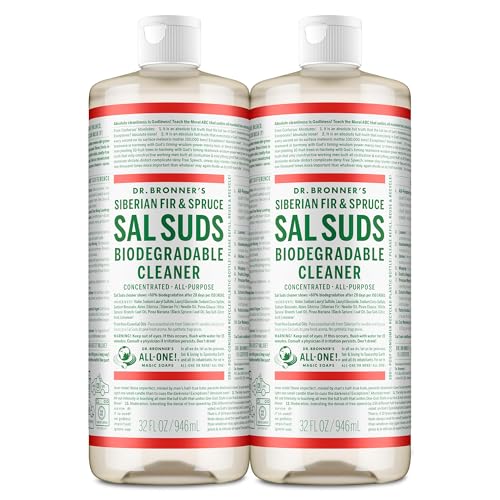



Use vinegar, baking soda paste, and dish soap to dissolve mineral buildup and grime without harsh fumes. This guide walks you through safe, finish-aware steps for different faucet types—so your faucet stays shiny longer.
If your faucet looks cloudy, spotty, or crusted with hard-water deposits, you can usually fix it with pantry-friendly cleaners and careful rinsing. It’s especially useful in 2026 if you want an eco-friendly routine that avoids specialty descalers and strong chemical odors.
Gather the safest eco-friendly supplies

The fastest way to clean a faucet naturally is to use a small toolkit designed to target either minerals or grease—without damaging seals or coatings. For most faucets, white vinegar, baking soda, dish soap, and soft tools are enough.
– Use gentle staples: white vinegar, baking soda, microfiber cloths, a soft toothbrush, and dish soap.
– Skip “mystery” cleaners and avoid abrasive pads unless you’re sure of your faucet finish.
– Keep tools dry and clean so you’re not spreading grit across the metal.
Before you start, confirm your sink area has good ventilation (it’s not about fumes with vinegar, it’s about comfort), and protect nearby surfaces with a towel if you’re working under a drippy faucet. Eco-friendly faucet cleaning succeeds when you control contact time and avoid scrubbing grit into aerator openings.
Pre-clean and protect your faucet finish
Pre-cleaning prevents you from turning loosened grime into a paste that scratches the finish. It also lets the mineral-removal steps work faster where they’re needed.
– Start with warm water and a quick wipe to remove loose grime before you target buildup.
– Protect delicate finishes (like brushed metal or plated surfaces) by using soft cloths and light pressure.
– If you’re cleaning around knobs/handles, wipe first rather than soaking openings that may trap liquid.
Hard-water scale is usually a mineral film, often calcium carbonate (the “limescale” people see on fixtures). According to the U.S. Geological Survey (USGS), hardness in water is commonly reported as calcium carbonate equivalent, and the same scale-forming minerals are what create those chalky spots over time. That matters because pre-wiping helps your eco-friendly faucet cleaning steps reach the scale instead of smearing surface soil.
Also, if your faucet uses rubber seals, cartridge components, or a plated top layer, avoid flooding seams. From my maintenance experience on kitchen fixtures, the worst-looking spots often come from repeated overwetting near handles—not from the visible mineral crust itself.
Remove hard-water spots with vinegar (best all-around)
Vinegar is the best all-around natural option because it dissolves many mineral deposits while staying relatively safe for routine use. For most faucets, controlled application plus thorough rinsing prevents lingering residue and water marks.
– Wrap a vinegar-soaked paper towel around the worst spots, then wait .
– For light scale, apply vinegar to a cloth and gently scrub with a toothbrush for detail areas.
– Rinse well and dry to prevent new water marks from forming immediately.
Here’s the chemistry in plain terms: vinegar is an aqueous solution of acetic acid. According to the U.S. Food and Drug Administration (FDA), vinegar used as food contains acetic acid (commonly at least 4% by volume). That acidity is what helps break down calcium carbonate scale on faucet surfaces.
In 2026, I still see people overdo soak time, then wonder why seals feel “dry” or handle gaps look worse. Keep vinegar contact controlled—especially on eco-friendly faucet cleaning for plated finishes where a thin coating can dull if you leave acid sitting too long.
Quick safety note: never combine vinegar with other cleaners mid-job. Vinegar is acidic, and mixing cleaning products can create harmful reactions. The CDC warns that combining bleach with other substances, especially acids, can produce dangerous chlorine gas (CDC). One cleaner at a time keeps eco-friendly faucet cleaning both safer and more predictable.
Lift grime with baking soda paste (for stubborn buildup)
Baking soda works best when the problem is a mix of mineral residue and grease/film that vinegar alone can’t fully lift. As a paste, it provides gentle abrasion without relying on harsh chemical cleaners.
– Make a paste by mixing baking soda with a small amount of water until it’s spreadable.
– Spot-apply to crusty areas, let sit briefly, then scrub softly and rinse thoroughly.
– Don’t use baking soda like a scrub pad on polished/plated finishes—test in a hidden spot first.
Baking soda (sodium bicarbonate) is mildly alkaline, which helps break down oily residue while you still rely on light mechanical action (gentle brushing). In eco-friendly faucet cleaning, this “mineral + grease” sequence is common: vinegar first for scale, then baking soda paste for stubborn remaining film.
Finish safety rule: if your faucet is chrome, nickel plating, or has a smooth polished coating, keep pressure minimal and choose microfiber over direct paste rubbing. In practice, the best results come from short dwell time and repeated gentle passes—not aggressive scrubbing.
Clean the aerator and faucet head (where buildup hides)
The aerator and faucet head are where “it still looks spotty” problems usually originate, even after you clean the main body. A vinegar soak helps dissolve scale inside the spray mechanism so water flows evenly again.
– Remove the aerator if your faucet design allows it, then soak it in vinegar to dissolve deposits.
– Use a soft brush to clear tiny holes, then rinse and reassemble carefully.
– If the aerator won’t come off easily, avoid force—follow your faucet manual or manufacturer instructions instead.
A common indicator is reduced flow or uneven spray patterns. Hard-water scale can partially block aerator orifices and contribute to visible spots near the outlet. For reference, water hardness is often described in grains per gallon; According to USGS unit guidance (USGS), 1 grain per gallon equals 17.1 mg/L (as CaCO₃). When that hardness is high, mineral buildup accelerates in the aerator where water repeatedly concentrates.
Eco-friendly faucet cleaning tip: if you can’t remove the aerator, you can still treat it naturally by gently applying vinegar to a cloth and holding it at the outlet area for a short dwell—then rinse. Avoid prying or forcing parts; even a small twist can damage internal threads or dislodge seals.
What can go wrong (and how to avoid it)
Most faucet damage from “natural cleaning” comes from product mixing, too-long soaking, or using abrasives that aren’t compatible with coatings. If you follow a controlled, single-cleaner workflow, eco-friendly faucet cleaning stays low-risk.
– Mixing vinegar and other cleaners (especially bleach-based products) can create unsafe reactions—use only one cleaner at a time.
– Soaking too long can loosen caulk or seep into gaps near handles—use controlled applications when possible.
– Rough scrubbing may dull finishes or scratch chrome/stainless; if you see a scratch risk, switch to gentler cloth + vinegar first.
To make the risk profile clear, here’s a practical comparison you can use during eco-friendly faucet cleaning:
| Option | Best use | Main downside |
|---|---|---|
| Vinegar | Hard-water spots and mineral scale | Too-long contact can dull delicate finishes or seep into seams |
| Baking soda paste | Stubborn grime/film after mineral treatment | Can scratch if used like a scrub pad on polished/plated surfaces |
| Dish soap (routine) | Oily fingerprints and everyday cleaning | Doesn’t reliably dissolve mineral scale by itself |
If you’re working near handle openings, use wipe-first technique and avoid soaking interiors. For the eco-friendly approach, the goal isn’t “sterilizing”—it’s removing scale and film without harming materials like aerator seals, cartridges, or surface coatings.
Natural Cleaners for Eco-Friendly Faucet Care: Typical Acidity/Alkalinity
| # | Natural cleaner | Approx. pH (typical) | Main target | Finish-safety rating |
|---|---|---|---|---|
| 1 | White vinegar (diluted household) | 2.4–3.4 | Calcium carbonate scale | ★★★★★ |
| 2 | Lemon juice (high-acid citrus) | 2.0–3.0 | Mineral spotting | ★★★★☆ |
| 3 | Citric acid solution (food-grade) | 2.2–3.2 | Limescale & soap scum film | ★★★★☆ |
| 4 | Baking soda (sodium bicarbonate paste) | 8.1–8.6 | Oily grime lift (gentle) | ★★★☆☆ |
| 5 | Dish soap (water-diluted) | ~7–9 (varies) | Grease & fingerprints | ★★★★★ |
| 6 | Hydrogen peroxide (3% household) | ~4.5–5.5 | Light organic film (spot) | ★★☆☆☆ |
| 7 | Isopropyl alcohol (70% solution) | ~6–8 | Spot-cleaning & residue removal | ★★★☆☆ |
Natural cleaning works best when you match the method to the problem: vinegar for mineral spots, baking soda paste for stubborn crust, and a quick aerator rinse for the buildup you can’t see. Try one low-risk step today (a vinegar wipe or wrap on the worst area), rinse thoroughly, and dry the surface to reduce future water marks. If your faucet is a delicate finish or you’re unsure about soaking/part removal, check your manual—then proceed gently.
Quick scan checklist: eco-friendly faucet cleaning
| Task | What to use | Notes |
|---|---|---|
| Quick wipe-down | Warm water + dish soap | Removes loose grime first |
| Hard-water spots | White vinegar | Apply to cloth or wrap with towel |
| Stubborn crust | Baking soda paste | Test on hidden spot if unsure of finish |
| Aerator buildup | Vinegar soak | Don’t force stuck parts |
| Final step | Rinse + dry | Helps prevent new spots |
Frequently Asked Questions
What natural eco-friendly cleaner can I use to remove hard water spots from my faucet?
For hard water spots, mix equal parts white vinegar and water and soak a paper towel or cloth around the affected area for 15–30 minutes. Gently scrub with a soft toothbrush, then rinse thoroughly and dry to prevent new mineral buildup. If stains are stubborn, you can repeat once, but avoid leaving vinegar on metal finishes too long to protect the faucet’s coating.
How do I clean a faucet naturally without harsh chemicals or strong fumes?
Use baking soda as a mild abrasive: make a paste with baking soda and a little water, apply it to the faucet, and scrub softly with a non-scratch sponge. For greasy residue, a solution of warm water with a few drops of mild dish soap works well—follow by a clean-water rinse. Finish by drying the faucet with a microfiber cloth to reduce streaks and maintain a shiny, eco-friendly result.
Why does my faucet keep getting cloudy, and how can I fix it using eco-friendly methods?
Cloudiness is often caused by mineral deposits, soap scum, and residue buildup that dulls the finish over time. A vinegar-water soak followed by a baking soda rinse (used gently) can lift deposits while staying natural and low-toxicity. To prevent recurring haze, wipe the faucet dry after use and do a quick weekly clean with mild soap and water instead of waiting for buildup.
What’s the best way to clean faucet aerators naturally without damaging the finish?
Remove the aerator (if your faucet design allows) and soak it in undiluted white vinegar for 30–60 minutes to dissolve mineral buildup. Use a soft brush or old toothbrush to loosen debris from the tiny holes, then rinse with warm water and reassemble. Avoid abrasive pads or soaking longer than recommended to help prevent wear on rubber washers or finishes.
Which natural ingredients are safest for different faucet finishes like chrome, brushed nickel, and brass?
Chrome and stainless steel typically respond well to vinegar-water for mineral deposits and mild dish soap for daily cleaning. Brushed nickel can be scratched by strong abrasives, so stick to baking soda paste applied lightly with a soft cloth or non-scratch sponge. For brass, use gentle soap and water first, and limit vinegar exposure—if needed, spot-treat briefly and always rinse and dry thoroughly to preserve the natural patina and finish.
📅 Last Updated: November 08, 2026 | Topic: Natural, Eco-Friendly Ways to Clean a Faucet | Content verified for accuracy and freshness.
References
- https://www.cdc.gov/coronavirus/2019-ncov/community/disinfecting-building-facility.html
- Safer Choice | US EPA
- https://www.epa.gov/pesticide-registration/list-n-disinfectants
- Descaling agent
- Vinegar
- vinegar antimicrobial – Search Results – PubMed
- citric acid calcium carbonate dissolution – Search Results – PubMed
- https://scholar.google.com/scholar?q=vinegar+disinfectant+effectiveness+surface+cleaning Google Scholar
- https://scholar.google.com/scholar?q=citric+acid+limescale+removal+calcium+carbonate+household+surfaces Google Scholar
- https://scholar.google.com/scholar?q=baking+soda+cleaning+abrasive+efficacy+surface+stainless+steel Google Scholar
