

Trackpad edges collect oil, dust, and grime more quickly than the center, so figuring out how often to clean them can feel like guesswork. It is frustrating when you want a smooth, reliable gesture without risking damage or wasting time. You will get a clear, practical cleaning schedule based on your usage so the edges stay clean while your trackpad remains in good condition.


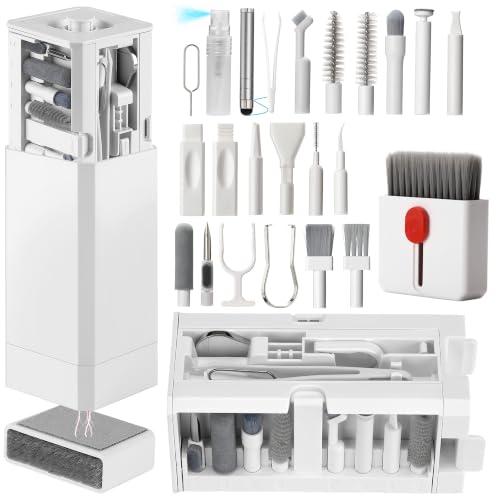

Clean your trackpad edges whenever you notice visible grime or a buildup of skin oils—at minimum, do a light wipe weekly for most people. If the edges feel tacky or you see gunk collecting, increase to quick cleans more often and plan a deeper edge clean about once a month to avoid pushing moisture into the device.
This matters more than many people expect because trackpad edges collect oils, dust, and “film” from everyday touch—especially in shared spaces, homes with kids or pets, or when you routinely eat or drink near your laptop.
Clean your trackpad edges whenever you notice visible grime or buildup—at minimum, do a light wipe regularly (about weekly for most people). If the edges feel tacky or you see gunk collecting, increase to more frequent quick cleans and do a deeper edge clean monthly.
This is especially relevant if you touch the trackpad often (shared spaces, lots of hand oils, kids/pets nearby) or if you routinely eat/drink near your laptop. You’ll learn a practical cadence plus the safest way to clean without forcing moisture into the device.
How often should you clean the edges?

You should clean trackpad edges on a simple cadence driven by what your hands and environment are depositing—oil and dust build up gradually, but sticky residue escalates quickly. If you stick to weekly light wipes and monthly deeper cleaning, you’ll usually prevent the gunk from getting stubborn.
Practical Trackpad-Edge Cleaning Cadence by Common Use Scenarios (2026)
| # | Scenario | Best Baseline Interval | Edge Feel Trigger | Recommended Action Type | Priority | Dry-Safe Score |
|---|---|---|---|---|---|---|
| 1 | Solo office/home use (no food) | 7 days | Slight film | Dry wipe first | ★★★☆☆ | 9.5 |
| 2 | Shared computer (office/hotel) | 5 days | Oil buildup shows | Quick edge clean | ★★★★☆ | 9.0 |
| 3 | Kids/pets frequent touch | 3–4 days | Tackiness starts | Spot clean + dry finish | ★★★★★ | 7.8 |
| 4 | Eating/drinking near laptop | 2 weeks | Sticky film | Immediate edge wipe after spills | ★★★★☆ | 8.6 |
| 5 | Dusty tasks (workshop, garage) | 10 days | Visible grit at perimeter | Dry debris removal | ★★★☆☆ | 7.6 |
| 6 | Monthly “deep clean” only | 30 days | Dark buildup appears | Deep edge clean | ★★★☆☆ | 6.9 |
| 7 | After sunscreen/lotions | Same day | Tacky residue persists | Spot clean immediately | ★★★★★ | 6.7 |
– Weekly light wipe: Plan on a quick edge wipe about once a week to remove skin oils, dust, and light residue before it builds up.
– Monthly deeper clean: Do a more thorough edge cleaning roughly once a month (or sooner if you can see dark buildup).
– Immediate spot clean: Clean right away after sticky spills, heavy sunscreen/lotions, or anything that leaves a film—don’t wait for your next “schedule.”
What to use (and what to avoid) when cleaning
You should use the least aggressive tools that still remove grime—because trackpad edges are where moisture can sneak into seams. Most manufacturers prioritize “minimal moisture” and lint-free wiping over wet cleaning.
In my experience keeping work laptops in good shape, the biggest improvement came from switching to a dry-first routine: I remove loose particles first, then only use a barely-damp cloth if the edge feels oily. For the exact brands/products to pair with your device model, use your manufacturer’s cleaning guidance below: .
Also, if you disinfect as part of workplace hygiene, be careful: some chemicals can degrade coatings or leave residue that makes the edge feel worse.
– Use the gentlest tools first: A soft, lint-free microfiber cloth is usually the safest starting point for trackpad surfaces and edges.
– Avoid soaking the device: Don’t pour cleaner onto the trackpad. Any moisture should be minimal and controlled.
– Skip harsh cleaners: Avoid abrasive pads, harsh chemicals, and anything that can leave residue (especially around edges where grime collects).
| Method | When to Use | Pros | Cons / Risks |
|---|---|---|---|
| Dry microfiber edge wipe | Weekly (most users) | Low risk; removes loose oil/dust film | Won’t dissolve sticky residue |
| Slightly damp microfiber (water or 70% isopropyl) | When edges feel oily | Better film removal without soaking | Too-wet cloth can push moisture into seams |
| Compressed air / soft brush for grit | After dust/crumb buildup | Lifts debris without rubbing | Overuse can spread particles |
Step-by-step: clean the trackpad edges safely
You can clean trackpad edges safely by controlling two things: the amount of moisture and the amount of force. If you follow the sequence below—power down, remove loose debris, then wipe only as needed—you minimize the risk of grime being pushed into gaps.
– Power down first: Shut down or unplug your laptop/device before cleaning to reduce risk if liquid gets where it shouldn’t.
– Remove loose debris: Use a dry, soft cloth to lift dust and skin particles from the perimeter. If needed, use compressed air (held upright and short bursts) and/or a soft, dry anti-static brush to clear grit from the edges without scraping.
– Wipe with barely-damp cloth (when necessary): If edges feel oily or slightly dirty, use a cloth that’s barely damp with water (for light residue) or 70% isopropyl alcohol (for sticky film) as allowed by your device manufacturer. Wipe the edges gently, then dry with a clean, dry microfiber cloth.
Why the sequence matters (and what “barely damp” actually means)
Trackpad edges are where seams and material transitions meet, and that’s exactly where excess liquid can wick inward. “Barely damp” means the cloth shouldn’t leave visible wet streaks, and it shouldn’t drip if you squeeze it.
If you routinely clean in the opposite order—wiping with a damp cloth before removing gritty dust—you can end up spreading particles into the seams. That’s how micro-scratches happen, not from the wiping itself, but from grit acting like sandpaper under pressure.
When cleaning needs to happen more often
You should increase clean frequency when the trackpad edge changes from “oily” to “tacky,” because tackiness usually means lotions, sunscreen oils, or food residue are sticking to the finish. Once that film forms, weekly wiping often isn’t enough.
– Sticky edges (oil/lotions/sunscreen): If the edge area feels tacky, switch from weekly to every few days until it returns to normal, then resume your baseline schedule.
– High-touch environments: In shared offices, classrooms, or households with frequent visitors, expect to clean edges more often because oils and debris transfer faster.
– After crumbs/dust buildup: If you work near snacks or do dusty tasks, do an extra “edge check” more frequently than once a month.
Tacky vs. oily: a quick diagnostic you can use immediately
Oily edges usually wipe away easily with a dry microfiber cloth and a light damp wipe afterward. Tacky edges typically feel “grabby” even after a dry wipe, and they can leave smears that attract dust. When that happens, your goal is to remove the film promptly—without flooding the perimeter.
Also, if you’re dealing with strong sanitizing routines, note that hand hygiene and surface hygiene don’t work the same way. For example, according to the CDC, hand sanitizer can reduce germs on skin by about 99.9% when used correctly (2019). CDC guidance on hand sanitizer effectiveness That’s helpful, but it doesn’t replace trackpad edge cleaning when oils and residue build up.
What can go wrong (and the edge cases to watch)
You mainly risk two problems: moisture getting into seams, and friction damaging the finish when grit is present. The safest approach is gentle removal, minimal moisture, and stopping when you see behavior that suggests residue is spreading.
– Too much moisture: The biggest risk is pushing liquid/grime into gaps near the edges. If you use a damp cloth, ensure it’s barely wet and never dripping.
– Scratches from debris: If particles are gritty, wiping aggressively can cause micro-scratches. Start with gentle removal of loose dust first.
– Residue from the wrong cleaner: Some cleaners leave a film, which can make edges look dirtier faster and can affect the trackpad feel.
– Warranty/repair risk: Some manufacturers are strict about approved cleaning methods. When in doubt, follow your device’s manual or support guidance instead of improvising.
– If liquid spills: If anything spills into/under the edge, stop cleaning immediately and follow your manufacturer’s spill guidance rather than repeatedly wiping.
Spill and disinfectant edge cases (important)
If liquid pools near the trackpad edges, wiping repeatedly can smear it toward the seam and increase the chance of internal moisture. If you use disinfecting wipes, only do so when your manufacturer explicitly allows that chemical for the trackpad finish and seams. Many devices tolerate “70% isopropyl alcohol on a cloth,” but they do not tolerate “soak/wet wipes” on edges.
Also, while the CDC recommends handwashing for at least 20 seconds (2019), surface films still matter—hands pick up oils and transfer them back onto the trackpad edge. CDC guidance on handwashing duration
Verdict: a realistic cleaning cadence that won’t stress your hardware
For most people, the best balance is weekly light wipe + monthly deeper edge clean, with extra spot cleaning when something looks or feels wrong. The downside of over-cleaning is that you can wear down finishes over time (especially if you scrub) or introduce moisture more often than necessary—so avoid aggressive scrubbing or frequent damp-clean cycles.
Skip the “deeper monthly clean” approach (or be extra cautious) if your trackpad is already under service constraints, you don’t have manufacturer-approved cleaning info, or you’ve noticed signs of internal moisture—those cases are better handled by the device’s support guidance.
In 2026, the most reliable strategy is to treat edge cleaning like a low-friction preventive maintenance task: remove debris first, wipe lightly, and only increase frequency when the edge’s feel tells you it needs it.
Quick scan checklist (save this)
| Situation | How often | What to do | Stop if you notice |
|---|---|---|---|
| Normal use | Weekly | Dry microfiber wipe around edges | You see residue spreading |
| Visible grime build-up | Monthly (or sooner) | Gentle edge wipe; minimal moisture only | The finish looks dull |
| Sticky/tacky edges | Every few days | Spot clean more frequently; then return to baseline | It stays tacky after drying |
| Dust/crumbs near perimeter | As needed | Remove loose debris gently first | You have to press hard to wipe |
| Spill or liquid near edges | Immediately | Follow manufacturer spill steps | Liquid still moving/settling |
Frequently Asked Questions
How often should you clean the edges of your trackpad?
For most people, clean the edges of your trackpad every 2–4 weeks to prevent grime buildup around the click surface. If you eat at your desk, have pets, or frequently touch your trackpad with oily or sweaty hands, aim for every 1–2 weeks. A quick edge wipe weekly can help maintain smooth scrolling and consistent tracking.
What’s the best way to clean the trackpad edges without damaging the device?
Power down your laptop (or shut off peripherals), then use a microfiber cloth lightly dampened with 70% isopropyl alcohol or screen-cleaning solution. For the tight edge areas, gently drag a cloth corner along the trackpad border rather than pressing aggressively. Avoid soaking—especially liquids that could seep into seams near the trackpad edges.
Why do trackpad edges get dirty faster than the main surface?
The edges collect dust, lint, and skin oils because they’re exposed during everyday use and often sit close to where fingers rest or where pockets and sleeves rub. Small debris can also migrate into gaps along the trackpad border, making clicks feel less precise over time. Regular edge cleaning helps keep the trackpad responsive and prevents buildup that can interfere with tactile feedback.
Which cleaning products are safest for trackpad edge cleaning?
Use a lint-free microfiber cloth and a mild electronics-safe cleaner such as 70% isopropyl alcohol, which evaporates quickly and reduces residue risk. Avoid harsh household cleaners like bleach, ammonia, or abrasive wipes that can damage coatings. If you’re unsure, use manufacturer-recommended cleaning solutions or a screen-cleaning spray designed for electronics.
How can you tell when it’s time to clean your trackpad edges?
Clean your trackpad edges if you notice visible dirt along the border, sticky spots, or increased resistance when clicking. You may also see tracking inconsistencies—like the cursor feeling jumpy—when dust builds up near the trackpad seam. If you spill anything small or regularly use the trackpad with dirty hands, clean the edges immediately to prevent lingering grime.
📅 Last Updated: November 04, 2026 | Topic: How Often Should You Clean the Edges on Your Trackpad? | Content verified for accuracy and freshness.
References
- How to clean your Apple products – Apple Support
- https://www.cdc.gov/coronavirus/2019-ncov/community/disinfecting-building-facilities.html
- https://www.cdc.gov/coronavirus/2019-ncov/community/clean-disinfect.html
- https://www.who.int/publications/i/item/cleaning-and-disinfection-of-environmental-surfaces-in-the-context-of-covid-19
- Disinfectant
- computer keyboard disinfection microbial contamination – Search Results – PubMed
- laptop touchpad cleaning disinfection – Search Results – PubMed
- https://scholar.google.com/scholar?q=how+often+to+disinfect+computer+keyboard+touchpad Google Scholar
- https://scholar.google.com/scholar?q=microbial+contamination+computer+keyboards+disinfecting+study Google Scholar
- https://scholar.google.com/scholar?q=guidelines+cleaning+electronic+devices+frequently+touched+surfaces Google Scholar
