

Green corrosion on a faucet is usually a sign of copper oxidation from moisture and mineral deposits that creep into tiny seams and around the aerator—something many people try to scrub away without addressing the cause. You can stop it from spreading and restore a clean, shine-ready surface with the right cleaning method, typically in about 15–30 minutes. All you need is a safe descaling/corrosion remover, a soft cloth or non-scratch pad, and basic rinse-and-dry steps to prevent it from returning.



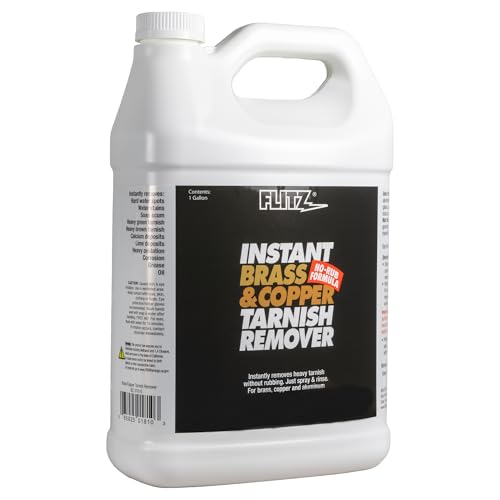
Green corrosion on a faucet is usually verdigris—a green-blue patina that forms when copper (or copper-alloy parts) reacts with moisture and air. It can build up faster with hard water mineral deposits, soap scum, or left-behind cleaner films. In most cases, you can remove it with an acid-based cleaner (like vinegar or citric acid), gentle scrubbing, then thorough rinsing and drying to stop the cycle.
This is for you if you’ve noticed a green tint around the spout, aerator, handles, or seams, and you want to stop it from returning. It’s especially relevant when the faucet looks intact but the discoloration keeps coming back after routine cleaning.
What Causes Green Corrosion on a Faucet?

Green corrosion returns because the conditions that create verdigris keep repeating—water exposure, oxygen, and enough chemical “interaction” at the surface. Often, the faucet isn’t failing structurally; instead, the surface chemistry is changing faster than you can clean it.
Why verdigris shows up where it does
Green corrosion is most likely verdigris, which is commonly associated with copper chemistry and patina formation. Even if your faucet is “chrome” or “stainless,” many faucets still include copper or copper-alloy components somewhere inside (especially at the aerator, cartridges, supply fittings, and certain seals). Where water lingers—like around seams, the aerator rim, or handle bases—you get repeated exposure that accelerates discoloration.
Key contributing factors
– Verdigris from copper exposure: Many faucets include copper or copper-alloy components that can oxidize/chemically react over time, especially where water stays.
– Moisture + minerals speed it up: Hard water minerals, soap scum, and small leaks can create the conditions that make green buildup appear sooner.
– Finish and residue effects: Certain cleaners can leave residues or change the surface chemistry, making discoloration more likely around joints and textured areas.
How hard water and residue make verdigris harder to control
When your water is hard (often measured and reported in mg/L as CaCO₃—milligrams per liter of calcium carbonate equivalent), mineral scale creates a rougher surface. That roughness traps moisture and residue, giving verdigris a better “landing zone” to form repeatedly. Soap scum (fatty acids and surfactant residues) can also hold water longer at the faucet’s micro-spots—again increasing exposure time.
As of 2026, many cleaning routines still rely on quick wipe-downs. That often removes visible spots but not the thin film left in seams and around the aerator, which is where green corrosion tends to reappear.
How to Clean Green Corrosion on a Faucet (Safely)
Green corrosion is easiest to remove when you treat it as a chemistry problem, not a scrubbing problem. Use an acid-based cleaner to dissolve the verdigris, then rinse and dry to remove the moisture-driven cause.
A safe, controlled cleaning sequence
Green corrosion removal works best when you avoid grinding residue into the faucet finish. Think in steps: loosen → dissolve → lift → rinse → prevent.
– Start with a gentle remove-and-rinse step: Wipe away loose debris first, then rinse the area so you’re not grinding residue into the finish.
– Use an acid-based approach for verdigris: Apply vinegar or a citric-acid solution, allow it to dwell briefly, then gently scrub with a soft cloth or non-scratch pad.
– Rinse well and dry: After the green lifts, rinse thoroughly and dry the faucet to reduce the moisture that triggers new buildup.
What “acid-based” means (and why it works)
Verdigris is strongly associated with copper compounds—the green-blue patina forms through reactions involving copper, oxygen, and moisture. Acids help by shifting the chemistry and breaking down the compounds that create that color. That’s why vinegar (acetic acid) and citric acid (a mild organic acid) are commonly recommended for routine verdigris removal.
According to the U.S. Food and Drug Administration, vinegar is defined as containing at least ~4% acetic acid by volume under its regulatory definition (U.S. FDA, 21 CFR vinegar definition). In practice, many store-bought white vinegars are in the ~5% range, which is strong enough for surface patina without being as aggressive as stronger mineral acids.
What to do if the green is on the aerator
Green corrosion often concentrates on the aerator because water aerates there and minerals deposit quickly. If the green is clustered at the aerator face, consider removing the aerator (if your model allows) and soaking it briefly in a diluted citric-acid or vinegar solution. Then gently brush the mesh or diffuser surfaces—avoid over-flexing plastic parts.
Acid choice: vinegar vs citric acid
Both acids work, but the “best” option depends on your faucet finish and how thick the buildup is. Citric acid is often slightly more “cleaning-forward” for mineral scale, while vinegar is a practical, widely available option for lighter verdigris.
Acid Strength You’ll Commonly Use to Lift Verdigris (Typical Household / Food-Grade)
| # | Acid-based cleaner (common use) | Main acid | Typical concentration (sold) | Practical lift score |
|---|---|---|---|---|
| 1 | White vinegar | Acetic acid | ~4%–8% acetic acid | 8/10 |
| 2 | Food-grade citric acid | Citric acid | ~99% purity (typical) | 9/10 |
| 3 | Lemon juice (household) | Citric acid + minor acids | ~4%–6% citric acid (varies) | 7/10 |
| 4 | Concentrated phosphoric acid (rust removers) | Phosphoric acid | ~30%–85% (product-dependent) | 3/10 |
| 5 | Diluted citric acid “descaler” mix | Citric acid | Typically ~5%–20% prepared solution | 8/10 |
| 6 | Commercial acidic descaling cleaner | Often citric or lactic acid | Varies by label (commonly low-teens %) | 7/10 |
| 7 | A mild “acid gel” cleaner | Usually lactic/citric blends | Label-dependent (often ~3%–10%) | 6/10 |
Notes: “Practical lift score” reflects typical household suitability for verdigris removal, balancing effectiveness and finish safety. Always follow your faucet manufacturer’s compatibility guidance for cleaners.
Prevent Green Corrosion From Coming Back
Green corrosion returns when moisture keeps contacting the same micro-areas and when scale/soap residue leaves a persistent film. Prevention works best when you reduce standing water, manage mineral buildup, and clean on a schedule that matches your water.
– Reduce standing water: Dry the faucet after use (or at least after noticing splashes) and focus on seams, around handles, and near the spout.
– Keep mineral buildup under control: Use a consistent cleaning routine that targets hard-water deposits instead of waiting until the green layer thickens.
– Be careful with harsh or abrasive habits: Avoid aggressive scrubbing or strong cleaners that can damage finishes or leave reactive residue behind.
A simple prevention routine that targets re-growth
For most homes, a two-tier routine prevents reappearance without turning cleaning into a chore:
1. Daily/after-use: Quick dry of the spout and visible wet areas. This interrupts verdigris formation by reducing time-to-dry.
2. Weekly/biweekly: A mild acid cycle for early discoloration, followed by rinsing and drying.
Green corrosion is also influenced by leak behavior. Even a tiny seep at a handle base can keep the seam damp enough for verdigris to form repeatedly.
Comparison: what prevention method does best
Below is a practical way to choose your approach based on what’s causing green corrosion on your faucet.
| Prevention strategy | Best for | Pros | Watch-outs |
|---|---|---|---|
| Drying seams after use | Visible green near handles/aerator | Reduces moisture contact time (a core driver of verdigris) | Needs consistency; won’t fix mineral-scale already embedded |
| Scheduled descaling | Hard-water film + early discoloration | Prevents the rough, mineral “trap” that holds moisture | Too-frequent aggressive acids may dull some finishes |
| Gentle tools only | Chrome/plated finishes and textured surfaces | Maintains surface smoothness, making future buildup easier to wipe | Not enough alone if mineral scale is already significant |
| Leak inspection | Green growth that “always comes back” | Stops the underlying moisture driver, not just the symptom | May require cartridge/aerator service or replacement parts |
Why underlying chemistry matters (copper and water)
Green corrosion is a copper-contact phenomenon, so it’s worth understanding that copper in water is a tracked parameter. According to the World Health Organization (WHO), the guideline value for copper in drinking-water is 2.0 mg/L (2017) (WHO, Guidelines for Drinking-water Quality, 2017). Your faucet isn’t necessarily “leaching copper” in a drinking-water sense during cleaning—but the presence of copper chemistry reinforces why moisture-driven verdigris is so persistent.
What Can Go Wrong (Common Mistakes & Edge Cases)
Green corrosion cleaning is usually straightforward, but a few mistakes can worsen the appearance or damage the faucet finish. If you skip the safety checks, verdigris can come back faster because the surface gets more vulnerable.
– Using acids on delicate finishes: Some faucet finishes (certain plated surfaces) can dull or discolor when exposed to acidic cleaners—test in a hidden spot first.
– Scrubbing too hard: Abrasive tools can scratch the surface, making it easier for corrosion and grime to cling.
– Not addressing the underlying cause: If you have a recurring leak (even a tiny one), cleaning alone may only give short-term results; the green may return.
Edge case: green appears after you cleaned (residue issues)
If green corrosion shows up sooner after certain cleaners, you may be dealing with residue chemistry—for example, cleaners that leave a film or hard-to-rinse polymers. That film holds onto moisture in seams and textured areas, which then accelerates verdigris formation.
If you suspect this, switch to a simpler routine: rinse first, use a controlled acid treatment (vinegar/citric), rinse thoroughly, then dry. As of 2026, that “acid + rinse + dry” approach remains consistent with how most care instructions for metal fixtures are written.
Edge case: recurring green with a damp handle seam
A persistent leak at the handle base or supply line can keep one area wet enough for verdigris to regenerate weekly. The cleaning might look successful while the true driver remains. In that situation, the most effective fix is often servicing the aerator or cartridge—or, if needed, replacing a component.
Verdict: What We Recommend (And When to Skip DIY)
Green corrosion is usually solvable with gentle, acid-based cleaning, thorough rinsing, and better drying habits to reduce the moisture that feeds verdigris. If the green is deeply embedded, spreading underneath fittings, or appears alongside signs of persistent leakage, you may be better off replacing the affected part (like the aerator) or having a plumber assess the faucet.
Skip DIY (or be extra cautious) if your faucet has a delicate or unknown finish and you can’t safely test a cleaner in an inconspicuous area. Also consider professional help if the discoloration is accompanied by repeated dripping or if you suspect internal valve/cartidge degradation.
Quick Checklist: Clean & Prevent Green Corrosion
| Step | What to do | Why it helps |
|---|---|---|
| 1 | Rinse and wipe off loose grime | Prevents scratching and spreading residue |
| 2 | Apply vinegar or citric-acid solution | Breaks down verdigris buildup |
| 3 | Gently scrub with a soft/non-scratch tool | Lifts corrosion without damaging finish |
| 4 | Rinse thoroughly | Removes leftover cleaner/minerals |
| 5 | Dry the faucet after cleaning/use | Reduces moisture-driven reappearance |
| 6 | Check for tiny leaks | Stops the cause, not just the symptom |
Frequently Asked Questions
What causes green corrosion on a faucet?
Green corrosion on a faucet is most often caused by copper corrosion, where moisture and oxygen react with copper or copper-plated surfaces to form copper salts that look green or bluish. Hard water minerals, exposure to humid air, and leaks that constantly wet the fixture can accelerate the buildup. If your faucet is older or has a worn protective coating, the underlying metal is more likely to corrode and stain.
How do I clean green corrosion from a faucet without damaging the finish?
Start by wiping off loose debris, then apply a gentle acidic cleaner such as white vinegar or a commercial lime-and-rust remover to the green spots using a cloth. Let it sit for a few minutes, scrub softly with a non-scratch pad or toothbrush, and rinse thoroughly with water. Dry the faucet completely afterward to prevent green corrosion from returning, especially around the aerator and handles.
Why does green corrosion keep coming back after I clean my faucet?
Recurring green corrosion usually means the moisture source is still present—such as a slow leak, condensation, or hard water continually splashing onto the faucet. If the faucet’s protective finish has been compromised, the metal will corrode faster and the green staining will return. Check and replace worn cartridges, seals, or supply lines, and consider a water filter or routine cleaning to reduce mineral buildup.
What’s the best way to remove green buildup from the faucet aerator?
Remove the aerator and soak it in white vinegar or a descaling solution for 30–60 minutes, then gently scrub any remaining residue with a soft brush. Rinse well and reassemble, making sure the rubber gasket is seated correctly to prevent leaks that can restart corrosion. If you see heavy green corrosion inside the aerator, replacing the aerator may be more effective than repeated scrubbing.
Which household products are safest and most effective for green corrosion on faucets?
For most finishes, mild acids like white vinegar are a safe first option because they dissolve copper corrosion and scale without harsh abrasion. Baking soda can help with light residue, but use it gently since it’s mildly abrasive and may dull some finishes if over-scrubbed. Avoid mixing chemicals, and skip bleach or strong abrasives on delicate coatings; always test in a small hidden area and rinse thoroughly.
📅 Last Updated: November 08, 2026 | Topic: What Causes Green Corrosion on a Faucet? (And How to Clean It) | Content verified for accuracy and freshness.
References
- Verdigris
- Copper carbonate
- Patina
- https://www.britannica.com/science/verdigris
- https://www.epa.gov/ground-water-and-drinking-water/basic-information-about-copper-and-copper-corrosion
- https://www.epa.gov/dwreginfo/corrosion-control-treatment
- copper corrosion products drinking water – Search Results – PubMed
- https://scholar.google.com/scholar?q=green+corrosion+on+copper+faucet+verdigris+cleaning Google Scholar
- https://scholar.google.com/scholar?q=copper+corrosion+products+drinking+water+blue+green+stains Google Scholar
- https://scholar.google.com/scholar?q=verdigris+removal+citric+acid+vinegar+weak+acids Google Scholar

[…] a chalky, white film. The fastest fix is to dissolve that mineral layer with an acid-based cleaner (vinegar or citric acid), then rinse and dry immediately so the residue doesn’t […]