

You run the water, wipe the sink, and still those chalky white spots remain around your faucet aerator and handles, especially after it dries. They form when hard water minerals, mixed with everyday soap or grime, build up on the metal surface over time. You can remove them fairly quickly—usually within 10–20 minutes—with white vinegar (or a calcium-lime remover), a cloth, and a soft toothbrush for small crevices.



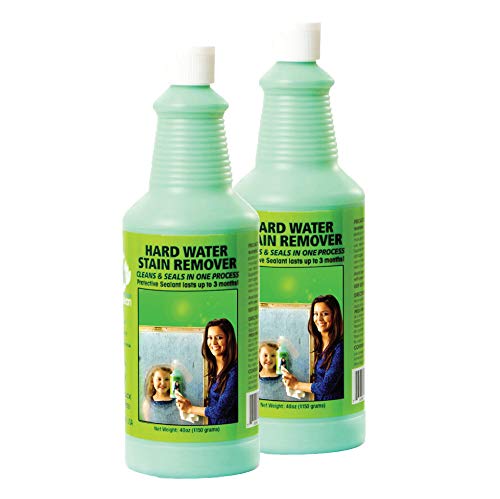
Hard water spots happen when minerals like calcium and magnesium dissolve in water, then dry on your faucet and leave a chalky, white film. The fastest fix is to dissolve that mineral layer with an acid-based cleaner (vinegar or citric acid), then rinse and dry immediately so the residue doesn’t reform.
If your faucet looks cloudy after the water dries—or you keep seeing white, crusty marks around the spout, aerator, or handles—this is for you. It’s especially common where water is hard, but it can show up anywhere the water carries elevated mineral content.
Why hard water spots form on faucets

Hard water spots form because minerals in your water keep depositing onto the faucet surface when water evaporates. The key players are calcium carbonate and similar compounds; as water dries, they don’t “disappear”—they concentrate, then build up as visible scale.
Here’s what’s happening chemically and physically: hard water is defined by mineral content, commonly reported as “hardness” measured in mg/L (as CaCO₃, calcium carbonate) or grains per gallon. According to U.S. Geological Survey (USGS), Water Science School, 1 grain/gal equals 17.1 mg/L as CaCO₃ (accessed 2026). According to the same USGS reference, water hardness above about 180 mg/L (10 grains/gal) is typically categorized as “hard” (accessed 2026).
Why do spots look worse near certain areas? Because water hits in predictable patterns: right where droplets repeatedly land—around the aerator/spout tip, handle joints, and any “catch points”—you get the fastest mineral accumulation. Over time, the deposit can also become more tightly bonded to the faucet’s finish, making it harder to wipe away with plain soap and water.
How to tell what you’re dealing with (hard water vs. other buildup)
Hard water residue is usually mineral scale that looks white, cloudy, or slightly scaly, and it often gets worse as soon as the faucet dries. Other buildup can look similar, but the clean-up approach differs—so a quick visual check saves time and prevents finish damage.
Use these practical cues:
– Hard water residue typically forms after the faucet has dried, so you’ll often see it “lock in” as a film rather than a greasy layer.
– If you notice oily grime mixed with mineral streaks, you may be dealing with both mineral deposition and everyday oils (hand lotion, cooking residue, or bathroom products). In that case, you’ll likely need mineral removal plus gentle degreasing.
– If the “spots” look etched (dull patches, pits, or rough texture) and won’t wipe away even after descaling, the finish may already be damaged. Etching can be caused by repeated mineral buildup combined with abrasive cleaning or prolonged exposure to acidic/alkaline products.
A small test can clarify it: dampen a cloth and wipe firmly. If the residue smears or lifts readily, it’s more likely surface grime or mixed film. If it resists wiping and reappears quickly after drying, it’s usually true scale.
Cleaning options that dissolve mineral deposits safely
Acid-based cleaning is the most reliable way to dissolve hard water spots because acids help convert mineral scale into soluble compounds that rinse away. For most faucets, the safest approach is to use a mild acid (vinegar or citric-acid formulations) and avoid abrasives that can scratch finishes.
Here’s how the common options compare in real-world terms:
– Acid cleaners work best: White vinegar (acetic acid) and citric-acid descalers dissolve calcium and magnesium deposits more effectively than soap or detergents.
– Non-scratch methods matter: Soft microfiber cloths, non-scratch sponges, and gentle wiping reduce the chance of dulling chrome, brushed nickel, stainless steel, or plated finishes.
– Finish-specific caution: Finishes vary (chrome, brushed nickel, stainless, plated, coated, or PVD-like finishes). As of 2026, manufacturers increasingly specify chemical dos/don’ts—so if you’re unsure, check the faucet’s care guidance before using stronger acids.
To help you choose an acid responsibly, here’s a quick reference based on the acidity strength (pKa) of common descaling acids. Lower pKa generally indicates a stronger acid and faster proton-driven scale dissolution.
Acid strength guide for removing faucet mineral scale (25°C)
| # | Active acid (common in cleaners) | Representative pKa (25°C) | Expected scale-dissolving power | Practical finish safety |
|---|---|---|---|---|
| 1 | Hydrochloric acid (HCl) | ~ -6.3 | ★★★★★ | Higher risk |
| 2 | Sulfamic acid | ~ 1.0 | ★★★★★ | Care required |
| 3 | Phosphoric acid | ~ 2.15 (pKa₁) | ★★★★☆ | Often suitable |
| 4 | Citric acid | ~ 3.13 (pKa₁) | ★★★★☆ | Good balance |
| 5 | Formic acid | ~ 3.75 | ★★★☆☆ | Moderate |
| 6 | Glycolic acid | ~ 3.83 | ★★★☆☆ | Moderate |
| 7 | Acetic acid (vinegar) | ~ 4.76 | ★★☆☆☆ | Gentle but slower |
The acidity strength values above come from compiled chemistry references; for example, according to NIST Chemistry WebBook, the pKa of acetic acid is about 4.76 at 25°C (accessed 2026). Also according to NIST Chemistry WebBook, phosphoric acid has pKa₁ around 2.15 at 25°C (accessed 2026), and citric acid has pKa₁ around 3.13 at 25°C (accessed 2026). (These are acidity indicators; actual performance still depends on concentration, contact time, and surface conditions.)
How to clean hard water spots on a faucet (step-by-step)
Cleaning hard water spots is mainly about dissolving the mineral film and then removing the dissolved residue promptly. If you do the acid step but skip thorough rinsing and drying, the deposit often reforms quickly.
Follow this workflow:
– Start with a quick wipe: Wipe the faucet with a damp cloth to remove loose dust and any surface oils, then rinse briefly. This step helps the acid contact the mineral scale rather than pushing grime around.
– Apply an acid-based cleaner to the spotted areas: Use white vinegar, or a citric-acid-based descaler. Saturate a cloth/paper towel and hold it on heavily spotted zones (spout tip, aerator area, around handles) so the cleaner actually dissolves scale.
– Let it soften the buildup: Wait long enough for the mineral layer to loosen. If the spots are light, a short contact time is often enough; if they’re crusted, extend time modestly while monitoring finish appearance.
– Gently wipe, then rinse thoroughly: Wipe with a soft cloth, then rinse with clean water to remove dissolved minerals and remaining acid.
– Dry right away: Dry immediately with a microfiber towel. In my experience managing household maintenance, the “overnight re-spotting” problem usually disappears when drying becomes part of the routine.
Practical note: for threaded aerators or tiny nozzles, mineral buildup can hide in openings. If allowed by your model, you can soak the aerator separately in vinegar/citric solution and rinse before reinstalling.
What can go wrong (and how to avoid it)
The most common cleaning failures come from either scratching the finish or leaving acid residue on the faucet. Hard water scale is stubborn, but aggressive abrasives and “soak and forget” acid application can create more damage than improvement.
Watch for these pitfalls:
– Scratches and dulling: Steel wool, abrasive pads, and harsh scrubbing compounds can scratch chrome, brushed nickel, stainless, or plated surfaces. Even “just a little pressure” can change the finish texture.
– Prolonged acid exposure: Some coatings and seals can discolor if acidic cleaner sits too long. Treat acid as a controlled step—apply, contact, wipe, rinse.
– Not addressing re-deposition: If the faucet stays wet (even briefly) or you only clean after stains fully harden, spots can return quickly. Hard water minerals re-deposit as water evaporates—especially around frequent splash zones.
If you want a decision-friendly approach, here’s a simple comparison of common routes:
- DIY acid descaling (with careful rinsing)
-
- Pros: Effective on white/cloudy scale; low cost; works well for regular maintenance.
- Cons: Can dull or etch delicate finishes if contact time is too long; won’t repair already-etched pits.
- Professional refinishing or manufacturer-approved service
-
- Pros: Better outcome for pitting/etching; avoids finish warranty conflicts when restorations are needed.
- Cons: Higher cost; may involve schedule coordination.
Verdict / tip: what usually works best—and who should skip DIY
For most faucets, the most reliable approach is an acid-based clean (vinegar or citric acid), followed by a careful rinse and immediate drying. This combination dissolves mineral scale while minimizing the chance of residue-induced re-spotting.
However, skip aggressive DIY attempts if the faucet has a delicate or specialty coating, if you see signs of pitting/etching, or if the manufacturer warns against specific chemicals. In those cases, check the manufacturer’s care instructions or . Also avoid “paste scrubbing” once the finish is visibly worn—abrasion won’t bring back lost surface smoothness, and it can make the etching more noticeable.
One more honest limitation: descaling can remove new deposits, but it can’t reliably reverse etched damage. If the surface is already rough or cratered, you may need refinishing or replacement rather than repeated cleaning.
Quick checklist: keep hard water spots from coming back
– Dry the faucet after use (a quick wipe helps more than occasional deep cleaning).
– Clean mineral buildup as soon as you notice it, before it hardens into scaly scale.
– Use soft cloths and non-scratch tools; avoid steel wool and harsh scouring pads.
– Stick to acid-based descaling for mineral residue, and rinse thoroughly after.
Frequently Asked Questions
What causes hard water spots to form on a faucet?
Hard water contains dissolved minerals like calcium and magnesium, which leave behind deposits when water evaporates or dries on the faucet surface. Over time, these mineral residues build up into cloudy white spots, streaks, or chalky buildup that can be difficult to remove. Even if your faucet looks clean after wiping, the minerals can remain if the water isn’t fully removed or treated.
How do hard water spots differ from limescale or rust stains on a faucet?
Hard water spots and limescale are usually white, gray, or chalky and feel rough when rubbed, forming from mineral deposits. Rust stains, by contrast, tend to be reddish-brown and are often associated with corrosion in plumbing or older fixtures. If the marks are mostly scale-like and removable with vinegar, it’s typically mineral buildup rather than rust.
Why does my faucet get spots even after I wipe it dry?
If any water droplets remain on the faucet—especially around the spout, handle seams, and aerator—they can evaporate and leave minerals behind. Hard water can also leave a thin film that’s not obvious until it dries, making spots appear quickly after cleaning. Using a rinse-and-dry method (or a dedicated descaling cleaner) helps prevent the minerals from redepositing.
How do I clean hard water spots from a faucet safely and effectively?
Apply white vinegar (or a store-bought descaler) to the affected area and let it sit for 5–15 minutes to dissolve calcium and magnesium deposits. For tougher buildup, use a soft cloth or a non-scratch sponge, then rinse thoroughly and dry with a microfiber towel. Avoid abrasive pads on chrome, brushed nickel, or plated finishes to prevent scratches and dullness.
What’s the best way to prevent hard water spots on a faucet long-term?
The most effective prevention is to reduce mineral exposure and stop residue from drying on the surface. Install a water softener or a whole-house filtration system, and wipe fixtures with a dry microfiber cloth after use to remove water before it evaporates. For ongoing maintenance, do a light vinegar-based cleaning periodically to prevent limescale buildup from hardening.
📅 Last Updated: November 08, 2026 | Topic: What Causes Hard Water Spots on a Faucet? (And How to Clean It) | Content verified for accuracy and freshness.
References
- Hard water
- Limescale
- Calcium carbonate
- Soap scum
- Descaling agent
- Hardness of Water | U.S. Geological Survey
- https://www.britannica.com/science/hard-water
- https://scholar.google.com/scholar?q=hard+water+limescale+calcium+carbonate+deposition+mechanism Google Scholar
- https://scholar.google.com/scholar?q=descaling+calcium+carbonate+surfaces+citric+acid+vinegar Google Scholar
- https://scholar.google.com/scholar?q=removal+of+mineral+deposits+from+metals+calcium+carbonate+magnesium+hydroxide Google Scholar
