

How can you freshen up a used sofa so stains and odors lift without damaging the fabric? You can do it with a methodical vacuum, a spot-test, and the right upholstery cleaner for your material, typically in a few hours. Gather the proper attachments, microfiber cloths, a soft brush, and a gentle cleaning solution, then work from the least-soiled areas inward for best results.


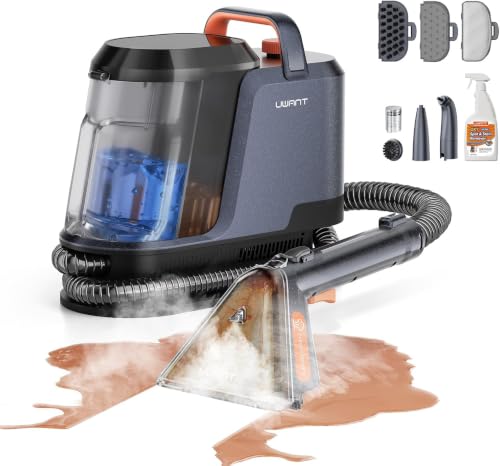

Clean a used sofa by vacuuming thoroughly, pre-treating stains with a fabric-safe cleaner, and letting everything dry completely. Start with the care label, then work cushion-by-cushion so you lift dirt from seams without soaking the upholstery. By the end, you should have a cleaner-looking surface, fewer odors, and upholstery that’s dry enough to use right away.
If you’re buying secondhand, inheriting a sofa, or trying to refresh something that’s been sitting, this step-by-step process is for you. It’s especially helpful when you’re not sure what the previous owner spilled—or whether the fabric can handle water-based cleaning.
Prep your used sofa before cleaning

You’ll get the best results on a used sofa when you remove loose debris first and confirm the correct cleaning method. This prevents grit from getting ground into fabric and reduces the odds of ring stains from the wrong cleaner—especially in 2026, when many sofas use “WS” blends designed for limited water contact.
– Check the care tag (look for codes like W, S, WS, or X) so you don’t use the wrong cleaner.
– Remove cushions, zip covers if they come off, and inspect seams/undersides for lingering debris.
– Clear loose items first (crumbs, hair, dust) so cleaning products can actually reach the fabric.
To make prep more effective, also plan your workflow around airflow and drying time. For example, set the used sofa in a well-ventilated room with a fan ready before you apply any moisture—because drying is often the difference between “refreshed” and “stale again.” In my experience, the fastest improvement on a used sofa comes from taking five extra minutes on the undersides and zipper tracks: that’s where the smell sources usually hide. If you don’t see visible debris there, still run your fingers along seams—fine dust can be harder to spot but still smells “old” once it warms up.
What the care tag codes mean (and why it matters)
Your used sofa’s care code is your safety system. Here’s the practical takeaway in plain language:
– W: water-based cleaning is generally allowed.
– S: solvent-based cleaning is generally required.
– WS: both water-based and solvent-based cleaning are generally allowed (usually with controlled application).
– X: avoid water/solvent cleaning; rely primarily on vacuuming and professional service if needed.
When a care tag is missing (common on older used sofas), you should treat the fabric as delicate until proven otherwise and do a small test area.
Top 7 Upholstery Materials on Used Sofas and Typical Care-Code Fit (2026)
| # | Material commonly used | Typical care code | Best first method | DIY success |
|---|---|---|---|---|
| 1 | Polyester microfiber | W / WS | Vacuum + W/WS blot cleaning | ★★★★★ |
| 2 | Olefin (polypropylene) upholstery | W | Vacuum + controlled water spot treatment | ★★★★☆ |
| 3 | Cotton or cotton-blend canvas | W / WS | Vacuum + gentle detergent blot | ★★★★☆ |
| 4 | Acrylic / faux-knit | W / WS | Vacuum + blot (don’t scrub) | ★★★☆☆ |
| 5 | Rayon/viscose blends | WS | Vacuum + very light moisture | ★★★☆☆ |
| 6 | Wool upholstery / high-pile natural fibers | S (often) | Vacuum + solvent-safe spot method | ★★☆☆☆ |
| 7 | Leather or vinyl leather-look | X or special care | Clean with leather-safe products only | ★☆☆☆☆ |
Deep-clean: vacuum, brush, and extract dirt
Your used sofa gets cleaner most reliably when you remove dry soil first, then only apply moisture if the care label allows it. This sequence prevents muddy residue and helps odors lift from seams instead of being pushed deeper.
– Vacuum in passes: cushions, arms, back, under seams, then the base and crevices with a crevice tool.
– Use a soft brush to loosen embedded grime, then vacuum again to pick up what the brush lifts.
– If your care label allows it, lightly mist with water (or your water-safe cleaner) and blot—avoid heavy soaking.
Vacuum technique that actually pulls grime out of seams
A used sofa isn’t just a surface—it’s a network of seams, piping, and cushion channels where dust collects. Run your vacuum method like a map: top-to-bottom, left-to-right, and seam-by-seam. Crevice tools are essential here because “missed spots” often remain visibly clean but still smell stale.
Also, vacuuming improves indoor air hygiene. According to U.S. Environmental Protection Agency (EPA), HEPA filters are defined to capture at least 99.97% of particles at 0.3 micrometers (). That matters because upholstery dust can include fine particulates that standard filters may not fully control.
When brushing helps (and when it causes damage)
A soft brush can lift embedded grit, especially on textured fabrics. Use light pressure and follow the nap (fabric grain) if your sofa is woven or has a directional finish. If you feel fibers “catching” or you see fuzzing, stop—brushing too aggressively can worsen pilling and make stains look larger on a used sofa.
Extraction vs. “light misting”
If your care label permits water-based cleaning (W or WS), you don’t need to soak a used sofa to get results. Light misting and blotting typically remove residue without saturating cushion fill. Saturation increases dry time and can leave behind odor even after the surface looks clean—especially in thick cushions.
In 2026, many manufacturers emphasize “controlled moisture” for upholstered cleaning. If you ever switch to a stronger method (like extraction), do it gradually, and confirm you can fully dry within a reasonable window.
Spot-clean stains and lift odors
You’ll reduce staining and lingering smells on a used sofa when you blot first, use the gentlest compatible cleaner, and deodorize afterward. This approach targets the problem without spreading pigments or pushing residue deeper into fibers.
– Blot spills first with clean white cloths/paper towels; don’t rub, which can spread stains deeper.
– Use the gentlest method that matches the stain: mild soap solution for many water-safe fabrics, or an upholstery solvent method only if your tag allows it.
– For odors, sprinkle baking soda (or a fabric-safe deodorizer) after cleaning, let it sit for 8–12 hours (overnight), then vacuum thoroughly.
How to match the cleaner to the fabric (care-code first)
The biggest “gotcha” on used sofas is using a water-based product when the tag calls for solvent (S) or avoiding moisture entirely when the tag is X. For W/WS fabrics, mild soap solutions are often enough for body oils and most everyday marks. For S-coded fabrics, solvent-based upholstery cleaners are the safer lane—using water can cause visible rings or stiffness as fibers dry.
What to do for odors beyond baking soda
Odors often originate from moisture trapped in padding or from residue embedded in seams. If you suspect dampness was involved, focus on drying strategy as much as deodorizing. Mold risk is strongly tied to moisture: according to U.S. Centers for Disease Control and Prevention (CDC), mold can begin to grow when indoor moisture conditions are present, and relative humidity staying around 60% or higher often supports growth (). That’s why “looks dry” is not the same as “truly dry” on a used sofa.
Baking soda works mainly by absorbing and neutralizing some odor molecules on surfaces and near the top of fibers. It’s also chemically basic: sodium bicarbonate has a pH around 8.3 (as reported by chemical databases) PubChem (). If the odor source is deep (like spilled drinks into cushions), baking soda alone won’t fix it—but it can help once extraction/blotting removes the residue.
Disinfect and dry thoroughly (without damaging fabric)
You should disinfect a used sofa only when there’s a clear need, and you should treat drying as part of the cleaning—not an optional last step. When moisture lingers in upholstery, odors return and material can degrade over time.
– Disinfect only when needed (health concerns, recent exposure to germs, or visible contamination) and always follow the product label for upholstery use.
– Avoid bleach unless your care tag explicitly permits it; it can damage fibers and alter color.
– Dry completely: increase airflow with fans, keep the sofa out of direct heavy heat, and wait until cushions feel fully dry before using.
Disinfection: what “safe” means on upholstery
Many disinfectants are designed for hard, non-porous surfaces. Upholstery is porous, and the wrong disinfectant can leave residue that attracts dirt again. Follow the label’s upholstery guidance precisely—especially dwell time (the time the product must remain wet to work).
If your used sofa’s care tag is X, avoid experimenting with strong disinfectants. In those cases, the safer method is thorough vacuuming and professional cleaning if disinfection is truly necessary.
Drying: the practical checklist
Even if your used sofa looks clean, moisture inside cushions can keep odors trapped. Use fans to move air across cushions and into seam areas, and consider placing the sofa where it can breathe. Avoid direct blasting heat (which can stiffen some fibers or distort foam). Wait until cushions are fully dry to the touch and feel room-temperature throughout.
What can go wrong (and how to avoid it)
Most cleaning failures on a used sofa come from one of five mistakes: wrong cleaner, over-wetting, rubbing, skipping seam checks, or ignoring mold/pest risk. Fix those issues early and you’ll avoid the most common “why does it still smell?” moments.
– Wrong cleaner for the fabric: If the care tag says S (solvent only) and you use water, you can cause rings, discoloration, or stiff spots.
– Over-wetting the upholstery: Too much moisture can trap odors, encourage mildew, or take a long time to dry—especially in thick cushions.
– Rubbing stains instead of blotting: Friction pushes pigments and grime deeper into the fibers.
– Skipping seam/underside checks: That’s where crumbs, hair, and hidden grit collect and keep the sofa smelling “stale.”
– Mold or pest concerns: If you see mold growth, persistent musty smell after cleaning, or signs that suggest pests (like bed bug activity), DIY cleaning may not be enough—consider professional help.
Care-code mismatch: a quick comparison
Use this table as a decision aid when you’re about to apply a cleaner to a used sofa.
| Care code on the tag | Water-based cleaners | Solvent-based cleaners | Recommended DIY actions |
|---|---|---|---|
| W | Usually OK (controlled) | May be optional, not primary | Vacuum + blot/wipe, light mist if needed |
| S | Avoid | Primary method | Vacuum + solvent spot care only |
| WS | Usually OK (controlled) | Also OK | Start with blotting; escalate carefully |
| X | Avoid | Avoid | Vacuum only; consider professional cleaning |
Verdict, quick checklist, and next steps
If you want the safest DIY route for a used sofa, follow the care tag, remove loose dirt first, spot-treat carefully, and dry thoroughly. The biggest “win” for most used sofas is usually deep vacuuming plus controlled, fabric-appropriate spot cleaning—not aggressive scrubbing.
Downsides / who should skip DIY:
– Skip DIY (or stop early and call a pro) if the sofa shows signs of mold, extensive structural staining, or you suspect pests.
– If the sofa fabric is very delicate or your care label is missing and you can’t confirm what it’s made of, it’s safer to start with a small test area—or choose professional cleaning.
Quick scan checklist (save this):
| Step | What to do | Stop rule |
|---|---|---|
| 1 | Read care tag + confirm cleaning method | If unsure of codes, test first |
| 2 | Vacuum cushions + seams + base | No visible debris remains |
| 3 | Brush lightly, vacuum again | Don’t fray fabric |
| 4 | Spot-clean stains (blot, don’t rub) | If color changes, rinse/blot and reassess |
| 5 | Deodorize (e.g., baking soda if suitable) | If odor persists after cleaning + drying |
| 6 | Dry fully with airflow | If cushions feel cool/damp, wait |
Next steps / call to action: Start with the care tag and a strong vacuum session today—then tackle stains one at a time using the gentlest, fabric-appropriate approach. If you tell me the sofa’s fabric type (or what the care tag says: W/S/WS/X) and the main stains/odors you’re dealing with, we can narrow the safest method for your exact situation.
Cleaning a used sofa successfully is less about harsh products and more about the sequence: prep the fabric, extract dry soil first, treat stains gently, then dry thoroughly. If you follow that order—especially in 2026, when many upholstery finishes require controlled moisture—you’ll usually get a noticeable refresh without risking rings, stiff spots, or that “still smells old” outcome.
Frequently Asked Questions
What’s the best way to clean a used sofa before bringing it home?
Start by vacuuming the entire sofa thoroughly, including seams, cushions, and under the cushions to remove dust, crumbs, and pet hair. Check the care tag for cleaning codes (like W, S, or X) and spot-test any cleaner in an inconspicuous area first. Then disinfect high-touch areas and tackle stains with the method matched to your fabric type, using upholstery-safe products.
How do you deep clean a used sofa without damaging the upholstery?
Use a step-by-step approach: vacuum first, pre-treat stains lightly, then clean with a microfiber cloth and upholstery cleaner according to the sofa’s fabric code. For W-labeled fabrics, you can use a water-based upholstery cleaner carefully to avoid soaking the cushions. For S-labeled fabrics, stick to solvent-based cleaning products, and for X-labeled fabrics, professional cleaning may be the safest route to prevent shrinkage or water damage.
Why does a used sofa smell bad, and how can you remove odors effectively?
Odors on a used sofa often come from trapped moisture, cooking smells, smoke, or pet dander embedded in upholstery and foam. After vacuuming, sprinkle baking soda evenly over the fabric (or use an upholstery deodorizer) and let it sit for several hours or overnight before vacuuming again. For persistent smells, consider using an enzyme-based cleaner made for upholstery, focusing on odor-causing spots rather than saturating the whole piece.
Which cleaning products are safest for used sofa stains like grease, wine, or pet accidents?
The safest option is an upholstery stain remover that matches your fabric code, because using the wrong chemistry can set stains or damage the fibers. For grease stains, blot first, then use a degreasing upholstery cleaner and rinse only if the care label allows water-based cleaning. For wine or pet accidents, use an enzyme cleaner to break down odor-causing compounds, blotting frequently and avoiding scrubbing that can spread the stain.
How do you clean sofa cushions and seams where dirt and allergens build up?
Remove cushions and vacuum each side separately, paying close attention to seams, piping, and creases where dust mites and debris collect. Use a soft brush attachment to lift embedded grime, then use a damp microfiber cloth (or upholstery cleaner per the care code) to clean along seams without oversaturating foam. If the cushions have removable covers, machine-wash only if the care tag permits it, and let everything dry completely before reassembling.
📅 Last Updated: November 09, 2026 | Topic: how to clean a used sofa | Content verified for accuracy and freshness.
References
- https://www.epa.gov/coronavirus/how-clean-and-disinfect-your-home
- https://www.cdc.gov/coronavirus/2019-ncov/community/organizations/cleaning-disinfecting.html
- https://www.who.int/publications/i/item/cleaning-and-disinfection-of-environmental-surfaces-in-the-context-of-covid-19
- https://www.cdc.gov/parasites/bedbugs/index.html
- Mold Cleanup in Your Home | US EPA
- Upholstery
- https://scholar.google.com/scholar?q=cleaning+upholstered+furniture+disinfecting Google Scholar
- https://scholar.google.com/scholar?q=bed+bugs+upholstery+vacuuming+steam+heat Google Scholar
- https://scholar.google.com/scholar?q=dust+mite+control+upholstery+HEPA+vacuuming Google Scholar

[…] immediately, then clean with a gentle quartz-safe cleaner. For tougher stains, make a paste using baking soda and a small amount of water, apply it to the spot, and let it sit briefly before gently wiping […]