

How do you clean the footbed of sandals without leaving grit behind or damaging the material? You can do it in about 10–20 minutes with a few basics: a soft brush or old toothbrush, mild soap, warm water, and a towel for drying. Follow the right steps for removing sand and odor so your sandals feel fresh the moment you put them on.
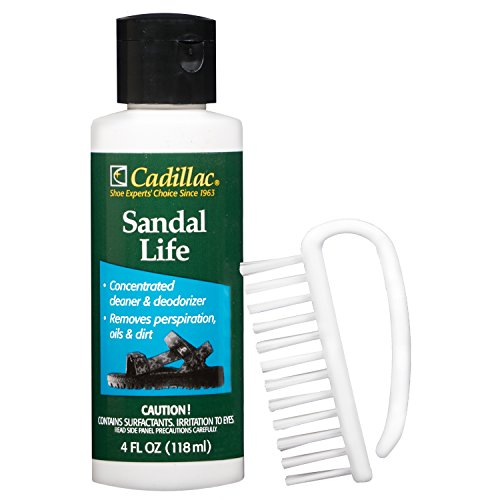



Wipe off loose dirt first, then deep-clean the footbed with mild soap and water (or a sandal-safe cleaner). For sticky or sweaty buildup, scrub gently, rinse well, and fully dry before wearing again—this removes grime without damaging common footbed materials. This is the quickest “works every time” approach when your sandals start to feel gritty, smell, or leave residue on socks and skin.
If your sandals smell, feel gritty, or leave residue on socks/feet, this guide will help you clean the footbed properly. It’s written for everyday sandal care—especially when you want a practical routine instead of guesswork.
Gather what you need (and check the material)

The fastest safe method starts with matching your cleaning tools to the footbed material, because different sandal footbeds react differently to moisture and solvents. If you start with the right supplies and avoid aggressive chemicals, you’ll reduce the chance of cracking, warping, or lingering odor—especially as of 2026, when many sandals use mixed materials (EVA foam, rubber compounds, and synthetic liners).
– Identify whether the footbed is fabric, rubber, foam, cork, leather, or synthetic (care instructions matter).
– Use gentle supplies: soft brush/toothbrush, mild dish soap, clean water, and a towel.
– If the brand recommends a specific cleaner or drying method, follow that first (when in doubt, use the mildest option).
– Optional for odor: baking soda (for moisture/odor control) or a sandal-safe deodorizing powder that won’t leave residue.
– Avoid “cleaner surprises”: if you plan to use anything beyond mild soap, patch-test on a hidden area first (underside near the heel is usually a safer spot).
Mild Soap + Water Compatibility by Footbed Material (Practical Care Use)
| # | Footbed material | Soak risk | Rinsing priority | Soap-based cleaning reliability |
|---|---|---|---|---|
| 1 | Rubber | Low | Medium | ★★★★★ |
| 2 | EVA foam | Medium | High | ★★★★☆ |
| 3 | Synthetic (PU/mesh-lined) | Medium | High | ★★★★☆ |
| 4 | Fabric | Medium | High | ★★★☆☆ |
| 5 | Cork | High | Very high | ★★☆☆☆ |
| 6 | Leather | High | Very high | ★★☆☆☆ |
| 7 | Natural foam blend | High | High | ★☆☆☆☆ |
In practice, mild soap and water tends to work best on rubber and many synthetic footbeds because they’re less porous. For cork and leather footbeds, the key risk isn’t the soap—it’s prolonged saturation and slow drying, which keeps moisture trapped in the footbed texture.
Clean away grime and sweat buildup
The goal is to remove the visible grit and the invisible sweat film that holds onto odor-causing residue. For the sandal footbed, short scrubbing + controlled rinsing beats long soaking because many materials (especially cork, foam, and leather) don’t dry evenly.
– Remove debris: shake outdoors, then wipe with a damp cloth.
– Create a soapy solution (mild soap + water) and scrub the footbed surface and grooves lightly.
– Rinse with clean water (a quick controlled rinse is better than soaking some materials).
– For deep grooves, use a soft brush/toothbrush and work in small sections so the sandal footbed doesn’t sit wet for long.
– If the footbed has a removable insert, clean it separately; this improves rinsing and drying.
Why rinsing matters: soap residue can leave a thin layer that feels slightly sticky and attracts fresh dirt. That sticky film is a major reason sandals can feel “gritty” again within days, even after cleaning.
One practical temperature note: sweat and warmth can encourage microbial activity. According to USDA FSIS, many microbes multiply more quickly in the 40–140°F (4–60°C) “danger zone.” Your sandal footbed is a warm, moist micro-environment, so drying time isn’t a cosmetic detail—it’s part of odor control.
Deodorize and tackle stubborn odors
The quickest odor reset is a targeted re-scrub plus thorough air drying. If your sandal footbed still smells after the first wash, the issue is usually odor trapped in textured areas (arch, ball of foot, stitching, and grooves), not just surface dirt.
– For lingering odor, use a light scrub with soapy water again, focusing on high-contact areas (arch and ball of foot).
– Let the footbed air out after rinsing—drying is often what stops the smell from coming back.
– If you use baking soda or a deodorizing powder, do a small spot test first and avoid anything that leaves residue you can’t remove.
Here’s how to choose between “soap-only” and “soap + deodorizer” without guesswork:
– If odor is mixed with visible grime (gray film, sticky feel), go back to mild soap and water on the sandal footbed first.
– If the sandal footbed looks clean but still smells, a moisture-absorbing deodorizer can help—but only if it rinses out easily (or if the manufacturer explicitly says it’s safe).
If you’re using baking soda, remember it’s sodium bicarbonate; according to PubChem, sodium bicarbonate has a molecular weight of 84.01 g/mol, and it can help neutralize odors that are tied to acidic compounds. However, baking soda can also leave powder behind in grooves—so treat it as optional and follow up with careful removal if your sandal footbed shows residue.
Also, avoid thinking “disinfecting = better.” Many harsh disinfectants can damage finishes, degrade foams, or leave residues that trap odor. For example, CDC guidance often discusses alcohol-based disinfection at concentrations of at least 70% for many applications (CDC), but alcohol can also dry out or alter certain footbed materials—especially foams and synthetic liners—so it’s not a universal deodorizing fix.
Dry correctly to prevent cracking and lingering smell
The fastest path to “no stink later” is drying completely, not just drying quickly. For the sandal footbed, trapped moisture in grooves and underneath liners is what turns a short-term clean into a repeat odor problem.
– Pat dry with a towel, then leave sandals to air dry in a ventilated area.
– Keep them away from direct high heat (radiators, hair dryers) because heat can warp or degrade some footbeds.
– Only wear again once the footbed feels fully dry to the touch.
– If the sandal footbed has a porous or textured surface, rotate the sandals and give airflow to both sides.
– For especially wet grooves, place a dry towel under the footbed to wick moisture while it air-dries.
My own routine for sandal footbed care (without special equipment) is simple: after rinsing, I press gently with a towel to remove surface water, then I leave the sandals outdoors in shade or indoors near a fan. I don’t rush it—if the sandal footbed still feels cool or damp in the arch area, I wait.
What can go wrong (common mistakes to avoid)
The most common cleaning failures come from soaking, harsh chemicals, and incomplete drying—not from “not scrubbing hard enough.” If your sandal footbed cracks, warps, or keeps smelling, review the steps below before you try new products.
– Soaking too long: some footbeds (especially cork, leather, or foam) can break down or warp if heavily saturated.
– Using harsh cleaners: bleach, strong solvents, or aggressive disinfectants may damage finishes or material coatings.
– Skipping rinsing: soap residue can feel sticky and attract more dirt over time.
– Not drying fully: moisture trapped in grooves can keep odors coming back quickly.
To make the risk easy to compare, here’s a method-level pros/cons view:
Also watch for a subtle issue: if your sandal footbed smells even after cleaning, the source might be in the socks or in the straps/lining—not just the footbed. A full clean sometimes requires treating more than one component.
Verdict: reliable routine, with a few “don’ts”
A gentle scrub with mild soap, a thorough rinse, and complete air-drying is the safest all-around method for cleaning the footbed of sandals. Skip soaking-heavy cleaning and harsh chemicals—those are the most common causes of damage or recurring smells. If your sandals have a delicate or special coating, start with the mildest method and patch-test any deodorizer. As of 2026, this simple routine remains the most consistent way to keep sandal footbeds comfortable without shortening material life.
Quick checklist (scan or save)
– [ ] Shake off loose dirt
– [ ] Wipe with a damp cloth
– [ ] Scrub with mild soap + water (soft brush)
– [ ] Rinse with clean water (don’t soak unless material is known safe)
– [ ] Pat dry
– [ ] Air-dry fully (ventilated area, no direct high heat)
– [ ] Wear only when completely dry
Frequently Asked Questions
How do I clean the footbed of leather sandals without damaging it?
Start by removing loose dirt with a soft brush and a damp cloth. Wipe the footbed with a mild soap solution (or leather cleaner) and avoid soaking—excess water can warp or dry out leather. After cleaning, dry naturally away from direct heat, then condition with a leather conditioner to keep the material supple and prevent cracking.
What’s the best way to remove odor from sandal footbeds?
Sprinkle baking soda generously over the footbed and let it sit for several hours or overnight to absorb sweat and bacteria-caused smells. Vacuum or brush off the powder, then wipe with a lightly damp cloth using a mix of water and a small amount of mild soap. For ongoing odor, allow sandals to fully dry between wears and consider using odor-absorbing insoles or rotating pairs.
Which cleaner should I use for rubber or EVA footbeds?
For rubber or EVA sandal footbeds, you can use warm water and dish soap for regular grime because these materials tolerate moisture better. For tougher buildup, scrub with a soft-bristle toothbrush and a paste of baking soda and water, then rinse and dry thoroughly. Avoid harsh solvents or bleach unless the manufacturer specifically recommends them, as they can break down or discolor the footbed.
How can I clean a textured or contoured footbed that traps dirt?
Use a toothbrush or small detailing brush to work cleaner into the grooves, paying extra attention to the heel and arch areas where debris collects. For deeper cleaning, apply a baking soda paste to the textured parts, let it sit briefly, then scrub and rinse. Finish by drying completely, since trapped moisture can lead to odor or mildew on the sandal footbed.
Why does the footbed of sandals get sticky, and how do I fix it?
Sticky sandal footbeds often come from a buildup of sweat, body oils, and lotions that attract dirt over time. Clean the footbed with warm soapy water first, then follow with a gentle scrub using baking soda or a mild cleaner to lift residue. Rinse well and dry fully; if the stickiness persists, you may need repeated cleaning or a manufacturer-approved cleaner for that specific footbed material.
📅 Last Updated: November 14, 2026 | Topic: how to clean footbed of sandals | Content verified for accuracy and freshness.
References
- https://www.cdc.gov/fungal/diseases/athletes-foot/index.html
- Athlete's Foot | Tinea Pedis | MedlinePlus
- Athlete's foot – NHS
- https://www.mayoclinic.org/diseases-conditions/athletes-foot/symptoms-causes/syc-20378326
- Athlete's foot
- athlete's foot shoe hygiene – Search Results – PubMed
- https://scholar.google.com/scholar?q=clean+shoe+insole+disinfection+fungus Google Scholar
- https://scholar.google.com/scholar?q=footwear+cleaning+prevention+athlete%27s+foot Google Scholar
- https://scholar.google.com/scholar?q=microorganisms+on+footwear+insoles+study Google Scholar
