

Clearing a pond of algae starts with removing nutrients and physically reducing the algae, then preventing it from coming right back. Most ponds can show visible improvement within days to a couple of weeks with the right combination of circulation, targeted cleaning, and safe treatments. You’ll need basic pond-care tools, a way to test water, and a plan to control light, waste, and excess feeding so you can restore clarity quickly and safely.
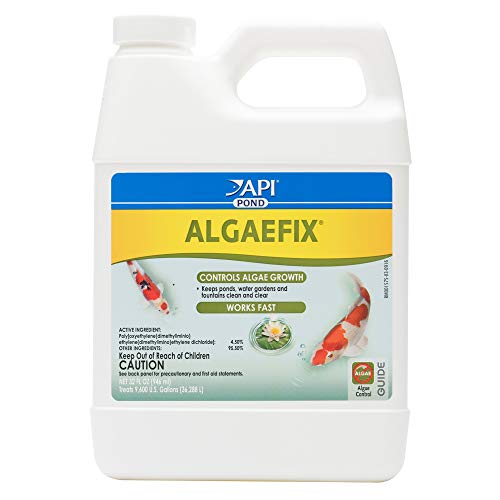

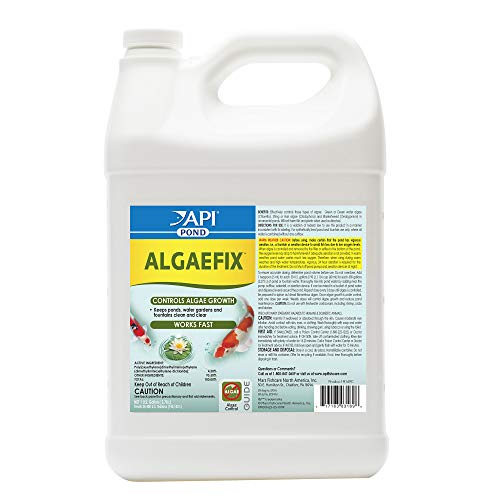

If your pond is covered in algae, the fastest path is to remove as much of the algae as you can right away, then fix the causes—usually excess nutrients and low circulation. In this guide, you’ll learn a practical sequence for clearing algae safely, what to adjust in your pond setup, and how to prevent it from coming back.
Start with a quick cleanup (reduce algae immediately)

The fastest way to regain clarity is to physically remove what you can see—without breaking algae into smaller pieces that spread through the pond. In practice, you’re aiming to reduce surface shading first so sunlight can reach the bottom and the algae loses its advantage.
– Skim or net loose algae from the surface and along the edges. Many backyard ponds develop algae bands where sunlight hits shallow water and where circulation is weakest. Removing these “active” patches quickly can slow new growth while you address nutrients.
– When algae forms slimy mats, don’t stir it. Stringy and mat-forming algae often detach in clumps. In my maintenance walkthroughs, I’ve seen homeowners “vacuum by stirring” and accidentally create a second wave of cloudiness—if you’re clearing mats, remove chunks and pull them out repeatedly instead.
– Use partial water changes only when conditions allow. A water change can reduce suspended nutrients and algal fragments, but sudden temperature swings or abrupt chemical changes can stress pond fish and sensitive plants. If your water is stable and you can match temperature closely, small, gradual changes are generally safer than one large dump.
Improve water circulation and oxygen
The quickest long-term control step is improving flow—because stagnant corners and dead zones let algae feed in peace. Better circulation also raises dissolved oxygen (DO) which supports healthier biological balance and reduces the risk of algae getting a free nutrient ride from decaying material.
– Add a pump or adjust returns to eliminate dead zones. Many algae problems come from water that doesn’t move under the skimmer, behind rocks, or around pond edges. The goal is consistent circulation, not just “more bubbles somewhere.”
– Confirm aeration performance, not just presence. If you have an aerator, check that bubbles (or the resulting surface mixing) actually travel across the pond and don’t stay trapped in one area.
– If you use a filter, verify real flow through it. A filter that’s running but partially bypassing water (clogged intake, misaligned plumbing, exhausted media) can become a nutrient “holding zone.” As of 2026, troubleshooting filter flow—visually checking discharge and cleaning intakes—still solves more algae cases than people expect.
Lower nutrients (the real driver of algae)
The real driver behind green, stringy, slippery algae is nutrient availability—especially phosphorus and nitrogen entering or building up in the system. Your goal is to stop new inputs, reduce what’s already decaying, and prevent nutrients from recycling back into the water column.
– Reduce nutrient sources you control: fish load, uneaten food, and decaying debris (dead leaves, overgrown vegetation, clogged baskets). Even if you love feeding time, the fastest way to worsen algae is letting food drift and rot.
– Feed less and more deliberately. Overfeeding is common because many pond owners add “a little extra” for fish. In a clearing plan, scale back to what fish consume quickly, then reassess within days.
– Handle lawn and garden runoff before it reaches the pond. Fertilizers washing downhill can keep algae thriving even after you do a great physical cleanup. Redirect drainage, build a vegetated buffer (plants/berm), or use pond-edge barriers so nutrients don’t wash in.
– Remove trapped detritus during cleanup. Leaves and sludge in corners act like slow-release fertilizer. Skimming and targeted removal are faster than waiting for filtration to “eventually fix it.”
Quick nutrient reality check (what numbers can tell you)
Algae risk rises sharply as water clarity declines, and chlorophyll-a (a pigment algae use) is a common indicator. A useful framework is Carlson’s Trophic State Index (TSI): TSI(Chl) = 9.81·ln(Chl) + 30.6 (Carlson, 1977). That same framework links clarity to TSI(SD) = 60 − 14.41·ln(Secchi depth in meters) (Carlson, 1977).
Balance light and temperature
The algae “engine” is light + nutrients—so reducing light access usually slows blooms while nutrient fixes catch up. In hot weather (and especially in peak 2026 summer heat), algae rebounds quickly, so you’ll need steady removal and flow adjustments rather than one-time action.
– Add shade in problem areas (without starving the entire pond). Pond plants can compete for nutrients and also limit the light algae needs. In trouble zones, increased coverage is often more effective than blanket changes across the whole pond.
– Trim surrounding vegetation strategically. Too little shade increases algae growth, but excessive shade can suppress beneficial plant growth and reduce oxygen during the day/night cycle. Aim for balance: protect the pond floor from intense sun while keeping enough light for your desired plants.
– Use a light cover or localized shade where it matters. If you know the algae tracks the same sunny corridor each day, shading that corridor usually beats broad, dramatic cover changes.
– Keep an eye on seasonal acceleration. Warm temperatures can shorten the time it takes algae to regrow. If you’re clearing algae right now in 2026, plan for repeat skimming over at least the first week after you start fixes.
Carlson TSI Clarity Benchmarks for Pond Algae Risk (1977 framework)
| # | TSI Level | Typical Chlorophyll-a | Clarity (Secchi) | What You Often See | Water Clarity Score |
|---|---|---|---|---|---|
| 1 | TSI 35 | ~1.6 µg/L | ~5.7 m | Minimal surface scum | ★★★★★ |
| 2 | TSI 40 | ~2.6 µg/L | ~4.0 m | Slight tint, clear edges | ★★★★★ |
| 3 | TSI 45 | ~4.3 µg/L | ~2.8 m | Light green haze | ★★★★☆ |
| 4 | TSI 50 | ~7.2 µg/L | ~2.0 m | Occasional film near sun | ★★★★☆ |
| 5 | TSI 60 | ~20.0 µg/L | ~1.0 m | Visible bloom curtains | ★★★☆☆ |
| 6 | TSI 70 | ~55.5 µg/L | ~0.5 m | Frequent string algae | ★★☆☆☆ |
| 7 | TSI 80 | ~153.5 µg/L | ~0.25 m | Dense scum + rapid return | ★☆☆☆☆ |
Consider algae treatments carefully (especially with fish)
The safest rule is to treat algae only after you’ve removed the bulk and reduced the conditions that feed it—because most “clears” don’t eliminate the cause. If you use chemicals as a first move, you can end up with algae dying off (and decomposing) instead of improving water stability.
– Use products as a last step in the cleanup sequence. Remove algae first, then stop nutrient/light/circulation drivers. This approach prevents the “it cleared for a week, then returned” cycle.
– Follow label dosing and timing exactly. Uneven dosing can stress plants and fish, and over-application can worsen oxygen dips when algae dies back.
– Choose options labeled safe for fish and sensitive plants. If your pond has koi or smaller fish, treat the product label like a safety document—if it doesn’t explicitly match your setup, pause and verify before proceeding.
– Spot-test conservatively. If a product allows, test a small area or use a conservative initial dose. Then monitor fish behavior and dissolved oxygen before applying more.
Treatments vs. outcomes (what each method is good at)
Below is a practical comparison to help you choose the least risky path for your specific algae type and pond population:
| Approach | Pros (when it works) | Cons / risks (what to watch) |
|---|---|---|
| Physical removal + circulation | Fast visible improvement; reduces fragments; supports long-term stability when paired with nutrient control. | Labor-intensive if algae is mat-forming; requires repeated skimming during hot weeks. |
| Light reduction (shade/dye/cover) | Directly limits algae’s photosynthesis; helpful for surface/filament blooms. | Overdoing shade can reduce desired plant growth and shift pond balance. |
| Algaecide / chemical control | Can reduce certain bloom types quickly. | May cause die-off and oxygen stress; repeat blooms if nutrients stay high. |
| UV clarifier (if fitted) | Best for free-floating algae; can reduce water “green tint” while circulation runs. | Doesn’t remove nutrients; needs correct sizing/flow rates to be effective. |
What can go wrong (common mistakes and edge cases)
Skipping key steps can make the pond look better briefly while making the next bloom worse. The most common failures are redistributing algae fragments, ignoring nutrient recycling, and changing water conditions too aggressively.
– Stirring algae into the water can spread it. If you vacuum by stirring, you may increase cloudiness and distribute nutrient-rich particles across the pond. Net and skim instead of aggressive “mixing clean.”
– Overdoing partial water changes can shock fish. Large or rapid changes can destabilize temperature and chemistry—especially if the replacement water differs in hardness or alkalinity. If you’re doing changes, match temperature and keep adjustments gradual.
– Treating while nutrients are still high leads to fast repeat blooms. Clearing products can reduce visible algae, but if phosphorus/nitrogen inputs and detritus remain, algae typically returns.
– Mats can trap decay byproducts. When dense algae decomposes, oxygen demand can spike. Warm water already holds less dissolved oxygen; for example, dissolved oxygen saturation near 25°C (77°F) is about 8.3 mg/L (NOAA National Ocean Service, dissolved oxygen saturation guidance (2023)), and real ponds often dip below saturation at night.
Verdict / tip (what usually works, and when to skip)
For most ponds, the best “clear algae” results come from a two-part approach: remove algae physically, then stop the nutrient and light/circulation conditions that feed it. If you only rely on chemicals without changing feeding, debris removal, and flow patterns, the problem usually comes back quickly—often with worse oxygen stress.
Skip (or pause treatments) if you can’t safely protect fish and plants from exposure, or if you’re dealing with major water quality issues you haven’t identified yet (for example, persistent low oxygen or repeated cloudy blooms despite cleanup). If you’re unsure how your specific pond responds, start with skimming, verify circulation, and address inputs first; then decide on treatment based on label safety and your observed water stability.
Quick checklist: clear a pond of algae
– [ ] Skim/net loose algae from surface and edges
– [ ] Remove mats without stirring them into the water
– [ ] Confirm circulation/aeration works and reduces dead zones
– [ ] Reduce nutrients: uneaten food, debris, fish overstocking
– [ ] Improve plant/shade coverage to limit light
– [ ] Only consider treatment after physical + nutrient fixes
– [ ] Recheck weekly and adjust based on what returns
Frequently Asked Questions
What is the fastest way to clear a pond of algae?
The fastest approach is to remove nutrients that fuel algae while improving water circulation. Use an algae net or pond skimmer to pull existing algae, then add an appropriate pond clarifier to help flocculate suspended algae. At the same time, address causes like excess sunlight and overfeeding to prevent the algae from returning within days.
How can I remove algae from my pond without harming fish?
Start by physically removing algae mats with a net and reducing feeding for a few days so water nutrients decline. Aerate the pond and increase circulation to keep oxygen levels stable, especially at night when plants and algae consume oxygen. If you use an algaecide, choose a fish-safe, labeled pond product and follow the dosage exactly; avoid shocking the pond with harsh treatments.
Why does my pond keep getting algae even after I clean it?
Most recurring algae problems come from nutrient inputs such as decaying leaves, fish waste, fertilizer runoff, or too much supplemental feeding. Excess light and stagnant water also encourage algae blooms, especially in warm, nutrient-rich conditions. A test for nitrate/phosphate and a review of your feeding and filtration habits can reveal what’s driving the algae growth.
Which pond filters and treatments work best to control algae naturally?
A combination of mechanical filtration (to remove debris and algae fragments) and biological filtration (to convert nutrients) tends to work best for long-term algae control. Add beneficial bacteria products only if they’re compatible with your filtration and apply them as directed. For water clarity, use UV sterilization to reduce free-floating algae, and consider adding shade plants or a floating algae-absorbing mat to limit sunlight.
Best time of year to clear algae from a pond and prevent it from coming back?
Spring and early summer are ideal because you can reduce nutrients before algae blooms intensify. For prevention, start with leaf/debris removal, check the filter flow, and maintain proper aeration when temperatures rise. During hot months, be consistent with nutrient control—avoid overfeeding, keep the pond clean, and use UV or targeted pond treatments as needed to keep algae from taking over.
📅 Last Updated: November 19, 2026 | Topic: how to clear a pond of algae | Content verified for accuracy and freshness.
References
- Algal bloom
- https://www.epa.gov/nutrientpollution/harmful-algal-blooms-habs
- Harmful Algal Blooms and Your Health | Harmful Algal Bloom (HAB)-Associated Illness | CDC
- Harmful Algal Blooms (Red Tide)
- https://dnr.wisconsin.gov/topic/HAB
- https://www.britannica.com/science/algal-bloom
- https://scholar.google.com/scholar?q=pond+algae+control+aeration+circulation Google Scholar
- https://scholar.google.com/scholar?q=algae+bloom+prevention+nutrient+reduction+ponds Google Scholar
- https://scholar.google.com/scholar?q=mechanical+removal+algae+pond+management Google Scholar
