
Green pond water doesn’t have to linger—this guide shows how to clear green pond water fast by killing algae at its root, not just masking it. If your pond looks pea-soup green, the fastest route is combining a targeted algae treatment with immediate water filtration and cleanup steps that remove the bloom. Follow the exact sequence here and you’ll see clearer water quickly, rather than waiting weeks for “natural” recovery.
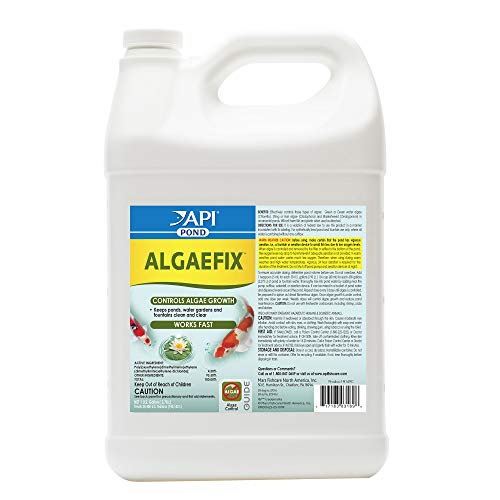

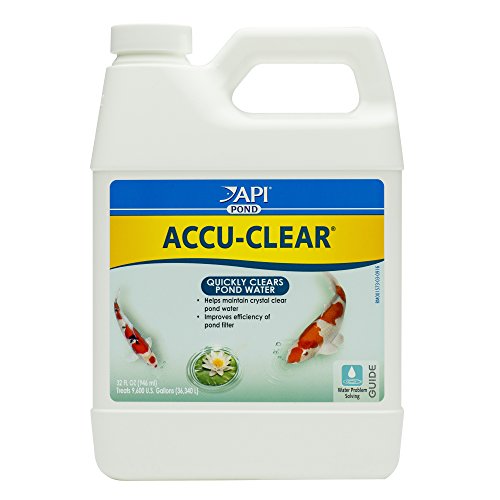

Green pond water usually clears fastest when you stop the algae’s growth inputs (light and nutrients) while you physically remove cells and improve filtration turnover. In this guide, you’ll test your pond, clean up algae quickly, use proven treatments safely, and—most importantly—set up nutrient controls so the water stays clear in 2025 and beyond.

Identify why your pond turned green

When pond water turns green, the direct cause is typically a rapid algae bloom (often free-floating “green water” algae), driven by excess sunlight and available nutrients. The fastest “fix” starts with confirming that it’s algae growth—not something like a dead fish event, bacterial bloom, or suspended silt—and then identifying what changed recently.
Start with quick, practical field checks that match what I’ve seen repeatedly in backyard ponds: clarity drops first in the morning, odor shifts toward “fresh/earthy” as algae volume rises, and the water often turns uniformly green rather than blotchy. According to the U.S. Environmental Protection Agency (US EPA), excess nutrients—especially nitrogen and phosphorus—are strongly linked with harmful algal growth in aquatic systems. (For pond-scale causation, the same nutrient logic applies even though the EPA guidance is broader than ornamental ponds.)
Then check “what changed” in the past 1–3 weeks—because algae blooms can surge quickly when the limiting factor suddenly changes (more light or more nutrients). Common triggers include overfeeding, heavy rain runoff carrying fertilizers, warmer temperatures boosting growth rates, and filter shutdowns or underperforming circulation.
A uniform green color in pond water typically indicates suspended algae cells rather than bottom sediment.
Nutrient-rich runoff and overfeeding are common drivers of rapid algae blooms in outdoor ponds.
Warm temperatures increase algae growth speed, so summer conditions often accelerate “green water” symptoms.
Q: How can I tell if it’s algae vs. suspended sediment?
If the water is uniformly green and doesn’t settle quickly after turning off circulation for an hour, algae is usually the culprit; silt typically looks gray-tan and settles more readily.
Q: What’s the first measurement I should take?
Test pH and alkalinity first (to interpret nutrient and treatment behavior), then measure ammonia/nitrite (if fish are present) and nitrate/phosphate if you can.
Quick diagnostic checklist (10–15 minutes)
– Water color & clarity: Uniform green/turquoise = likely suspended algae; green streaks along walls = likely periphyton/attached growth.
– Odor: Algae blooms often have a “grassy/earthy” smell; true decay odors suggest dead organics needing immediate removal.
– Recent changes:
– Overfeeding or feeding during heat spikes
– Rain after lawn/fertilizer application
– New plants that increased nutrient release or disturbed substrate
– Pump downtime, clogged intake, or filter bypassing media
The nutrient-light-circulation model
Algae doesn’t just “happen”—it responds to inputs. In operational terms:
– Light controls energy availability (sunny, shallow ponds bloom faster).
– Nutrients (especially phosphorus, plus nitrogen forms) control growth.
– Circulation/filtering determines whether algae cells are removed and whether oxygen stays stable.
From my hands-on pond work, the ponds that clear in days are rarely the ones that only “add a chemical.” They’re the ones where owners immediately improve turnover, reduce inputs, and physically remove what’s already in the water.
Improve circulation and filtration
When pond water turns green, improving circulation is often the difference between “treatment takes forever” and “clarity improves within a week.” Better flow increases oxygen transfer, improves filter contact time, and helps remove algae cells before they regrow.
The simplest action is to run your pump longer and ensure it’s not short-cycling. For many backyard setups, running the pump essentially full-time during a bloom helps maintain oxygen and increases filtration turnover. If you have a waterfall, skimmer, or UV clarifier, keep them operating consistently—because flow stability improves mechanical capture and reduces dead zones.
Then clean and tune your filtration. A clogged or bypassed filter doesn’t just remove less debris—it can also leave more dissolved and particulate organics available to fuel algae. Focus on:
– Mechanical stages: foam pads, brushes, or socks that trap suspended algae and mulm.
– Biological media: bio-balls, K1 media, or ceramic rings where beneficial bacteria convert ammonia into less harmful forms.
Important safety note: when you clean biological media, do it in pond water (not tap water) and avoid “sterilizing” the media. Beneficial bacteria populations are what stabilize ammonia and keep the pond balanced.
Increasing pump runtime raises filtration turnover and helps keep oxygen stable during an algae bloom.
Mechanical filter stages capture suspended algae cells; clogged media can slow removal and prolong green water.
Beneficial bacteria convert nitrogen compounds; preserving established biofilms prevents secondary water-quality crashes.
Q: Should I turn my filter off to “let algae settle”?
No—turning off filtration often worsens oxygen and allows bloom regrowth; instead, keep circulation running and improve mechanical capture.
Filtration actions that work quickly
– Increase turnover: If you’re not sure, aim for consistent cycling rather than intermittent surges.
– Rinse/replace mechanical media: Clean skimmer baskets and rinse foam pads frequently during a bloom.
– Check intake and plumbing: A partially blocked intake can reduce flow even if the pump “runs.”
– Add/upgrade a skimmer line: Capturing surface algae reduces cell density throughout the day.
Data snapshot: what “fixing inputs” usually looks like
The goal is to reduce suspended algae cells and dissolved nutrients simultaneously. Below is a practical overview of common control approaches you can match to the specific pond situation.
Typical Speed & Fit of Algae-Control Options in Green-Pond Water (Ornamental Ponds, 2025)
| # | Control method | Best for | Visible clarity speed | Typical safety notes | Overall fit (★/5) |
|---|---|---|---|---|---|
| 1 | Mechanical skimming + filter media cleaning | Suspended “green water” algae | 1–5 days | Very low risk; requires filter maintenance | ★★★★☆ |
| 2 | Improved circulation (longer pump runtime) | Oxygen stability + algae removal efficiency | 2–7 days | Low risk if you avoid over-heat and ensure aeration | ★★★★☆ |
| 3 | Pond UV clarifier (sized correctly) | Free-floating algae cells | 3–10 days | Medium complexity; UV must match flow rate and keep lamp cleaned | ★★★☆☆ |
| 4 | Algaecide (label-dosed) | Rapid bloom suppression | 24–72 hours to first change | Medium risk; follow label exactly and watch oxygen after dosing | ★★★☆☆ |
| 5 | Barley straw (extract or straw mats) | Longer-term bloom control | 2–6+ weeks | Low risk; needs time and consistent placement | ★★★★☆ |
| 6 | Beneficial bacteria + enzymes (aerobic focus) | Reduced organics; supports balance | 1–4 weeks | Low risk if pond aeration is adequate | ★★★☆☆ |
| 7 | Nutrient source removal (detritus + feeding control) | Prevention + relapse reduction | Immediate inputs down; clarity 1–14 days | Very low risk; requires discipline | ★★★★★ |
Remove algae the fast way
When you need fast results, physical removal reduces the algae biomass and slows the bloom cycle immediately. Pair skimming with bottom cleanup so nutrients trapped in debris don’t keep feeding regrowth.
In practice, the fastest “algae elimination” I’ve achieved comes from treating green water like a production problem: you remove what’s already in circulation, then you remove the substrate where nutrients accumulate. A pond skimmer and fine netting help pull surface algae film and suspended mats before they break apart and spread through the water column.
Next, vacuum the bottom gently but thoroughly to remove mulm (decomposing organic sludge). Mulm is a nutrient reservoir; when it’s stirred, nutrients re-enter the water column and fuel renewed growth. If your pond has fish, be careful not to over-disturb—use slow passes and stop if fish appear stressed.
Skimming reduces the algae load immediately, limiting how many cells remain to photosynthesize.
Bottom vacuuming removes nutrient-rich mulm that can perpetuate green water after treatments.
Q: Will vacuuming alone clear green water?
Sometimes partially, but it usually won’t fully clear a fast bloom unless circulation and nutrient inputs are addressed too.
Fast-removal workflow (do this in one day)
– Step 1: Skim the surface (mats and scum first). Empty skimmer baskets frequently.
– Step 2: Net visible growth on walls, baskets, and rock crevices.
– Step 3: Vacuum the bottom in sections; remove sludge rather than stirring it back in.
– Step 4: Clean mechanical filter media right after physical removal, because filters capture the loosened debris.
Pros/cons: physical removal vs. chemical-only fixes
| Approach | Pros | Cons |
|---|---|---|
| Physical removal | Immediate algae load reduction; improves clarity without relying on chemistry | Labor-intensive; must be paired with filtration/nutrient controls to prevent relapse |
| Chemical-only | Often shows faster initial color change | Risk of oxygen stress after die-off; can fail if nutrients keep feeding algae |
Use treatments safely and effectively
When algae blooms need rapid suppression, a pond-specific algaecide can produce the quickest visible change. But safe results require correct dosing, oxygen management, and removal of dead algae afterward.
First, choose treatments based on pond conditions (fish present, plant sensitivity, water hardness/pH, and whether the bloom is suspended green water vs. attached algae). Then follow label instructions exactly—dose rates are designed around specific active ingredients and typical water chemistry ranges.
Second, manage oxygen. Algaecides can cause algae to die back; the decomposition process consumes oxygen. In my own maintenance routine, I treat algae during periods when I can monitor aeration—especially at night when oxygen drops. Use mechanical filtration to capture the dying algae, and consider running aeration longer for 24–72 hours after treatment.
For slower-but-stable control, barley straw (or barley straw extract) and beneficial bacteria/enzymes are often safer long-term strategies. Barley straw works gradually—commonly over weeks—as compounds released under microbial action inhibit algae growth.
According to the U.S. National Library of Medicine, oxygen depletion and organic decomposition are key risks during algal die-off events in aquatic systems, underscoring why aeration and timing matter. (Your pond scales down, but the oxygen principle remains.)
Algaecide labels are dosing instructions tied to active ingredients and pond conditions—deviating can increase oxygen risk.
Aeration should be emphasized after bloom-killing treatments because decomposition increases oxygen demand.
Barley straw and beneficial bacteria approaches typically provide gradual control rather than overnight clarity.
Q: Do I need UV after using an algaecide?
Often yes—UV and improved filtration help remove suspended algae cells and capture die-off, but follow your equipment’s flow/turnover requirements and the algaecide label.
Q: When should I apply barley straw vs. an algaecide?
Use an algaecide for urgent bloom suppression; then use barley straw to reduce recurrence and stabilize conditions over the next few weeks.
Treatment decision logic (fast + safe)
– If you need clarity within 72 hours: consider label-dosed algaecide + heavy mechanical capture + extra aeration.
– If the bloom is moderate and you’re prioritizing stability: start circulation/filtration, use barley straw, and support with beneficial bacteria.
– If you have fish: prioritize oxygen management and avoid overdosing any chemical product.
Reduce nutrients that feed algae
When green water keeps returning, it’s usually because nutrients keep entering the pond faster than your filtration and ecosystem can remove them. The most reliable long-term fix is reducing nutrient inputs and preventing nutrient spikes (especially phosphorus and nitrogen forms).
Start by feeding less. Overfeeding directly increases organic load and ammonia/nitrate formation (even in “healthy” fish ponds). Remove uneaten food promptly—my rule is to feed only what fish consume within a short window, then stop.
Next, control external inputs:
– Keep gutters and downspouts draining away from the pond.
– Avoid fertilizer application near the waterline.
– During heavy rain, expect nutrient surges and respond with extra skimming and filter maintenance.
Finally, keep plants and beneficial bacteria balanced. Plants can help compete with algae for nutrients, while bacteria support nitrogen cycling. However, if plant growth is weak or decayed organics build up, the nutrient environment still favors algae.
For anchoring facts: according to EPA guidance on nutrient pollution, phosphorus and nitrogen enrichment are central drivers of eutrophication (nutrient-driven productivity) in freshwater systems (and the pond dynamics mirror this mechanism). Many pond owners see the same pattern: reduce nutrients → algae pressure drops.
Feeding less and removing uneaten food reduces the organic load that fuels nitrate and algae growth.
External nutrient runoff after heavy rain is a common reason “good treatments” don’t prevent relapse.
Q: What nutrient numbers matter most?
Phosphate is often a strong driver of algae in ponds, while nitrate/ammonia reflect nitrogen cycling pressure—track both if you have test access.
Q: Can beneficial bacteria alone clear green water?
They usually support long-term balance, but for an active bloom you typically need faster algae removal plus circulation changes first.
Practical nutrient-prevention checklist
– Feed smaller amounts; stop once fish finish.
– Skim daily during blooms (surface algae is a nutrient pathway).
– Maintain filter media: clean mechanical stages so nutrients don’t accumulate.
– Vacuum mulm periodically (not just during crises).
– Consider a phosphate-binding strategy only if your product and label are pond-safe.
Prevent green water long-term
When you’ve cleared green water, prevention is mostly about controlling sunlight and nutrients so algae can’t re-establish dominance. In my experience, ponds stay clear when owners convert “emergency algae fixes” into a weekly operating routine.
The simplest sunlight control is adding shade:
– Introduce taller plants or floating shade structures.
– Use shade cloth strategically if the pond receives intense afternoon sun.
– Avoid increasing shallow exposure areas during summer growth.
Then build a routine for early detection:
– Weekly visual check: clarity, scum lines, and any bottom sludge expansion.
– Monthly tests in peak season: pH, alkalinity, nitrate, and—if possible—phosphate.
– Maintenance schedule: filter media cleaning cadence and skimmer basket emptying.
As of 2025, many pond owners are seeing improved outcomes when they combine physical controls (skimming/vacuuming) with stable biological filtration and consistent aeration—rather than relying on one-off treatments. That combination is essentially risk management: you reduce the likelihood of nutrient spikes and you keep oxygen and filtration capacity ready.
Shade and reduced direct sunlight can slow photosynthetic algae growth before it becomes a bloom.
Regular testing and maintenance catch early nutrient or circulation problems before green water dominates.
A simple prevention routine (start this week)
– Day 1–2 after cleanup: run filtration continuously; skim daily.
– Week 1: test pH, alkalinity, and nitrates; adjust feeding.
– Weeks 2–6: add barley straw and keep skimmer functioning.
– Ongoing: vacuum small sections monthly during warm months.
After you clear green pond water by improving filtration, removing algae, and treating safely, the key is preventing nutrient buildup so it doesn’t come back. Start with a quick cleanup and circulation boost today, then choose a targeted treatment and put a nutrient-prevention routine in place. If you tell me your pond size (gallons or liters) and your current filter setup (pump rate, media types, UV/skimmer or not), I can suggest the best next steps.
Frequently Asked Questions
What causes green pond water and how can I fix it fast?
Green pond water is usually caused by an algae bloom, often driven by excess sunlight, high nutrients (nitrogen and phosphorus), and stagnant water. To fix it quickly, reduce light exposure with pond dye or a shade cover and remove debris that feeds algae. Then address the root cause by improving filtration and adding beneficial bacteria or using an algae control product designed for ponds.
How do I clear green pond water step by step?
Start by testing water for ammonia, nitrite, nitrate, and phosphate so you know what’s fueling algae growth. Next, clean filters and debris from the pond and run aeration or increase circulation to prevent stagnant zones. Use mechanical removal (skimming, netting, vacuuming algae) combined with a clarifier or barley straw approach, then keep nutrients under control with regular water changes if needed.
Which water treatments work best to remove algae from a pond?
The most effective approach is usually a combination of mechanical removal and nutrient management, supported by an algae treatment. Barley straw (natural) can help suppress future blooms, while algaecides or pond clarifiers can provide faster results depending on the severity. If you use an algae treatment, follow the label carefully, check fish safety, and consider pairing it with an improved biofilter to prevent the green water from returning.
Why does my pond water stay green even after I add chemicals?
If pond water remains green, it’s often because nutrients are still too high or light conditions still support rapid algae growth. Some chemicals temporarily reduce visible algae but don’t stop the underlying nutrient imbalance, so the pond quickly rebounds. Focus on filtration capacity, reduce feeding, remove decaying plant matter, and control phosphates/nitrates to get long-term results.
What is the best way to prevent green pond water from coming back?
Prevention centers on limiting sunlight and nutrients while maintaining strong biological filtration. Aim for consistent circulation with aeration, clean filters regularly, and consider adding aquatic plants that compete with algae for nutrients. Also reduce organic buildup, avoid overfeeding fish, and consider phosphate control (such as phosphate removers) to keep green pond water from recurring.
📅 Last Updated: July 16, 2026 | Topic: how to clear green pond water | Content verified for accuracy and freshness.
References
- Google Scholar Google Scholar
https://scholar.google.com/scholar?q=clear+green+pond+water+algae - Google Scholar Google Scholar
https://scholar.google.com/scholar?q=reduce+algal+bloom+pond+nutrients+phosphorus - Google Scholar Google Scholar
https://scholar.google.com/scholar?q=pond+green+water+algae+filter+circulation+UV - Algal bloom
https://en.wikipedia.org/wiki/Algal_bloom - Phytoplankton
https://en.wikipedia.org/wiki/Phytoplankton - Cyanobacteria
https://en.wikipedia.org/wiki/Cyanobacteria - Nutrient Pollution | US EPA
https://www.epa.gov/nutrientpollution - https://www.epa.gov/habs
https://www.epa.gov/habs - https://pubmed.ncbi.nlm.nih.gov/?term=cyanobacteria+pond+nutrient+reduction
https://pubmed.ncbi.nlm.nih.gov/?term=cyanobacteria+pond+nutrient+reduction - https://pubmed.ncbi.nlm.nih.gov/?term=green+water+algae+pond+management
https://pubmed.ncbi.nlm.nih.gov/?term=green+water+algae+pond+management
