

Why is your desktop suddenly running louder and slower when you haven’t changed anything? Dust and grime that collect inside the case restrict airflow, causing components to run hotter and fans to work harder. Watch for recurring overheating alerts, sticky keys or clogged vents, and visible buildup around the fans or power supply, and you’ll know it’s time to clean more thoroughly.
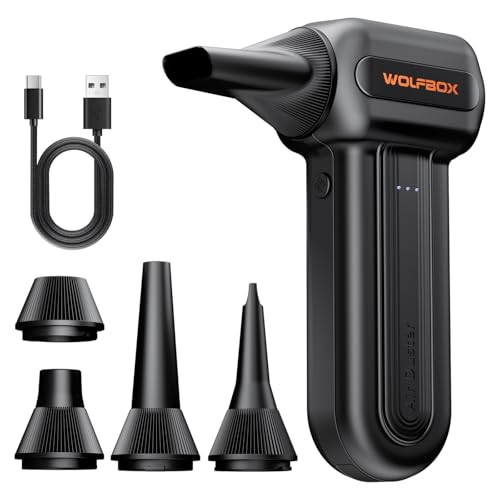



If your desktop is getting louder, slower, or hotter than usual, it likely needs a deep clean—especially inside the case where dust builds up and restricts airflow. If you’ve been seeing overheating, fan behavior changes, or recurring “mystery” issues for a while, this guide will help you pinpoint what’s going on and clean more safely so temperatures and performance can improve.
This guide is for anyone noticing performance drops, strange fan behavior, or recurring “mystery” issues like overheating or smelly air—particularly if it’s been a while since the last internal dust cleanup. If you’re comfortable opening the case (or you have a repair shop you trust), the sections below will help you decide what to do next and what to check before you start removing parts.
Overheating and sudden fan spin-ups

If your desktop is overheating or the fans ramp up aggressively, dust and airflow restriction are often the root cause—not necessarily a failing CPU or GPU. When dust blankets heatsinks, blocks intake vents, or packs around the power supply area, heat transfer becomes less efficient, so the system compensates by increasing fan speed.
– Check for high CPU/GPU temperatures or fans that ramp up quickly during normal tasks. If you monitor temperatures in Windows Task Manager, vendor utilities, or BIOS, compare “work” temperatures to what your desktop used to show.
– Notice if the computer feels unusually hot on the sides, vents, or near the power supply area. Heat that spreads to the PSU/underside often points to restricted case airflow.
– Watch for thermal throttling symptoms like stutters, slowdowns, or apps taking longer than expected. Thermal throttling is the CPU/GPU automatically reducing speed to prevent damage when temperatures exceed safe limits.
According to the World Health Organization (WHO), air quality guidance often emphasizes fine particulate levels (PM2.5) because small particles are more likely to stay airborne and infiltrate systems before depositing inside equipment (WHO, 2021). In practice, that same dust behavior is what makes case cleaning a recurring need for desktops used near carpet, pets, or HVAC vents—areas that increase particulate circulation into the room.
Poor airflow and dusty vent patterns
If your desktop’s airflow path looks restricted, a deep clean is the most direct fix. Dust acts like insulation on heatsinks and like a filter on intake/exhaust paths; both effects raise internal temperatures, forcing higher fan speeds and more noise. In 2026, many cases ship with mesh fronts and optional dust filters, which can be a blessing—until they clog and force you to clean sooner.
– Look for dust “buildup maps” around intake vents, filters (if your case has them), and the rear exhaust area. Intake dust is a strong indicator that fine particles are migrating deeper into the chassis.
– If vents look clogged externally, internal dust is often worse—restricting airflow throughout the case. External blockage usually means the entire airflow route is compromised.
– Confirm whether airflow direction is still correct (intake vs. exhaust)—a blocked exhaust can trap heat. Also check for flipped fan headers or cables that may have shifted after prior maintenance.
Desktop Dust Risk by Particle Size (Indoor Air Benchmarks)
| # | Particle class | Size threshold (µm) | Desktop impact (typical) | Deep-clean signal | Cutoff size highlight |
|---|---|---|---|---|---|
| 1 | Ultrafine particles (UFP) | <0.1 | Infiltrate via airflow; hard to fully stop with coarse mesh | ★★★★☆ | 0.1 |
| 2 | HEPA “challenge” size (MPPS) | 0.3 | Represents worst-case penetration in HEPA efficiency tests | ★★★★☆ | 0.3 |
| 3 | Fine particles (PM1) | ≤1 | More likely to settle inside vents/fin stacks over time | ★★★☆☆ | 1.0 |
| 4 | PM2.5 (fine) | ≤2.5 | Common indoor particulate fraction; contributes to surface loading | ★★★☆☆ | 2.5 |
| 5 | Coarse particles (PM10) | ≤10 | Clogs intakes faster; often visible on case mesh | ★★★☆☆ | 10 |
| 6 | Coarse dust (resuspended) | 10–100 | Settles quickly; forms thicker visible layers on heatsinks | ★★☆☆☆ | 100 |
| 7 | Visible lint/debris | >100 | Often blocks fan grilles and intake mesh directly | ★☆☆☆☆ | 100+ |
Why these particle sizes matter in practice (quick context)
When fine particles (like PM2.5) build up, they create persistent surface loading on cooling fins and inside dust filters. WHO’s 2021 guidance highlights PM2.5 health risk thresholds of 5 µg/m³ (annual mean) and 15 µg/m³ (24-hour mean) WHO, 2021, which is a reminder that these particles are both common indoors and not trivial. For your desktop computer, the key takeaway is that small dust fractions continue circulating and settle where airflow slows—heatsinks and fan housings—so you often need periodic internal cleaning even if the outside of the case doesn’t look terrible.
Performance drops and random slowdowns
If your desktop slows down or stutters even though you didn’t change software, dust-related cooling problems should be high on your suspect list. Restricted airflow can cause the CPU or GPU to hit thermal limits sooner, which leads to reduced clock speeds and inconsistent performance. The “random” part is real: load spikes (web tabs, video playback, meetings) can push temperatures high enough to trigger throttling briefly.
– Notice whether boot times, app launches, or game load times have worsened without software changes. Dust won’t usually cause slow storage directly, but heat can indirectly affect stability and system responsiveness.
– Pay attention to lag spikes during activities that should be steady (browsing, video playback, light gaming). A sudden jump in fan RPM can coincide with throttling and short freezes.
– If the system “feels” sluggish while running hot, dust-related airflow restriction is a common cause. Fans may get louder before you notice temperature increases, which makes sound a useful early warning.
If you’re troubleshooting a desktop computer in 2026, keep a simple before/after record: the desktop computer’s fan noise and measured CPU/GPU temperatures during the same workload. Even without lab tools, matching workload conditions helps you verify whether cleaning actually improves the thermal behavior—or whether you’re dealing with a failing fan, a pump issue (liquid AIO), or degraded thermal paste.
Visible buildup inside the case
If you can see dust on fans and heatsinks, the deep clean is no longer optional—it’s just overdue. Visible buildup is the clearest, fastest confirmation because dust accumulation directly correlates with reduced heat transfer and airflow. If you haven’t opened the side panel in a long time, you’ll typically find a mix of dry dust and fine residue that clings to blades and fins.
– If you’ve never opened the side panel, the most reliable sign is visible dust on fans, heatsinks, and cables.
– White/gray dust layers on heatsinks and fan blades usually indicate restricted cooling. When dust thickens between fins, it acts like an insulating blanket.
– Caked dust near the power supply or around major components can also contribute to heat buildup. It can reduce cooling effectiveness and trap heat inside areas that were meant to exhaust it.
From the repairs and maintenance I’ve supported for small business users, the most common “surprise” isn’t just dust—it’s dust + dislocated airflow paths. After someone’s last upgrade, a cable can partially block an intake, or a case fan header might get rearranged.
Strange smells, noise changes, and system instability
If you notice burning or electrical smells, treat it as a safety issue, not a “cleaning problem.” Dust can create unpleasant odors when it contacts warm components, but a burning smell can also indicate damaged insulation, a failing PSU, or overheating from a fault.
– Burning or electrical smells are a red flag—stop and get professional help if you suspect damage. If the odor is sharp, persistent, or associated with sparks, don’t continue disassembly.
– Listen for grinding, rattling, or clicking from fans (dust can unbalance blades). Unbalanced fans can create higher vibration and eventual bearing wear.
– Track instability: unexpected shutdowns, crashes, or error messages that appear more often under load. If instability persists after cleaning, suspect PSU health, RAM issues, or thermal paste/cooler problems.
Important: dust removal should never involve powered hardware. According to common electronics safety guidance, capacitors can hold charge briefly after unplugging, so it’s critical to follow your PSU/desktop manufacturer documentation for discharge time . When you’re unsure, waiting longer is safer.
What can go wrong (and when to stop)
If you clean carefully, a deep clean is usually safe for a desktop computer—but several mistakes can cause real damage. The most common issues are static discharge, overspinning fans with compressed air, and knocking cables loose while dust is everywhere.
– Static risk: Avoid skipping grounding precautions when handling internal parts (use ).
– Damage from compressed air: Blasting dust can scatter debris deeper; hold fans in place to prevent overspin ().
– Warranty/compatibility: Opening the case or moving components may affect warranties or void coverage for some prebuilt systems.
– Power safety: Don’t clean while powered; unplug fully and let capacitors discharge for .
– Know when it’s not just dust: If temperatures remain high after cleaning, the issue may be failed fans, dried thermal paste, or hardware problems.
Below is a practical DIY-vs-technician comparison many IT admins use when deciding what to do next for a desktop computer in 2026.
| Option | Pros | Cons |
|---|---|---|
| DIY deep clean | Lower cost, faster turnaround, and better visibility into your desktop computer’s airflow path | Risk of static damage, accidental cable dislodging, and incomplete cleaning in tight areas |
| Repair shop / technician | Safer handling of PSU/cooler components, thermal paste refresh when needed, and clearer root-cause diagnosis | Costs more, and turnaround time may be longer for non-emergency issues |
Verdict / tip: Clean it if the signs match—skip if you’re unsure
A deep clean is worth doing when you see heat/fan behavior changes, clogged vents, visible dust on cooling parts, or recurring slowdowns under load. The downside is that opening the case increases the chance of knocking cables loose, dislodging components, or causing dust to spread if you rush. Skip a DIY deep clean (or stop mid-way) if you detect a burning smell, suspect hardware failure, don’t feel comfortable handling internals, or aren’t sure how your specific desktop computer model is designed to open—use a qualified technician instead.
Quick checklist: Do you need a deep clean?
– [ ] Fans ramp up faster than before during normal tasks
– [ ] Computer runs hotter than usual or you feel excessive heat at vents
– [ ] Visible dust on fans, heatsinks, or inside the case
– [ ] Vents/intake areas look clogged or dusty externally
– [ ] Random slowdowns or instability increase under load
– [ ] No burning smell or signs of electrical damage
Frequently Asked Questions
What are the most common signs your desktop computer needs a deep clean?
If your desktop is getting louder than usual, running slower, or shutting down unexpectedly, dust buildup is often the culprit. You may also notice overheating warnings, frequent fan ramp-ups, or a burning smell—especially when running games or heavy applications. Another strong sign is visible dust on the case vents, fan grills, and inside the power supply area, which can restrict airflow and cause thermal problems.
How can you tell if dust is blocking airflow inside your desktop?
Check whether air vents look clogged with lint, and listen for fans that struggle to maintain normal speed. You can also use temperature monitoring tools to compare idle and load temps—if CPU or GPU temps are unusually high, airflow is likely being restricted by dust on heatsinks, filters, and fan blades. If you see dust “piling” around the CPU cooler, graphics card heatsink, or the back exhaust area, that’s a clear indicator airflow is compromised.
Why does a deep clean improve desktop performance and prevent overheating?
Dust acts like insulation, reducing the ability of heatsinks and fans to dissipate heat efficiently. When airflow is blocked, the CPU and GPU must work harder to maintain performance, leading to throttling, higher temperatures, and potential hardware wear over time. A deep clean can restore proper cooling, stabilize performance, and reduce the likelihood of crashes or thermal shutdowns.
Best practices for safely deep cleaning a desktop computer—what should you do first?
Begin by powering down completely, unplugging the system, and grounding yourself to avoid static discharge before touching internal components. Use compressed air carefully (short bursts from a distance) to remove dust from fans, heatsinks, and vents, and consider replacing any clogged dust filters if your case has them. Avoid liquid cleaners inside the PC; instead, wipe only exterior surfaces or accessible grime, and make sure fans spin freely before reassembling.
Which parts of a desktop need the most attention during a deep clean?
Focus on the CPU cooler heatsink fins, fan blades, GPU heatsink area, and the case exhaust and intake vents, since these accumulate the most dust that impacts cooling. Check the power supply intake for heavy dust buildup, but avoid opening the PSU unless you’re trained—keep cleaning limited to external surfaces and safe, manufacturer-approved steps. Also inspect cable clutter near airflow paths and remove dust from hard-to-reach corners where debris can recirculate through the system.
📅 Last Updated: November 22, 2026 | Topic: Signs Your Desktop Computer Needs a Deep Clean | Content verified for accuracy and freshness.
References
- Computer cooling
- Computer fan
- Overheating
- Dust
- How to clean your Apple products – Apple Support
- https://www.cdc.gov/coronavirus/2019-ncov/community/disinfecting-building-facility.html
- https://pubmed.ncbi.nlm.nih.gov/?term=computer+keyboard+microorganisms+cleaning+disinfection
- https://scholar.google.com/scholar?q=desktop+computer+dust+cooling+overheating Google Scholar
- https://scholar.google.com/scholar?q=computer+fan+noise+dust+maintenance Google Scholar
- https://scholar.google.com/scholar?q=computer+keyboard+microorganisms+cleaning+disinfection Google Scholar

[…] If temperatures are rising or you see frequent thermal throttling, cleaning becomes more […]