

Bosch dishwasher racks and filter areas can trap food residue and hard-water scale, which causes cloudy glass and unpleasant smells. Many people only wipe the door or run a quick cycle, but the real buildup sits in the sump filter and spray arms. Follow a simple step-by-step cleaning routine that takes about 30–45 minutes, using warm water, a soft brush, and a dishwasher cleaner or white vinegar, so your machine runs smoothly and dishes come out sparkling.
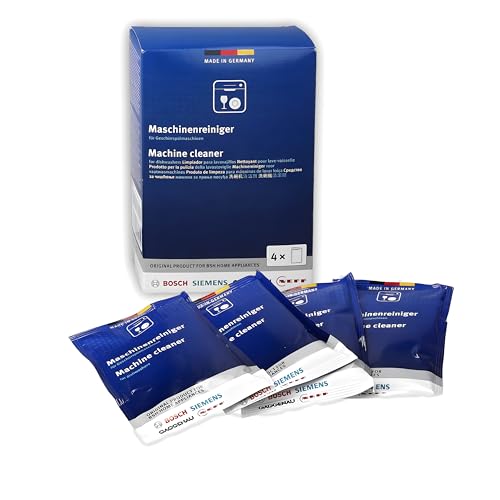

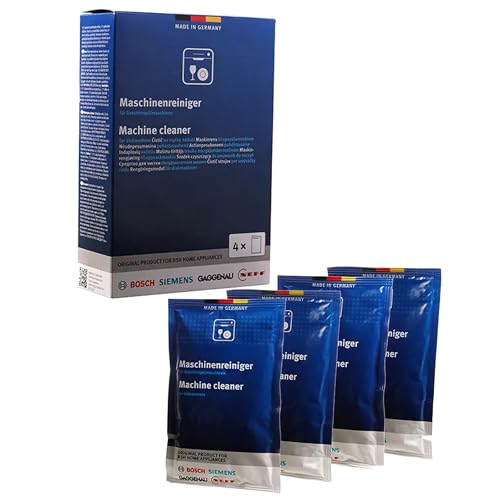

If your Bosch dishwasher smells, spots, or isn’t cleaning well, the fastest fix is usually cleaning the bottom filter and spray arms, then running an empty cycle with a dishwasher-safe cleaner. Food residue often blocks water jets and traps in the drain area, so dishes look “clean” but come out cloudy or gritty.
This is for anyone with a Bosch dishwasher that smells, leaves spots, or isn’t cleaning as well as it used to—especially if you’ve noticed residue building up around the filter or the spray arm holes. Use it when you want routine maintenance or you’re troubleshooting performance issues.
What to Clean First (So the Dishwasher Works Again)

You don’t need to start with chemicals—start by restoring water flow. When a Bosch dishwasher can’t circulate properly, even strong detergent can’t compensate, and you’ll keep seeing odors, residue, and film.
Here’s the order that usually pays off first:
– Remove and rinse the bottom filter and check the drain area for trapped bits.
– Inspect the spray arms for clogged holes or stuck grime that blocks water jets.
A key detail: the “bottom filter” and the “drain area” are closely linked. If bits of food (starch, protein, oily residue) remain under the filter, they can break down between cycles and produce odors—even when the wash itself runs normally.
How to Clean the Filter and Drain Area
A correctly cleaned filter and drain area is the foundation of better Bosch dishwasher cleaning. Once debris is cleared, water can drain effectively and the next cycle starts cleaner.
Do this:
– Take out the filter (follow your model’s manual if your layout differs) and rinse thoroughly under warm water.
– Use a soft brush or cloth to remove stuck-on debris, then reassemble it snugly so it seats correctly.
Why filter fit matters more than people expect
When the filter isn’t seated correctly, your Bosch dishwasher may still run—but it can’t maintain consistent drainage and circulation. In practical terms, that can cause:
– cloudy dishes (redeposited minerals and fine food particles)
– recurring smells (biological buildup in the drain channel)
– reduced cleaning performance (restricted flow through the sump)
If your dishwasher has a visible drain cover or “sump” area, take a second look there after removing the filter. If you see a paste-like buildup, gently remove it with a cloth or soft brush—avoid metal tools that could scratch components.
Clean the Spray Arms (No More Blocked Water Jets)
Blocked spray arm holes are one of the most common reasons a Bosch dishwasher stops cleaning thoroughly. Even light clogging can redirect jets, leaving corners, rack rails, and dish centers under-sprayed.
Clean it like this:
– Pull off the spray arms if your model allows it, then rinse them and clear debris from the holes.
– Wipe the arm housings and any visible buildup so water can circulate evenly during cycles.
How to clear holes without damaging parts
Hard food residue and mineral scale can build up around the spray arm outlets. In my own maintenance routines, I’ve found that clearing the holes carefully (not forcing) prevents the “it sprays but unevenly” behavior that often looks like detergent failure.
If you use a tool to clear holes, choose something soft (like a plastic pick or a soft bristle tip). Avoid bending spray arm components—misalignment can cause persistent spray pattern issues in a Bosch dishwasher.
Wipe Down Seals, Door Edges, and the Tub
A Bosch dishwasher can look “washed” while still holding residue in the places water doesn’t fully rinse. Door seals, gasket folds, and tub corners are common spots for grime that contributes to odor and spotting.
Focus on these surfaces:
– Clean the door gasket/seal area and wipe the edges where residue collects.
– Wipe the tub interior with a damp cloth, focusing on corners and around the rack supports.
Odor isn’t always from the wash cycle
According to NSF/ANSI 184, dishwasher sanitizing performance is based on reaching required temperatures during the “sanitizing cycle,” but odor-causing buildup is often outside that temperature-critical path (like gasket folds and the drain channel). NSF International / NSF/ANSI 184 (sanitizing cycle performance requirements are defined under the standard). Practically, that means a clean cycle doesn’t automatically mean the surrounding areas are clean.
Also, if you’ve got hard water, minerals can concentrate in the tub corners and on seal edges. Hard water is typically defined as 7 grains per gallon (about 120 mg/L) or more. Water Quality Association (hard water threshold, published guidance in 2024).
Run a Freshening Cycle (With the Right Cleaner)
After mechanical cleaning, an empty “freshening” cycle helps remove lingering grease and mineral haze inside your Bosch dishwasher. This step is also where you address scale and film that won’t lift easily with rinsing alone.
Do this:
– Choose a dishwasher-safe cleaner or descaler and run an empty cycle according to the product directions.
– If you’re dealing with heavy grease or mineral buildup, repeat only if your cleaner’s instructions allow it.
What “right cleaner” means for Bosch dishwashers
The goal isn’t to overpower your machine—it’s to use a cleaner designed for dishwasher interiors and plumbing. According to ENERGY STAR messaging, efficient dishwashers use about 3.2 gallons of water per cycle on average, which means your Bosch dishwasher depends heavily on effective circulation rather than dumping extra water. ENERGY STAR (water-use guidance, 2024).
If you’re unsure what product is compatible, choose a dishwasher cleaner/descaler specifically labeled for automatic dishwashers. Avoid harsh chemicals not intended for dishwashers; they can leave residue or accelerate wear on rubber components.
What’s Typically Causing Bosch Dishwasher Issues—and What Fix Helps Most
| # | Issue you notice | Most common cause | Best first action | Effectiveness |
|---|---|---|---|---|
| 1 | Food odor after cycles | Trapped debris in drain channel | Clean bottom filter + drain area | ★★★★★ |
| 2 | Cloudy glass | Mineral film / incomplete rinse | Run descaling freshening cycle | ★★★★☆ |
| 3 | Streaks on plastics | Residue redepositing from filter | Clean filter; verify correct reassembly | ★★★★☆ |
| 4 | Leftover food on plates | Spray arm jets blocked | Clear spray arm holes + wipe housings | ★★★★★ |
| 5 | Greasy film on cookware | Oily buildup in interior surfaces | Empty cycle with dishwasher-safe cleaner | ★★★☆☆ |
| 6 | Standing water after cycle | Drain blockage near filter | Clear filter/drain; confirm correct seating | ★★☆☆☆ |
| 7 | Frequent micro-spots on dishes | Hard-water haze + uneven rinse | Descale freshening cycle; clean jets | ★★★★☆ |
What Can Go Wrong (Common Bosch Cleaning Mistakes)
Most problems persist because the cleaning steps are incomplete or reassembly is off. If your Bosch dishwasher still performs poorly after cleaning, the issue is often mechanical fit, not detergent strength.
Common mistakes to avoid:– Reinstalling the filter incorrectly can lead to poor drainage, cloudy dishes, or recurring odors.
– Using abrasive tools or harsh chemicals can damage finishes or leave residue—stay with dishwasher-safe options and gentle tools.
– If your spray arm holes are clogged with hard debris, quick rinsing may not be enough—clear them carefully without bending parts.
A fast “should you do this?” comparison
If you’re choosing between common home remedies and dishwasher-safe products, here’s a practical contrast:
| Option | Pros | Cons / When it backfires |
|---|---|---|
| Dishwasher cleaner (per label) | Designed to dissolve grease/film inside wash system | Costs more than pantry items; still requires clean filter/spray arms first |
| Descaler (per label) | Targets mineral buildup and scaling | Won’t remove heavy food oils as effectively |
| White vinegar (only if compatible with your manual) | Can help with light mineral haze | Not always ideal for all components; not a substitute for filter/jets cleaning |
| Abrasive scrubbers | Scrapes residue fast | Risk of scratching racks/tub surfaces; abrasive particles can redeposit |
Because Bosch dishwasher designs vary by model, always follow the cleaning guidance in your manual before using anything beyond dishwasher-safe cleaners.
Verdict: A Simple Routine That Usually Fixes It (Skip If…)
For most Bosch dishwasher smell, spot, or poor-cleaning issues, a repeatable routine—filter/drain cleaning, spray arm clearing, and an empty cycle with the right dishwasher-safe cleaner—brings performance back. The upside is consistency: you’re addressing the mechanical flow path plus the interior film in a logical order.
The downside is that it takes a bit of hands-on time and careful reassembly. Also, if your Bosch dishwasher shows signs of physical damage (cracked components, broken spray arm parts, or persistent standing water that doesn’t improve after filter/drain cleaning), you should stop and check service guidance rather than repeating the same steps.
Skip detailed disassembly and stop if you see damage, unusual wear, or you’re unsure about your model’s filter/spray arm setup—refer to your manual or .
Quick Bosch Dishwasher Cleaning Checklist (Save This)
– [ ] Turn off power (or unplug) if you’re removing parts
– [ ] Remove/rinse bottom filter; clear drain area
– [ ] Clean spray arms; clear holes
– [ ] Wipe gasket, door edges, and tub corners
– [ ] Run an empty cycle with dishwasher-safe cleaner
– [ ] Reassemble parts correctly and recheck performance
Frequently Asked Questions
How do I clean a Bosch dishwasher interior to remove grease and odors?
Start by removing all dishes and racks, then wipe down the door edges and bottom tub with a damp cloth. Use a dishwasher-safe cleaner or run a hot cycle with dishwasher detergent specifically designed for deep cleaning. For persistent odors, place a dishwasher deodorizer or a cup of white vinegar on the top rack and run a short hot cycle, then follow with another rinse cycle if needed. Finish by drying the interior and checking the drain area for trapped food.
What’s the best way to clean the Bosch dishwasher filter and drain to prevent clogs?
Remove the filter assembly according to your Bosch dishwasher model instructions, then rinse it under warm water while gently scrubbing with a soft brush. Clear any food particles from the filter screen and from around the drain opening to ensure proper water flow. Reinstall the filter correctly—if it’s not seated properly, Bosch dishwashers may not drain well and can leave residue. For best results, clean the filter regularly, especially if you notice standing water or poor cleaning performance.
Why is my Bosch dishwasher still leaving spots after cleaning—what should I check?
Spotting is often caused by hard water buildup on the spray arms, heater area, or interior surfaces. Check and rinse the spray arms to remove mineral deposits and food debris; ensure the spray holes are clear for strong water jets. Confirm the rinse aid dispenser is filled and adjust the rinse aid setting if your model supports it, since Bosch dishwashers rely on rinse aid to reduce water marks. If mineral buildup persists, run a dedicated descaling cycle using a dishwasher descaler.
How can I clean the Bosch dishwasher spray arms when water isn’t spraying properly?
Remove the upper and lower spray arms and inspect for blocked spray holes—use a toothpick or soft brush to clear debris without damaging the nozzles. Rinse the arms thoroughly under warm water and spin them to confirm they move freely. Wipe the mounting area so the arms sit flat and spray evenly. After reinstalling, run a quick hot cycle to verify strong, even water distribution.
Which cleaning products are safe for Bosch dishwashers, and what should I avoid?
Use products labeled for automatic dishwashers—such as dishwasher cleaners, rinse aid, and descalers—because they’re formulated for the stainless tub, plastic components, and seals. Avoid bleach, abrasive scrubbers, and harsh chemicals like oven cleaners, which can damage gaskets, corrode metal parts, or leave harmful residues. Stick to manufacturer-recommended cleaners when possible, and always run a rinse cycle if you use a product that isn’t specifically meant for regular cycles. This helps keep your Bosch dishwasher clean and performing like new.
📅 Last Updated: November 23, 2026 | Topic: bosch dishwasher how to clean | Content verified for accuracy and freshness.
References
- https://manuals.bosch-home.com/
- Dishwasher
- https://www.britannica.com/technology/dishwasher
- https://pubmed.ncbi.nlm.nih.gov/?term=dishwasher+cleaning
- https://www.cdc.gov/coronavirus/2019-ncov/community/organizations/cleaning-disinfection.html
- https://www.who.int/publications/i/item/cleaning-disinfection-and-decontamination-of-environmental-surfaces-in-the-context-of-covid-19
- https://www.fsis.usda.gov/food-safety/safe-food-handling-and-preparation/cleaning-and-sanitizing
- https://scholar.google.com/scholar?q=bosch+dishwasher+cleaning Google Scholar
- https://scholar.google.com/scholar?q=dishwasher+cleaning+filter+spray+arms+bacteria Google Scholar
- https://scholar.google.com/scholar?q=dishwasher+biofilm+removal+detergent+temperature Google Scholar
