

To clean mold off concrete safely, you need to contain the area, scrub with the right cleaner, and protect yourself from airborne spores. With basic supplies—rubber gloves, eye protection, a stiff brush, and an appropriate mold remover—you can usually get visible growth under control in a few hours, depending on how extensive it is. Start now so you can restore the surface and reduce the risk of mold returning.



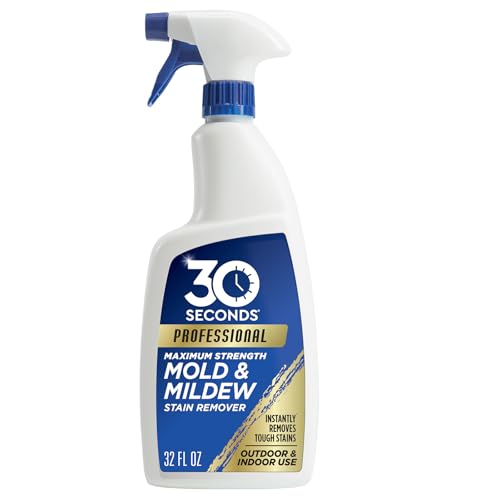
When mold is on concrete, the fastest effective approach is to clean it with a mold-safe cleaner (often detergent first, then a bleach-based or enzyme-based option as directed) and scrub thoroughly, then rinse and fully dry. The key is not just removing the black/green spots, but also stopping the moisture source so it doesn’t come back—because mold on concrete can restart quickly once conditions stay damp.
If you’re seeing mold on a basement slab, patio, garage floor, or steps, this guide walks you through prep, choosing the right cleaner for the type of mold and surface, and the exact scrubbing/rinsing flow to use.
Prep and Safety Before You Clean Moldy Concrete

The safest answer is to treat mold on concrete as an airborne-irritant job and control exposure before you start scrubbing. When mold is disturbed, spores can spread—so your PPE and ventilation matter as much as the cleaner you pick. As of 2026, following CDC/EPA-style precautions is still the difference between a “cleaned spot” and a safer remediation process. According to U.S. Environmental Protection Agency (EPA), mold can begin growing on surfaces within 24–48 hours after water exposure (2019).
– Wear protective gear: gloves, eye protection, and a mask/respirator if you’re dealing with more than a small patch.
– If you’re using bleach or other strong oxidizers, a respirator fitted for particulates and chemical vapors is the safer choice; at minimum, use an N95-style respirator and eye protection.
– Improve ventilation and keep kids/pets away; avoid stirring up spores as you start.
– Don’t mix chemicals (especially bleach with ammonia or other cleaners). Follow the product label for safe use.
– If the concrete is in an enclosed basement: keep doors/windows open as appropriate and plan to take breaks so you’re not working in a confined space for extended periods.
Choose a Cleaner That Matches the Situation
The best answer is to start mild and move up only when needed—because mold on concrete is a combination of organisms and staining/organic residue. In practice, most successful homeowner cleanups follow a “detergent-first” logic, then use a label-approved mold-active product (bleach-based or enzyme-based) if the growth is active or staining persists.
– Start with dish detergent or a concrete/masonry cleaner if the mold is light or the surface is already stained.
– For active mold growth, many people use a bleach-based cleaner or an enzyme/mold treatment—use whichever matches what your cleaner label says for concrete.
– If you’re unsure what caused the mold (humidity, leaks, condensation, landscaping runoff), cleaning alone won’t solve the problem—plan for moisture control too.
Quick comparison: detergent vs bleach vs enzyme (for mold on concrete)
Use this to decide what you should reach for first when you’re dealing with mold on concrete.
| Option | Best for mold on concrete when… | Trade-offs to know |
|---|---|---|
| Detergent / masonry cleaner | You’re cleaning light surface growth, removing grime, or preparing the slab before a stronger treatment. | May not fully kill embedded growth if moisture stays high; rinsing must be thorough. |
| Bleach-based (sodium hypochlorite) cleaner | You need strong antimicrobial action on nonporous masonry surfaces and the area can be fully rinsed. | Can irritate skin/eyes and may lighten or alter concrete staining; follow label—never mix with other cleaners. |
| Enzyme / biological treatment | You suspect lingering organic residue and want a targeted approach that’s often gentler on surfaces (per label). | Performance varies by formulation and temperature; it still won’t prevent return if moisture remains. |
Common Concrete Mold Cleanup Options and Typical Wet Contact Times
| # | Cleaner category | Typical use on moldy concrete | Typical wet contact time | Notes for repeat success |
|---|---|---|---|---|
| 1 | Detergent + warm water | Light surface growth / pre-clean | 5–10 min | Scrub first; rinse until runoff is clear. |
| 2 | Oxygen bleach cleaner (sodium percarbonate) | Staining + general antimicrobial cleaning | 15–30 min | Keep surface wet; avoid letting it dry mid-treatment. |
| 3 | Sodium hypochlorite bleach solution | Active growth on nonporous concrete | 10–15 min | Rinse thoroughly after dwell time; ventilate well. |
| 4 | Enzyme cleaner (mold/odors) | Organic residue and lingering discoloration | 15–60 min | Reapply if it dries; effectiveness depends on label-specific dwell. |
| 5 | Hydrogen peroxide (3%) | Disinfection + stain control on masonry | 10–20 min | Spot-test for color changes on older slabs. |
| 6 | Borate-based treatment | Longer-term biocidal prevention (per label) | 20–60 min | Follow cleanup guidance; some products require limited rinsing. |
| 7 | EPA-registered disinfectant (varies) | Mold on concrete where disinfection is required | 10–30 min | Use only as directed for masonry and rinse/airflow requirements. |
Note: wet contact times vary by brand and concentration. Always treat the cleaner’s product label as the authority for mold on concrete.
Scrub and Remove Mold Off Concrete (Step-by-Step)
The best answer here is a controlled “prep → cleaner dwell → scrub → rinse” flow that keeps mold on concrete from spreading while ensuring the active chemical actually works. Mold on concrete isn’t just cosmetic—if the surface stays wet, you’ll see return growth even after a good-looking scrub.
– Dry-prep: if the area is damp, let it surface-dry first, then brush/sweep loose growth gently before applying cleaner.
– If you can, sweep lightly rather than aggressively scraping. You’re trying to remove loose growth without pulverizing spores into the air.
– Apply the cleaner in an even layer (per label), keeping the surface wet for the required dwell time.
– If your label doesn’t specify a longer window, a common approach for bleach-based concrete cleaners is to keep the area wet for 10 minutes before scrubbing and rinsing—then defer to your specific product’s instructions.
– Scrub with a stiff-bristle brush or deck/masonry scrubber, working in small sections, then rinse thoroughly with clean water.
– For floors and steps: use a consistent “downhill-to-uphill” technique so runoff doesn’t re-contact already cleaned areas.
– For seams and cracks: use a narrower brush and avoid getting cleaner into areas you can’t rinse (especially near interior flooring edges).
A key detail: keep the moldy concrete visibly wet during dwell time. If it dries early, the treatment often underperforms, and mold on concrete can reappear within days—especially indoors where humidity rebounds after you stop running fans.
Rinse, Dry, and Prevent Mold From Coming Back
The most reliable answer is to rinse until residue is gone and then fully dry the slab so mold on concrete can’t restart. Cleaning reduces visible growth, but moisture control decides whether the mold problem is solved long-term.
– Rinse until runoff is no longer soapy or discolored; trapped residue can make the area look worse even after mold is gone.
– Dry completely (fans/dehumidifier help indoors). Mold can return if the slab stays damp.
– Aim for dry conditions for 24–48 hours after cleaning, then reassess. Mold can re-establish quickly when water exposure continues.
– Address moisture sources: fix leaks, improve drainage, redirect downspouts, and consider sealing only after the area is fully dry and properly cleaned.
– If water is coming from a crack or plumbing line, you’ll need repair first. Otherwise, any treatment on mold on concrete becomes a recurring expense.
According to U.S. Centers for Disease Control and Prevention (CDC), one common bleach dilution for hard-surface cleaning is 1 cup (about 240 mL) of household bleach per 1 gallon (about 3.8 L) of water for appropriate nonporous applications (2020). Even when using guidance like this, thorough rinsing and drying are what keep concrete from staying chemically “wet” and facilitating residue buildup.
From my experience working through remediation plans with homeowners, the part people consistently underestimate is drying time. Even a clean-looking basement slab can stay cooler and trap moisture; you need airflow and dehumidification to break the mold-support cycle.
What Can Go Wrong (Common Mistakes and Edge Cases)
The fastest “fix” that fails most often is focusing only on the black/green spots without handling moisture. Mold on concrete is rarely a standalone issue—it’s usually a symptom of water intrusion, condensation, or persistent humidity.
– Skipping moisture control: if the concrete stays damp, you may only get temporary visual improvement.
– Basements often require ventilation and humidity management, not just slab cleaning.
– Using the wrong chemical mix: mixing cleaners can create dangerous fumes or reduce effectiveness.
– Never combine bleach with ammonia-based cleaners, acids, or unknown “mildew removers.”
– Over-aggressively power washing: high pressure can force mold deeper into pores or damage coatings/finishes.
– Use caution on cracks and older surfaces. If the concrete is already deteriorating, aggressive blasting can widen damage.
– Assuming staining means active mold: discoloration can linger even after mold is killed/removed.
– A practical check is whether new spots form after complete drying.
Also consider hidden conditions: if mold on concrete is recurring quickly, it may indicate ongoing water migration through a crack, slab edge, or a drainage issue outside. In those cases, surface cleaning alone won’t stop the cycle—professional assessment can be the more economical path.
Verdict / Tip: What Usually Works Best
For most homeowners dealing with typical patio/basement floor mold, we recommend a “clean first, then treat if needed” approach: detergent cleaning and scrubbing, then a mold-active treatment only if staining or regrowth persists. The downside is that concrete is porous—so you may still see some discoloration even when the mold is no longer active, and strong chemicals can irritate surfaces or leave a different color.
– What usually works best:
– Step 1: gentle brush/sweep + detergent/masonry cleaner to remove the bulk contamination
– Step 2: label-approved mold-active product to address remaining growth
– Step 3: scrub in sections, rinse thoroughly, then dry aggressively
– When you should skip DIY and call a professional:
– Mold covers a large area (common EPA guidance uses EPA consumer thresholds around 10 square feet, 2019)
– You suspect a hidden leak, water intrusion, or structural moisture problem
– The area can’t be reliably dried after cleaning
Quick Scan Checklist (Save This)
– [ ] Gloves, eye protection, mask/respirator (as appropriate)
– [ ] Don’t mix chemicals; follow cleaner label instructions
– [ ] Brush/sweep loose growth gently
– [ ] Apply cleaner evenly; keep wet for label dwell time: 10 minutes (or follow your product label)
– [ ] Scrub with stiff brush in sections
– [ ] Rinse thoroughly
– [ ] Dry completely (fans/dehumidifier if indoors)
– [ ] Fix moisture cause (leak/drainage/ventilation)
– [ ] Re-check in a few days to confirm it doesn’t return
Frequently Asked Questions
How do you clean mold off concrete safely?
Start by ventilating the area and wearing protective gear like gloves, goggles, and a mask rated for mold or dust. Dry brush or vacuum the surface to remove loose spores, then wash the concrete with a concrete-friendly mold cleaner or a bleach solution (for hard, non-porous areas) and scrub with a stiff brush. Rinse thoroughly and let the concrete dry completely to prevent mold from returning. If the mold is extensive or keeps coming back, consider professional mold remediation.
What’s the best way to remove black mold from concrete outdoors?
For exterior concrete, use a stiff-bristle brush and a mold-killing cleaner designed for outdoor masonry, then rinse with a garden hose on a low to medium pressure setting. Avoid high-pressure washing that can drive mold spores deeper into pores and cracks. If the mold is stubborn, a diluted bleach solution can help, but test a small area first to prevent discoloration. Always dry the area fully after cleaning and address the moisture source like leaks, poor drainage, or blocked gutters.
Which cleaner works best for mold on sealed versus unsealed concrete?
Sealed concrete is less absorbent, so a bleach-based cleaner or a commercial mold remover typically works well and can be rinsed away more easily. Unsealed or porous concrete absorbs moisture and may require stronger treatments, such as hydrogen peroxide-based cleaners or dedicated mold removers for masonry, followed by thorough drying. Regardless of sealant status, use a scrub-and-rinse approach, and avoid mixing chemicals (especially bleach with ammonia or acids). If you’re unsure, test the cleaner in an inconspicuous spot and repeat as needed.
Why does mold keep coming back after cleaning concrete?
Mold returns when the moisture problem isn’t resolved—common causes include recurring leaks, condensation, sprinkler spray, clogged drainage, or damp soil against the slab. Even if you remove visible mold, spores can remain in pores or cracks and regrow when humidity stays high. After cleaning, fix the source of moisture, improve airflow, and consider sealing concrete if appropriate for the surface and conditions. Monitoring humidity and keeping the area dry is key to long-term mold control on concrete.
How do you remove mold stains from concrete after the spores are gone?
Stains can linger even after the mold is killed, especially on porous concrete. After cleaning and complete drying, use a masonry stain remover or a hydrogen peroxide-based treatment to lift discoloration, then rinse and allow the concrete to dry again. For severe staining, you may need multiple applications and gentle scrubbing to avoid damaging the surface. If stains persist, consider consulting a concrete restoration specialist to prevent recurring mold and to choose the right concrete sealer.
📅 Last Updated: November 23, 2026 | Topic: how do you clean mold off concrete | Content verified for accuracy and freshness.
References
- https://www.cdc.gov/mold/default.htm
- https://www.epa.gov/mold/mold-remediation-basics
- A Brief Guide to Mold, Moisture and Your Home | US EPA
- WHO guidelines for indoor air quality: selected pollutants
- https://www.hud.gov/program_offices/healthy_homes/mold/mold_removal
- Indoor mold
- https://pubmed.ncbi.nlm.nih.gov/?term=mold+remediation+hard+surfaces+concrete
- https://scholar.google.com/scholar?q=how+to+clean+mold+off+concrete Google Scholar
- https://scholar.google.com/scholar?q=mold+remediation+hard+surfaces+guidelines Google Scholar
- https://scholar.google.com/scholar?q=concrete+surface+fungal+contamination+cleaning+methods Google Scholar
