

Oven door glass and the surrounding frame quickly accumulate baked-on splatter, and many people make the mistake of scrubbing too aggressively or using the wrong cleaner, which leaves streaks or scratches. With a simple mix of dish soap, warm water, and a gentle baking-soda paste (plus a microfiber cloth and glass-safe cleaner), you can lift the grime without damage. Plan for about 20–30 minutes for a noticeably cleaner, clearer door.



If your oven door has grease streaks, baked-on drips, or cloudy glass, this guide is for you. It’s especially helpful for people who want a practical, low-hassle method using common supplies—while avoiding common damage like scratching the glass (important as oven finishes and internal seals vary by model, even in 2026).
Prep and safety before you clean

Clean oven door mess safely by fully cooling the appliance and controlling drips before they spread. This is the fastest way to prevent smearing and reduce the risk of damage to the oven door glass, metal coating, or gasket materials.
– Let the oven cool fully, and unplug it if you can for extra safety.
– Remove loose debris with a dry cloth or paper towel so you’re not grinding grime around.
– Protect the surrounding area (countertop/floor) with towels to catch drips.
When the oven door is hot, residue can soften and smear deeper into the oven door trim and gasket area. Also, hot glass is more susceptible to cracking if it experiences sudden temperature changes (thermal shock). Even if you plan to use lukewarm water, start with a fully cool oven door so your cleaning process stays predictable and gentle.
According to Whirlpool’s guidance on pyrolytic/self-cleaning cycles, the oven operates at very high temperatures during self-clean (around 900°F / 500°C depending on model) Whirlpool appliance documentation (self-clean cycle guidance) . That’s exactly why you should never treat the glass like it’s ready “for any cleaner right now.” As of 2026, many manufacturers still emphasize cooling before wipe-down work to prevent seal damage.
Clean the door glass (inside and outside)
Clean the oven door glass with baking-soda paste first, because it lifts grease without relying on harsh abrasives. This approach is a strong default for cloudy oven door glass, especially when streaking is caused by baked-on fat residue rather than true staining.
– Make a baking-soda paste (baking soda + a little water), then apply gently to the glass.
– Let it sit long enough to soften grease, then scrub lightly with a non-abrasive sponge.
– Wipe clean with a damp cloth, and finish with a dry microfiber to reduce streaks.
Baking soda is mildly alkaline and works well on oily films. According to PubChem, sodium bicarbonate (baking soda) is NaHCO₃, and its aqueous solutions are typically basic (around pH ~8.3) PubChem (sodium bicarbonate entry) . In practice, that means it helps loosen grease so it can be wiped away rather than baked further by repeated scrubbing.
A key detail for oven door glass: apply paste with light pressure. You’re not “scrubbing forever”—you’re letting chemistry and time do the heavy lifting, then using gentle abrasion to remove softened residue. If the glass looks cloudy mainly around drips near the edges, spend extra time letting paste dwell there before you wipe.
If you’re deciding between baking soda and a commercial cleaner, remember that oven door glass often sits beside temperature-sensitive seals. In my experience, the safest path is to start mild and only escalate if needed; if your model requires special handling for the oven door glass, the manufacturer manual should override any DIY method.
After you wipe, finish with a dry microfiber cloth. That last step matters: it reduces streaking by removing the thin film left behind when damp residue smears across the oven door glass.
Chemistry Behind Common Oven-Door Cleaners (Key Active Compounds)
| # | Active compound | Role on grease | Molar mass (g/mol) | Oven-door glass compatibility |
|---|---|---|---|---|
| 1 | Sodium bicarbonate (NaHCO₃) | Mild base to lift oily films | 84.01 | ★★★★☆ |
| 2 | Acetic acid (CH₃COOH) | Cuts mineral/film residue | 60.05 | ★★★☆☆ |
| 3 | Citric acid (C₆H₈O₇) | Acid to dissolve scale-like haze | 192.12 | ★★★☆☆ |
| 4 | Hydrogen peroxide (H₂O₂) | Oxidizes discoloration | 34.01 | ★★★★☆ |
| 5 | Sodium hydroxide (NaOH) | Strong base—effective but high risk | 40.00 | ★☆☆☆☆ |
| 6 | Ammonia (NH₃) | Base degreaser; can attack seals | 17.03 | ★☆☆☆☆ |
| 7 | Isopropyl alcohol (C₃H₈O) | Quick-drying to reduce haze | 60.10 | ★★★☆☆ |
Clean the metal frame and handle area
Clean the oven door’s metal frame with a mild degreaser so you remove grease without leaving residue that re-bakes. The metal around the handle is often where oils and fingerprints accumulate, so wiping thoroughly matters as much as the initial clean.
– Use a degreasing cleaner or a mild dish-soap mix on the metal parts.
– Scrub soft grime with a non-scratch pad; avoid steel wool or harsh abrasives.
– Rinse-wipe with a damp cloth so no cleaner residue bakes on later.
Metal finishes (painted, brushed, or satin) can be easier to damage than oven door glass. That’s why you should avoid “aggressive scrubbers” and instead rely on a degreaser on a soft pad. If you only use water, you may smear oils; if you only use strong chemicals, you may leave behind residues that bake during the next oven run.
From a process standpoint, do metal last after the oven door glass so you don’t re-contaminate the glass with drips. When you rinse-wipe, use a damp cloth rather than a soaking spray around the oven door edges—especially near seams and trim where moisture can travel.
Tackle stuck-on drips without scratching
Tackle baked-on oven door drips by softening first, then repeating gentle cleaning cycles instead of forcing one aggressive scrub. This method prevents scratches and reduces the chance of loosening trims near the oven door seal.
– For hardened spots, reapply paste and repeat short scrubbing rather than forcing.
– Use a plastic scraper/old credit-card edge only if needed and only on glass surfaces where appropriate.
– If your oven door has vents or creases, use a soft brush to lift residue instead of pushing it deeper.
Stuck-on drips are often a combination of fat + carbonized residue. When paste sits, it hydrates and loosens the greasy layer; when you scrub briefly and wipe, you remove the softened material before it re-adheres.
If you use a scraper on oven door glass, treat it as an “assist,” not a primary method. Keep the edge flat and use minimal pressure. Avoid scraping metal trim—scratches there can become permanent and harder to clean later.
If your oven door has vents or decorative creases, don’t press grime into the creases. Use a soft brush (like a detail brush) so the loosened residue has somewhere to go when you wipe.
Comparison: common approaches for stubborn oven door mess
| Approach | Best for | Main risk to avoid |
|---|---|---|
| Baking-soda paste + dwell | Cloudy oven door glass and greasy drips | Scrubbing too hard before residue softens |
| Mild degreaser + rinse-wipe | Metal frame grease and handle area film | Cleaner residue re-baking if not wiped |
| Plastic edge scraper (glass only) | Only the worst oven door glass drips | Scratching edges/trim if used on metal |
What can go wrong (and how to avoid it)
Avoid the most common oven door cleaning failures by controlling temperature, tool choice, and how much cleaner reaches the seal area. These mistakes can cause cracked glass, lingering odors, or permanent scratches that no future cleaning will fully fix.
– Don’t clean a hot oven door—thermal shock can crack glass and loosen parts.
– Avoid abrasives on the glass and painted/finished metal, since scratches can become permanent.
– Be careful with the door’s seal/trim: cleaners that seep into gaps can cause lingering odors—test a small area first.
– If your door has an internal glass panel, don’t disassemble unless your oven manual explicitly allows it.
Thermal shock is the big one. If you rinse the oven door glass with cool water right after baking, the temperature difference can stress the glass. Even if it doesn’t crack immediately, it may weaken so the oven door glass is more vulnerable later.
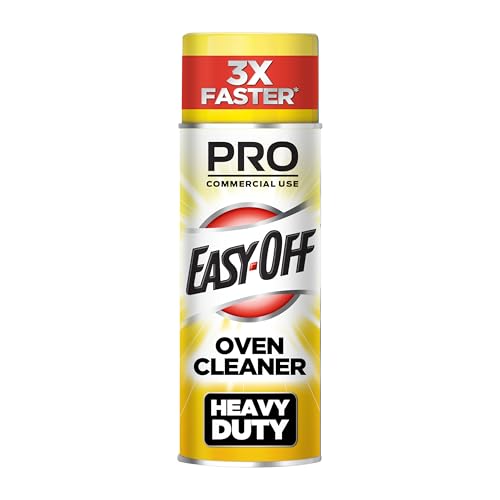
Next, consider chemical compatibility. Many “heavy duty oven cleaners” use strong alkalis like sodium hydroxide. Those products can be effective, but they can also increase risk around oven door seals and trim. For comparison, household vinegar is acidic; U.S. regulations generally allow vinegar products to be around 4–7% acetic acid depending on the labeling and type U.S. FDA (vinegar/acetic acid labeling context) . Acidic cleaners can help dissolve film haze, but strong alkalis and acids can both cause problems if they seep into gasket materials.
Finally, resist the temptation to disassemble an oven door with internal glass panels. If the oven manual doesn’t explicitly allow it, removal can misalign seals or damage clips that keep the oven door glass stable.
Verdict: the safest approach + when to skip it
Use this method if your oven door glass is cloudy, streaked, or covered in baked grease: cool the oven, loosen residue, use baking-soda paste for the glass, and a mild degreaser for the metal—then wipe and dry. Here’s why: it minimizes abrasion on oven door glass, limits cleaner seepage near seals, and reduces the chance of leaving residue that bakes on next use.
Skip DIY cleaning (or at least pause and follow the manual) if:
– Your oven door glass looks cracked or chipped.
– You’re unsure whether the oven door allows internal glass removal.
– The oven manual warns against certain cleaners (especially near seals, vents, or the oven door trim).
If you do have a complicated oven door design (double-glazed glass or specialized seals), follow manufacturer-specific steps first. This is especially important in 2026, because ovens frequently vary by brand, finish type, and gasket chemistry even when the cleaning goal looks identical.
Quick checklist (save this)
– [ ] Oven fully cool (and power off if you can)
– [ ] Wipe loose debris first
– [ ] Paste for glass (gentle scrubbing only)
– [ ] Degrease metal frame with non-abrasive tools
– [ ] Rinse-wipe, then dry to prevent streaking
– [ ] Avoid seal/trim seepage
Frequently Asked Questions
How do I clean my oven door without scratching the glass?
Let the oven door cool completely, then remove loose debris with a soft damp cloth or non-scratch sponge. For glass, use a dedicated oven glass cleaner or a paste of baking soda and water, applying gently with a microfiber cloth. Avoid steel wool and abrasive pads, and always wipe away residue with clean water afterward so streaks don’t bake on next use. If your door has interior glass panels, follow the manufacturer’s instructions—some models are not meant to be taken apart.
What’s the best way to clean an oven door with heavy grease buildup?
Mix baking soda and water into a thick paste, spread it over the greasy areas of the oven door, and let it sit for 20–60 minutes. Wipe off with a damp cloth, then follow with a degreasing cleaner for any remaining grime, especially around the edges and handle. For stubborn spots, reapply the paste and use a soft brush or non-scratch pad, but keep pressure light to protect the finish. Finish by drying thoroughly to prevent water spots and streaking.
Why is my oven door still dirty after cleaning, and how can I remove baked-on residue?
Often residue remains because it was wiped away before it fully loosened or because cleaner was not left long enough to break down baked-on food. Try reapplying a baking soda paste and letting it sit longer, then wipe with a damp cloth and repeat once more for stubborn areas. For areas where grease collects at seams, use a cotton swab or soft toothbrush dipped in cleaner to work grime out. Always rinse/wipe with clean water so chemical residue doesn’t attract more dirt.
Which oven door parts should I clean carefully to avoid damage?
Clean the door glass and painted or coated surfaces with non-abrasive tools, but be cautious around hinges, vents, and the door seal. Avoid soaking the hinge area or allowing liquid to run into electrical components, sensors, or the gasket. If your oven door has a gasket, wipe it gently and don’t scrub aggressively, since rough handling can compromise the seal. If you’re unsure whether the inner glass panels can be removed, stick to surface cleaning and consult the oven manual.
How do I clean between the glass panels on my oven door?
Only attempt to clean between the oven door glass panels if your oven model allows glass removal—many do not. If allowed, open the door as instructed by the manufacturer, carefully remove the inner glass panels, and wipe them with a non-abrasive glass cleaner or baking soda paste. Use a microfiber cloth and avoid harsh scrapers that can damage tempered glass coatings. Reassemble exactly in the correct order and ensure all clips or brackets are securely fastened before using the oven.
📅 Last Updated: November 23, 2026 | Topic: how do i clean my oven door | Content verified for accuracy and freshness.

 -81%
 -73%
 -70%
[…] harm than good. The good news is you can clean pearls safely in about 10 minutes using only a soft microfiber cloth, a small bowl of lukewarm water, and a tiny amount of mild, fragrance-free soap. Follow a gentle […]
[…] wrong cloth), or moisture traveled where it shouldn’t—so the safest fix is less liquid, more dry microfiber, and strict “no-spray-directly-on-the-device” […]