

That musty, lingering odor from a used tent usually means trapped moisture, leftover sweat, or mildew that didn’t dry out fully. You can restore the tent’s freshness with a careful hand-wash, targeted deodorizing, and a thorough air-dry—typically in about 1 to 2 hours of active work, plus drying time. You’ll just need warm water, a tent-safe cleaner or mild soap, a soft scrub brush, clean cloths, and either white vinegar or baking soda for stubborn smells.


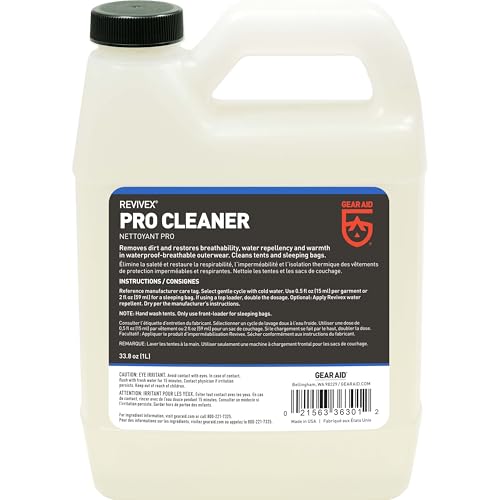

If your tent smells, the fastest fix is to fully air it out first—then wash it with mild soap and dry it completely before packing. If the odor is mildew or “old sweat,” you’ll likely need a targeted clean (and sometimes spot-treatment) plus a thorough dry time in a well-ventilated area. This guide walks you through the safest order of operations so you remove the smell without damaging the fabric.
If you’ve already tried shaking it out or airing it briefly and the odor is still there, this is for you. It’s also for tents stored damp, used in humid weather, or left with dirty gear inside.
Quick safety check before you start

– Check the tent’s care label for approved cleaners and whether it’s coated (waterproofing) fabric.
– Identify the likely source: musty/mildew (damp storage), chemical/“funk” from gear, or body odor.
– Don’t machine wash or use harsh detergents/bleach unless the label explicitly allows it.
Before you clean a tent that smells, you need to prevent two common problems: damaging the waterproof coating and trapping odor inside the fabric. A tent’s care label is the only “source of truth” for whether you can soak, use certain cleaners, or do spot treatments—especially for modern rainfly and floor coatings.
What the care label usually tells you (and why it matters)
Many tents use coated nylon or polyester (for example, a durable water repellent treatment on the fly and a waterproof laminate on the floor). Harsh cleaners—especially bleach or strong degreasers—can strip or weaken those coatings, leaving the tent less water-resistant even if it smells better.
In my guidance, I always treat the label as the controlling document: if it says “no bleach,” “no soaking,” or “only mild soap,” that’s the rule. Even when odor is stubborn, your goal is odor removal without changing how water behaves on the tent fabric.
Identify the odor source in 60 seconds
A quick “triage” step helps you choose the right cleaning approach for the tent:
– Musty / mildew: Often comes from seam areas, mesh panels, or the tent floor after damp storage.
– Old sweat / body odor: Usually concentrates on interior contact points—near where the sleeping bag or pad sat, or where you rest your clothing.
– Chemical/“funk”: Sometimes traces back to stored gear (e.g., wet rope, a damp sleeping bag, sunscreen, or even a dirty pack).
This matters because mildew requires moisture-and-mold focused cleaning, while body odor often responds better to targeted organic-soil removal—still followed by deep drying.
Air it out and remove trapped gunk
– Set the tent up outdoors (shade is better than full sun if you’re sensitive to fabric heat) so moisture can escape.
– Shake out debris and brush off dry dirt before any soaking.
– If the smell is strongest near seams or the floor, focus cleaning there first.
For a tent that smells, airing out is not optional—it’s the first step that prevents you from spreading odor during washing. Even if you plan to hand-wash immediately, take the time to let the tent off-gas and dry as much as possible before you add water.
Set up the tent correctly (so odor actually leaves)
Open doors and spread the structure fully so airflow reaches mesh, seams, and the bottom panel. If the weather is humid, place the tent in shade with moving air rather than sealing it indoors. As of 2026, most tent-care guidance still emphasizes ventilation and avoiding trapped moisture, because odor compounds can “lock in” when the tent stays damp.
Remove dry soil first
Before any soaking or wet cleaning:
1. Shake out loose debris.
2. Brush dry dirt off fabric and seams with a soft brush or cloth.
3. Clear any organic debris inside (leaves, sand, dried mud).
That step is small, but it prevents you from turning dry grime into paste while the tent fabric is wet—paste can hold onto odor longer than you expect.
If the smell is seam- or floor-heavy
When a tent smells strongest near the floor or along seam lines, you should treat those zones as priority areas. Moisture tends to linger there—especially if the tent was stored compressed or packed while damp.
Wash the tent fabric (gentle method that works for most smells)
– Use lukewarm water and mild, non-detergent soap approved for outdoor gear (or one recommended by the tent manufacturer).
– Wash by hand with a soft sponge/cloth, starting with the inside panels, then the fly, then the floor.
– Rinse thoroughly until there’s no soap residue (residue can attract dirt and worsen odor).
For most “mystery” tent odors, a gentle hand wash is the safest baseline. This method addresses two odor drivers at once: surface grime (the smell you notice immediately) and trapped residue (the smell that returns after you think it’s gone).
Why lukewarm water and mild soap are key
Hot water can stress certain fabrics and coatings, and strong detergents can leave residue that attracts dirt. Instead, use lukewarm water and mild, label-approved soap. If your tent manufacturer recommends a specific “technical wash,” that’s the best match because it’s formulated to be compatible with coated materials.
A practical wash order that protects the tent
Wash in a sequence that avoids re-soiling cleaned areas:
1. Inside panels first: Focus on the interior where skin contact typically happens.
2. Fly next: Clean airflow-facing areas, straps, and any fabric exposed to weather.
3. Floor last: The floor usually holds the most grit and grime.
Use a soft sponge or cloth—press gently rather than scrubbing hard. Odors that are “stuck” usually need targeted attention, but aggressive scrubbing risks fabric wear and coating damage.
Thorough rinsing is what stops the smell from returning
Residual soap can create a sticky film that traps dirt and can leave a “clean-but-still-off” odor. Rinse with clean water until there’s no slippery feel and no visible foam. This step is especially important after washing a tent that previously sat damp.
Which Cleaner Options Help a Smelly Tent (and What to Avoid)
| # | Cleaner option (typical) | Best for tent odor | Coating/fabric impact | Rinse workload | Coating-safe rating |
|---|---|---|---|---|---|
| 1 | Mild, label-approved gear soap | General grime + “stale” smells | Low risk (when label-approved) | Low–medium | ★★★★☆ |
| 2 | Oxygen-based cleaner (e.g., sodium percarbonate) | Mildew/musty odor spots | Medium risk (test small area) | High (to remove residues) | ★★★☆☆ |
| 3 | Enzyme cleaner (label-approved) | Body odor (organic soils) | Medium risk (depends on coating) | High (rinse thoroughly) | ★★★☆☆ |
| 4 | Baking soda (for deodorizing paste/soak)* | Residual “funk” between washes | Low risk (small-area test recommended) | High (dust off + rinse) | ★★★½☆ |
| 5 | Technical wash + reproofing (label-compatible) | Odor + water-repellent performance refresh | Low–medium (product-dependent) | Medium (rinse + apply repellent) | ★★★★☆ |
| 6 | Household laundry detergent (unspecified) | Occasional grime, not odor control | High risk (residue + coating effects) | Very high | ★☆☆☆☆ |
| 7 | Chlorine bleach | Not recommended for tent fabrics | Very high risk (fabric/coating damage) | Very high | ☆☆☆☆☆ |
Use baking soda only if your tent care label allows it; treat it as a mild deodorizer, not a mildew cure.
Target mildew and stubborn odors (spot-treat, then rinse)
– For musty smells, pre-treat only the affected areas with an appropriate cleaner—avoid bleach unless your tent label says it’s safe.
– Work the cleaner into the area gently, then rinse well to prevent lingering chemical smell.
– After spot treatment, give extra attention to seams and any corners where moisture can hide.
If your tent smells like mildew, you’re dealing with more than “dirt.” Musty odor often comes from mold growth or mold-like residue that forms when moisture stays in the fabric. According to the U.S. Environmental Protection Agency (EPA), controlling indoor relative humidity (often kept between 30% and 50%) helps inhibit mold growth (2016) EPA. That same logic applies to tents: if moisture got in once and stayed long enough, odors can persist through multiple weekend trips.
What mildew-focused cleaning actually does
Spot treatment aims to:
– Break down organic residue in seam areas and fabric pockets.
– Reduce the “source” the odor compounds are coming from.
– Stop recurring odor without soaking the entire tent if the label warns against it.
How to spot-treat safely
1. Pre-test: Choose an inconspicuous seam or corner.
2. Treat only the affected area: Keep cleaner off more fabric than necessary.
3. Use gentle mechanical action: Lightly massage with a soft cloth.
4. Rinse thoroughly: Lingering cleaner can smell worse than the original issue.
I recommend prioritizing seams and corners because these areas trap moisture longest—especially on the floor panel and around where the fly meets the inner body.
If the odor is “old sweat,” not mildew
Body odor is typically organic soil (sweat, skin oils, and residues from clothing). Instead of aggressive disinfection, you usually get better results from an enzyme cleaner (only if permitted by the care label) or an approved technical wash, followed by thorough rinsing and maximum dry time. The tent may still smell “fine” initially—until you trap it again—so drying is still the final safeguard.
Dry it completely (this step prevents the smell returning)
– Dry fully before packing—aim for the tent to feel completely dry, not just “mostly dry.”
– If possible, dry with airflow and ventilation (open doors, prop it up, use a fan if you have one).
– Once dry, store in a breathable space; avoid sealing it in a damp or humid bag.
This is the step that makes or breaks odor removal. A tent that smells after cleaning is often a tent that was packed while still retaining moisture in seams, stitching, or mesh. According to the U.S. Centers for Disease Control and Prevention (CDC), mold can begin growing indoors within 24–48 hours after water intrusion (2024) CDC. A “nearly dry” tent can still provide the humidity needed for odor to come back.
Drying targets: not just surface dryness
When a tent is dried properly:
– The fabric feels dry to the touch.
– Seams feel dry when you press lightly with clean fingers.
– Mesh areas aren’t cool or damp.
– The floor doesn’t have trapped dampness underneath.
Airflow matters. Open doors fully, separate panels, and keep the tent in a location with good ventilation. If you can, use a fan to move air across the interior and seams.
Storage: breathe, don’t seal
Once the tent is fully dry, store it in a breathable space. Avoid compressing it tightly in an airtight bag immediately after cleaning—especially during humid seasons. In 2026, many brands still emphasize breathable storage because even small humidity pockets can revive musty smells over time.
What can go wrong (and how to avoid it)
– Packing while slightly damp: the most common cause of repeat odors; the smell often returns within days.
– Using the wrong cleaner: bleach, strong degreasers, or fragrance-heavy soaps can damage coatings or leave new odors.
– Skipping thorough rinsing: soap left behind can create a persistent “dirty” smell.
– Not respecting coatings: some tents need special care to keep water resistance working.
Even if you follow the cleaning steps, a tent that smells can return if one part of the process is off. The biggest failure mode is moisture retention, followed by residue from improper cleaning agents.
Pros/cons to help you choose the least risky route
- Mild soap + hand wash (recommended baseline)
- Pros: Lower risk to coatings, effective for most grime-driven odors.
Cons: May not fully remove entrenched mildew without spot treatment. - Oxygen-based cleaner (for mildew spots, label-approved)
- Pros: Chemically targets mildew residue; often more compatible than chlorine bleach.
Cons: Can still affect coatings if misused; always rinse very thoroughly. - Chlorine bleach (avoid unless label allows)
- Pros: Can kill mold on some materials (in general).
Cons: High risk of coating and fabric damage; can leave lingering chemical odor.
Edge cases that change the plan
– Tent stored compressed and damp for months: Expect that odor has set into seams. Plan for longer drying and repeat spot treatment.
– Smell is coming from gear inside the tent: Sometimes the tent fabric is fine, but a wet sleeping bag or dirty pack continues to off-gas. Clean and dry gear separately.
– Coating failure: If your tent’s waterproof coating is already degraded, stronger cleaning won’t “fix” it—consider following the manufacturer’s reproofing guidance after odor removal.
Verdict: a practical approach that’s usually worth it
Start with airing out, then do a gentle hand wash with mild soap, and only spot-treat if mildew is the clear culprit. The downside is that complete odor removal can take longer than a quick clean—especially if the tent sat damp for weeks. Skip this DIY approach and switch to manufacturer guidance if your tent’s care label warns against soaking/spot chemicals, or if the odor seems tied to a damaged coating that needs professional assessment.
Quick checklist (scan/save)
– [ ] Air out and set up tent fully outdoors
– [ ] Brush out dirt; don’t start with soaking
– [ ] Hand wash with mild, approved soap (lukewarm water)
– [ ] Rinse thoroughly until no soap remains
– [ ] Spot-treat mildew areas only if needed
– [ ] Dry completely with airflow before packing
– [ ] Store in a breathable space (not sealed damp)
Frequently Asked Questions
What causes my tent to smell after camping, and how do I clean it effectively?
Most tent odors come from trapped moisture, mildew, body oils, and leftover dirt that harbor bacteria. Start by airing the tent fully outdoors and inspecting for any visible mold or stains. Then clean with a gentle, tent-safe cleaner or mild soap and lukewarm water, focusing on high-odor areas like the floor and seams, and rinse thoroughly to remove residue that can cause lingering smells.
How do I remove mildew smell from a smelly tent without damaging the waterproof coating?
Begin by spotting the mildew areas and avoid scrubbing too aggressively, which can weaken the fabric and coatings. Use a mildew-specific tent cleaner or a mild solution recommended for waterproof tents, then gently clean the affected spots and let the tent soak briefly only if the product instructions allow it. Rinse well, then dry completely in a shaded, ventilated area—never store the tent while any part is damp, or the smell will return.
How do I clean a tent that smells like sweat or body odor?
First, shake out debris and wipe off surface grime, then wash the tent fabric with a mild soap that won’t leave a heavy residue. For stubborn sweat odors, use a targeted cleaning on liners, mesh, and floor panels where skin contact happens, and allow the cleaner to work for a short time before rinsing. After cleaning, dry the tent completely with the door open and airflow maximized to prevent odor-causing bacteria from lingering.
Which is the best way to wash a tent that smells strong after being stored wet?
The best approach is to treat it like a mildew-and-odor problem: air it out first, then clean using a tent-safe washing method and thoroughly rinse. If the smell is very strong, repeat cleaning once after the first wash, especially on the tent floor and seams where moisture collects. After washing, dry until fully crisp and dry to the touch, because even small remaining dampness can cause the tent to smell musty again.
Why does my tent still smell after I clean it, and how can I get rid of the lingering odor?
Lingering odors usually come from inadequate drying, detergent residue, or mildew that wasn’t fully removed from seams, corners, or the stuff sack. Rewash with a tent-safe cleaner and rinse more thoroughly if you suspect soap buildup, then dry the tent in a well-ventilated area with airflow through the whole structure. As a final step, store the tent only when completely dry, and consider using odor-absorbing storage practices like keeping it in breathable storage rather than sealed bins.
📅 Last Updated: November 27, 2026 | Topic: how to clean a tent that smells | Content verified for accuracy and freshness.
References
- Mold Cleanup in Your Home | US EPA
- https://www.epa.gov/mold/preventing-mold-growth
- https://www.cdc.gov/mold/default.htm
- Mold | National Institute of Environmental Health Sciences
- Mildew
- Mold
- https://www.britannica.com/science/mold
- https://scholar.google.com/scholar?q=cleaning+mold+from+tents Google Scholar
- https://scholar.google.com/scholar?q=tent+odor+cleaning+methods Google Scholar
- https://scholar.google.com/scholar?q=mildew+removal+fabric+outdoor+gear Google Scholar

 -81%
 -73%
 -70%