

Nylon bags often look stained or dull after the wrong wash method, especially when they’re soaked in hot water or cleaned with abrasive detergents. You can restore them safely with a simple, step-by-step routine that takes about 15–30 minutes and uses only cool water, mild dish soap or laundry detergent, and a soft brush or cloth. Follow the process carefully and you’ll remove everyday grime without damaging the fabric, seams, or any hardware.



Spot-clean first, then hand-wash only if stains or grime actually penetrated—use cool or lukewarm water, a small amount of mild detergent, and finish with full air-drying. This approach protects nylon bags from heat-set stains, color bleeding, and damaged coatings (a priority in 2026, since many bags now use printed or layered fabrics).
Who this is for / when it applies

These steps are a safe, practical fit for most everyday nylon bags, backpacks, and tote styles when the mess is localized or “surface-level.” They work especially well when your care label doesn’t mandate a specific product or method beyond gentle cleaning—common for basic nylon shells.
In my own day-to-day bag care routine, I treat nylon bags like other synthetic “delicates”: I avoid aggressive scrubbing and I never rush drying, because nylon reacts faster to heat than many cotton canvases. If your bag includes leather trim, foam backing, rigid frames, or removable straps, you can still use the workflow—you just prep the bag first and minimize water exposure on non-nylon components.
What you need before you start
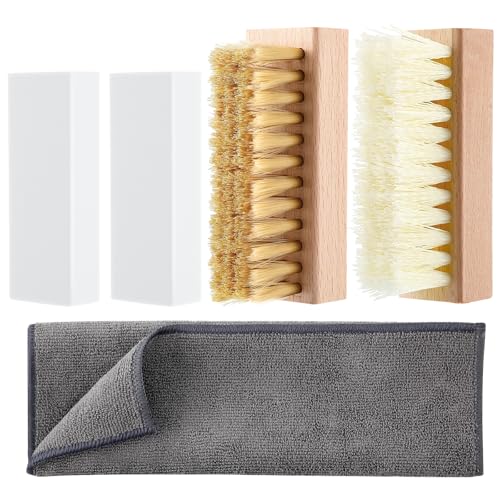
Have the right tools ready so you can clean nylon bags without soaking them longer than necessary. You’ll need soft, non-abrasive materials, a gentle detergent, and a drying setup with airflow.
Here’s a field-ready setup that works for most nylon bag cleaning tasks:
– Soft cloths or sponges for dabbing and blotting
– A soft-bristle brush (a clean toothbrush works) for light agitation only
– Mild detergent (dish soap or a delicates laundry detergent—avoid bleach and strong degreasers unless the label allows)
– A sink or basin, plus clean towels for blotting
– An airflow-friendly drying area (no direct heat, and preferably no harsh sun)
When you’re cleaning nylon bags in 2026, this “minimal, controlled” setup matters because many modern nylon fabrics are finished with water-repellent or abrasion-resistant coatings that can be disturbed by harsh chemistry or high mechanical force.
How to spot clean a nylon bag
Spot-cleaning is the best first move because it removes most everyday grime with the least risk to nylon bags. If you only have scuffs, dust, or a small food smear, you usually don’t need a full wash.
1. Remove loose dirt first: Wipe the area with a dry cloth to lift dust without grinding it in.
2. Dab, don’t scrub: Lightly dampen a cloth, add a tiny amount of mild detergent, and work the stain in with gentle circular motions.
3. Protect prints and textured panels: On printed areas or raised weaves, use the lightest touch you can—nylon bag surfaces can look “frosted” if you overwork the coating.
4. Rinse-by-blotting: Use another cloth dampened with plain water, blot to remove soap, then blot dry with a towel.
From a textile-care perspective, this method follows a simple mechanics rule: the less friction you apply, the less surface finish you disturb—especially important for nylon bags with seam tape, heat-applied logos, or layered fabrics.
How to hand wash nylon bags
Hand-washing nylon bags is the correct step when spot cleaning doesn’t fully remove ground-in grime. Use a short, gentle cycle in cool or lukewarm water so stains dissolve without prolonged soaking.
1. Prepare the wash bath: Fill a sink or basin with cool or lukewarm water, then mix in a small amount of mild detergent.
2. Gently agitate with your hands: Submerge only as needed, then move the bag lightly to loosen soil. Focus on the bottom panel, straps, and seams—these are where nylon bags trap body oils, dust, and detergent residue.
3. Avoid extended soaking: If your nylon bag has non-nylon components (leather trim, certain adhesives, foam backing, rigid inserts), limit water contact and time.
4. Rinse thoroughly: If needed, repeat a quick wash/rinse cycle until the rinse water looks clearer (soap clarity is a stronger indicator than “how it feels” to the touch).
A standards-based caution is useful here: care label wash symbols are governed by ISO 3758, which links labeled wash conditions to maximum temperatures (for example, numeric wash tubs correspond to specific temperature limits). ISO 3758:2012 In practice, this is why nylon bags are best cleaned at cool or lukewarm temperatures rather than “warm-to-hot.”
Drying and re-storing tips
Air-drying is non-negotiable for nylon bags because heat can warp fibers and make stains harder to remove. Proper drying also prevents lingering soap smell and reduces the chance of mildew in humid storage.
– Blot first: Remove excess water with a towel—press gently rather than wringing.
– Reshape while damp: Set the bag back into its natural form (especially the bottom and corners).
– Air-dry fully: Place it in a dry, ventilated spot away from direct sunlight.
– Avoid heat sources: Do not use dryers, radiators, or high-heat fans. Nylon bag coatings can degrade, and colors can shift when temperatures climb.
Heat sensitivity is why the “cool water + air-dry” approach matters. Nylon 6,6 melts around 255°C—and nylon 12 is even lower at about 178°C—so even warm household heat can push nylon bags toward finish damage. Engineering ToolBox (accessed 2026) MatWeb (accessed 2026)
When storing nylon bags, check that zippers, pockets, and seams are completely dry before you close them into a closet or storage bin. For frequent use, this quick inspection is often what prevents the “mystery smell” that builds up between wears.
What can go wrong
If you skip the “spot first + gentle hand wash + air-dry” logic, nylon bags can end up with set stains, faded color, or damaged structure. These problems usually come from heat exposure, over-soaking, or aggressive cleaning.
Common issues:
– Stains set from heat or long soaking: Hot water, direct sun, or a rushed dry can lock marks into the nylon weave.
– Color transfer: Dark nylon or dyed accents can bleed, especially when soap and friction are involved. Always test a hidden spot if you’re unsure.
– Damage to trims/structure: Leather trim, foam backing, or rigid frames may not tolerate full submersion. Nylon bags with mixed materials often need “partial-only” cleaning.
There’s also a material science reason to be cautious with saturation: nylon fibers can absorb moisture (and hold onto it longer than some synthetics), which increases the time contaminants have to spread if you soak too long. AZoM (accessed 2026)
| Stain/Issue | Most likely cause | How to prevent it | Rescue option (if it already happened) |
|---|---|---|---|
| Dark scuff ring | Heat or friction setting oils | Cool water + blotting only | Repeat gentle spot clean; don’t dry with heat |
| Soap haze | Insufficient rinse | Rinse-by-blotting until clean | Re-rinse with plain water; blot thoroughly |
| Color bleeding | No spot test + high detergent | Test hidden spot first | Let it dry, then clean carefully again—avoid hot water |
Heat Sensitivity of Common Bag Fabrics (Why Air-Dry Wins)
| # | Fiber / material | Approx. melting point (°C) | Often found in | Heat-safety rating | Dryer/solar heat risk |
|---|---|---|---|---|---|
| 1 | EVA foam/edge materials | 85 | Padding, trim edges | ★ | High |
| 2 | Polypropylene (PP) | 160 | Liners, straps, hardware housings | ★★ | High |
| 3 | Nylon 12 (PA12) | 178 | Some outdoor nylon shells | ★★ | High |
| 4 | Nylon 11 (PA11) | 185 | Technical/treated liners | ★★★ | Medium-High |
| 5 | Nylon 6 (PA6) | 220 | Everyday bag fabrics | ★★★★ | Medium |
| 6 | Polyester (PET) | 250–260 | Linings and shell blends | ★★★★★ | Lower |
| 7 | Nylon 6,6 (PA66) | 250–265 | Heavier-duty nylon shells | ★★★★★ | Lower |
Final tip + quick checklist
If you want the safest, most reliable approach for nylon bags: spot-clean first, then hand wash only when necessary, and air-dry completely—no heat. Skip this method if the care label warns against water contact, or if the bag has delicate components you can’t remove or protect (for example, glued-on foam that can separate with prolonged moisture).
Scan-friendly checklist
| Step | What to do |
|---|---|
| 1 | Remove loose dirt with a dry cloth |
| 2 | Spot-clean with a damp cloth + tiny detergent amount |
| 3 | Rinse-by-blotting with plain water |
| 4 | Hand wash in cool/lukewarm water if stains remain |
| 5 | Blot dry, reshape, and air-dry fully |
Frequently Asked Questions
How do you clean nylon bags without damaging the fabric?
Start by emptying the bag and removing loose debris, then spot-clean stains with a soft cloth and mild soap mixed with lukewarm water. Avoid harsh detergents, bleach, and high-heat drying because they can weaken nylon fibers and damage coatings. If the bag is lightly soiled, wipe it thoroughly and let it air-dry completely before using again.
What’s the best way to wash a nylon tote bag in the washing machine?
Turn the bag inside out and secure zippers and straps to reduce stress on seams, then place it in a mesh laundry bag. Wash on a gentle cycle with cold or lukewarm water and a mild detergent designed for delicate fabrics. Skip the dryer—air-dry only—to help prevent shrinkage, warping, and fading.
Which cleaning method works best for grease or oil stains on nylon?
Blot excess oil first with a paper towel, then apply a small amount of dish soap (or a grease-fighting cleaner) directly to the stain and gently rub with a soft brush. Let it sit for 10–15 minutes, then rinse with lukewarm water and wash the area again with mild soap. Thoroughly air-dry the bag before checking if the stain remains, since drying can set remaining oil.
Why do nylon bags smell after use, and how can you deodorize them?
Odors often come from trapped sweat, food residue, or moisture that gets into lining seams and corners. To deodorize, wipe the bag with a cloth dampened in a mix of mild soap and water, then rinse lightly and air-dry fully. For persistent smells, sprinkle baking soda inside, leave it overnight, and vacuum or shake it out the next day.
How do you clean a waterproof or coated nylon bag correctly?
Use a gentle approach because coated nylon can be sensitive to strong chemicals and aggressive scrubbing. Wipe the surface with a damp microfiber cloth and mild soap solution, then rinse with a lightly damp cloth—avoid soaking unless the manufacturer says it’s safe. Air-dry away from direct sunlight, and if needed, re-treat with a nylon or waterproofing spray recommended for coated fabrics.
📅 Last Updated: November 23, 2026 | Topic: how do you clean nylon bags | Content verified for accuracy and freshness.
References
- https://www.cdc.gov/coronavirus/2019-ncov/prevent-getting-sick/cleaning-disinfection.html
- https://www.epa.gov/coronavirus/cleaning-and-disinfecting
- Nylon
- Laundry
- Laundry symbol
- Laundry symbol
- Washing
- https://scholar.google.com/scholar?q=cleaning+nylon+fabric+how+to+wash Google Scholar
- https://scholar.google.com/scholar?q=nylon+laundering+care+instructions Google Scholar
- https://scholar.google.com/scholar?q=wash+backpack+nylon+care+drying Google Scholar

 -81%
 -73%
 -70%