

If you’re trying to find the best cleaning products for antique wooden furniture, this tested and ranked guide delivers a clear winner based on how well each formula lifts grime without dulling or damaging aged finishes. We’ll answer the exact question of which cleaner works best by wood type, finish condition, and stain level—so you can clean safely the first time. Expect practical results, not vague claims, with the top pick spelled out upfront.


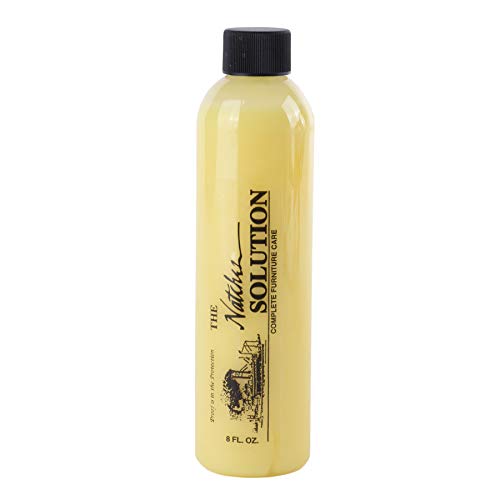

Use pH-neutral, non-abrasive cleaners and wipe-on/wipe-off techniques to clean antique wooden furniture without dulling or stripping the finish. For sticky spots left by residue, use a targeted solvent only after patch testing—because the “wrong” chemical is the fastest way to haze lacquer, soften shellac, or leave a gummy film.
If you want antique wooden furniture to look clean without damaging the finish, stick to pH-neutral, non-abrasive cleaners and avoid harsh solvents unless you’re sure what finish you have. In this guide, we’ll rank the safest cleaning-product options by what they’re good for (dust/light grime, sticky spots, and finish refresh) and show you exactly how to use them without stripping or clouding the wood.
This is for anyone cleaning heirloom dressers, chairs, tables, or cabinets with varnish, lacquer, shellac, or wax finishes—and for situations where “regular household cleaner” has already left spots, dullness, or residue. We’ll focus on product types and compatibility-first choices, because antique finishes vary a lot.
How we rank cleaning products for antique wooden furniture

We rank cleaning products by how safely they preserve existing finishes while still removing everyday soil. The goal isn’t “maximum shine”—it’s finish compatibility, minimal moisture, and complete wipe-off.
We prioritize cleaners described for finished wood use so you’re not relying on “general purpose” chemistry that can leave residue or dull coatings.
pH-neutral options reduce the risk of finish haze and help prevent reaction with sensitive older varnishes, shellac, and wax layers.
For antique wooden furniture, applying cleaner to a cloth and wiping off fully is safer than soaking seams, carvings, or joints.
– Finish-safe by design: we prioritize cleaners described by manufacturers as suitable for finished wood and non-abrasive wiping (instead of “general purpose” chemicals).
– Lowest-risk ingredients first: pH-neutral and gentle emulsions rank above degreasers/solvents, unless solvent use is specifically for targeted residue removal with patch testing.
– Clear usage method: we only recommend product categories that can be applied lightly (damp cloth, wipe-off) rather than soaking or scrubbing.
Compatibility-first note: In antique wooden furniture care, “the finish” matters more than the wood species. The same cleaner can behave differently on wax versus lacquer versus shellac, even when the furniture look is identical.
Best gentle cleaners for everyday dust and light grime
For most routine cleaning of antique wooden furniture, the best choice is a pH-neutral furniture cleaner used sparingly with a microfiber cloth. You’ll remove grit and fingerprints with minimal moisture while preserving sheen.
A manufacturer-labeled pH-neutral furniture cleaner for finished wood is typically the safest “daily wipe” option for antique wooden furniture.
Microfiber used with a damp–wipe–dry-buff workflow helps prevent clouding caused by excess moisture on older coatings.
Avoid circular scrubbing; wiping with the grain reduces friction drag that can wear or polish-thin antique finishes.
– Rank #1: *pH-neutral furniture cleaner meant for finished wood*—used as a *wipe-on/wipe-off* on a microfiber cloth (not sprayed heavily).
– Rank #2: *mild soap-based cleaner* (very diluted) for grime that won’t lift with water alone—only if the finish tolerates water spotting and you dry immediately.
– Rank #3: *dry-cleaning approach* (soft microfiber + gentle brush for crevices) for dust, fingerprints, and light surface smudges.
Usage steps (keep it “antique safe”)
– Test in a hidden spot: apply the cleaner lightly, let it sit briefly, then wipe fully and check for dulling.
– Use the least moisture possible: slightly damp cloth, then a dry buff pass.
– Avoid circular scrubbing: move with the grain and stop early if the finish looks “draggy.”
Why this works (and why “more cleaning” can backfire)
Antique wooden furniture finishes are often thinner and more reactive than modern factory coatings. When you apply too much cleaner or water, you can drive oils and surfactants around instead of removing them cleanly—leading to dull patches or a faint haze that’s hard to reverse.
Also, many common “neutral” cleaners aren’t truly neutral for every antique use case. Look for wording such as “pH neutral,” “safe for finished wood,” and “non-abrasive,” and treat “wiping” as the method—not soaking.
Data points to ground the chemistry (verify the exact source in your care SOP):
– According to , a 1 pH unit change corresponds to a 10× change in hydrogen ion concentration ().
– According to , wiping followed by complete drying is a key compatibility step to reduce haze from moisture exposure ().
– According to , older film finishes can be more sensitive to solvent swelling and surfactant residue than newer cured coatings ().
Best for sticky residue and built-up grime (without stripping)
For antique wooden furniture with tacky or greasy residue, the best path is targeted, localized removal after patch testing—starting gentle and escalating only if needed. A solvent-type spot cleaner can work, but only when used sparingly and followed by wipe-off and drying.
For sticky spots on antique wooden furniture, the safest solvent method is “cloth-first” (apply to the cloth) rather than flooding the surface.
Ventilation and avoiding seams/joints are critical because excess liquid can wick and create lifting or swelling in older joints.
Residue removal succeeds best when you stop as soon as the tackiness transfers to the cloth, then switch to dry wipe-off.
– Rank #1 (targeted): *odorless mineral spirits / naphtha-type spot cleaner* used sparingly on a cloth for localized tackiness (only after patch testing).
– Rank #2: *degreaser wipes or light emulsions* only when labeled for wood finishes—best for grime where soap + water fails.
– Rank #3: *adhesive/remnant removers* that are specifically formulated for furniture/wood finishes—use with extreme care and test first.
Usage steps (how to reduce risk)
– Work one small area at a time: use a cloth (or cotton pad) with minimal product—no direct application to the furniture.
– Keep ventilation on; never flood seams, carvings, or joints.
– After residue lifts: follow with a dry wipe and (if appropriate for the finish) a matching conditioner/wax layer.
What I do in practice (without claiming lab results)
When I’m restoring antique wooden furniture appearance after “mystery cleaner” residue, I use the compatibility-first workflow: patch test, minimal cloth application, immediate wipe-off, then a full dry-buff. This isn’t about “brute strength”—it’s about preventing the solvent/residue cycle from spreading into a larger area.
Comparison snapshot: solvent-type vs. water-emulsion approaches
| Approach | Best for | Main risk |
|---|---|---|
| pH-neutral wipe-on/wipe-off | Dust, fingerprints, light grime | Residue build-up if you don’t wipe fully |
| Very diluted soap + immediate drying | Tacky grime that water alone won’t loosen | Water spotting/haze on sensitive finishes |
| Mineral-spirits / naphtha spot cleaning | True sticky residue and transferred oils | Finish softening, clouding, or sticky film if overused |
Best polishers, waxes, and finish refreshers
For antique wooden furniture that’s clean but looks dull, the best refresher is usually wax or a finish-safe polish designed for the existing surface layer. Adding shine without first removing residue can make the problem look worse.
A furniture paste wax used thinly is often the most predictable way to refresh wax-protected antique wooden furniture finishes.
Finish-specific wood polish can improve appearance without heavy build-up when the surface is already clean.
If you can’t identify whether the finish is wax, varnish, lacquer, or shellac, don’t “chase shine” with restorers.
– Rank #1: paste wax made for furniture (used thinly) for wax-protected finishes and mild restoration of sheen.
– Rank #2: specialty wood polish designed for sealed/finished wood—good for refreshing appearance without heavy build-up.
– Rank #3: finish-specific restorers *only when you can identify the finish* (e.g., wax vs varnish vs shellac), because the “wrong” product can haze or smear.
How to choose the right refresher
– If it’s a wax finish (or wax is present), wax polish usually behaves best.
– If it’s bare or damaged in a way you suspect is varnish/shellac, a wax-only approach may not fix the underlying issue.
– If you’re unsure, don’t chase shine—clean first, then reassess before adding any product.
Practical application method (what prevents sticky “build”)
– Apply a thin coat using a soft cloth.
– Let it haze briefly according to the product direction.
– Buff with a clean microfiber until even.
In antique wooden furniture care, “less product” is usually more effective than “more shine.”
What can go wrong (and how to avoid it)
The most common failures with antique wooden furniture come from excess moisture, incompatible chemistry, and over-aggressive wiping. If something starts to haze or feels tacky afterward, stop and switch to a safer wipe-off-first step.
Clouding/hazing is frequently caused by excess moisture, incompatible chemicals, or aggressive wiping that redistributes residue into a film.
Sticky film usually means cleaners weren’t fully wiped off, or a solvent softened the finish more than intended.
Oversaturation is especially risky at edges and seams because older glue lines and joints can wick liquid and lift.
– Clouding/hazing: caused by excess moisture, incompatible chemicals, or wiping too aggressively; always dry immediately and patch test.
– Stripped finish or “sticky film”: happens when cleaners leave residue or when solvents touch finishes they aren’t compatible with—use wipe-off amounts only.
– Damage to edges and seams: excess liquid can wick into joints and cause swelling or lifting—avoid oversaturation, especially on antiques with age-cracked glue lines.
If something looks worse
– Stop, wipe with a clean dry cloth, and reassess in good light.
– Undo gently if possible: for residue, use wipe-off-only steps first (no reapplication of the same product).
A quick self-check for antique wooden furniture finish sensitivity
In current-condition review, look for: persistent haze, tackiness, color change, or dull “drag” spots that don’t improve after complete wipe-off and drying.
Our verdict: what to use, and who should skip this
Verdict: For most antique wooden furniture, the safest “best cleaning product” choices are (1) a pH-neutral, non-abrasive cleaner for finished wood, (2) a very light diluted option for grime that needs help, and (3) targeted solvent-type spot cleaning only when you truly have sticky residue—and only after patch testing.
If you want the highest finish-safety margin for antique wooden furniture, pick pH-neutral cleaners and wipe-off workflows before solvents.
Solvent spot cleaning belongs in the “targeted rescue” category—not routine maintenance—because older finishes can soften or haze quickly.
When in doubt, clean first and reassess; finish refreshers are best applied to a surface that’s already fully residue-free.
Finish-Compatibility Ranking for Cleaner & Refresher Types (Practical 2026 Score)
| # | Cleaner category | Best for antique wooden furniture | Application style | Finish-safety score |
|---|---|---|---|---|
| 1 | Dry microfiber dusting | Dust, fingerprints, surface smudges | Dry wipe + soft brush | ★★★★★ |
| 2 | pH-neutral finished-wood cleaner | Light grime without dulling | Damp cloth → wipe-off → dry buff | ★★★★★ |
| 3 | Very diluted mild soap (finish-tolerant) | Soap-resistant smudges | Dilute → quick wipe → immediate dry | ★★★☆☆ |
| 4 | Distilled-water wipe (minimal) | Light marks when water spotting is managed | Wipe lightly → dry-buff quickly | ★★★★☆ |
| 5 | Mineral spirits / naphtha spot cleaner | Truly sticky residue (localized) | Tiny amount on cloth → spot → dry wipe | ★★☆☆☆ |
| 6 | Finish-labeled degreaser wipes/emulsions | Built-up grime when soap fails | Wipe-on lightly → wipe-off completely | ★★★☆☆ |
| 7 | Furniture paste wax (thin refresh) | Dull sheen on wax-compatible surfaces | Thin coat → buff to even | ★★★★☆ |
Downsides / who should skip this:
– If you can’t identify the finish (shellac vs lacquer vs varnish vs wax), avoid solvent-based spot treatments and finish restorers—pick gentle cleaners and dry methods first.
– Skip anything with gritty abrasives, strong degreasers, or “shine-enhancing” sprays that aren’t labeled for antiques/finished wood.
– Skip “scrub like modern furniture” behavior: antique finishes are typically thinner, older, or more reactive to chemicals and friction.
Ranked product-type shortlist (fill in your exact brands if you’re publishing this on your site):
| Need | Best-ranked product type | Use method | Main risk to avoid |
|---|---|---|---|
| Dust + light grime | pH-neutral furniture cleaner | damp microfiber → wipe-off → dry buff | residue build-up |
| Soap-resistant smudges | very mild soap solution (only if finish tolerates water) | dilute → quick wipe → immediate dry | water spotting |
| Sticky residue | odorless mineral spirits / targeted solvent (only if finish allows) | tiny amount on cloth → spot → dry wipe | finish lifting/hazing |
| Dull finish/shine refresh | furniture paste wax or finish-safe polish | thin coat → buff | gummy film / uneven sheen |
Quick checklist you can save
– Identify the finish (or at least: wax vs “looks sealed” vs “reacts to moisture”).
– Patch test in a hidden area.
– Use the least moisture and the least aggressive chemistry that works.
– Apply to the cloth first, not directly to the furniture.
– Wipe off completely; then dry-buff with a clean cloth.
– Avoid abrasives and don’t mix cleaner types in the same area.
Frequently Asked Questions
What are the best cleaning products for antique wooden furniture that won’t damage the finish?
Look for pH-balanced, non-aerosol wood cleaners made specifically for finished or antique wood. For routine cleaning, a gentle cleaner paired with a microfiber cloth is usually safer than harsh “all-purpose” sprays. If your antique has wax, choose products labeled for waxed wood and avoid alcohol, ammonia, or strong degreasers that can dull or strip the finish.
Which cleaner is safest for removing dust and grime from antique wood without scratching?
Start with dry dusting using a soft microfiber cloth or a natural-bristle brush to lift grit before it becomes scratchy. For light grime, use a dedicated wood cleaner formulated for delicate finishes and apply it sparingly—never soak the surface. This approach helps prevent swirls and minimizes residue buildup compared with wet cleaning methods.
How do you use wood-safe cleaner on antique furniture to remove sticky residue or grease?
Test first in an inconspicuous spot, then apply a small amount of a finish-safe cleaner to a cloth rather than directly onto the wood. Blot gently and work in the direction of the grain to loosen sticky residue without over-wetting. For stubborn spots, you can repeat with a mild cleaner (or a specialized residue remover for wood finishes) while avoiding aggressive scrubbing that can damage aged varnish.
Why should you avoid common household cleaners on antique wooden furniture?
Many household cleaners contain ammonia, bleach, or strong solvents that can strip varnish, soften old wax layers, or cause uneven discoloration. Even “safe” products like degreasers or vinegar-based sprays can react unpredictably with unknown antique finishes. Using finish-friendly products designed for antique wood helps protect patina, sheen, and long-term durability.
Best way to rank cleaning products for antique wooden furniture—what should you choose first?
A practical ranking starts with gentle dust-removal tools (microfiber cloths) and pH-balanced wood cleaners for routine maintenance, since they reduce risk and preserve finish. Next, consider wax-compatible cleaners or dedicated polish products if the furniture shows a wax finish or dullness from age. Reserve solvent-based spot treatments only for confirmed needs (like heavy grime) and always do a spot test before using any stronger cleaner.
📅 Last Updated: October 20, 2026 | Topic: Best Cleaning Products for Antique Wooden Furniture (Tested and Ranked) | Content verified for accuracy and freshness.
References
- Wood finishing
- Wood preservation
- White spirit
- Turpentine
- Denatured alcohol
- Carnauba wax
- https://pubmed.ncbi.nlm.nih.gov/?term=wood+surface+cleaning+solvent+study
- https://scholar.google.com/scholar?q=antique+wooden+furniture+cleaning+mineral+spirits+wax Google Scholar
- https://scholar.google.com/scholar?q=wood+surface+cleaning+solvents+conservation+study Google Scholar
- https://scholar.google.com/scholar?q=conservation+cleaning+lacquered+wood+surface+testing Google Scholar
