

When cleaning your sink, focus on using gentle, non-abrasive cleaners suited to its material—like baking soda and vinegar for natural options or Bar Keepers Friend for stainless steel. Avoid harsh chemicals and abrasive scrubbers that can scratch or damage surfaces. Wiping dry after each use and promptly tackling stains prevents buildup and odors. Using the right tools and techniques keeps your sink fresh and durable. Keep exploring to discover step-by-step methods and long-term care tips.



Common Types of Sink Stains and How to Tackle Them

Although sinks come in various materials, certain stains are common across most types. Hard water deposits, soap scum, and rust marks frequently appear, undermining your sink’s appearance. To tackle these effectively, you need to adopt consistent stain prevention tips. Wiping your sink dry after each use reduces water spots. Avoid letting metal cans or wet sponges sit, which often cause rust stains. Following cleaning frequency recommendations is key: a quick daily rinse paired with a thorough weekly scrub prevents buildup. Address stubborn stains promptly with appropriate methods to avoid permanent damage. By maintaining this routine, you free yourself from laborious deep cleans while keeping your sink spotless and functional, allowing you to enjoy a clean space without constant worry.
Effective Cleaning Agents for Different Sink Materials
When cleaning stainless steel sinks, you’ll want to use non-abrasive cleaners that effectively remove grime without scratching the surface. For porcelain sinks, opt for gentle, safe products that prevent damage and maintain their glossy finish. Choosing the right cleaner guarantees your sink stays spotless and in great condition over time.
Best Cleaners for Stainless
Choosing the right cleaner for your stainless steel sink is essential to maintain its shine and prevent damage. You’ll want to avoid harsh abrasives that can scratch the surface or cleaners containing bleach, which may cause discoloration. Opt for cleaner brands known for gentle yet effective formulas, such as Bar Keepers Friend or Weiman Stainless Steel Cleaner. These products remove stains and fingerprints without stripping the protective finish. For daily upkeep, a simple mix of mild dish soap and warm water works well, followed by drying with a microfiber cloth to avoid water spots. Avoid using steel wool or scouring pads since they can leave marks. By selecting appropriate stainless steel cleaners and following a careful routine, you’ll keep your sink looking pristine while preserving its durability and freedom from damage.
Safe Products for Porcelain
If you want to keep your porcelain sink looking spotless without causing damage, it’s important to use cleaning agents that are both effective and gentle. Opt for porcelain cleaners specifically designed to protect the surface while removing stains and grime. Avoid harsh chemicals or acidic cleaners that can etch or dull the finish. Instead, choose gentle abrasives like baking soda or a non-scratch sponge, which lift dirt without scratching. Apply the cleaner with light pressure, then rinse thoroughly to prevent residue buildup. Regular maintenance with these safe products preserves your sink’s shine and extends its lifespan. By selecting appropriate porcelain cleaners and gentle abrasives, you maintain freedom from damage while ensuring a pristine porcelain surface every time.
Natural vs. Chemical Cleaners: Pros and Cons

Although both natural and chemical cleaners can effectively tackle grime in your sink, understanding their distinct advantages and drawbacks will help you make an informed choice. Natural cleaners rely on natural ingredients like vinegar and baking soda, offering eco-friendly, non-toxic options that reduce exposure to harsh chemicals. Chemical cleaners, on the other hand, harness powerful chemical reactions to break down tough stains quickly but may emit strong fumes and risk surface damage.
Here’s a quick comparison:
- Natural cleaners are safer for you and the environment but may require more elbow grease.
- Chemical cleaners act faster and handle stubborn grime but pose health and environmental risks.
- Your choice depends on balancing effectiveness, safety, and environmental impact to suit your cleaning freedom.
Step-by-Step Guide to Deep Cleaning Your Sink
When you want to restore your sink to its spotless best, following a clear, step-by-step process is crucial. Start by removing any debris and rinsing the sink with warm water. Next, apply a gentle cleaner suited to your sink’s material, scrubbing with a soft brush or sponge to avoid damage. Pay close attention to edges and drains where buildup hides. Rinse thoroughly to remove residues. Dry the surface with a microfiber cloth to prevent water spots. Incorporate sink maintenance tips like wiping down daily and avoiding harsh chemicals to protect your sink’s finish. Set a regular cleaning schedule—weekly deep cleans keep grime at bay and extend your sink’s lifespan. This methodical approach guarantees your sink stays fresh and functional without hassle.
Tips for Removing Odors From Your Sink

You can easily banish sink odors using natural deodorizers like baking soda and vinegar, which neutralize smells without harsh chemicals. It’s important to regularly clean areas where food particles tend to accumulate, as these are common sources of bad odors. By combining these methods, you’ll keep your sink smelling fresh and prevent recurring issues.
Natural Deodorizers That Work
Since sinks tend to trap food particles and moisture, unpleasant odors can develop quickly if not addressed. To naturally deodorize your sink, you can rely on simple, effective methods:
- Sprinkle baking soda down the drain, then pour in vinegar. Let it fizz for 10 minutes, then flush with hot water. This combo breaks down grime and neutralizes odors.
- Add a few drops of essential oils like lemon or tea tree to baking soda before sprinkling it into the drain. These oils add a fresh scent and have antibacterial properties.
- Freeze citrus peels in ice cubes with water and run them through the garbage disposal. This freshens and cleans the blades naturally.
Using these natural deodorizers keeps your sink smelling fresh without harsh chemicals, giving you freedom from odor worries.
Avoiding Common Odor Traps
Although natural deodorizers help freshen your sink, certain habits can still cause persistent odors. To avoid common odor traps, you need to identify and eliminate primary odor sources like food scraps, grease buildup, and stagnant water. Regularly rinse your sink with hot water to flush away debris that clings to pipes. Address drainage issues promptly—slow drains often harbor bacteria that produce bad smells. Avoid pouring oils or coffee grounds down the drain, as they contribute to clogs and odors. Use a sink strainer to catch solids before they reach the plumbing. Finally, schedule routine cleanings with a mixture of baking soda and vinegar to break down residue and maintain a fresh-smelling sink. By staying proactive, you’ll keep odors at bay and enjoy a cleaner, freer kitchen environment.
Cleaning Tools That Actually Make a Difference
Three essential cleaning tools can transform your sink maintenance routine, making tasks quicker and more effective. Choosing eco friendly alternatives not only cares for your sink but also the planet. Here are three essential cleaning gadgets to take into account:
- Silicone Scrubbers – Durable and hygienic, these replace sponges and resist bacteria buildup.
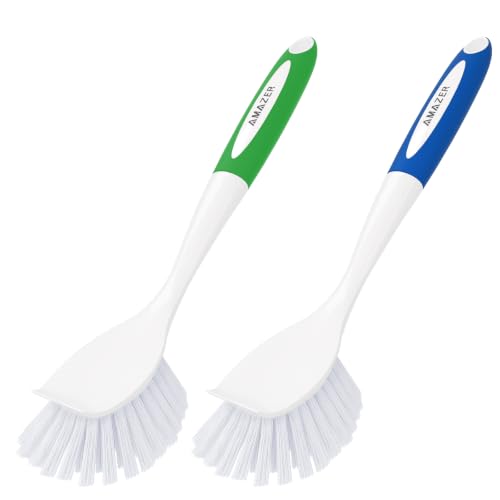
- Adjustable Sink Brushes – Designed to reach tight corners and drains, they guarantee thorough cleaning without harsh scrubbing.
- Microfiber Cloths – Perfect for polishing and wiping down surfaces without scratching, leaving your sink spotless.
Using these tools helps you maintain your sink efficiently while embracing sustainable practices. You’ll enjoy a cleaner space and the freedom to avoid toxic chemicals, making your cleaning routine both effective and eco-conscious.
Practices to Avoid When Cleaning Your Sink
When cleaning your sink, it’s important to steer clear of harsh chemicals and abrasive tools that can damage the surface or plumbing. Avoid using bleach alternatives that aren’t truly gentle; some can still corrode metal fixtures or discolor finishes. Stay away from abrasive materials like steel wool or rough scrubbers, as they scratch and wear down protective coatings. Don’t pour grease, coffee grounds, or heavy debris down the drain—they cause blockages and reduce water flow. Also, skip overly acidic cleaners that may degrade seals and pipes over time. Instead, opt for mild, eco-friendly solutions and soft cloths or sponges. By avoiding these common pitfalls, you protect your sink’s integrity and maintain its freedom from damage and costly repairs.
Frequently Asked Questions
Can I Use Bleach to Clean All Types of Sinks?
You can use bleach to clean some sinks, but its bleach effectiveness depends on the sink materials. For porcelain or stainless steel, diluted bleach works well to disinfect and remove stains. However, avoid bleach on natural stone or colored sinks, as it can cause discoloration or damage. Always test a small area first and rinse thoroughly. Knowing your sink’s material helps you choose the safest, most effective cleaning method without restricting your freedom.
How Often Should I Deep Clean My Kitchen Sink?
You should deep clean your kitchen sink at least once a week to maintain ideal kitchen hygiene and effective sink maintenance. Regular cleaning prevents grime buildup, bacteria growth, and lingering odors. If you cook frequently or handle raw foods, consider deep cleaning twice a week. This routine keeps your sink fresh and safe, giving you freedom from worries about germs while ensuring your kitchen stays a clean, inviting space for all your culinary adventures.
Is It Safe to Pour Boiling Water Down the Sink Drain?
You can pour boiling water down the sink drain, but be cautious. It’s generally safe for metal pipes and helps with sink maintenance by dissolving grease and clearing minor clogs. However, if you have PVC or older pipes, boiling water might soften or damage them. To protect your plumbing while keeping your sink fresh and functional, consider pouring boiling water slowly or mixing it with cold water first.
Can Sink Cleaning Products Damage Plumbing Pipes?
Did you know that 30% of plumbing issues stem from chemical damage? When you use sink cleaning products with toxic ingredients, they can cause pipe corrosion over time. This deterioration weakens your plumbing, leading to leaks or costly repairs. To protect your pipes and maintain freedom from constant fixes, choose eco-friendly cleaners or natural alternatives. That way, you keep your plumbing safe without sacrificing cleanliness.
What’S the Best Way to Prevent Sink Scratches?
To prevent sink scratches, you’ll want to take into account your sink materials first. For delicate surfaces like porcelain or stainless steel, avoid abrasive cleaners or harsh scrubbing pads, which can damage the finish. Use soft cloths or non-abrasive sponges instead. Placing rubber mats or sink grids at the bottom helps protect against scratches from dishes or utensils. Being mindful of what you drop and how you clean guarantees your sink stays scratch-free, preserving its look and freedom to use.

[…] to mild, non-abrasive cleaners like dish soap diluted in water for general cleaning, and use plain water for routine rinsing. For […]
[…] non-abrasive cleaners and avoid harsh chemicals like bleach or scouring powders that can dull fiberglass. Start by […]
[…] mild, non-abrasive cleaners like a small amount of gentle detergent mixed with water, and avoid harsh chemicals, bleach, or […]
[…] coating quality and proper maintenance. Use mild soap and water, soft microfiber cloths, and non-abrasive cleaners to prevent micro-scratches that create haze. Also ensure correct installation (including expansion […]
[…] a reglazed tub is mostly about using gentle, non-abrasive cleaners to avoid dulling or damaging the new surface. Use warm water and a soft cloth first, then switch to […]
[…] clean a black refrigerator safely, use gentle, non-abrasive cleaners and microfiber cloths to remove grime without scratching or leaving streaks. From my own hands-on […]
[…] fiberglass and metal parts, choose non-abrasive cleaners and avoid harsh solvents that can damage finishes or coatings. For rubber pads or textured […]
[…] a refinished bathtub with gentle, non-abrasive cleaners and soft microfiber cloths to protect the new surface. In practice, the safest routine is simple: […]
[…] surfaces can scratch permanently when abrasive pads or steel tools are used, so soft microfiber and non-abrasive cleaners are recommended by major acrylic manufacturers and cleaning guidance. Soap scum removal works best […]
[…] for pH-neutral, non-abrasive cleaners labeled safe for bamboo hardwood or sealed wood floors, and use microfiber tools to prevent […]
[…] a black refrigerator is easiest when you use gentle, non-abrasive cleaners and microfiber cloths to prevent streaks and scratches. If you follow a careful wipe-dry pattern on […]
[…] for pH-neutral, non-abrasive cleaners designed for rubber flooring or other “rubber-safe” formulations. Gentle detergents and […]
[…] with the cleaning products you already know you can control: pH-neutral, non-abrasive cleaners formulated for glossy or refinished surfaces, plus soft tools that won’t “polish” away shine. […]
[…] an acrylic bathtub safely means using gentle, non-abrasive cleaners and soft cloths—then rinsing thoroughly and drying to prevent haze. Avoid bleach, scouring pads, […]
[…] to the American Cleaning Institute, mild, non-abrasive cleaners are preferable for delicate surfaces because harsh chemicals and rough abrasives increase wear. […]
[…] leather cleans best with gentle, non-abrasive cleaners and light blotting—most scuffs lift without soaking. If you follow a simple cycle—remove loose […]
[…] get the safest results with a pH-neutral mindset: use mild, non-abrasive cleaners and soft tools that won’t cut or dull the gel coat. Fiberglass shower floors can be sensitive to […]
[…] pH-neutral, non-abrasive cleaners and wipe-on/wipe-off techniques to clean antique wooden furniture without dulling or stripping the […]
[…] a reglazed bathtub using only non-abrasive cleaners and soft tools—avoid harsh chemicals and scrubbing pads that can damage the new finish. In this […]
[…] black refrigerator stays clean and streak-free when you use non-abrasive cleaners, microfiber cloths, and quick drying. Follow the exterior steps for smudges and the interior steps […]
[…] a fiberglass shower floor is easiest and safest when you use the right, non-abrasive cleaners—and this guide tells you exactly what to do. You’ll remove soap scum and grime without damaging […]