

The best products for cleaning your car’s AC vents are the ones that loosen built-up dust without leaving residues or damaging delicate louvers, wiring, or sensors. This is for drivers who want fresher airflow and fewer odors without guesswork. We evaluated cleaners by their safe-to-use materials, ability to reach vents with minimal disassembly, and whether they reduce grime and odor-causing buildup—so you can choose confidently, starting with the standout options that consistently perform.



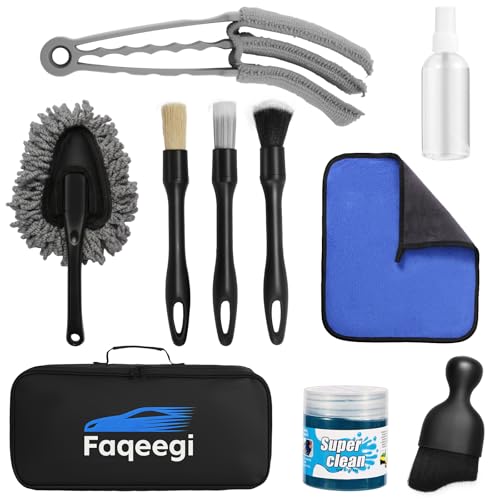
The best products for cleaning your car’s AC vents are the ones built for HVAC airflow—not just general “surface cleaners.” In practice, you’ll usually get the most reliable results by using a vent brush + vacuum for the vent face, then adding an HVAC-safe evaporator/coil cleaner and an HVAC-appropriate disinfectant/odor remover when odors or mildew are involved. If airflow feels weak or you see visible gunk, combine mechanical cleaning with an HVAC-labeled product rather than relying on a single item.
If your car’s vents are dusty, smell musty, or you’ve had a spill/visible buildup, these product types are a practical starting point. This applies to most vehicles with cabin vents and an AC evaporator inside the HVAC box (some steps may vary by model).
This guide is for drivers and detailers tackling common cabin comfort problems in 2025–2026: dusty vent louvers, musty AC odors, and sticky residue that seems to “come back” after quick wipe-downs. It’s also for anyone trying to clean vents without accidentally spreading contaminants deeper into the HVAC system.
Pick products that match the problem (dust vs. mildew vs. odor)

– Dusty vents: start with physical removal—vacuum + narrow brush/soft detailing tools—so you don’t spread debris deeper into the system. Dust on vent louvers is often dry particulate (from cabin air, recirculation, and track/road dust). The fastest way to reduce what you breathe is to remove it where it sits, before you introduce any wet chemistry.
– Musty smell or suspected mold: you’ll need an HVAC-safe cleaner/disinfectant made for evaporator/air systems (not generic household cleaners). A musty odor typically forms when moisture supports microbial growth in the HVAC box, on or near the evaporator surface, and in the drain path. In 2026, many cleaning regimens still fail here because the vent face looks clean while the odor source remains deeper inside.
– Sticky grime: choose a foaming evaporator/coil cleaner that’s meant to cling and lift buildup without turning into a dripping mess. Sticky residue often includes oily aerosols (cooking byproducts, skin oils, and aerosolized interior contaminants) that build up on cooling surfaces and get carried into airflow passages. Foam-based products are designed to control runoff so the cleaner works where airflow takes it.
Best product types for car AC vent cleaning
– Vent brush kit (soft or detailing brush): Use for louvers, seams, and vent edges where dust collects. Look for non-scratching bristles and a shape that reaches into the slats without forcing debris deeper.
– Crevice vacuum + microfiber cloths: Vacuum first to reduce what gets pushed around; wipe only what’s accessible. A crevice tool is especially helpful because car vent openings are typically narrow and irregular.
– HVAC evaporator/coil cleaner (foam or spray) + drain-safe approach: Look for “evaporator/coil” language so it’s compatible with AC systems and airflow. “HVAC-safe” matters because residues can interfere with airflow and can create new odors when the system cycles.
– Odor eliminator or disinfectant made for HVAC use: If you’re treating mildew, prioritize products that explicitly reference HVAC/air systems. *(Where models differ, follow the label’s application method closely.)*
When to upgrade from “vent-only” cleaning
If you’re seeing gunk at the vent openings and you have persistent odor, you’re likely dealing with both surface buildup and contamination in the airflow path. That’s the point where foam evaporator/coil cleaning and an HVAC-labeled disinfectant typically outperform a “spray and wipe” approach. Research consistently links indoor dampness and contamination risk with increased respiratory and irritation outcomes—keep that in mind when deciding how far to go yourself. According to the U.S. EPA, indoor air can be 2 to 5 times more polluted than outdoor air ([EPA](https://www.epa.gov/indoor-air-quality-iaq/))—so reducing what you can reach safely is only part of the picture.
Typical Size Ranges of Common Cabin HVAC Contaminants (Why Vent Cleaning Must Be “HVAC-Minded”)
| # | Contaminant Type | Typical Size Range | Where It Shows Up | Filtration Challenge | Midpoint (µm) |
|---|---|---|---|---|---|
| 1 | Pollen | 10–100 µm | Vent louvers & cabin dust | ★★★☆☆ | 55 |
| 2 | Road dust particulates | 1–50 µm | Louvers, grilles, filter loading | ★★★☆☆ | 25.5 |
| 3 | Mold spores | 2–20 µm | HVAC box surfaces & condensate-adjacent areas | ★★★★☆ | 11 |
| 4 | Coarse particulate (PM10) | 2.5–10 µm | Cabin air path & vents | ★★★★☆ | 6.25 |
| 5 | Fine particulate (PM2.5) | 0.1–2.5 µm | Breathable dust loading & vents | ★★★★★ | 1.3 |
| 6 | Bacteria | 0.5–5 µm | Condensate-wet surfaces | ★★★★☆ | 2.75 |
| 7 | Viruses (aerosol) | 0.02–0.3 µm | Airborne spread potential | ★★★★★ | 0.16 |
Step-by-step: clean the vents without contaminating other parts
– Remove loose debris first: Vacuum the vent openings and surrounding dash area using a crevice tool. Follow up with a soft brush to pull debris from the louvers, then vacuum again. This two-step approach matters because blowing or spraying can push dry particles into places you can’t easily reach.

– Clean the accessible vent surfaces: Lightly dampen a microfiber cloth (or use a product labeled safe for interior plastics) and wipe reachable areas. Avoid soaking vent housings. If you’re using cleaner on the cloth rather than directly on the vent, you reduce the chance of liquid running into the HVAC housing.
– Treat the system (only with HVAC-labeled products): If you’re addressing odor/mildew beyond the vent face, apply a cleaner made for evaporators/air systems per instructions. Work in short passes and avoid blasting liquid onto wiring or electronics.
– Important: If your method requires removing panels or accessing the HVAC box, stop and consult your vehicle’s service info if you don’t have the right tools.
From a systems perspective, vents are the “end of the line.” To avoid contaminating other parts, always think in airflow direction: what you dislodge from the louvers and edges can settle in the cabin air path or on nearby surfaces. According to the U.S. Department of Energy, HEPA filtration is defined to remove 99.97% of particles at 0.3 microns ([DOE](https://www.energy.gov/))—that’s why fine particulate and microbial fragments matter even when you’re just “cleaning vents.” In other words: your goal is control, not just removal.
What can go wrong (and how to avoid it)
– Pushing grime deeper into the HVAC housing: If you skip vacuuming and go straight to spraying, you can trap dirt inside the system instead of removing it. Once debris is inside the HVAC box, it can cycle through with airflow and re-settle on vent surfaces.
– Using the wrong chemicals: “All-purpose” cleaners and strong degreasers can leave residue, damage plastics, or irritate occupants. Stick to products labeled for HVAC/evaporators/air systems. Residue is more than a mess—it can become odor when warmed by the blower and evaporator surfaces.
– Over-wetting the system: Excess liquid can drain incorrectly or leave moisture that worsens odors later. Use the label method (foam usually helps control runoff vs. open liquid spray). Over-wetting is especially risky around the drain pan and near electronic components.
– Don’t ignore cabin air filter issues: If the cabin air filter is clogged, cleaning vents won’t fix ongoing airflow problems. Replace it as needed (use your owner’s manual for the correct interval and fitment). A clogged cabin filter also means more particulate reaches the vents between cleanings.
– Allergy/asthma concerns: If you suspect heavy mold, cleaning can aerosolize particles. Take extra precautions—consider wearing a properly fitted N95/respirator, running the fan with windows cracked during and after cleaning, and avoiding DIY if someone in the vehicle is high-risk (uncontrolled asthma, immunocompromise, or severe allergies). In many cases, professional HVAC inspection is the safer path.
Quick comparison: vent-face vs. system treatment
| Approach | Pros | Cons | Best for |
|---|---|---|---|
| Vent brush + vacuum only | Fast, low chemical risk; improves visible dust immediately | Won’t address evaporator-side microbial growth; odors may persist | Dusty louvers and mild smell without moisture signs |
| Foaming evaporator/coil cleaner (HVAC-labeled) | Targets buildup in airflow path; foam helps limit runoff | Can be ineffective if you don’t remove loose debris first; misuse can create residue | Sticky grime and persistent odor sources deeper in the HVAC box |
| HVAC disinfectant/odor treatment | Most effective when mildew is present; helps break the odor cycle | Must be used as directed; overuse can worsen irritation or odor if residue remains | Musty odor, visible moisture evidence, or suspected microbial residue |
Verdict: the honest “best” combo (and who should skip DIY)
If you want the most reliable results for typical vent grime, use a vent brush + vacuum first, then (only when needed) add an HVAC evaporator/coil cleaner and finish with an HVAC-safe odor/disinfectant. This approach targets both the visible buildup and the odor source deeper in the airflow path.
That said, DIY isn’t always the right call:
– Skip this DIY route if you have strong, persistent mildew odors after cleaning, significant water leaks, or recurring symptoms that suggest deeper HVAC issues.
– Avoid heavy chemical use if anyone in the car has respiratory sensitivities, unless you can clean safely and ventilate thoroughly.
– Don’t assume one product fixes everything: vent-surface cleaning won’t solve problems in the evaporator core if the buildup is deep.
When to consider professional inspection is straightforward: repeated odor return, signs of water intrusion, or blower performance problems that don’t improve after cabin filter replacement and controlled cleaning. In those cases, deeper HVAC service may be needed, including drain verification or evaporator inspection.
Quick scan checklist (save this)
| Product / tool | What it helps with | When to use it |
|---|---|---|
| Vent brush (soft/detailing) | Dust in louvers and seams | When vents look dusty or gritty |
| Crevice vacuum + microfiber | Removing loosened debris safely | Before any spray/cleaner |
| HVAC evaporator/coil cleaner (foam) | Lift buildup in airflow path | When odors persist or grime is beyond the vent face |
| HVAC-safe disinfectant/odor eliminator | Musty smell and microbial residue | When mildew/musty odors are present |
| Cabin air filter replacement | Better airflow + filtration | If airflow is weak or filter is dirty |
Checklist:
– [ ] Vacuum vent openings first
– [ ] Brush louvers, then vacuum again
– [ ] Only wipe reachable surfaces lightly
– [ ] Use HVAC-labeled cleaners/disinfectants if odors are present
– [ ] Check/replace cabin air filter if airflow feels weak
Frequently Asked Questions
What are the best products to clean a car AC vent system safely?
Look for automotive-specific cabin air vent and HVAC cleaning products like no-rinse vent cleaners, foaming interior HVAC cleaners, and HEPA-filter-safe aerosol disinfectants. A quality vent brush kit with soft bristles helps loosen dust from louvers without damaging plastic. If you’re dealing with odors, choose an AC evaporator-safe disinfectant and an odor neutralizer designed for automotive HVAC systems.
How do I clean car AC vents using an HVAC foaming cleaner without making a mess?
Start by turning off the AC, then remove accessible vent covers if your model allows it, and protect nearby upholstery with a towel or plastic sheet. Spray the foaming HVAC cleaner into the vent ducts in short bursts so the product can cling and lift grime without excessive runoff. Finish by wiping visible residue, letting the system dry fully, and running the blower on low with the windows cracked to purge leftover cleaner.
Which vent cleaning tool is best for reaching hidden cabin air vents and ducts?
A telescoping detailing brush set (nylon or microfiber tips) is one of the best options for reaching tight cabin vents and deeper air channels. Pair it with a shop-vac attachment and a flexible crevice tool to remove loosened dust from the vent openings. For heavy buildup, use a vent cleaning gel or no-rinse foaming cleaner to break down debris before vacuuming.
Why should I clean my car AC vents, and what products help reduce musty smells?
Dust, moisture, and organic buildup in the HVAC system can cause musty odors, reduced airflow, and even allergy triggers. To address this, use a form-fitting HVAC disinfectant or an evaporator-safe cleaner that targets odor-causing microbes, followed by an automotive odor neutralizer. Always choose products labeled for AC vents/evaporators and follow dwell times so the cleaner can work where the smell originates.
Best way to remove dust from car AC vents—what should I buy?
For everyday dust removal, buy a soft vent brush with static-dust control (or microfiber) and a small vacuum hose attachment for precise cleaning. If you want a deeper clean, add an aerosol vent cleaner or foaming HVAC cleaner to dissolve grime that brushes can’t lift. For finished results, consider a lightweight interior-safe wipe-down product to remove residual dust on vent louvers and surrounding trim.
📅 Last Updated: October 31, 2026 | Topic: Best Products for Cleaning the Vents on a Car AC System | Content verified for accuracy and freshness.
References
- Air filter
- https://www.epa.gov/indoor-air-quality-iaq/air-cleaners-and-filtering
- https://www.epa.gov/indoor-air-quality-iaq/mold-and-moisture
- https://www.cdc.gov/mold/default.htm
- Mold | National Institute of Environmental Health Sciences
- https://pubmed.ncbi.nlm.nih.gov/?term=vehicle+cabin+air+filter+effectiveness
- https://www.sciencedirect.com/search?qs=car%20cabin%20air%20filter%20microbial%20contamination
- https://scholar.google.com/scholar?q=car+cabin+air+filter+cleaning+vent+mold Google Scholar
- https://scholar.google.com/scholar?q=automotive+air+conditioning+system+microbial+contamination+study Google Scholar
- https://scholar.google.com/scholar?q=vehicle+HVAC+air+filter+performance+particle+reduction Google Scholar
