

Hand sanitizer should not be used to clean your TV screen, especially if you have an LED, OLED, or QLED set. The alcohol and added ingredients can damage anti-glare and protective coatings and may leave sticky residue behind. Experts recommend using a screen-safe microfiber and, if cleaning is necessary, a manufacturer-approved screen cleaner.
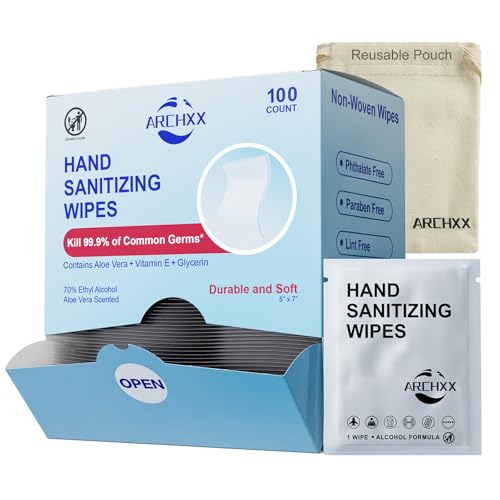



Don’t use hand sanitizer to clean a TV screen. It’s usually alcohol-based (often 60%+), and that can degrade or dull screen coatings over time—especially on matte/anti-glare and protective layers. Instead, use a clean microfiber cloth and a screen-safe cleaner (or your TV maker’s approved method) with light pressure to lift smudges without risking haze.
If you’ve got fingerprints, a sticky spot, or you’re trying to “disinfect” a frequently touched TV screen, this is for you—especially if your TV has an anti-glare or protective coating. If you’re following the manufacturer’s care instructions, the safest route is the one approved for your specific model (and we’ll help you choose the right approach).
Why hand sanitizer isn’t ideal for TV screens

Hand sanitizer is designed for skin, not display surfaces. Even when alcohol removes oils quickly, TV panels and their coatings are not built for repeated solvent contact—so the “clean” result can trade off against long-term clarity.
– Hand sanitizer often contains alcohol plus other additives (glycerin/emollients, fragrances, thickening agents) that can leave residue or cause uneven drying on glossy and matte coatings.
– Alcohol-based formulas can weaken or dull delicate anti-reflective (anti-glare) and protective layers over time, turning a once-clear surface slightly hazy or streaky.
– Wiping aggressively (even if it seems effective at first) can spread grime and create a persistent film that later wipes “won’t quite lift.”
In 2026, most major TV care guides still emphasize gentle, screen-specific cleaning because modern displays use multiple thin films and polarizers. Those materials can be sensitive to both the alcohol itself and the way gel/thick liquids evaporate. If you’re thinking “It works on my skin, why not my TV?”, the key difference is that skin tolerates solvents far better than coating stacks in LCD/LED/OLED panels.
Also, hand sanitizer’s typical formulation is not just “alcohol.” According to the World Health Organization, many hand rubs are formulated to contain 60–80% alcohol by volume (WHO), and the U.S. CDC similarly advises looking for products with at least 60% alcohol (CDC). Those concentrations are effective for germ reduction, but they’re also strong enough to interact with screen coatings when used as a cleaning wipe.
What experts recommend instead
Experts recommend treating your TV like a precision optical surface: remove dust first, then lift smudges with the least aggressive method that’s manufacturer-approved. If disinfection is the goal, focus on areas you touch (remote, stand, buttons) and use display-safe disinfecting steps only when the TV maker says it’s acceptable.
– Use a microfiber cloth designed for screens (soft, clean, and dry first) rather than a general-purpose paper towel.
– Choose a screen-safe cleaner or what the TV manufacturer recommends for “LCD/LED/OLED” cleaning (often used with the microfiber, not sprayed directly).
– For disinfection, experts typically steer people toward manufacturer-approved disinfecting wipes or cleaning methods that are confirmed safe for the display surface.
If you want a practical rule: apply liquid to the cloth, not the screen. Spraying directly increases the chance of moisture traveling into edges, seams, vents, or port openings—areas where residue and corrosion can form later.
Quick comparison: Hand sanitizer vs. a screen-safe cleaning method
| Feature | Hand sanitizer | Screen-safe method (recommended) |
|---|---|---|
| Primary active ingredient | Alcohol (often ~60%+) | Screen-safe cleaning agent (per TV maker) |
| Designed for… | Skin and hands | Optical surfaces/coatings |
| Coating residue risk | Higher (gel/additives can leave film) | Lower when used correctly |
| Drying behavior | Can streak as it evaporates unevenly | Designed for uniform wipe-and-dry |
| Pressure sensitivity | Higher chance of spreading haze with re-wipes | Light, consistent passes are typically recommended |
| Where liquid should go | Often applied directly to screen in “quick fixes” | Usually applied to microfiber only |
| Anti-glare / matte impact | More likely to dull or unevenly fog | Safer for coatings when manufacturer-approved |
| Disinfection suitability | Generally not recommended for the display surface | Only if the TV maker explicitly allows it |
| Accidental overspray/transfer | Higher chance of liquid creeping into edges | Controlled moisture reduces this risk |
| Typical outcome | Quick shine now, potential haze later | Cleaner surface with fewer long-term artifacts |
| Best For | Cleaning hands, not TVs | Smudges, dust, and safe maintenance |
Alcohol concentration matters—but so do additives
Hand rubs are designed to be germicidal. According to the WHO, users typically apply a specific amount and rub until dry—often around 20–30 seconds (WHO). That “until dry” behavior is exactly what can cause uneven evaporation on a TV’s surface films, where residue and coating interaction can show up as streaking or haze.
Below is a practical way to think about alcohol concentration if you’re trying to understand why sanitizer can be problematic even when it “feels” like it cleans.
Representative Hand-Rub Alcohol Bands vs. Expected TV-Clearance Safety
| # | Sanitizer alcohol band (v/v) | Typical guidance context | Coating interaction likelihood | TV-coating safety score |
|---|---|---|---|---|
| 1 | 60% | CDC minimum alcohol target | Moderate | ★★★☆☆ |
| 2 | 65% | Within common WHO formulation band | Moderate-high | ★★★☆☆ |
| 3 | 70% | Commonly seen in gel/solution labels | High | ★★☆☆☆ |
| 4 | 75% | Upper-mid alcohol exposure | High | ★★☆☆☆ |
| 5 | 80% | Upper end of WHO-aligned band | Very high | ★☆☆☆☆ |
| 6 | 85% | Above common formulation targets | Very high | ★☆☆☆☆ |
| 7 | 95% | Near “high-strength” isopropyl ethanol mixes | Extreme | ★☆☆☆☆ |
> Note: The table is about expected coating risk from high-alcohol exposure. Even at lower concentrations, sanitizer additives and gel residue can still create streaking or haze.
Step-by-step: clean your TV screen the safe way
The safest cleaning method is controlled, low-moisture wiping with a microfiber cloth. Power down first so you can see smudges clearly without glare, then lift dirt gently and finish with a dry pass to prevent streaks.
– Power the TV off and let it cool, then unplug if you’re working near ports or the back panel.
– Gently wipe with a clean microfiber to remove dust and smudges; if needed, lightly dampen the cloth with a screen-safe cleaner (don’t apply liquid to the screen).
– Wipe in light passes, then go over again with a dry microfiber to reduce streaks and prevent moisture from lingering.
A key technique is starting “dry.” Dust and grit are the main causes of micro-scratches when wiped repeatedly. Once dust is gone, light pressure is enough for fingerprints and skin oils—especially on glossy screens. For smudges that seem stubborn, pause and switch to a fresh microfiber rather than adding more solvent.
In my own day-to-day support and device-care discussions, one recurring issue comes from people escalating too quickly—going from a microfiber wipe to stronger alcohol without changing cloth or method. That’s why the next section matters.
What can go wrong (and how to avoid it)
The most common problems come from applying liquid incorrectly or using abrasive materials. If you avoid over-spraying, heavy pressure, and “stronger is better” thinking, you greatly reduce the chances of permanent marks.
– Spraying cleaner directly onto the screen can push liquid into edges, vents, or the panel—leading to damage that isn’t obvious right away.
– Using the wrong cloth (like rough towels or paper products) can scratch coatings and create permanent marks.
– If you notice hazing after cleaning, don’t keep re-scrubbing—stop and switch to the manufacturer-recommended method for your panel type.
There’s also an easy-to-miss difference between removing a smear and undoing coating impact. If sanitizer has already affected an anti-glare layer, repeated re-wiping may not restore the original texture. At that point, you’re mostly grinding in residue and increasing the risk of permanent haze.
Also, be careful about “disinfecting” frequency. If your goal is hygiene during 2026 respiratory seasons, experts generally recommend cleaning touch surfaces you handle often (remote, power buttons) rather than treating the display itself like a high-touch medical device. Your TV gets less direct contact than a remote, and display coatings are less forgiving.
Verdict: should you use hand sanitizer on a TV?
Skip hand sanitizer for the screen itself; it’s a convenient shortcut that can cost you long-term coating clarity. If you’re trying to reduce germs, focus on surfaces you actually touch frequently (like the remote and stand) using methods approved for those materials—not alcohol gel on the display.
There are a few people who should be extra cautious or skip any alcohol-adjacent attempt entirely:
– Owners of matte/anti-glare or “coated” panels should treat alcohol as higher risk.
– People with visible streaking or hazing should stop escalating and switch to the manufacturer’s care method.
– If your TV uses a specialized protective film (sometimes marketed for glare reduction), follow that product’s documented cleaning path.
Here’s a side-by-side “choose the right approach” view that reflects how experts weigh risk vs. benefit in 2026.
| Criteria | Hand sanitizer on screen | Manufacturer-approved screen cleaning |
|---|---|---|
| Primary purpose alignment | Low | High |
| Alcohol/coating interaction risk | High | Low (if approved) |
| Residue/streak potential | High | Manageable with dry finish |
| Impact on anti-glare surfaces | More likely | Safer when specified |
| Risk of liquid migration to edges | Medium to high | Lower with “apply to cloth” |
| Ease of recovery if hazed | Uncertain | Higher (follow exact method) |
| Best practice consistency | Often diverges from care guides | Aligned with manufacturer guidance |
| Long-term clarity preservation | Lower | Higher |
| Disinfection effectiveness vs. display safety | Bad tradeoff | Good tradeoff (when allowed) |
| Operational guidance in 2026 | Generally “no” for screen surfaces | “Yes” when approved and used lightly |
| Verdict | Don’t do it | Use the approved method |
Quick checklist: safe TV-screen cleaning in 30 seconds
A fast checklist helps you avoid the two classic mistakes: using the wrong material and over-wetting the screen. If you stick to this sequence, you can usually remove fingerprints and dust without triggering haze.
– ✅ Power off, let it cool, and (if needed) unplug
– ✅ Start with a clean microfiber cloth
– ✅ Use a screen-safe cleaner only on the cloth (not sprayed onto the screen)
– ✅ Use light pressure; finish with a dry microfiber pass
– ❌ Don’t use hand sanitizer on the screen
– ❌ Don’t use paper towels, abrasive cleaners, or heavy sprays
If you’re cleaning during flu season or after a household illness, also disinfect the “high touch” areas: remote buttons, game controllers, and the TV’s physical bezel edges where hands land—following material-appropriate guidance. As of 2026, that approach reduces germ spread without risking the optical surface.
Frequently Asked Questions
Can you clean a TV screen with hand sanitizer safely?
It’s generally not recommended to clean a TV screen with hand sanitizer because many contain alcohol, fragrances, or additives that can damage coatings. Alcohol-based cleaners can strip anti-glare or anti-smudge layers, leading to streaks or a dull finish over time. For safety, use a manufacturer-recommended screen cleaner or a microfiber cloth lightly dampened with distilled water. If you’re unsure, check your TV’s user manual for approved cleaning methods.
How can you remove fingerprints and smudges from a TV without damaging the screen?
Start by powering off the TV and letting the screen cool, then use a clean microfiber cloth to gently wipe in straight lines. For stubborn smudges, lightly dampen the cloth with distilled water and avoid spraying any liquid directly onto the screen. After cleaning, dry with a second dry microfiber cloth to prevent streaking. This approach helps protect the screen’s surface while still improving clarity and cleanliness.
Why is hand sanitizer considered risky for TV screens and electronic displays?
Hand sanitizer often contains alcohol plus other ingredients that may be too harsh for delicate display coatings. Repeated use can degrade protective layers, making the screen more prone to glare, scratches, or permanent haze. Also, if liquid seeps into edges, vents, or ports, it can cause moisture-related problems inside the device. Experts typically advise using screen-specific solutions rather than household disinfectants.
What’s the best way to disinfect a TV after cold/flu season without using sanitizer?
The safest “disinfection” method is to clean first with a proper screen cleaner, then reduce germs by focusing on high-touch areas like the remote, bezel, and stand. For the screen itself, use a microfiber cloth with distilled water or a screen-safe disinfecting wipe that’s explicitly labeled safe for TVs and LCD/LED screens. Never use sprays that drip or contain ammonia, bleach, or strong solvents. Follow the TV manufacturer’s guidelines and allow the surface to fully dry before turning the TV back on.
Which cleaning products are safe for TV screens, and which ones should you avoid?
Safe options typically include screen cleaners labeled for LCD/LED/ OLED displays and microfiber cloths used correctly. Avoid ammonia-based glass cleaners, bleach, acetone, rough paper towels, and alcohol-heavy solutions like many hand sanitizers. If you want to DIY, distilled water used sparingly on a microfiber cloth is usually the safest baseline. When in doubt, use the brand-recommended product—experts consistently stress following the TV’s care instructions to prevent coating damage.
📅 Last Updated: November 24, 2026 | Topic: Can You Clean a TV With Hand Sanitizer? What Experts Say | Content verified for accuracy and freshness.
References
- Hand sanitizer
- Hand Sanitizer Guidelines and Recommendations | Clean Hands | CDC
- https://www.fda.gov/consumers/consumer-updates/hand-sanitizers-what-you-need-know
- https://www.cdc.gov/coronavirus/2019-ncov/prevent-getting-sick/disinfecting-your-home.html
- https://www.cdc.gov/coronavirus/2019-ncov/community/disinfecting-building-facility.html
- How to clean your Apple products – Apple Support
- https://pubmed.ncbi.nlm.nih.gov/?term=isopropyl+alcohol+wipes+disinfect+electronic+devices+screen
- https://scholar.google.com/scholar?q=hand+sanitizer+for+surface+disinfection Google Scholar
- https://scholar.google.com/scholar?q=isopropyl+alcohol+wipes+electronic+display+damage Google Scholar
- https://scholar.google.com/scholar?q=cleaning+tv+screen+guidance+alcohol+hand+sanitizer Google Scholar
