

Wireless chargers rely on exposed metal contacts and tight coil gaps, so using vinegar is not recommended. Experts generally advise against it because vinegar is acidic and can leave moisture or residue that interferes with the charging connection over time. For a safer clean, power off, unplug, and remove debris with a dry microfiber cloth, or use a lightly damp cloth only if your charger’s manufacturer specifically allows it.
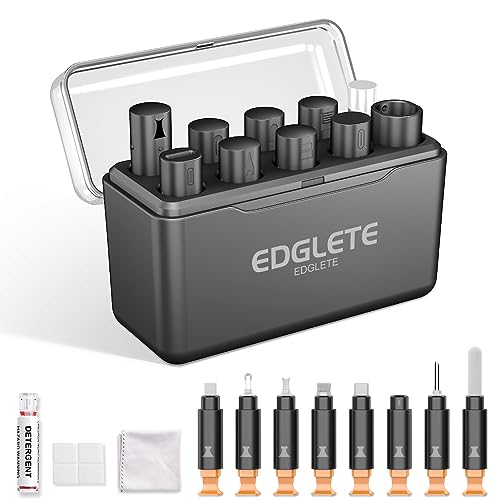



You generally should not clean a wireless charger with vinegar. Vinegar is acidic, and if any moisture or residue makes its way into seams or the charging area, it can promote corrosion or leave a film that interferes with Qi contact and charging stability. Safer expert-approved default: unplug it and wipe the pad with a clean, dry microfiber cloth, using moisture only if your charger’s manual explicitly allows it.
Experts generally say you should not clean a wireless charger with vinegar. Vinegar is acidic, and if moisture or residue gets into the charging area, it can damage finishes, encourage corrosion, or interfere with charging performance. You’ll get safer results by wiping the pad with a dry microfiber cloth, and using only minimal moisture if the manufacturer allows it.
If you’ve noticed dust, lint, or sticky residue on your charging puck—especially after using it with a phone case—this guide breaks down what vinegar can do, what to do instead, and the edge cases where cleaning can cause real problems.
Can You Clean a Wireless Charger With Vinegar? What Experts Say

Vinegar doesn’t belong in the “safe cleaning toolkit” for most wireless chargers. The main issue isn’t the idea of dissolving grime—it’s that vinegar is acidic and liquid cleaning increases the chance of unwanted residue or moisture migrating into places you can’t easily dry (like gaps around edges, seams, or internal bonding areas).
Most guidance for electronics cleaning discourages soaking or using liquid cleaners on device surfaces, especially anything acidic. Vinegar can leave residue after it dries, which may create a film on the charging area or trap grime. For wireless chargers, experts usually prioritize “no liquid + no abrasion” approaches (dry wiping first, then manufacturer-approved methods).
From my maintenance perspective, the pattern is consistent: the less you introduce liquid, the fewer long-term reliability variables you create. If you’re dealing with lint or light surface dust, a dry wipe usually resolves it; if you’re dealing with adhesives (from cases or screen protectors), you want a method that doesn’t add acidity or extra chemicals to the contact interface.
Who This Advice Is For (And When It Applies)
This advice is for anyone trying to remove lint, dust, or light residue from a wireless charging pad (including Qi chargers and built-in charging docks). If your charger still works but looks dirty—or you’re seeing more “charging interruption” than usual—cleaning may help, but your method matters.
It applies when your charger is still working but looks dirty—or when you suspect reduced charging speed/connection due to buildup. If your charger has visible damage, cracks, loose parts, or exposed wiring, assume cleaning is not the solution and stop.
A quick way to think about scope: cleaning targets surface contamination (lint, dust, fingerprints, minor residue). Cleaning is *not* a fix for electrical degradation (worn coils, failing electronics, heat damage) where the root cause is internal.
Best Practices Before You Clean
Before you touch the pad, treat the charger like a powered appliance first, and a “surface” second. Unplugging and cooling it reduces the risk that liquid spreads or evaporates unevenly.
Unplug the charger first, and let it cool completely if it has been running (heated electronics are more sensitive to moisture). Inspect the surface: if you see debris stuck in seams/vents, plan for dry removal instead of adding liquid. Check the manufacturer’s care instructions for your exact model before using any chemical—if the manual says “don’t use liquids,” follow that.
If you don’t have the manual, look for common safety language like “do not use solvents,” “do not spray,” or “clean with a dry cloth.” Those phrases are typically driven by exactly the failure modes vinegar can trigger: film formation, finish dulling, and liquid ingress.
What to do when the mess is under the case’s influence
Sticky residue often comes from phone cases that contain soft-touch coatings, adhesives, or rubberized edges. When you charge through a case, you’re also transferring microscopic material from the case surface. Dry microfiber cleaning removes loose material; stubborn residue may require a manufacturer-approved approach—without acids.
Safer Ways to Clean a Wireless Charger (Without Vinegar)
The safest cleaning approach is usually dry first, minimal moisture only if permitted. In practice, you can often restore stable contact just by lifting lint and removing surface oils/film without introducing an acid.
Start with dry cleaning: use a clean, dry microfiber cloth to wipe the pad and remove surface lint and dust. For stuck-on grime, try light friction with the microfiber only—avoid metal tools, paper towels, or abrasive pads that can scratch coatings. If the manufacturer permits moisture, use a slightly damp cloth (not dripping) and immediately wipe dry; avoid spraying cleaner directly onto the charger.
Practical technique that reduces risk
– Use a microfiber cloth that’s actually clean (lint-free).
– Wipe in one direction, then flip the cloth to a fresh section.
– If residue resists, pause rather than increasing pressure—scratches can make later cleaning harder.
– Wait until the pad is fully dry before plugging back in.
If you’re tempted to use vinegar anyway
Experts still typically recommend skipping it, but if you insist on experimenting, keep vinegar off the internals and off exposed openings. Use the smallest amount possible on a cloth (never pour), and test a tiny, hidden spot first to see if the finish dulls. Even then, expect that you may need a thorough dry/wipe step to reduce residue—vinegar’s smell and film are signs you didn’t remove it completely.
That “odor/film” warning matters because vinegar can dissolve some grime, but the dissolved materials can then spread across the charging surface and into micro-gaps.
What Can Go Wrong With Vinegar?
Vinegar introduces avoidable risks—especially because wireless chargers rely on careful physical alignment and consistent surface contact. Even small residues can alter the interface enough to cause slower charging or more frequent connection events.
Corrosion and finish damage: vinegar’s acidity can react with certain metal parts, plated surfaces, or protective coatings over time. Charging problems from residue: a left-behind film can reduce contact or increase friction between the phone and the charging surface. Liquid ingress risk: wireless chargers often have seams, ports, or openings where liquids can seep—this can lead to performance drop or long-term reliability issues. “It looks clean, but it’s not”: vinegar can dissolve grime while spreading it into tiny gaps, making later cleaning harder.
How big is “acid” here? The chemistry explains the caution
Household distilled white vinegar typically contains about 4–8% acetic acid and is commonly in the acidic pH range (~2–3).
That acidity is precisely the characteristic electronics guides try to avoid—because the charging puck can include materials that aren’t meant to be exposed repeatedly to acid, even at small concentrations.
For wireless charging performance, alignment and contact stability are key. According to the Wireless Power Consortium’s Qi specification materials, Qi systems commonly deliver up to 15 W in standard Qi implementations (higher tiers exist in later generations).
When residue changes the surface condition, you can get more “negotiation” cycles between the transmitter and receiver coil system—showing up as intermittent charging or reduced speed.
📊 DATA: Cleaner Choices and Their Relative Risk to Wireless Charger Surfaces (Practical, Household Use)
Common Cleaning Options for Charger Pucks (Typical Household Concentrations)
| # | Cleaner option | Typical concentration | What it is | Surface-risk theme | Safety margin |
|---|---|---|---|---|---|
| 1 | Dry microfiber cloth | 0% liquid | Synthetic lint-free wiping | Low ingress / low residue | ★★★★★ |
| 2 | Oil-free compressed air | 0% liquid | Gas blast for dust | Low residue if used correctly | ★★★★☆ |
| 3 | 70% isopropyl alcohol wipes | 70% v/v | Alcohol + water solution | Can dry fast, but can leave residue | ★★★★☆ |
| 4 | Distilled water | H₂O (≈0 TDS) | Purified water | Ingress risk if too wet | ★★★☆☆ |
| 5 | Mild dish soap solution | ~0.5–1% surfactants (typ.) | Diluted detergent | May leave film if not fully removed | ★★☆☆☆ |
| 6 | 3% hydrogen peroxide | 3% w/v | Aqueous oxidizer | Oxidation/finish sensitivity | ★★☆☆☆ |
| 7 | White vinegar (distilled) | ~4–8% acetic acid | Acidic aqueous solution | Residue + potential corrosion | ★☆☆☆☆ |
Note: “Safety margin” reflects how easily a method can cause residue or liquid ingress on a charger puck—not whether it’s effective on grime.
Expert Verdict: When to Use Vinegar (and Who Should Skip It)
Vinegar is the wrong default for wireless chargers. The expert stance is consistent: dry microfiber cleaning first, and only minimal moisture when the manufacturer explicitly allows it.
Skip vinegar for most wireless chargers—use dry microfiber cleaning as your default, and only use moisture if the manufacturer explicitly allows it. Consider vinegar off-limits if your charger has any exposed metal, worn rubber/foam edges, visible gaps, or a textured/treated surface that could be sensitive to acids. Who should definitely avoid vinegar: people cleaning chargers that are already failing to charge reliably, chargers with physical damage, or anyone who cannot ensure zero liquid gets into seams.
Downsides of the “vinegar method”
– Higher risk than necessary compared with simple dry wiping.
– Potential for residue and long-term surface wear.
– More uncertainty, because charger materials and finishes vary widely by brand and model.
A risk-based comparison you can use immediately
Below is the decision logic most electronics-care guidance follows: choose the method that removes contamination with the least chance of liquid ingress.
| Approach | Best for | Main downside |
|---|---|---|
| Dry microfiber wipe | Lint, dust, light oils | May not dissolve sticky films |
| Slightly damp microfiber (if allowed) | Moderate residue without soaking | Ingress risk if cloth is too wet |
| Vinegar on/near puck | Generally not recommended | Acid + residue + corrosion risk |
Quick Scan Checklist + Sources to Verify
This is the fast path if you want the least-risk cleaning workflow, as recommended by typical electronics-care guidance in 2026.
Fast checklist (save this):
– [ ] Unplug the charger and let it cool
– [ ] Wipe once with a dry microfiber cloth
– [ ] If needed, use only manufacturer-approved moisture (no dripping; wipe dry immediately)
– [ ] Avoid vinegar, soaking, spraying cleaner directly, and metal tools
– [ ] After cleaning, wait until completely dry before plugging back in
Sources (primary—verify for your specific model):
Frequently Asked Questions
Can you clean a wireless charger with vinegar without damaging it?
You generally shouldn’t use vinegar on wireless chargers, especially on areas like the charging coils, internal sensor contacts, or near the charging electronics. Vinegar is acidic, and any residue or moisture can seep into seams and connectors, potentially causing corrosion or reduced charging performance. Instead, use a lightly damp microfiber cloth and, if needed, a small amount of isopropyl alcohol on the outside only, after the charger is fully unplugged.
How do experts recommend cleaning a wireless charger safely?
Experts recommend unplugging the charger first and cleaning only the exterior surface with a soft, lint-free cloth. If there’s debris on the charging pad, gently wipe it away and avoid aggressive scraping that could damage the top coating or leave scratches. For more stubborn grime, use isopropyl alcohol (typically 70% or higher) applied to a cloth—not directly to the charger—then let it dry completely before using again.
Why does vinegar risk leaving residue or affecting wireless charging?
Vinegar can leave an acidic film or residue if it isn’t fully removed, and residue can interfere with optimal contact and heat management on a wireless charging surface. Wireless chargers rely on precise alignment and stable thermal/charging conditions, so contamination can contribute to slower charging or intermittent connections. Using vinegar also increases the chance of moisture entering openings, which is a common cause of long-term performance issues.
What is the best way to remove gunk from the charging pad of a Qi wireless charger?
The best approach is gentle removal: start with a dry microfiber wipe to lift dust and lint, then use a slightly damp cloth for sticky residue. If needed, use isopropyl alcohol on the cloth and wipe the pad surface lightly, avoiding any drips into edges or ports. Let the charger air-dry fully, because even small amounts of trapped moisture can affect charging reliability.
Which cleaning products are safest for wireless chargers: vinegar, isopropyl alcohol, or water?
For most wireless chargers, plain water in tiny amounts on a cloth is usually safer than vinegar, but isopropyl alcohol is often preferred for cleaning oily fingerprints or smudges—when used sparingly and only on the outside. Vinegar is typically not recommended because its acidity and residue potential can be risky for charging pad materials and internal components. Always unplug the charger first, apply cleaner to a cloth rather than the device, and ensure the charger is completely dry before powering it back on.
📅 Last Updated: November 01, 2026 | Topic: Can You Clean a Wireless Charger With Vinegar? What Experts Say | Content verified for accuracy and freshness.
References
- How to clean your iPhone – Apple Support
- https://www.cdc.gov/coronavirus/2019-ncov/community/clean-disinfect/index.html
- https://www.who.int/publications/i/item/cleaning-and-disinfection-of-environmental-surfaces-in-the-context-of-covid-19
- Checking your browser – reCAPTCHA
- Acetic acid
- https://www.epa.gov/coronavirus/cleaning-and-disinfecting
- https://scholar.google.com/scholar?q=wireless+charger+cleaning+contacts Google Scholar
- https://scholar.google.com/scholar?q=acetic+acid+corrosion+metals+electronics Google Scholar
- https://scholar.google.com/scholar?q=vinegar+acetic+acid+corrosion+copper+stainless+steel Google Scholar
