

Can You Clean a Wooden Study Table With Bleach? Experts Say — Bleach is usually a bad choice for wooden study tables because it can discolor the wood, dry out or degrade finishes, and leave residue that continues reacting over time. If you need disinfection, experts generally recommend cleaning first and then using a disinfectant that’s explicitly labeled for the type of finish on your table—never “bleach as a default.”
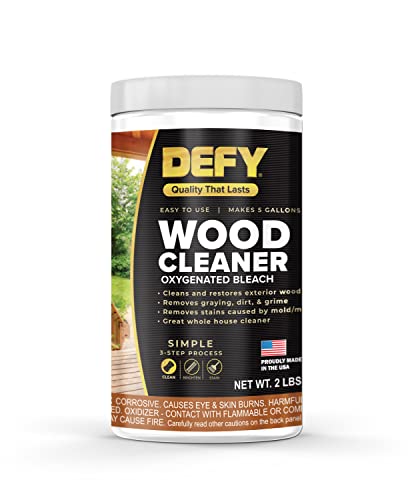



Can you clean a wooden study table with bleach? Experts say the answer is no—bleach can discolor wood, weaken finishes, and leave lingering damage that spot-cleaning can’t fully undo. If you’re dealing with stains or grime, choose a mild dish-soap solution or a cleaner specifically made for wood instead to protect the table’s surface.
Bleach isn’t a safe go-to for most wooden study tables because it can discolor, dry out, and damage the finish—especially on porous wood. If you need disinfection, use products and methods meant for the specific finish on your table and always follow the label directions. In this guide, we’ll cover what experts generally caution against, safer alternatives, and how to clean without risking the wood.
If your table has a sealed finish (varnish/polyurethane) you’ll still want to be cautious—bleach can cloud or strip coatings over time. If it’s unfinished, waxed, or raw-wood stained, bleach is even more likely to penetrate and cause permanent spotting.
Who this is for (and when bleach comes up)

If you’re dealing with spills, germs, or unknown contamination, the safest answer is to avoid bleach unless you can confirm the product label explicitly covers your table’s finish type. Bleach may look like “quick disinfection,” but wood surfaces and finishes are more variable than hard, non-porous materials like tile or sealed countertops.
CDC guidance emphasizes that cleaning (soil removal) should happen before disinfecting, because disinfectants work best on surfaces that aren’t covered in grime.
EPA disinfectants are intended for the specific surface types listed on the product label, and many disinfectants are formulated for hard, non-porous surfaces.
You’re trying to clean a wooden study table after messes, germs, or spills and wonder if bleach is “strong enough.”
You have a finished (varnished/painted) or semi-finished wood tabletop and want to avoid ruining the surface.
You need a practical, safer routine that works for everyday grime—not just spot sterilizing.
Why experts generally warn against bleach on wood
Bleach can disinfect certain non-porous surfaces, but on wood it often creates more problems than it solves—especially discoloration and finish damage. As of 2026, the expert consensus for household disinfection is still: use bleach only when the label matches the surface type and finish, and treat wood as a high-risk substrate unless proven otherwise.
According to CDC instructions for disinfecting hard, non-porous surfaces, a common dilute bleach mix is 1/3 cup of household bleach per 1 gallon of water, with the surface kept wet for at least 1 minute.
CDC also distinguishes “cleaning” from “disinfection,” noting that removing dirt and organic material matters because it reduces disinfectant effectiveness.
Why experts generally warn against bleach on wood:
– Bleach is designed for disinfecting hard, non-porous surfaces; wood can be porous and unevenly sealed, so it may not disinfect the way people expect.
– Bleach can damage finishes by bleaching colorants, weakening topcoats, and causing dullness, haze, or peeling.
– Even when wood looks “dry,” bleach residue can remain and keep reacting with the finish, leading to long-term discoloration.
Here’s a data point that helps explain the “it disinfected but now it’s ruined” scenario: on many wooden tables, bleach ends up contacting finish edges, pores, and scratches longer than you intended. Even if you dilute properly, finish strength and porosity vary across the same tabletop.
To make that dilution risk concrete, remember how quickly results change with the bleach strength printed on your bottle. If you use the commonly cited “1/3 cup per gallon” mix (CDC’s hard, non-porous surface guidance), the resulting effective chlorine strength depends on the bleach’s original sodium hypochlorite percentage.
Estimated Chlorine Strength When Using “1/3 Cup per Gallon” Bleach Mix
| # | Bleach Label (Sodium Hypochlorite) | Dilution Mix | Estimated Final Strength | “Hard Surface” Disinfection Match (Indicative) |
|---|---|---|---|---|
| 1 | 3% | 1/3 cup per 1 gal | ~626 ppm | ★★☆☆☆ |
| 2 | 4% | 1/3 cup per 1 gal | ~835 ppm | ★★★☆☆ |
| 3 | 5.25% | 1/3 cup per 1 gal | ~1,096 ppm | ★★★★☆ |
| 4 | 6% | 1/3 cup per 1 gal | ~1,253 ppm | ★★★★☆ |
| 5 | 7% | 1/3 cup per 1 gal | ~1,462 ppm | ★★★★☆ |
| 6 | 8.25% | 1/3 cup per 1 gal | ~1,734 ppm | ★★★★★ |
| 7 | 10% | 1/3 cup per 1 gal | ~2,088 ppm | ★★★☆☆ |
This table is the math behind a practical warning: bleach label strength changes the final mixture strength dramatically, which means the “same” mix can be gentler or harsher depending on what’s on your bottle. On a wooden study table, that variability increases the odds of uneven light patches and finish wear.
Safer ways to clean a wooden study table (without bleach)
The safest approach is to clean for soil removal first, then disinfect only if you have a product labeled for your table’s finish. If you skip bleach, you reduce the biggest risk on wood—finish discoloration and long-term residue—while still improving hygiene.
CDC emphasizes that effective disinfection usually requires cleaning first, because visible dirt can interfere with disinfectant action.
EPA guidance directs users to follow product labels for correct dilution, contact time, and suitable surface types.
Safer ways to clean a wooden study table (without bleach):
– For routine cleaning: use a mild, wood-safe cleaner (or gentle dish soap diluted in water) and wipe with a damp—not soaking—cloth.
– For stickiness or light grime: clean first, then if you still want disinfection, choose a disinfectant labeled for the specific finished surface you have.
– For odor or tougher spots: target the stain type (food, marker, grease) with appropriate non-bleach methods instead of “one chemical for everything.”
To compare your options quickly, here’s a practical “risk vs. outcome” view:
- Mild cleaner + damp wipe
- Best for: everyday grime, fingerprints, food residue; reduces germs by removing soil.
- Main risk: None if you avoid soaking and dry promptly.
- Finish-labeled disinfectant
- Best for: a clear need to disinfect after contamination (e.g., illness exposure), when label explicitly covers finished wood.
- Main risk: Requires correct dwell/contact time and first-step cleaning.
- Targeted stain removal (non-bleach)
- Best for: marker, grease, or water spots—when you match the method to the finish.
- Main risk: Over-aggressive scrubbing can dull the finish.
How to clean a wooden study table safely (step-by-step)
The safest routine is gentle cleaning with minimal moisture, followed by optional disinfection only when the label fits your finish. This method protects both sealed and semi-finished wood surfaces and reduces the chance of bleach-like residue effects (even with non-bleach products).
CDC guidance for hard-surface disinfection is explicit that the surface should be cleaned before disinfectant application.
EPA disinfectant instructions commonly require keeping the treated surface visibly wet for the labeled contact time.
How to clean a wooden study table safely (step-by-step):
– Clear the surface: remove paper, chargers, and anything that can trap liquid.
– Dry-dust first: wipe with a dry microfiber cloth to lift grit that can scratch the finish.
– Use a gentle wipe-down: lightly dampen a cloth with a mild cleaner solution; wipe in the direction of the grain.
– Rinse/wipe again: follow up with a second cloth lightly damp with plain water to remove cleaner residue.
– Dry thoroughly: immediately dry with a clean towel, then let it air-dry fully before using.
– If disinfection is needed: only use disinfectants according to the label for “finished wood” or for the closest compatible surface type, and test a hidden area first ().
What “test in a hidden area” really means on wood: choose the underside edge or a spot under where a chair typically rubs. Apply the cleaner or disinfectant with the same method you’d use on the top, then check for light patches, dulling, or tackiness once it fully dries.
Also, keep in mind that many wood study tables have “mixed” finish conditions: a glossy top, a more porous edge band, or wear-through where students have dragged notebooks or pens. That’s why bleach-like chemistry can show up first on edges even if you think you cleaned the center thoroughly.
What can go wrong (common mistakes and edge cases)
Bleach isn’t the only problem—most damage to wooden study tables comes from using too much liquid, using the wrong chemical, or skipping compatibility checks. In 2026, the safest rule is: match the product to the finish and treat “wood” as a porous, variable surface rather than a single material.
EPA guidance stresses label directions for dilution and appropriate surface types, because disinfectant performance and material compatibility depend on proper use.
CDC notes disinfecting is not the same as cleaning, and disinfectants are less effective when soil and residue are present.
What can go wrong (common mistakes and edge cases):
– Over-wetting the wood: too much liquid can seep into seams, edges, or unfinished sections.
– Using bleach “as a sanitizer”: bleach may not perform reliably on porous surfaces and can still damage the finish.
– Not testing first: spot bleaching can cause uneven light patches that are hard to repair.
– Mixing chemicals: never combine bleach with other cleaners (especially acids or ammonia-based products)—you can create dangerous fumes.
– Ignoring manufacturer finish: some finishes (especially older or worn ones) react more strongly; what works on one table may fail on another.
Special edge cases that matter for wood:
– Unfinished or lightly sealed tables: bleach can penetrate and permanently lighten the grain.
– Worn clear coat: once protective topcoat is thin, bleach (or even strong disinfectants) can accelerate dullness and peeling.
– Stain-blocked areas (water-based markers, certain dyes): colorants can fade unevenly when exposed to oxidizers.
If you’re tempted to “just disinfect the spot,” remember that wood often wicks liquid laterally. Even if you keep the bleach off the main tabletop, it can migrate into scratches and finish breaks.
Verdict, checklist, and FAQ
Verdict: what I recommend
Skip bleach for most wooden study tables. Instead, clean gently to remove soil (which also improves hygiene) and use disinfectants only when the product label explicitly allows the type of finish/surface you have—then test in a hidden spot first. If you’re dealing with a specific spill or stain, tell me what it is and what finish your table has (painted, varnished, sealed, or unfinished), and we can choose the safest non-bleach method.
If your table is unfinished, heavily worn, or has peeling/softened coating, you should avoid bleach entirely.
CDC guidance links effective disinfection to cleaning first and using disinfectants correctly on the right kinds of surfaces.
EPA directs users to follow label surface-type guidance, which generally favors hard, non-porous substrates for many disinfectants.
Quick scan-and-save checklist
| Task | Do | Avoid |
|---|---|---|
| Everyday cleaning | Mild cleaner, lightly damp cloth, wipe dry | Soaking the surface or flooding edges |
| Disinfection | Use only label-approved disinfectants for your finish; spot test first | Bleach as a default disinfectant for wood |
| After cleaning | Dry immediately; let fully air-dry | Leaving residue or standing liquid |
| Safety | Ventilate and follow product directions | Mixing bleach with other cleaners |
Frequently Asked Questions
Can you clean a wooden study table with bleach without damaging the wood?
Experts generally advise against using bleach on unfinished or natural wood finishes because bleach can strip color, weaken the surface, and cause permanent discoloration. Even on sealed wood, strong bleach solutions may dull the finish or lead to uneven light spots. If you need to disinfect, it’s safer to use a wood-safe cleaner and a diluted solution appropriate for the finish type.
How can you disinfect a wooden study table if you don’t use bleach?
Start by removing dust and debris with a dry microfiber cloth, then wipe with a mild dish soap mixed in warm water on a lightly damp cloth. For disinfection, use a diluted, wood-safe disinfectant recommended for finished wood, or a solution of water and isopropyl alcohol applied sparingly to a cloth rather than poured on the table. Always wipe dry immediately and avoid soaking to prevent swelling or warping.
Why is bleach a risky choice for cleaning wooden furniture?
Bleach is a strong oxidizing chemical that can break down finishes and change the wood’s natural tone, especially over time. It can also seep into small cracks, seams, or unfinished edges, leading to patchy discoloration that’s difficult to fix. Wood is porous, so even “light” bleach use can leave lasting marks if the finish isn’t fully protected.
What’s the best way to remove stains or grime from a wooden study table safely?
For everyday grime, use a gentle wood cleaner or mild soap-and-water solution, followed by drying with a clean microfiber cloth. For stubborn stains, experts recommend identifying the stain source first (water rings, ink, food marks) and using a targeted approach like a wood-safe stain remover or carefully applied alcohol for non-finish damage. After cleaning, consider applying a suitable wood polish or conditioner to restore the protective layer.
Which cleaning products are considered safe for finished versus unfinished wooden study tables?
For finished wooden study tables (varnished, lacquered, or sealed), mild pH-balanced cleaners and lightly diluted disinfectants designed for wood are typically safer. For unfinished wood, avoid bleach and harsh chemicals entirely because the pores absorb liquids and can trap discoloration or odor—use only gentle cleaning with minimal moisture. If you’re unsure, test any product in a hidden corner first and check the finish for tackiness or lightening before cleaning the whole surface.
📅 Last Updated: October 26, 2026 | Topic: Can You Clean a Wooden Study Table With Bleach? What Experts Say | Content verified for accuracy and freshness.
References
- https://www.cdc.gov/coronavirus/2019-ncov/community/disinfecting-building-facility.html
- https://www.epa.gov/coronavirus/cleaning-and-disinfecting-your-home
- https://www.epa.gov/mold/mold-remediation-and-cleanup
- https://www.cdc.gov/mold/default.htm
- https://www.who.int/publications/i/item/cleaning-and-disinfection-of-environmental-surfaces-in-the-context-of-covid-19
- Bleach
- bleach sodium hypochlorite wood disinfection – Search Results – PubMed
- https://www.britannica.com/science/bleach
- https://scholar.google.com/scholar?q=bleach+wood+finish+damage Google Scholar
- https://scholar.google.com/scholar?q=sodium+hypochlorite+porous+surfaces+mold+effectiveness Google Scholar

[…] Windex is designed for glass and hard, non-porous surfaces; many formulas include strong cleaning agents (classic versions are often ammonia-based) that can […]