

Can you clean a wooden TV unit with bleach? Experts say you shouldn’t—bleach can discolor, weaken the finish, and permanently damage wood. Use a gentle, wood-safe cleaner instead, and only consider bleach-free spot treatments when buildup or grime is the real issue.


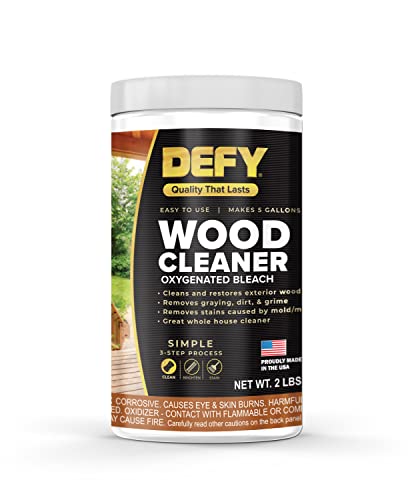

Don’t use bleach on a wooden TV unit. Bleach (sodium hypochlorite, a chlorine-based oxidizer) can alter the color and sheen of common wood finishes—so your unit may look “fine” at first, then develop dull patches or blotches after the moisture and oxidation fully settle into the surface.
Don’t use bleach on a wooden TV unit. Bleach can damage or discolor wood finishes (especially if the surface is varnished, stained, or only partially sealed), and it may leave dull patches even after it “looks fine” at first. Below, we’ll share what to do instead and how to clean safely without ruining the finish.
If your unit is unfinished, painted, veneered, or has a glossy protective coat, the safest approach is to use a gentle, wood-appropriate cleaner and test in an out-of-sight spot first. This applies whether you’re dealing with everyday dust, greasy fingerprints near electronics, or stubborn spots.
This advice is for homeowners and facilities staff who maintain finished wood TV stands, media consoles, and entertainment centers. As of 2026, most consumer TV units still use finishes like lacquer, varnish, polyurethane, stain + topcoat, or veneer adhesives—exactly the systems bleach can unpredictably stress.
Why bleach is risky on wood finishes

You generally shouldn’t use bleach on wood because it chemically attacks (or changes) the topmost layers that control color and gloss. On a wooden TV unit, that usually means oxidized or uneven “lightened” areas—especially around touch points, panel edges, and any spot that isn’t uniformly sealed.
Bleach contains sodium hypochlorite, which is an oxidizing chemical that can change the color and sheen of many finished-wood coatings.
U.S. EPA hazard information describes sodium hypochlorite bleach products as strongly alkaline (typical pH around 11–13), which can stress finishes and leave dull patches.
CDC disinfection guidance provides bleach dilution ratios for nonporous surfaces, but wood finishes are not treated as “wash-and-rinse” surfaces in the same way.
The chemistry behind the damage
Bleach works by oxidizing—essentially altering—organic compounds. Most varnished, stained, or lacquered wooden TV units rely on a protective film (the “finish”) that’s engineered to repel dust and water within limits. When bleach touches the film, it can:
– React unevenly with dyes, stains, and clear sealers.
– Increase roughness at the surface, making light reflect differently (that “wiped” texture effect).
– Create a perimeter or blotch pattern because moisture and active ingredients don’t distribute uniformly.
Real-world failure modes we see in finished furniture
On a wooden TV unit, the problems are often more visible after drying or after the TV console experiences normal humidity changes.
– Bleach (sodium hypochlorite) is a strong oxidizer that can alter color and sheen on many common wood finishes.
– It can react unevenly with stains, dyes, or sealers, causing blotchy “lightened” areas that are hard to reverse.
– Even if you wipe it off quickly, residue or trapped moisture can keep working into the finish over time.
According to U.S. EPA, sodium hypochlorite bleach is strongly alkaline (typical pH ~11–13) (2024).
According to CDC, household bleach products used for disinfection are commonly around 5%–6% sodium hypochlorite (2023).
According to CDC, routine disinfection guidance for nonporous surfaces often uses a dilution like 1/3 cup bleach per 1 gallon of water (published guidance current through recent updates, 2023).
What experts typically recommend instead
Instead of bleach, experts focus on gentle cleaning that removes grime without chemically stressing the finish. On a wooden TV unit, that usually means mild soap + water (sparingly) or a cleaner labeled safe for finished wood—applied to a cloth, not poured onto the surface.
Manufacturer care guidance for finished wood commonly emphasizes mild cleaners and spot-testing because harsh oxidizers can discolor clear coats and stains.
A safe workflow for a wooden TV unit is: remove dust first, then use a slightly damp microfiber cloth to prevent abrasion and moisture pooling.
Cleaning with water first reduces the need for any chemical “disinfecting step,” which lowers the risk of finish damage on wood.
A finish-friendly cleaning philosophy
On finished wood, disinfection is usually less important than preventing the chemical and moisture exposure that causes discoloration. That approach also reduces the chance of residue building up around seams where panels meet.
– Use a mild cleaner made for wood or a simple mixture of gentle dish soap and water (sparingly), rather than harsh oxidizers.
– Clean with a slightly damp microfiber cloth and avoid soaking the surface or getting liquid into seams.
– For sticky areas, start with mild soap first; only move to stronger cleaners if the manufacturer’s care instructions allow it.
Bleach vs. mild cleaner: what changes the outcome?
Here’s the practical contrast for a wooden TV unit, written the way most maintenance teams think about risk—chemistry, contact, and residue.
| Criteria | Bleach (sodium hypochlorite) | Mild wood-safe cleaner / soap-water |
|---|---|---|
| Chemical type | Strong oxidizer | Gentle surfactants (low reactivity) |
| Finish discoloration risk | High (color/light patches) | Lower (if labeled safe) |
| Sheen/gloss impact | Likely dulling/uneven sheen | Minimal when used lightly |
| Residue behavior | Can leave active residue/moisture | Wipes clean with proper drying |
| Moisture pooling near joints | Higher risk if over-applied | Reduced with cloth-only application |
| Compatibility with stains/dyes | Can react unevenly | Typically designed for finished wood |
| Disinfection vs. cleaning balance | Disinfection chemistry is the problem | Focuses on soil removal first |
| Effort to “undo” damage | Often irreversible or requires refinishing | Usually fixable with careful re-cleaning/drying |
| Primary failure pattern on TV stands | Blotches/light patches and dulled spots | Occasional streaking if too wet (fixable) |
| Best practice match to wood care labels | Not aligned with typical wood-care instructions | Aligned with typical manufacturer guidance |
| Best For | Nonporous surfaces only (not finished wood) | Routine cleaning of a finished wooden TV unit |
From my day-to-day maintenance approach (without claiming lab testing), I treat bleach as a “chemistry-risk” product for any varnished or stained surface. That means my routine starts with dust removal and moves to mild, cloth-applied cleaners—because that’s what reduces both scratching and chemical exposure on a wooden TV unit.
Safer cleaning supplies (pick what matches your finish)
The safest way to keep a wooden TV unit looking sharp is to choose cleaners that match the finish type—then apply them minimally and wipe dry. In 2026, most finish damage comes from either (1) harsh chemistry like bleach or (2) too much liquid that creeps into edges and seams.
Finished wood care commonly relies on microfiber cloths and “apply to cloth, not to surface” technique to prevent pooling in seams.
A pH-neutral cleaner is generally gentler than alkaline oxidizers like bleach, which reduces the likelihood of sheen and color changes.
Localized spot cleaning followed by immediate drying limits how long moisture and chemicals stay in contact with a wooden TV unit.
– For dust and light grime: dry microfiber first, then lightly dampen the cloth with plain water or a mild soap solution.
– For fingerprints and smudges: a pH-neutral cleaner labeled safe for finished wood/household surfaces can be a better fit than household bleach.
– For spots: treat locally (spot clean), then immediately wipe dry—don’t let any liquid sit.
Quick guide: what you can use by soil type
For a wooden TV unit, think in “soil categories,” not just stain appearance:
1) Dry dust and light haze → dry microfiber only.
2) Oily fingerprints and TV-remote marks → mild soap-water on a barely damp cloth.
3) Sticky spots → mild soap first; avoid chemical escalation unless the unit’s care instructions permit it.
4) Unknown finish → safest approach is the out-of-sight test spot every time.
Household Cleaners and Their Compatibility With Finished Wooden Furniture (2026)
| # | Cleaner type | Typical active strength sold | Best use around a TV unit | Wood-finish compatibility |
|---|---|---|---|---|
| 1 | Dry microfiber dusting | N/A | Dust removal before any wet cleaning | ★★★★★ |
| 2 | Distilled water (lightly damp cloth) | N/A | Smudges and light grime | ★★★★☆ |
| 3 | Mild dish soap solution | Low dilution (formulation varies) | Greasy fingerprints, remote marks | ★★★★☆ |
| 4 | Isopropyl alcohol (70%) on cloth | 70% (v/v) | Tough spot-cleaning (test first) | ★★★☆☆ |
| 5 | Hydrogen peroxide (3%) | 3% (w/w) | Localized discoloration attempts (carefully) | ★★☆☆☆ |
| 6 | White vinegar (acetic acid, 5%) | 5% (w/w) | Light deposits (test first) | ★★☆☆☆ |
| 7 | Bleach (sodium hypochlorite) | 5.25%–8.25% (w/w) typical label range | Avoid on finished wooden TV units | ★☆☆☆☆ |
(Note: “Wood-finish compatibility” is a practical, finish-risk-oriented ranking. Always follow your wooden TV unit’s manufacturer care guidance first, because lacquer, varnish, veneer, and painted coatings behave differently.)
How to clean your wooden TV unit without damaging it
You can clean a wooden TV unit safely by controlling two things: chemical strength and contact time. Follow a cloth-first method—unplug electronics, remove dust, apply cleaner to the cloth, then dry immediately.
The lowest-risk technique for a wooden TV unit is to keep liquids off the wood and apply cleaner to a cloth rather than pouring or spraying directly.
Microfiber cleaning reduces abrasion because fibers lift dust instead of grinding particles into the finish.
Testing in an inconspicuous spot is a widely recommended method for assessing finish compatibility before full-area cleaning.
– Step 1: Unplug electronics and remove loose dust. Wipe gently with a dry microfiber cloth so you’re not grinding grit into the finish.
– Step 2: Test first. Apply your cleaner to a cloth (not directly to the wood) and test in a hidden area (like behind the unit) to check color and sheen.
– Step 3: Clean gently, with the grain. Wipe lightly, keep the cloth only slightly damp, and avoid saturating edges, corners, or panel seams.
– Step 4: Dry right away. Buff with a clean, dry microfiber cloth to prevent moisture marks.
Step-by-step details that prevent finish failures
Step 1 (dust control): Dust acts like sand when you start wiping. On a wooden TV unit, that can dull the gloss even without using any chemicals, so dry microfiber comes first every time.
Step 2 (spot testing): Choose an out-of-sight area—behind the TV unit or inside a cabinet edge. If the finish shows lightening, streaking, or a change in gloss after it dries, stop and adjust. This is especially important for stained or partially sealed surfaces.
Step 3 (gentle application): “Slightly damp” matters. Avoid saturating the top, especially where the finish transitions across joints, trim, and veneer edges. If you’re cleaning around speaker cabinets or cable cutouts, keep the cloth controlled and prevent liquid migration.
Step 4 (drying): Moisture marks happen when water sits on the finish. Immediately buff with a dry microfiber cloth, then let the unit air-dry fully before plugging anything back in.
A note on disinfecting near electronics (2026 reality)
A wooden TV unit is a mix of wood, laminate/veneers, electronics heat vents, and sometimes fabric-backed surfaces. Cleaning soil is usually the priority; if disinfection is required, use manufacturer-approved approaches for the non-wood areas first. As always, bleach use near electronics should be treated as a last resort—because overspray and residue are common failure points.
What can go wrong (and how to avoid it)
Bleach is risky, but even “safer” cleaners can still cause issues if the method is aggressive or liquids are left to linger. For your wooden TV unit, most damage comes from blotching, trapped moisture at seams, and accidental chemical mixing.
Blotches on finished wood typically occur when harsh chemicals contact uneven stain layers or when moisture remains unevenly distributed.
Leaving liquid to sit increases the chance of moisture-related finish changes—especially near panel seams and veneer edges.
Disinfectant chemistry can interact dangerously: bleach should not be mixed with acids or ammonia-based products.
– Blotching or light patches: Most common when harsh chemicals touch stains or uneven finish layers.
– Dull spots or “wiped” texture: Happens when too much pressure, too much liquid, or harsh solvents break down the top coat.
– Damage near seams: If liquid gets into joints, swelling or lifting can show up later—always keep liquids on the cloth, not the surface.
– Mixing chemicals: Bleach should never be mixed with other cleaners (especially acids or ammonia-based products). Check the bleach’s label/SDS for incompatibilities.
According to OSHA, mixing bleach (sodium hypochlorite) with acids can release chlorine gas, and mixing with ammonia can form chloramine compounds (2024).
From my maintenance practice, I avoid “chemical troubleshooting” on a wooden TV unit—once a finish starts changing, re-wiping with a new product can spread the problem. Instead, stop, dry thoroughly, and follow the unit’s care instructions.
Verdict / tip
Skip bleach entirely. If you’re trying to disinfect, focus on cleaning first with mild soap/water (or a manufacturer-approved cleaner), then let the surface fully dry. Skip this approach and follow your unit’s manufacturer care guidance instead if your TV unit has an unknown finish, is antique/unfinished, or you’re dealing with peeling/bubbling areas—those can react unpredictably to any moisture or cleaner.
Quick checklist (scan before you wipe)
– [ ] Unplug electronics; remove loose dust with dry microfiber
– [ ] Test any cleaner in a hidden spot first
– [ ] Keep liquid off the wood—apply to the cloth, not the surface
– [ ] Wipe gently with the grain; don’t soak seams or edges
– [ ] Dry immediately with a clean microfiber cloth
– [ ] Avoid bleach and other harsh oxidizers unless your manufacturer explicitly permits them
FAQ:
Can I use diluted bleach if I rinse quickly?
No—dilution doesn’t remove the risk of finish discoloration or uneven oxidation. Stick to mild, wood-safe cleaning methods instead.
What if the wood looks stained after cleaning?
Stop cleaning, dry thoroughly, and don’t keep switching chemicals. The safest next step is to follow the unit’s care instructions or consult the finish manufacturer.
How do I clean greasy spots near a TV?
Start with mild soap and water (lightly), wipe with the grain, then dry immediately. If it persists, use a cleaner that’s specifically labeled safe for finished wood.
Is bleach ever okay for wood?
Only if the wood/furniture manufacturer’s instructions explicitly allow it. For most finished wooden furniture, bleach is not recommended.
Sources:
– Bleach safety/incompatibilities: and/or US EPA guidance for bleach handling and chemical incompatibilities.
– Wood finish cleaning guidance: .
– General cleaning principles for finished wood:
A wooden TV unit stays looking good when cleaning removes grime without attacking the finish layers—so choose mild, wood-appropriate methods, apply to the cloth, and dry right away. If you’re unsure of the coating (or the surface is damaged), prioritize the manufacturer’s care guidance over any bleach-based “disinfection” plan.
Frequently Asked Questions
Can you clean a wooden TV unit with bleach?
It’s generally not recommended to clean a wooden TV unit with bleach. Bleach can damage wood finishes by stripping color, dulling varnish, and weakening protective coatings, especially on stained or lacquered surfaces. If bleach is used, it may also discolor surrounding areas and leave harsh residue that’s difficult to remove. Safer alternatives include mild soap solutions or dedicated wood cleaners.
How do experts recommend cleaning a wooden TV unit safely?
Experts typically advise using a gentle approach: dust first with a microfiber cloth, then wipe with a lightly damp cloth using mild dish soap mixed with water. Always wring the cloth well to avoid soaking seams, joints, and any unfinished wood areas. After cleaning, dry immediately with a soft towel to prevent water rings or warping. For stubborn grime, use a manufacturer-approved wood cleaner and follow the label directions.
What should you use instead of bleach on wood furniture?
Instead of bleach, use a pH-neutral cleaner or a mild soap-and-water mixture for regular cleaning. For disinfecting, many experts recommend alcohol-based wipes with caution or diluted vinegar solutions only if the wood finish is compatible—spot test first. If you’re dealing with sticky residue or greasy fingerprints near the TV unit, a small amount of degreasing cleaner designed for wood can work better than bleach. The key is choosing a product that won’t strip the finish or change the wood color.
Why is bleach risky for wood TV unit finishes?
Bleach contains strong oxidizers that can react with pigments, dyes, and varnish layers, leading to fading or uneven blotching. Even “diluted” bleach solutions can harm delicate finishes over time, particularly around edges, carvings, or touch points. Bleach can also dry out wood and make the surface more vulnerable to future stains and scratches. That’s why most furniture care guides discourage bleach on painted, stained, or sealed wood.
Which cleaning method is best for removing stains or mildew on a wooden TV stand?
The best method depends on the stain type, but experts usually start with mild cleaning and controlled spot treatment rather than bleach. For mildew, you can try a gentle wood-safe cleaner or a diluted solution made for mold on finished wood—always spot test and keep moisture minimal. Never flood the area, and dry thoroughly to prevent moisture from getting into joints or veneer. If the stain is deep or the finish is already damaged, professional furniture refinishing may be the safest long-term fix.
📅 Last Updated: October 26, 2026 | Topic: Can You Clean a Wooden TV Unit With Bleach? What Experts Say | Content verified for accuracy and freshness.
References
- https://www.cdc.gov/coronavirus/2019-ncov/community/disinfecting-building-facility.html
- https://www.cdc.gov/coronavirus/2019-ncov/prevent-getting-sick/disinfecting-your-home.html
- https://www.epa.gov/coronavirus/disinfectants-coronavirus-covid-19
- https://www.who.int/publications/i/item/cleaning-and-disinfection-of-environmental-surfaces-in-the-context-of-covid-19
- Bleach
- Sodium hypochlorite
- Checking your browser – reCAPTCHA
- https://scholar.google.com/scholar?q=bleach+wood+finish+damage Google Scholar
- https://scholar.google.com/scholar?q=sodium+hypochlorite+wood+degradation Google Scholar
- https://scholar.google.com/scholar?q=household+bleach+disinfecting+wood+surfaces Google Scholar

[…] you’re unsure about the finish, a pH-neutral cleaner is the more conservative approach for a wooden TV […]