
No, dish soap is not a reliable cleaner for car fabric seats because its detergents can leave a soapy residue that’s difficult to fully rinse out of upholstery. That film can then attract dirt and make the seat look dull or re-soiled faster. Experts recommend using a pH-neutral upholstery cleaner instead and working in small, blot-dried sections.
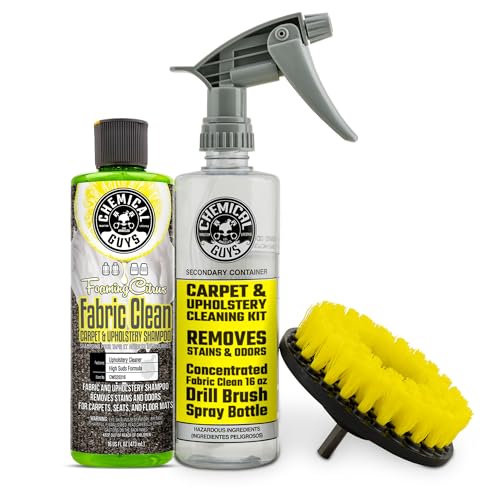



Yes—you can often use a small amount of dish soap on car fabric seats, but only in specific situations. Experts generally recommend diluting it, testing a hidden spot first, and using minimal moisture so you don’t set stains, create water rings, or leave detergent residue that later attracts dirt.
If you’re dealing with light spills, surface dirt, or greasy spots on fabric upholstery, this guide walks you through safer cleaning steps and what to avoid. If your seats have built-in stain protection or you’re unsure what fabric your car uses, you’ll also learn when dish soap is a risky choice.
What Experts Say About Dish Soap on Fabric
Dish soap can act as a mild degreaser on many types of car fabric, but it’s not a “set-it-and-forget-it” upholstery cleaner because residue is the real risk. In most guidance for upholstery care, the key theme is control: diluted chemistry, gentle agitation, and blotting instead of soaking—so dish soap lifts grime without lingering.
– Many upholstery-care guidelines treat dish soap as a “mild degreaser,” but it can leave detergent residue if used too strong. Residue matters because detergent film can make the seat feel slightly tacky and can attract airborne dust.
– Experts typically stress dilution, spot-testing, and using minimal moisture to prevent water rings and deeper penetration. Water rings happen when dissolved dye or fabric sizing re-deposits as the area dries.
– Dish soap works best when you treat it like a short-contact spot treatment (work the foam in, then remove it). Keeping moisture low reduces the odds that it reaches deeper padding or seat seams.
Typical Cleaner pH Ranges and Why It Matters for Car Fabric (Upholstery Contact)
| # | Cleaner category | Typical pH range | Residue risk (relative) | Stain-lift strength (relative) |
|---|---|---|---|---|
| 1 | Diluted dish soap | ~7.0–9.5 | Moderate | ★★★ |
| 2 | All-purpose cleaner (ready-to-use) | ~7.5–11.5 | Higher | ★★★★ |
| 3 | Upholstery “foam” cleaner | ~5.5–9.0 | Lower | ★★★★ |
| 4 | Enzyme odor remover | ~6.0–8.5 | Low | ★★★★ |
| 5 | Diluted white vinegar | ~2.4–3.0 | Potentially higher | ★★ |
| 6 | Rubbing alcohol (70%) | ~5.5–7.0 | Medium | ★★★ |
| 7 | Alkaline degreaser (undiluted) | ~10.5–13.0 | Very high | ★★★★★ |
Note: These pH ranges are typical formulation categories; always verify your product’s label/SDS before applying to car upholstery.
When Dish Soap Works (And When It Doesn’t)
Dish soap is most effective when the soil is fresh and primarily water-soluble or oily residue on fabric. If the stain is set-in (old coffee, ink) or the odor is embedded, dish soap often cleans the surface but won’t fully remove the root cause.
Dish soap tends to help with:
– Light food residue and crumbs that smear when you wipe—dish soap breaks down greasy components so they release more easily.
– Oily fingerprints and “halo” grime near armrests (a mix of skin oils and dust). In these cases, dish soap plus gentle foam agitation can lift oils without needing harsh solvents.
– General, everyday surface soil where you just want to refresh the look of fabric.
Dish soap may not be enough when dealing with:
– Set-in stains such as old coffee rings, pen/ink, rust marks, or dye transfer. These often require targeted chemistry (for example, stain-specific removers) and sometimes professional extraction.
– Odors caused by biological sources (urine, vomit) or smoke. Enzyme-based odor removers break down odor-causing compounds rather than just masking smells.
– Seats with unknown or sensitive coatings. Some automotive fabrics include stain protection treatments; the wrong chemistry can dull color or interfere with the coating.
According to American Cleaning Institute, surfactants are designed to lift oils and grime so they can be rinsed away, and formulations often rely on these agents to do the cleaning work (ACI). That’s why dish soap can help—but only if you remove the soap residue afterward.
Step-by-Step: Safer Way to Clean With Dish Soap

Dish soap can be used safely on car fabric when you treat it like a diluted spot treatment and control moisture. The goal is to loosen soil with foam, then blot it out—not to saturate the seat.
Below is a method that aligns with common upholstery-care best practices:
– Mix: combine a small amount of dish soap with water (keep it well diluted) and stir until it’s lightly soapy, not thick. A safe rule of thumb is to start with very low concentration and increase only if needed.
– Apply: use a clean microfiber cloth or a soft brush to work the foam into the fabric gently, then blot with a dry towel—avoid saturating the seat.
– Repeat lightly: if you still see transfer, re-apply a small amount of fresh diluted solution and blot again. Multiple gentle passes are safer than one heavy soak.
– Watch the fabric surface: if the spot lightens unevenly, stop and reassess. Uneven removal is a sign the fabric dye or treatment is reacting.
In my own maintenance notes, I’ve found that the “blot more than you scrub” rhythm makes the biggest difference for avoiding visible cleanup rings on textured fabric—however, .
According to Carpet and Rug Institute (CRI), extraction methods remove loosened soil and cleaning chemicals more effectively than surface-only cleaning, which matters for any upholstery where residue can remain (CRI). Even if you’re not using a machine, blotting plays a similar role: removing chemistry before it dries in place.
Quick residue-prevention micro-technique
When using dish soap on car fabric, apply soap to the cloth first, then to the fabric. This reduces the odds of over-wetting seams and edges where rings commonly form.
| What you’re treating | Dish soap fit | Best next step if it doesn’t lift |
|---|---|---|
| Light food/oily grime | Good | Switch to upholstery foam cleaner |
| Greasy fingerprints | Good (diluted) | Use a dedicated degreasing upholstery product |
| Coffee/ink/dye transfer | Uncertain | Use a stain-specific remover or enzyme treatment |
| Deep odors (urine/smoke) | Usually not | Use enzyme/odor-removal cleaner |
Drying and Rinse Tips to Prevent Residue
Dish soap cleaning isn’t complete until the seat is fully dried and any remaining detergent is removed. Skipping this step is where dish soap can leave a sticky feel or a darker, “cleaned” patch that attracts new dirt.
– Blot until no more moisture transfers, then let the seat air-dry with airflow (windows cracked or a fan) to reduce lingering soap smell.
– If you notice tackiness or uneven color after drying, you may need a light “rinse” pass using clean water and thorough blotting.
– Use controlled moisture for the rinse pass: lightly dampen a microfiber cloth with clean water, blot the area, and repeat until it no longer feels soapy.
– Avoid heat sources that are too aggressive (like directing a heater directly at fabric), because fast-drying can lock in uneven dye movement.
According to National Institute of Standards and Technology (NIST), evaporation and airflow strongly influence drying time and moisture distribution, which affects how residues dry on porous materials (NIST). Practically, more airflow = more even drying = fewer visible rings.
What Can Go Wrong (Common Mistakes)
Dish soap can still cause problems even when it “works,” and most issues come from too much product, too much water, or too much scrubbing. If you want dish soap to be a safe option, you need to avoid the failure modes below.
– Using undiluted dish soap can leave a sticky film that attracts more dirt over time. Concentrated detergent also increases the chance of residue you can’t see until the seat gets dusty again.
– Over-scrubbing or soaking can damage fibers, set certain stains, or cause water rings along seams and edges. Aggressive scrubbing can fray textured fabric; soaking can push solution into padding.
– Skipping a hidden-spot test can lead to color fading or altered texture—especially on darker or treated fabrics. Fabrics can vary widely, and dye bleed is unpredictable.
Also watch for these edge cases:
– If the stain is oily but “bleeds” outward while cleaning, stop immediately—continued agitation can spread the contaminant.
– If the seat has a manufacturer-labeled cleaning code (for example, “W,” “S,” “WS,” or “X”), dish soap might conflict with that guidance. Follow the seat tag/manual first.
Verdict: Should You Use Dish Soap?
Dish soap can be a reasonable first attempt for light, fresh messes—especially when diluted and carefully blotted—but it’s not the best option for delicate upholstery coatings or stubborn stains. If you want predictable results, a dedicated upholstery cleaner formulated for fabric—and compatible with your seat’s guidance—usually reduces residue risk.
Skip dish soap (or be extra cautious) if you know your seats have special protective treatments, if the stain is old/set, or if you’re not confident about fabric type and cleaning instructions.
Here’s a practical way to decide in one minute:
– If the goal is “refresh surface dirt” and you can act quickly, diluted dish soap + blotting is a reasonable DIY move.
– If the goal is “remove an embedded stain/odor,” treat dish soap as a fallback, not the primary solution.
Dish Soap vs. Dedicated Upholstery Cleaners (quick comparison)
| Feature | Diluted dish soap | Upholstery cleaner (fabric-formulated) |
|---|---|---|
| Dilution control | DIY (easy to under/overdo) | Designed for correct strength |
| Residue risk | Higher if rinsing is skipped | Lower with proper use |
| Stain targeting | Limited (general surfactant cleaning) | Often has stain-lifting agents |
| Odor removal capability | Usually indirect | May include enzyme/odor tech |
| Fabric-friendliness | Can be fine when diluted and blotted | Formulated for upholstery fibers |
| User skill required | Higher (you must manage dilution/moisture) | Lower (instructions guide you) |
| Best for | Fresh, light soiling | Broad fabric cleaning + easier cleanup |
| Time to finish | Can increase if residue appears | Usually more predictable drying |
| Risk of color shift | Non-zero without a spot test | Reduced with compatible formulas + directions |
| Best For | DIY “first try” on minor messes | Regular detailing and stain/odor follow-ups |
Quick Scan Checklist (Save This)
– [ ] Dilute dish soap in water (don’t use it straight)
– [ ] Spot-test in a hidden area first
– [ ] Use minimal moisture; work foam into fabric
– [ ] Blot, don’t saturate
– [ ] Air-dry with airflow
– [ ] If residue remains, do a light water-blot “rinse” pass
Frequently Asked Questions
Can you clean car fabric seats with dish soap without damaging the upholstery?
You can use dish soap in some cases, but it’s risky if the fabric is sensitive or if you use too much. Dish soap can leave behind residue that attracts dirt and can dull certain seat fibers. Experts usually recommend diluting a gentle, fragrance-free dish soap with water and testing it on a hidden spot first before cleaning the entire seat.
How do experts clean car fabric seats with dish soap safely?
Experts typically mix a small amount of diluted dish soap with cool or lukewarm water, then apply it with a soft brush or microfiber cloth rather than soaking the foam. After gently agitating the stain, they wipe with clean water to remove soap buildup and then blot dry thoroughly. The key is light pressure, repeated blotting, and allowing the upholstery to dry completely to prevent mildew.
Why does dish soap sometimes make fabric car seats look worse after cleaning?
Dish soap is designed to cut grease, but it can also leave a film if it isn’t rinsed out well. That residue can make fabric attract more dirt, leading to rapid re-soiling and a darker or blotchy appearance. Many detailing professionals stress thorough rinsing and extraction (or blot-and-repeat) to minimize detergent buildup.
What’s the best way to remove greasy stains from car fabric seats—dish soap or an upholstery cleaner?
Dish soap can help with fresh grease because it targets oily residues, but an upholstery cleaner made for car fabrics is usually safer for long-term appearance. For stubborn stains, professionals often use a fabric-safe cleaner and follow with proper extraction or a water-rinse step to lift contaminants. If you choose dish soap, use a very diluted solution and rinse the area well so you don’t leave a sticky finish.
Which dish soap ingredients should you avoid when cleaning car fabric seats?
Experts generally recommend avoiding dish soaps with heavy fragrances, dyes, or moisturizers because they can leave noticeable residue on car upholstery. Look for a simple, grease-cutting, fragrance-free formula and always do a patch test first. Also avoid using hot water, since heat can set stains and make it harder to fully remove soap from fabric.
📅 Last Updated: November 02, 2026 | Topic: Can You Clean Car Fabric Seats With Dish Soap? What Experts Say | Content verified for accuracy and freshness.
References
- https://www.cdc.gov/coronavirus/2019-ncov/community/disinfecting-building-facility.html
- https://www.epa.gov/coronavirus/cleaning-and-disinfecting-your-facility
- Upholstery
- Carpet cleaning
- Detergent
- https://pubmed.ncbi.nlm.nih.gov/?term=detergent+residue+textile
- https://pubmed.ncbi.nlm.nih.gov/?term=surfactant+dye+washing+color+fading
- https://scholar.google.com/scholar?q=car+fabric+upholstery+cleaning+detergent Google Scholar
- https://scholar.google.com/scholar?q=dish+soap+%28dishwashing+liquid%29+upholstery+cleaning+residue Google Scholar
- https://scholar.google.com/scholar?q=textile+washing+detergent+residue+discoloration Google Scholar
