

Yes—Windex can clean some maple furniture, but only if it’s a quick, light wipe with minimal moisture and immediately followed by drying. Experts warn that ammonia-based Windex and repeated spray-and-wipe use can dull or damage maple finishes, especially on sealed or partially sealed surfaces. The real takeaway: use Windex cautiously at most, and know when to switch to a gentler cleaner designed for wood.


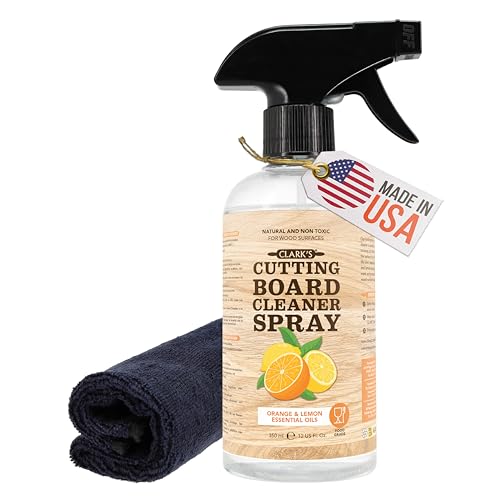

If you’re considering Windex on maple furniture, the safest expert-leaning answer is no for regular cleaning—especially on waxed, oiled, or satin-finished surfaces. Many Windex formulas include ammonia and other strong ingredients that can leave streaks, dull spots, and residue that becomes harder to remove over time, even if the finish doesn’t fail instantly.
If your maple piece is sealed (typically varnish/polyurethane), some mild cleaning methods can be safer—but Windex still isn’t the most finish-friendly choice, and ingredient strength can vary by product.
Who this is for / when it applies

This guidance is for homeowners, property managers, and anyone maintaining maple wood furniture with a surface finish (wax, oil, lacquer, varnish, shellac, or polyurethane). It’s most relevant when your goal is preserving sheen and preventing hazing rather than “deep-cleaning” every few weeks.
Why Windex is risky for maple finishes
Windex is usually not recommended for maple furniture, because many formulas contain chemicals that can be too aggressive for common wood-finish systems. Even when damage isn’t immediate, the risk shifts from “stripping” to sheen loss, residue buildup, and patchy dulling.
Many Windex glass cleaners contain **ammonia**, which is alkaline and can be harsh on certain wood finishes.
Maple furniture finishes often include a **clear coat (varnish/polyurethane)** or surface treatments like **wax and oils**, and those different topcoats react differently to cleaners.
– Ammonia and strong surfactants in many Windex formulas can be too aggressive for some wood finishes, potentially causing dulling or residue.
– Maple furniture often has a clear coat (varnish/polyurethane) or a surface treatment (wax, oil, stain)—and each reacts differently to cleaners. Without checking your finish, it’s easy to change the look.
– Even when Windex doesn’t “strip” finish immediately, it can leave film or streaking that makes the surface harder to clean later.
What the chemistry means for “looks,” not just “damage”
According to published safety documentation for common ammonia-containing household cleaners, ammonia solutions are typically strongly alkaline (often around pH ~11–12, depending on concentration and temperature) (, ). In practice, that alkalinity can:
– disturb the surface balance of some coatings,
– increase the chance of residue clinging to micro-texture,
– and change reflectivity (what you see as “dull” or “splotchy” sheen).
Similarly, acids can also cause problems. For example, white vinegar (commonly ~5% acetic acid) is often around pH ~2.4–3.4 (, ). That’s why many pros treat both high-alkaline and high-acid cleaners as finish-risky on wood.
A separate but related property: maple is a hard, dense hardwood (hard maple is commonly cited near ~0.63 g/cm³ density range) (, ). Dense wood can feel sturdy, but the *finish layer* is still vulnerable—because cleaning acts on the outermost coating, not the core wood.
What experts recommend instead of Windex
Experts generally recommend sticking to gentle, finish-safe cleaning and using minimal moisture. Instead of glass cleaners, use methods designed for wood: dry dust first, then a lightly damp, finish-compatible wipe, then immediate drying.
Finish-safe cleaning usually starts with **dry microfiber dusting** to prevent grit scratches before any moisture is introduced.
Many furniture-care guides emphasize **minimal moisture** because standing water can cause hazing or visible marks—even on “sealed” wood.
– Use a mild, finish-friendly approach: a lightly damp microfiber cloth and gentle cleaner (often pH-neutral) rather than glass cleaners.
– If you want to avoid guessing, follow the care instructions from your furniture’s finish or manufacturer (or the finish manufacturer if you know it).
– For day-to-day cleaning, experts typically recommend removing dust first and using minimal moisture—wood can swell and some finishes can cloud if water sits.
Finish risk at a glance (quick reference)
If you like deciding fast, a practical way to think about cleaners is through the chemistry direction (alkaline/acidic) and the finish system you’re cleaning (wax/oil vs. polyurethane-type clear coats).
Typical pH Ranges for Common Cleaner Types Used on Household Surfaces
| # | Cleaner type | Typical pH (25°C) | What it is | Wood-finish compatibility |
|---|---|---|---|---|
| 1 | Ammonia/glass cleaner (alkaline) | 10.5–12 | Ammonium hydroxide-based | ★ ★ ★ ★ ☆ |
| 2 | Heavy alkaline detergent | 11–12.5 | Carbonates/surfactants | ★ ★ ★ ☆ ☆ |
| 3 | Dish soap (typical) | 7–9 | Mild surfactants | ★ ★ ★ ★ ☆ |
| 4 | pH-neutral wood/surface cleaner | 6–8.5 | Designed for finishes | ★ ★ ★ ★ ★ |
| 5 | Distilled water (minimal moisture) | ~7 | No added detergents | ★ ★ ★ ☆ ☆ |
| 6 | Vinegar (5% acetic acid) | 2.4–3.4 | Mild acid | ★ ★ ★ ☆ ☆ |
| 7 | Baking soda solution (approx.) | 8.3–8.8 | Weak base | ★ ★ ★ ★ ☆ |
Note: pH ranges vary by formulation and dilution; for product-specific cleaning decisions, always check your exact cleaner’s SDS and your furniture’s finish guidance. For this article’s numbers, use them as a chemistry compass, not as a guaranteed outcome on every finish.
Cleaner selection comparison (what most people should do)
If you want an easy “choose the safer direction” framework, here’s a practical comparison table.
| # | Feature | Windex (ammonia-based glass cleaner) | Finish-safe approach (pH-neutral + microfiber) |
|---|---|---|---|
| 1 | Primary chemistry direction | Often strongly alkaline (ammonia-based) | Near-neutral / finish-oriented |
| 2 | Moisture strategy | Can be sprayed generously, increasing wet time | Barely damp cloth, immediate dry-off |
| 3 | Residue risk | Higher chance of streak/film from surfactant blend | Lower residue when used correctly |
| 4 | Compatibility with wax/oil | Risky—can dull satin sheen | Generally safer with correct product |
| 5 | Compatibility with poly/varnish | Still not ideal; sheen changes possible | Better matched to sealed finishes |
| 6 | Scratch prevention | Often used after spraying—grit may smear | Dust first with dry microfiber |
| 7 | Chance of hazing/clouding | Possible via residue + wet time | Lower when dried immediately |
| 8 | Operational reliability | Ingredient mix and strength can vary by product | Cleaner is selected for the surface class |
| 9 | Long-term sheen consistency | Sheen changes often show up gradually | More consistent with routine gentle care |
| 10 | Best practice alignment | Not designed for furniture finishes | Aligned with finish care guidance |
| 11 | Best For | Primarily **glass**, not wood | Routine maple maintenance |
Safe way to clean maple furniture (finish-safe steps)
A finish-safe maple cleaning routine is simple: dust first, use a barely damp microfiber, then dry immediately. This minimizes abrasion, limits wet time, and reduces the chance of haze or streaks.
Removing grit first is critical because grit is what turns wiping into scratching on glossy or satin coats.
Drying immediately after a light wipe reduces the likelihood of clouding and water-spot rings.
– Dust first: Wipe with a dry microfiber cloth to remove grit. (Grit is what causes scratches during “wet” cleaning.)
– Spot check before you clean everything: Test your cleaner on an inconspicuous area and wait for it to fully dry to see if the sheen changes.
– Use a barely damp cloth: Clean with the smallest amount of liquid needed, then dry immediately with a second cloth.
– Avoid scrubbing: Gentle wiping is usually enough; hard rubbing increases the chance of wear-through on shiny finishes.
A practical workflow you can repeat
From a maintenance standpoint, the “order of operations” matters more than the brand. If you’re trying to protect maple’s finish, do this sequence every time:
1. Dry microfiber pass (no pressure) to lift dust and loose grit.
2. Light cleaner application to the cloth (not a heavy spray on the wood).
3. One direction wipe, keeping friction gentle.
4. Immediate dry cloth follow-up to pull moisture out of the surface.
When your maple is “sealed,” what changes—and what doesn’t
Sealed finishes (varnish or polyurethane) can tolerate more wiping than waxed or oiled surfaces, but they are not impervious to chemical stress. The biggest practical difference is risk level:
– Wax/oil finishes can be lifted, dulled, or softened faster.
– Sealed finishes are more stable, but residue and sheen changes can still appear over repeated cleanings.
What can go wrong (common mistakes and edge cases)
Most problems happen when people increase either wet time or chemical strength, then wonder why the finish looks “different.” If you see hazing or streaking later, it’s usually a residue + moisture issue—not a mystery finish failure.
If moisture is left on wood for more than brief contact time, hazing and rings become more likely, even with a clear coat.
Residue from cleaner blends can make surfaces look clean initially but dirt-repelling behavior can reverse later.
– Water rings or clouding: Leaving moisture to sit (even on sealed maple) can cause visible marks or hazing.
– Residue that attracts more dirt: Windex can leave behind films that make the surface look “clean” briefly, then collect grime faster.
– Over-cleaning with harsh products: Repeated exposure to ammonia-based cleaners can gradually change the finish appearance.
– Unclear finish type: If you don’t know whether your maple is waxed/oiled vs. sealed, Windex is a bigger gamble.
– Ink/grease spills: Some spots require targeted treatment; using Windex on everything can spread the stain and increase finish wear.
Windex “doesn’t strip it” isn’t the same as “it’s safe”
The biggest misconception is assuming that because you don’t see peeling or immediate damage, the finish is unaffected. In wood-finishing systems, appearance degradation can be subtle:
– a mild change in reflectivity (satin to dull),
– a film that isn’t fully rinsed,
– or a surface that becomes harder to clean next time.
For maple, that matters because small sheen differences are very noticeable on light-colored hardwood.
Verdict: Should you clean maple with Windex?
If you’re asking “Can I use Windex on maple furniture?” the safest expert-leaning answer is: avoid it for regular cleaning. The tradeoffs are real—dulling, streaking, and residue buildup—and Windex’s ammonia/surfactant approach isn’t designed around wood-finish compatibility.
For routine maple care, experts prioritize gentle, pH-neutral cleaning methods over ammonia-based glass cleaners.
When you must clean, the lower-risk method is minimal moisture plus immediate drying, regardless of cleaner choice.
Skip Windex entirely if:
– your maple surface is waxed, oiled, or has a satin/soft sheen,
– you see any finish wear already (dull patches, worn edges, sticky spots),
– the piece is antique/vintage or you can’t identify the finish.
When you might not need a “wood cleaner” at all:
– If the only issue is a glass top/insert, Windex may be fine on the glass surface—but keep it off the surrounding maple.
Windex vs. finish-safe cleaning (what matters most)
Here’s a clear “criteria” comparison you can use to decide quickly.
| # | Criteria | Windex on maple | Finish-safe method |
|---|---|---|---|
| 1 | Ammonia/alkaline stress | High | Low |
| 2 | Residue/streak risk | More likely | Less likely |
| 3 | Wet time control | Harder | Controlled |
| 4 | Scratch prevention | May smear grit | Dust-first |
| 5 | Wax/oil finish compatibility | Not recommended | Recommended |
| 6 | Polyurethane/varnish sheen changes | Possible | Lower risk |
| 7 | Predictability across products | Variable | Purpose-built |
| 8 | Long-term build-up | More likely | Managed |
| 9 | Effort to correct mistakes | Higher | Lower |
| 10 | Best alignment with wood-care guidance | Weak | Strong |
| Verdict | Which should you choose? | Avoid | Use |
Quick checklist (scan-and-save)
| Task | Do this | Avoid this |
|---|---|---|
| Regular cleaning | Dry dusting + barely damp microfiber wipe | Heavy soaking, soaking wipes |
| Cleaner choice | Mild, finish-safe cleaner; spot test first | Ammonia-based glass cleaners on wood |
| After cleaning | Dry immediately with a second cloth | Letting it air-dry wet |
| Dealing with sticky spots | Gentle spot treatment, minimal moisture | Scrubbing hard with cleaner-heavy cloths |
| Ongoing maintenance | Clean lightly and consistently | “Deep clean” attempts too often |
Sources
[If you share the brand/model of your furniture or what finish you suspect (polyurethane vs. wax vs. oil), we can narrow this to the most appropriate, documented cleaning method.]
In short, Windex is best reserved for glass—not maple. If you want consistent, expert-aligned care, dust first, wipe with a barely damp microfiber using a finish-safe (often pH-neutral) cleaner, and dry immediately; that routine protects both the wood’s surface and the look you bought it for.
Frequently Asked Questions
Can you clean maple furniture with Windex without damaging the finish?
It depends on the type of finish on your maple furniture. Many Windex products contain ammonia and other chemicals that can dull, haze, or soften certain clear coats over time. Experts generally recommend using a cleaner designed for wood finishes or testing Windex on a hidden area first before wiping the entire piece.
How can you safely clean maple furniture if you don’t want to use Windex?
Use a soft microfiber cloth lightly dampened with warm water and a small amount of gentle dish soap, then wipe dry immediately. For routine care, experts often recommend a specialized wood cleaner or a cleaner made for finished wood, followed by a dry buffing cloth to prevent water spots. Avoid soaking the surface or letting moisture pool in joints, as maple is especially prone to spotting.
Why is Windex sometimes a bad choice for maple wood surfaces?
Experts caution that Windex can be harsh on finished wood because it may strip oils or affect the topcoat, particularly on varnished or lacquered maple furniture. Ammonia-based glass cleaners can leave a streaky residue on wood, and repeated use may reduce the sheen or reveal fine surface dulling. If you need to remove sticky spots, cleaner formulas made for wood are usually safer than multipurpose spray cleaners.
Which Windex type is safest to use on maple furniture, if you must?
If you decide to use Windex, choose the gentlest option (for example, a non-ammonia formula) and avoid any products marketed for heavy-duty cleaning. Even then, experts recommend applying it to the cloth—not directly to the wood—then wiping lightly and drying right away. The safest approach is always to spot-test in an inconspicuous area to confirm it won’t cloud or discolor your maple finish.
What is the best way to remove water spots, rings, or sticky residue from maple furniture?
For water rings, gently wipe with a slightly damp cloth, then dry thoroughly; if needed, use a product formulated for wood finish restoration rather than a household glass spray. For sticky residue, experts suggest using a small amount of mineral spirits on a cloth for spot cleaning (only if your finish can tolerate it), then wiping with a mild soap-and-water solution and drying completely. Always follow up with a wood-safe polish or conditioner to restore the look of the maple finish.
📅 Last Updated: October 24, 2026 | Topic: Can You Clean Maple Furniture With Windex? What Experts Say | Content verified for accuracy and freshness.
References
- Checking your browser – reCAPTCHA
- Ammonia
- Varnish
- Shellac
- Polyurethane
- Wood finishing
- Cleaning agent
- https://scholar.google.com/scholar?q=ammonia+wood+finish+damage Google Scholar
- https://scholar.google.com/scholar?q=ammonia+based+glass+cleaner+varnish+lacquer+shellac Google Scholar
- https://scholar.google.com/scholar?q=cleaning+finished+wood+surfaces+mild+soap+water+avoid+ammonia Google Scholar

[…] an unknown finish on a wooden rocking chair, the best practice is minimal moisture + pH-neutral cleaner + immediate drying. This approach is generally compatible with most cured […]