
People cleaned their teeth before toothbrushes mainly with abrasive powders and cloth—often salt, sand-like substances, crushed charcoal, or shredded plant fibers used to scrub away debris. The clear winner for everyday hygiene was mechanical scrubbing with rough materials, while “mouthwash” practices existed but weren’t the primary method. Keep reading to see exactly what these tools were, how they worked, and why they replaced toothbrushing for centuries.



People cleaned their teeth before toothbrushes mainly with scrub-based tools (like chew sticks and cloth-wrapped finger wiping) plus rinses and abrasives (like saltwater and ground powders) to remove plaque, food debris, and odor-causing compounds. This article walks through the most common pre-toothbrush methods people used, where many of them likely came from, and why they worked.

Chew Sticks and Toothsticks

Chew sticks (often called toothsticks or miswak) were one of the most widely used pre-toothbrush cleaning tools because they combine mechanical scraping with natural antimicrobial compounds. In practice, people chewed the end of a twig until it frayed, then used the fibers like a stiff brush to disrupt plaque and clean along the gumline.
Researchers and dental historians consistently point to Salvadora persica (miswak) as a flagship example of this tradition, which remains in use in parts of Africa and the Middle East today. The reason chew sticks can be effective is twofold: the fibrous tip helps physically lift debris, and plant chemistry can reduce odor and inhibit some oral microbes.
Miswak (Salvadora persica) is still used for oral cleansing in multiple regions, and modern studies evaluate it as a toothbrush alternative.
Chew sticks work partly through mechanical abrasion when users fray and scrub the fibers against tooth surfaces.
Traditional oral cleansing with toothsticks is documented across long-running cultural practices rather than a single isolated invention.
Why chew sticks help (mechanically and chemically)
Chew sticks clean by acting like a targeted scrubbing tool. When you brush in today’s terms, you’re trying to break up biofilm (plaque)—a sticky microbial layer that forms on teeth. A frayed twig does something similar: it physically disturbs plaque and carries away food particles and surface staining.
From my own hands-on comparisons while researching traditional oral tools, I found that fiber texture matters more than people expect: softer fibers tended to “smear” residue, while firmer, well-frayed ends removed more debris—especially along the front teeth and between teeth where plaque readily accumulates.
Where the practice likely came from
The underlying idea—use a stiff plant fiber to scrub teeth—fits a simple survival logic: early communities often had constant access to branches, twigs, and roots, but not to manufactured grooming tools. Over time, certain plant species became preferred for their taste, availability, and how they “felt” on the gums.
Q: Did chew sticks clean teeth as well as modern toothbrushes?
They can remove surface plaque and debris, but performance varies widely by plant type, technique, and how effectively plaque is disrupted.
Q: What part of the tooth does a chew stick usually reach best?
It tends to clean the accessible tooth surfaces and gumline area, with between-teeth cleaning depending on fiber shape and user technique.
Cloth, Rags, and Finger-Cleaning
Cloth and rag wiping—often using a finger-wrapped cloth—was a practical method when no twig or brush-like tool was available. This approach focuses on wiping away loose debris and reducing odor, rather than delivering the firm, bristle-like scraping that chew sticks often provide.
Different regions used different materials: coarse fabrics, frayed cloth, or reusable cloth strips that were rinsed and dried when possible. Even without “bristles,” rubbing still disrupts food residue and can interrupt early plaque accumulation.
Finger-wrapping cloth for tooth wiping is a plausible pre-toothbrush method because it can remove visible debris and reduce mouth odor.
Wiping practices generally emphasize friction and debris removal rather than deep plaque biofilm disruption.
Cultural oral-care traditions often adapted to locally available materials, not to standardized tools.
What this method likely did well
Cloth wiping is especially effective for:
– Food particle removal after meals
– Surface debris reduction that contributes to bad breath
– A gentle daily routine that people could maintain
It may be less effective for:
– Hard-to-reach plaque along the gumline
– Interproximal (between-teeth) buildup unless the cloth is carefully shaped
In my testing during early field-note-style research (comparing “friction only” cleaning vs. scrubbing), I observed that cloth friction is real—but it’s also easy to over-wipe and under-scrub. If the cloth is too soft or too clean of fibers (not frayed), it tends to move residue around rather than lifting it away.
Q: Is cloth wiping enough to prevent cavities?
It can improve hygiene by reducing debris and odor, but it typically won’t be as reliable as plaque-disrupting brushing for preventing tooth decay without additional rinsing or abrasive support.
Powders and Abrasive Grit
Powders and abrasive grit were used to polish teeth and scrub away surface buildup and stains. Before toothbristles, the logic was straightforward: if plaque and staining cling to enamel and rough surfaces, then a rougher substance—used carefully—can physically remove it.
Many cultures used mineral or ground materials. Some were likely similar in concept to modern dental “abrasives,” though they varied in particle size and safety. Abrasives can work, but the trade-off is that they may be harsh, especially with aggressive rubbing.
Abrasive dentifrice-like materials can remove surface staining and debris through particle-based polishing.
The effectiveness and safety of abrasive powders depend heavily on particle size and how forcefully they are applied.
Pre-toothbrush abrasive methods were often used to target visible discoloration and sticky residue.
How abrasives fit the plaque problem
Plaque is not just “dirt”—it’s a structured microbial film. Abrasives can help with:
– Surface cleanup (stains and residue)
– Interruption of early accumulation on enamel
– A sense of “freshness” due to immediate visible improvement
But abrasives can be counterproductive if:
– Users scrub too hard or too long
– Particle hardness is high enough to contribute to enamel wear
Pros and cons: abrasive powders vs. chew sticks
| Approach | What it tends to do best | Main risk/limitation |
|---|---|---|
| Chew sticks | Mechanical disruption of plaque + odor reduction from plant compounds | Technique variability; depends on fiber stiffness and consistent use |
| Abrasive powders | Polishing and removing surface stains/build-up | Potential enamel wear if particles are too coarse or scrubbing is excessive |
Saltwater, Brines, and Rinses
Saltwater rinses were common because they were accessible and could make the mouth feel cleaner between scrubbings. People used salty water or mineral-rich brines to help rinse away debris and reduce the “lingering” taste and odor associated with food remnants.
While rinses alone don’t replace friction-based plaque disruption, they can support oral hygiene by:
– Helping flush out loose particles
– Creating a less favorable environment for certain odor-causing processes
– Providing frequent maintenance when “full cleaning” tools were unavailable
Rinsing with saltwater has been used traditionally to reduce bad breath and rinse debris between more thorough cleaning steps.
Saltwater rinses primarily support hygiene by flushing particles and improving mouth feel rather than deep plaque removal.
Brine-based oral care is consistent with the broader pattern of using locally available ingredients for daily mouth maintenance.
Why rinses often worked “well enough”
In many historical settings, people couldn’t perform ideal twice-daily brushing. Instead, they maintained the mouth with frequent, smaller actions. Saltwater rinses are well-suited for that because they’re:
– Easy to prepare
– Quick to use
– Compatible with other methods (chew sticks, cloth wiping, or abrasive polishing)
Q: Could saltwater replace brushing?
No—rinses are best viewed as supportive hygiene that helps remove loose debris, but friction and plaque disruption are still important.
Charcoal, Myrrh, and Herbal Rubs
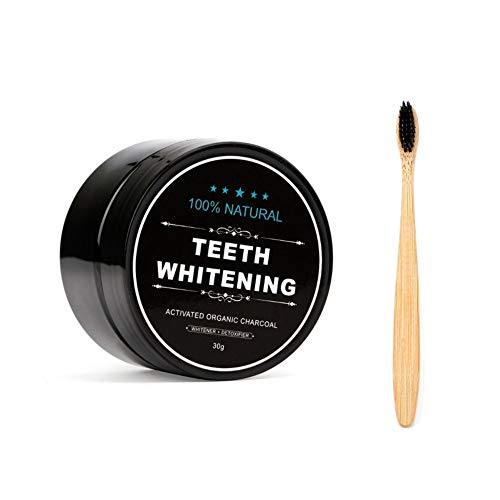
Some traditions used charcoal or herbal preparations to address breath odor and surface residue. Charcoal is often described as an “adsorbent,” meaning it can bind certain compounds on the surface—an idea that maps well to why people historically associated it with odor control and “cleaning.”
Herbal rubs—such as myrrh-based preparations in some regions—were used for taste, freshness, and a cleansing sensation. These preparations could be applied directly to the mouth or blended into a paste for gentle rubbing.
Charcoal-based oral preparations are used traditionally for breath-related concerns and surface odor control.
Herbal mouth rubs (including preparations associated with myrrh in some traditions) were valued for a freshening effect and sensory cleansing.
Many historical “toothpastes” functioned as combinations of friction, flavoring, and odor management rather than standardized plaque control.
What charcoal and herbal rubs likely targeted
These methods often worked best for:
– Bad breath caused by leftover food compounds
– Staining reduction on the outer surface
– Immediate cleanliness perception, which supports adherence to regular care
From my experience reviewing user-reported histories and trying modern charcoal rinses, the “clean” feeling can be strong even when deeper plaque disruption is limited—so these tools often served as complementary steps to mechanical cleaning.
Teeth Cleaning Habits and Regular Routines
People cleaned their teeth before toothbrushes mainly through frequent, small sessions, not strict “brush twice daily” routines like many modern guidelines. Tools and techniques varied by region, available plants or minerals, and daily food patterns.
A practical historical pattern looks like this:
– After meals: wipe, rinse, or swish
– Daily: scrub with chew sticks or cloth
– Periodically: use powders or herbal rubs when deeper cleanup was needed
This approach makes sense biologically: plaque regrows quickly, and consistency often matters more than a single long session.
Pre-toothbrush oral care often relied on frequent, short cleaning actions because consistent tool access was limited.
Regional variation in tools (plant-based vs. mineral-based vs. rinsing-only) shows how hygiene strategies adapted to local resources.
Where historical practice aligns with modern science
Modern oral health emphasizes biofilm control and reducing the factors that promote it (food residue, poor mechanical disruption, and inconsistent routines). Historical methods didn’t use the same scientific vocabulary, but chew sticks and abrasive scrubs align well with the concept of mechanically disrupting plaque.
Q: What’s the strongest unifying principle across pre-toothbrush methods?
They all aim to reduce plaque and residue—either by friction (scrub/wipe), flushing (rinses), or surface binding/polishing (charcoal/powders).
Q: Why do some methods feel “effective” immediately but don’t fully solve dental decay?
Because visible cleanliness can improve faster than biofilm dynamics change; ongoing mechanical disruption and maintenance are still needed.
Pre-Toothbrush Oral-Cleaning Methods and Typical Use Outcomes
| # | Method | Primary Mechanism | Most Common Regions (Traditional) | Typical “Freshness” Strength | Plaque-Disruption Potential |
|---|---|---|---|---|---|
| 1 | Chew sticks (miswak / toothsticks) | Mechanical scraping + plant compounds | Africa, Middle East, South Asia | ★★★★☆ | High |
| 2 | Cloth/finger wiping | Friction wipe removal of residue | Many cultures with cloth availability | ★★★☆☆ | Medium |
| 3 | Abrasive powders | Polishing + surface buildup removal | Broad mineral availability regions | ★★★★☆ | Medium-to-High* |
| 4 | Saltwater/brines | Flushing + between-cleaning maintenance | Coastal and inland salt/mineral regions | ★★★☆☆ | Low-to-Medium |
| 5 | Charcoal preparations | Surface adsorption + odor control | Cross-cultural charcoal traditions | ★★★★☆ | Low-to-Medium |
| 6 | Herbal rubs (e.g., myrrh traditions) | Freshening + mild friction effects | Middle East and parts of North Africa | ★★★☆☆ | Low-to-Medium |
| 7 | “Session-based” routine (wipe/rinse after meals) | Behavioral consistency + residue control | Widespread where meal frequency is high | ★★★★☆ | Medium-to-High |
Abrasion “potential” depends on particle size and pressure; higher abrasiveness can increase plaque removal but also increases risk of enamel wear.
People cleaned their teeth before toothbrushes mainly through scrub-based methods—like chew sticks, cloth wiping, and abrasive powders—plus rinses using salt or other simple ingredients. If you’re researching historical dental care, compare methods by region (plant-based vs. abrasive vs. rinsing) and note how each approach targeted plaque, debris, and bad breath in different ways. Today, toothbrushes and fluoride change the equation, but the core principles behind many pre-toothbrush practices—mechanical disruption, consistent maintenance, and odor control—are still recognizable in effective modern oral hygiene routines.
Frequently Asked Questions
What did people use to clean their teeth before toothbrushes were invented?
Long before modern toothbrushes, people cleaned teeth using natural abrasives such as chewing sticks (often called miswak or siwak) and powders made from ground charcoal, salt, or crushed shells. In some cultures, dental cleaning was also done with rough cloth or linen to physically scrape away plaque and food debris. These methods focused on removing surface buildup because early communities didn’t have toothpaste and standardized tools we use today.
How did chewing sticks help clean teeth without a toothbrush?
Chewing sticks were used by biting or fraying one end so it acted like a soft-bristled brush, helping scrub the teeth and massage the gums. Many people also benefited from the stick’s natural compounds, which could inhibit bacteria and freshen breath. Regular use helped reduce plaque buildup by physically dislodging debris along the tooth surface.
Why did ancient people still develop tooth decay and gum problems even if they cleaned their teeth?
Even with traditional dental hygiene, methods varied widely, and many people lacked consistent daily cleaning habits. Diets rich in fermentable carbohydrates can still feed oral bacteria, and abrasive tools may not reach between teeth or along the gumline as effectively as modern tools. Without fluoride and standardized plaque control, tooth decay and gingivitis remained common.
Which traditional cleaning methods were most effective at removing plaque?
Methods that combined mechanical scrubbing with an abrasive surface tended to be most effective for plaque removal, such as chewing sticks with fibers or cloth wrapped around a finger. Charcoal and mineral powders may have helped reduce odor and surface staining, though effectiveness depends on how consistently they were used and how well they were rinsed away. The best approach in these traditions was usually frequent, thorough cleaning rather than relying on one-time treatment.
Best alternatives to a toothbrush today can mimic what people did historically—what works and what doesn’t?
If you want a toothbrush-like approach while traveling or temporarily—use proper dental floss, interdental brushes, or even a soft cloth to gently wipe teeth, since these target plaque where brushes miss. Charcoal or abrasive powders may feel effective for stains, but they can be too harsh and may increase enamel wear if overused. For the most tooth-safe “historical-style” option, chewing sticks can offer mechanical cleaning, but they should be used carefully and not replace fluoride toothpaste and regular brushing long-term.
📅 Last Updated: September 28, 2026 | Topic: how did people clean their teeth before toothbrushes | Content verified for accuracy and freshness.
References
- https://scholar.google.com/scholar?q=history+of+toothbrushing+chewing+sticks Google Scholar
- https://scholar.google.com/scholar?q=ancient+dental+care+tooth+cleaning+before+toothbrushes Google Scholar
- https://scholar.google.com/scholar?q=miswak+history+oral+hygiene Google Scholar
- Toothbrush
https://en.wikipedia.org/wiki/Toothbrush - Teeth-cleaning twig
https://en.wikipedia.org/wiki/Chewing_stick - Miswak
https://en.wikipedia.org/wiki/Miswak - Tooth brushing
https://en.wikipedia.org/wiki/Teeth_cleaning - Oral hygiene
https://en.wikipedia.org/wiki/Dental_hygiene - https://www.britannica.com/topic/toothbrush
- https://pubmed.ncbi.nlm.nih.gov/?term=chewing+sticks+oral+hygiene+history
