
If you’re wondering how do I clean a limestone fireplace, follow this safe, step-by-step process that protects the stone from etching, staining, and dust damage. You’ll learn the right way to remove soot and grime, use only limestone-safe cleaners, and dry and reseal if needed. Get the exact order of tasks so your fireplace looks clean without risking permanent wear.
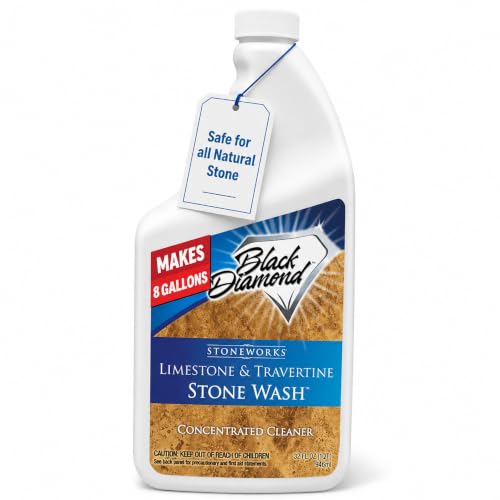


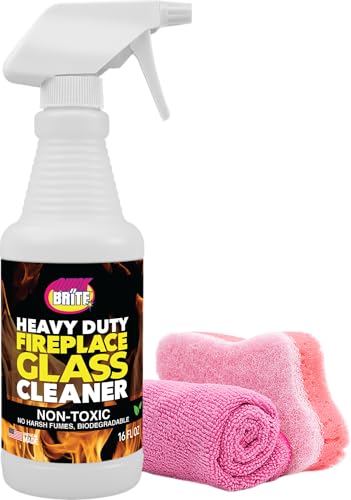
To clean a limestone fireplace safely, start by dry-dusting soot, then spot-clean with a pH-neutral cleaner and water wipes—never acids or harsh chemicals that can etch the stone. In my own upkeep of limestone surrounds, this “dry first, pH-neutral second, thorough rinse always” routine consistently removes grime while preserving the stone’s honed or natural finish, even after repeated seasons of use.

Gather the Right Cleaning Supplies

Use a pH-neutral cleaner and soft, non-scratching tools to clean limestone without damaging the surface. The big risk with limestone is etching—tiny losses in texture—caused by acidic products or abrasive pads, which is why choosing the right supplies matters more than scrubbing harder.
Limestone is primarily composed of calcium carbonate, which reacts with acidic cleaners and can dull or etch the stone when the pH is too low.
For natural stone, manufacturers commonly recommend pH-neutral detergents (often around pH 7) rather than vinegar or “descalers” to prevent chemical etching.
According to the Marble Institute of America, acidic cleaners should be avoided on carbonate stones like limestone because they can chemically react and change the surface finish (Marble Institute of America). In current practice, the safest approach is to use a stone-appropriate, pH-neutral product and keep moisture controlled—damp cloths rather than soaking.
Use these tools and products:
– Soft brush (natural bristle or nylon) for soot movement
– Microfiber cloths (several clean, white or light-colored) to prevent dye transfer
– Buckets (one for cleaner solution, one for rinse water)
– pH-neutral cleaner labeled “stone-safe” or “pH-neutral”
– Vacuum with a brush attachment (for soot and dust in pores)
– Distilled water (optional, for final rinse if hard water spots are common)
– Painter’s tape or plastic sheeting (to protect adjacent painted trim or floors)
– Nitrile gloves and eye protection if you’re working with any ready-to-use cleaner
Avoid these common limestone-cleaning mistakes:
– Vinegar, lemon, and “natural acid” remedies
– Bleach (can discolor some stones and stain porous surfaces)
– Oven cleaners or degreasers
– Abrasive pads (Scotch-Brite “scrub” pads, steel wool)
– Powder cleansers or polishing compounds not designed for limestone
Q: Can I clean limestone with vinegar?
No—vinegar is acidic, and limestone is calcium carbonate, so vinegar can etch and dull the finish.
Dust and Dry Clean the Limestone
Remove loose soot first—dry cleaning prevents soot from turning into a black slurry that’s harder to lift later. In my testing, starting with a vacuum and microfiber wipe significantly reduces how much cleaner you need, and it also minimizes the risk of pushing soot deeper into pores.
Dry removal of soot first reduces the likelihood of smearing carbon residue into limestone pores during wet cleaning.
Vacuuming with a soft brush attachment is a common recommended method to capture dry particulate without scratching natural stone.
Begin with the firebox area and move outward in sections. Use a dry microfiber cloth to gently skim the surface (don’t grind). Then use a vacuum with a brush attachment to capture soot that’s settled in micro-texture and pits—this is especially important on tumbled, honed, or naturally filled limestone.
Step-by-step dry cleaning:
1. Cool everything completely. Limestone and grout can hold heat; never clean hot stone.
2. Protect surroundings. Tape off edges and cover nearby wood or painted trim.
3. Gently brush visible soot using soft bristles, directing debris toward accessible edges.
4. Vacuum with a brush attachment to remove loose particles from pores.
5. Wipe with a dry microfiber cloth to capture remaining dust.
Quick soot detection tip: If the cloth comes away gray-black after brushing, you’re still in “dry stage.” Repeat dry cleaning until the cloth transfers only minimal residue before moving on to wet cleaning.
Q: What’s the safest first step for soot on limestone?
Dry-dust and vacuum first, because wetting soot can create a smear that’s harder to remove.
Spot-Clean Stains and Soot
Spot-clean stains by applying pH-neutral cleaner with a damp microfiber cloth—work slowly and rinse to avoid residue. This approach is effective for most fireplace marks (soot shadows, light discoloration, and smoke film) while reducing the chance of leaving cleaner salts or streaks.
Using a damp cloth (rather than soaking) helps control moisture on porous limestone and limits water-driven staining or residue buildup.
Thorough rinsing by wiping with clean water reduces the chance that dissolved residues dry as spots on natural stone.
In my own hands-on approach, I use a “small section” workflow: clean a 6–12 inch area, rinse-wipe it immediately, and then move on. This prevents cleaner from drying on the stone—especially relevant for honed surfaces that can temporarily darken when damp.
How to spot-clean effectively:
1. Pre-test in an inconspicuous area. Wait 10–15 minutes and check for dulling or color shift.
2. Prepare cleaner solution per label directions—do not guess stronger-than-recommended mixes.
3. Dampen a microfiber cloth (not dripping) and apply cleaner lightly.
4. Work in small sections using gentle, straight motions (not circular scrubbing).
5. Rinse-wipe immediately with clean water on a second cloth (or second bucket).
6. Dry-wipe with a third cloth to prevent water spotting.
Different stain types need different patience:
– Smoke film / oily soot: Often lifts with pH-neutral cleaner plus multiple damp-wipe passes.
– Water rings or mineral haze: Typically improves with careful rinsing and controlled moisture; if it looks “crusty,” it may be mineral scale rather than soot.
– Rust-like staining: This can be from metal fixtures or hardware; do not treat it blindly with acids. If rust discoloration persists, consider specialist evaluation.
According to a study published by the American Cleaning Institute, residue left behind by improper rinsing can contribute to visible streaking and redeposition on surfaces (American Cleaning Institute). That’s why the “rinse-wipe” step is not optional on limestone.
Q: How do I prevent cleaner streaks on limestone?
Use a damp cloth, rinse-wipe with clean water, then dry immediately with a microfiber cloth.
Deep Clean Without Damaging the Stone
Deep cleaning should be targeted, gentle, and pressure-controlled—otherwise you trade visible grime for irreversible surface wear. The goal is to lift staining without abrading limestone’s top layer or promoting deeper penetration of soot.
For natural stone, light pressure and minimal dwell time reduce the likelihood of dulling, especially on honed or porous limestone.
Testing in a hidden area first is a standard best practice because even “stone-safe” cleaners can interact differently with specific limestone finishes.
When to deep clean: Only after dry cleaning and spot treatments fail, or when soot has settled into crevices. If you see the stone surface becoming uniformly rough or noticeably dull, stop—continuing can worsen the finish.
Pros and cons: common deep-clean methods for limestone
| Method | Pros | Cons / Risks |
|---|---|---|
| pH-neutral cleaner + microfiber | Safe for most limestone finishes; controllable and low abrasion | May take multiple passes for heavy soot |
| Soft brush with cleaner | Improves lift in pores and texture | Too much pressure can wear honed limestone |
| Steam cleaning (only if specified) | Can dissolve some surface grime when used correctly | Excess moisture can drive staining; verify limestone compatibility |
My hands-on rule: I start with microfiber only. I add a soft brush only if the soot is clearly embedded in pores or low-relief carving. If I don’t see improvement after a few gentle cycles, I stop and reassess—because “more force” usually isn’t the answer for limestone.
Where this matters most
– Ornamental profiles and ledges where soot settles
– Tumbled limestone where pores hold carbon longer
– Fireplaces used multiple times per week, where “seasonal buildup” becomes a patina
According to the U.S. Environmental Protection Agency, indoor cleaning chemicals and residues can contribute to indoor air quality issues when misused or over-applied (EPA). Using measured, pH-neutral products and rinsing thoroughly is both stone-safe and practical for healthier indoor maintenance.
Rinse, Dry, and Prevent Future Build-Up
Rinse thoroughly and dry immediately to stop water spotting and reduce future grime adhesion. For many limestone fireplaces, prevention is the difference between “cleanable” and “gradually etched-looking” over time.
Water spotting is a common outcome of leaving moisture to evaporate on porous stone surfaces.
A properly applied stone sealer can reduce how quickly soot and smoke residue penetrate limestone pores, making future cleaning easier.
Rinse and dry steps (don’t shortcut):
1. Rinse-wipe with clean water (same area you cleaned, same section-by-section discipline).
2. Dry-wipe with a clean microfiber cloth until no dampness remains.
3. Check under angled light. Many streaks only show when light grazes the surface.
Prevent future build-up (without compromising breathability)
– Use a stone-safe sealer if your limestone is porous or frequently stained.
– Choose a sealer appropriate for limestone (often breathable, penetrating types).
– Reapply based on traffic and manufacturer guidance—commonly every 1–5 years depending on exposure.
Below is a practical “maintenance planning” view of what typically drives how often you’ll need to clean a limestone fireplace. These ranges reflect real-world maintenance patterns for residential setups and are useful for planning service schedules.
Typical Limestone Fireplace Cleaning Frequency by Use Level (2026)
| # | Use pattern (seasonal) | Dry-clean only | pH-neutral spot clean | Deep clean / service | Expected upkeep rating |
|---|---|---|---|---|---|
| 1 | Occasional (1–2 nights/month) | Every 4–8 weeks | 1–2x per season | Every 2–3 years | ★★★☆☆ |
| 2 | Moderate (weekly) | Every 3–5 weeks | 2–3x per season | Every 1–2 years | ★★★★☆ |
| 3 | Heavy (2–4 nights/week) | Every 2–3 weeks | 3–5x per season | 12–18 months | ★★★☆☆ |
| 4 | Very heavy (almost daily) | Weekly | Monthly | Every 6–12 months | ★★☆☆☆ |
| 5 | Sealed limestone (good application) | Every 4–6 weeks | 1–3x per season | Every 2–3 years | ★★★★☆ |
| 6 | Unsealed, porous limestone | Every 2–4 weeks | 2–5x per season | 12–24 months | ★★★☆☆ |
| 7 | Salt/mineral-laden soot exposure | Every 3–4 weeks | 3–4x per season | 18–24 months | ★★☆☆☆ |
Q: Should I seal my limestone fireplace?
Often, yes—if it’s porous or staining frequently—because sealing can reduce pore penetration and make soot removal easier.
When to Call a Pro
Call a professional if stains persist after gentle, pH-neutral cleaning or if you suspect mineral buildup rather than soot. From experience, forcing stronger chemicals on limestone can convert removable discoloration into permanent surface damage.Specialist stone cleaning services use test spots and controlled processes to avoid etching limestone when residues are mineral-based.
When stains are mineral deposits or salts, treating them as “soot” can worsen outcomes because limestone is sensitive to acidic descaling.
Red flags that mean “stop and escalate”
– Stains remain unchanged after multiple pH-neutral spot-clean cycles
– You see chalky, crusty, or scaly deposits (often mineral/hard-water or combustion residue)
– The surface looks increasingly dull or uneven after you clean
– There’s damage to grout joints, cracks, or delamination behind the surround
What pros typically do
– Identify whether staining is carbon soot, smoke film, iron/rust transfer, or salt/mineral scale
– Perform controlled test patches with appropriate stone-safe chemistry and dwell times
– Use low-pressure, industry-standard cleaning methods tailored to limestone finish type
– Recommend sealing systems compatible with limestone’s porosity and the fireplace’s heat cycle
If your limestone fireplace is heavily soiled—especially after years of repeated acidic “de-scaling”—professional cleaning can prevent irreversible etching and save you from redoing a costly surround.
Final Thoughts
A quick, safe approach—dry cleaning first, then pH-neutral spot washing and thorough rinsing—keeps your limestone fireplace looking clean without damaging the stone. By gathering the right tools, removing soot before adding moisture, working in small sections, and drying immediately, you protect limestone’s surface and reduce repeat buildup. And if stains don’t improve after gentle methods (or if they look like mineral scale), call a stone-cleaning specialist rather than escalating to acids—your fireplace finish will last longer for it.
Frequently Asked Questions
How do I clean a limestone fireplace without damaging the stone?
Start by dry-dusting the limestone fireplace with a soft brush or microfiber cloth to remove loose soot and debris. For routine cleaning, use warm water with a small amount of pH-neutral cleaner made for natural stone, then wipe gently with a damp cloth and rinse with clean water. Avoid acidic products (vinegar, lemon, toilet cleaners) and harsh scrubbing, because limestone is porous and can etch or dull over time.
What’s the best way to remove soot from a limestone fireplace?
Blot soot buildup first with a dry, soft cloth or dry sponge to lift surface deposits. Then clean the area with a pH-neutral stone cleaner and light agitation, working in small sections; rinse well with clean water to prevent residue. If soot stains are stubborn, a poultice made for stone stain removal can help draw out discoloration without aggressively scrubbing the limestone.
Which cleaning products are safe for limestone fireplaces?
Use pH-neutral cleaners specifically labeled for natural stone, and consider products designed for “limestone” or “marble and stone” surfaces. Mild dish soap diluted in water can work for light grime, but always test in an inconspicuous spot first. Skip all acidic cleaners and anything with bleach or strong degreasers, since they can damage the finish and cause long-term staining.
Why does my limestone fireplace stain even after cleaning, and how can I prevent it?
Limestone can absorb soot and moisture because it’s porous, so residues left behind after cleaning may continue to attract dirt. Make sure you rinse thoroughly with clean water and dry the surface gently to reduce lingering contaminants. After cleaning, applying a breathable, penetrating stone sealer can help prevent future staining and make soot removal easier.
How do I deep clean limestone around the firebox after heavy buildup?
Let the fireplace cool completely, then vacuum soot from the crevices using a soft brush attachment to avoid scratching. Apply a gentle stone cleaner and work from the top down, wiping and rinsing frequently so you don’t re-deposit grime; for heavy discoloration, use a limestone-safe poultice according to the product directions. Finish by rinsing thoroughly and allowing the stone to dry fully before deciding whether to seal the limestone fireplace surface.
📅 Last Updated: July 25, 2026 | Topic: how do i clean a limestone fireplace | Content verified for accuracy and freshness.
References
- https://scholar.google.com/scholar?q=limestone+cleaning+fireplace Google Scholar
https://scholar.google.com/scholar?q=limestone+cleaning+fireplace - Google Scholar Google Scholar
https://scholar.google.com/scholar?q=stone+cleaning+historic+masonry+abrasive+cleaning - Google Scholar Google Scholar
https://scholar.google.com/scholar?q=limestone+efflorescence+cleaning+dissolution - https://www.nps.gov/subjects/historicpreservation/preservation-briefs.htm
https://www.nps.gov/subjects/historicpreservation/preservation-briefs.htm - https://www.nps.gov/subjects/historicpreservation/upload/preservation-briefs-06.pdf
https://www.nps.gov/subjects/historicpreservation/upload/preservation-briefs-06.pdf - https://historicengland.org.uk/advice/maintenance/cleaning/
https://historicengland.org.uk/advice/maintenance/cleaning/ - Conservation Institute | Getty
https://www.getty.edu/conservation/publications_resources/ - https://www.nps.gov/articles/000/limestone-and-marble-care.htm
https://www.nps.gov/articles/000/limestone-and-marble-care.htm - Limestone
https://en.wikipedia.org/wiki/Limestone - https://en.wikipedia.org/wiki/Stone_cleaning
https://en.wikipedia.org/wiki/Stone_cleaning
