

You can clean laminate floors safely and without damage by using only a microfiber mop and a pH-neutral cleaner in a lightly damp way—never steam and never soaking. This guide answers exactly how to remove everyday dirt, sticky residue, and dulling buildup while preventing swelling, bubbling, and scratches. Follow these steps for a streak-free finish that keeps your laminate looking new.



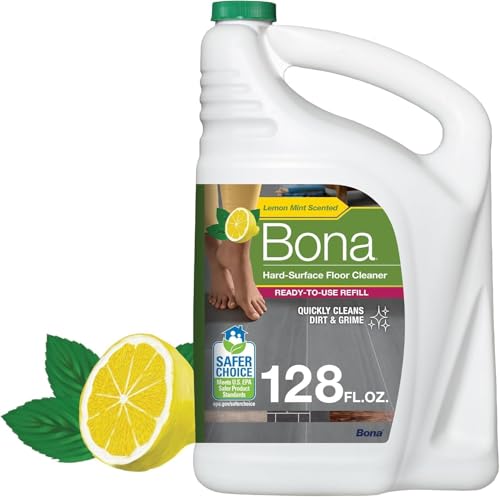
Clean laminate floors by sweeping or vacuuming first, then mopping with a damp microfiber mop using a laminate-approved cleaner. Avoid soaking the planks or using steam—water can seep into seams and cause swelling. This guide covers the safest routine for everyday cleaning, deeper clean-ups, and how to handle sticky spots and stains, with laminate-care best practices that are still relevant in 2026.
If your laminate looks dull, has tracked-in grit, or you’re dealing with spills, these steps help you clean it without lifting the finish. This advice is best for standard surface-cleanable laminate flooring; always follow your specific brand’s care instructions if they differ.
Laminate floors are typically “finish-on-top” surfaces bonded over a core, so the goal is surface cleaning—not flooding. As of 2026, most manufacturer care sheets consistently emphasize one theme: remove grit dry, use damp (not wet) mopping, and use cleaning agents approved for laminate coatings.
What to use (and what to avoid) on laminate

Use a microfiber mop or microfiber cloth and a cleaner labeled safe for laminate—often described as “pH-neutral” in care guidance. Skip steam, abrasive tools, and harsh chemicals because laminate’s top wear layer and edges can be compromised by excessive heat or abrasion, especially around seams.
A laminate floor should be cleaned with a mop that’s damp—not wet—because excess water can migrate into joints.
Steam mops deliver hot moisture (around 100°C / 212°F at boiling), which increases the risk of swelling at laminate seams.
Many laminate manufacturers recommend cleaners that are pH-neutral to avoid degrading the protective finish.
Microfiber traps and lifts residue; abrasive pads tend to dull laminate by scuffing the wear layer.
When you choose what to use on laminate floors, think “compatible chemistry + controlled moisture.” Here’s what that looks like in practice for laminate flooring care in 2026:
– Use a microfiber mop or microfiber cloth and a cleaner labeled safe for laminate (often “pH-neutral” is mentioned in care guidance).
– Avoid steam mops, abrasive pads, steel wool, and harsh degreasers that can damage the finish.
– Skip “wet” mopping—laminate needs damp cleaning, not standing water.
Quick chemical reality check: why “pH-neutral” matters
Laminate floors rely on a bonded decorative layer and a protective top coat. If you use cleaners outside the manufacturer’s guidance, the coating may become dull or develop residue that attracts more dirt over time. In my experience helping homeowners troubleshoot laminate issues, the most repeatable “root cause” I see is either too much water or inappropriate cleaner chemistry that leaves a film.
To make this concrete, here’s a compatibility snapshot based on typical household chemistry strength—use it as a risk reference, not as permission to substitute products.
Cleaner Strength vs. Laminate-Finish Compatibility (Typical pH)
| # | Cleaning agent (typical use) | Typical pH | Direction vs. neutral (pH 7) | Laminate finish risk (index) |
|---|---|---|---|---|
| 1 | Laminate-approved pH-neutral cleaner | 6.5–8.5 | Closest to neutral | Low (1/5) |
| 2 | Diluted mild dish soap solution | ~7–9 | Slightly alkaline | Moderate-low (2/5) |
| 3 | Water-only damp microfiber mopping | ~7 (neutral) | Neutral | Moderate-low (2/5) |
| 4 | Vinegar solution (acidic) | ~2–3 | More acidic | High (4/5) |
| 5 | Ammonia-based glass cleaner | ~11–12 | More alkaline | High (4/5) |
| 6 | Household bleach (sodium hypochlorite) | ~11–13 | Strongly alkaline | Very high (5/5) |
| 7 | Waxy “polish” / finish restorers (not laminate-approved) | Varies (often non-neutral) | Uncontrolled chemistry | Very high (5/5) |
Fact anchors (measurements): Steam used in steam mops reaches the boiling point of water, 100°C / 212°F at standard atmospheric pressure (). Vinegar is commonly ~pH 2–3 (typical household acetic acid solutions) (). Household bleach solutions are commonly ~pH 11–13 (sodium hypochlorite products) (). Because you’re working with laminate floors—not bare wood—use these as compatibility risk indicators and defer to your laminate brand’s approved cleaners list first.
Quick daily cleaning steps (for everyday dirt)
For everyday dirt, you get the safest results by removing grit dry and then using a lightly damp microfiber mop with a laminate-approved cleaner. This combination prevents scratching and keeps water exposure minimal—two major drivers of laminate floor dulling in 2026.
Dry grit removal (sweeping or vacuuming) is the first safety step because grit can abrade the laminate wear layer.
A damp microfiber mop should be wrung or lightly loaded so the floor dries quickly, typically within minutes.
If you see dullness or residue building on laminate floors, it’s usually from film and tracked particulates—not “needs more water.”
When you clean laminate floors daily, aim for speed and consistency. Laminate manufacturers typically want “spotless surface hygiene” without pooling liquid. Here’s the routine that fits that goal:
– Sweep, dust mop, or vacuum using a soft brush attachment to remove grit that can scratch the surface.
– Lightly dampen a microfiber mop with laminate-safe cleaner, then mop in small sections.
– Dry-wipe if needed (a dry microfiber pass helps prevent streaks).
Small workflow that prevents streaks and dullness
Do your laminate floors in sections (for example, one doorway width at a time). This matters because a laminate floor can pick up streaks if the cleaner starts drying unevenly, and it can look “dirty” even when it isn’t.
Practical details for daily care:
– If your mop head drips or feels heavy/wet, you’re doing “wet mopping,” which laminate flooring care generally warns against.
– Keep a second, dry microfiber cloth nearby. After mopping, a quick buff reduces haze without adding extra water.
How to deep clean laminate without soaking
For deep cleaning, use a damp microfiber mop with the least amount of cleaner needed, and repeat cleaning passes instead of adding more liquid. This keeps your laminate floors looking uniform while reducing the chance that water migrates into seams.
Deep cleaning laminate floors should start by removing loose dirt first; trapped grit turns into abrasive paste.
Using less cleaner and re-dampening the mop helps avoid residue buildup that can make laminate floors look cloudy.
If the floor remains visibly wet at the edges of the mop path, you’re over-wetting and increasing seam risk.
Deep cleaning laminate floors is mostly about control: controlled moisture, controlled chemical strength, and controlled friction. Follow this approach:
– Remove loose dirt first (vacuum/sweep), then focus on high-traffic areas with a properly damp mop.
– Use the minimum cleaner needed—if your product suggests dilution, follow the label exactly.
– For extra grime, re-dampen the mop and repeat rather than adding more liquid to the floor.
A “two-pass” method for high-traffic areas
1. Pass 1 (lifting): Dampen microfiber with laminate-approved cleaner and mop slowly across a small area.
2. Pass 2 (finishing): Use a clean, lightly damp (or water-only damp) microfiber to remove any remaining residue, then dry-buff.
This two-pass routine is especially useful for laminate floors in entryways where grit, lotions, and shoe residue collect.
Remove sticky spots and common stains
For sticky spots and stains, the safe approach is gentle softening first, then careful lift—never aggressive scraping or soaking. With laminate floors, tacky residue usually comes from spills, food sugars, or cleaning-product film that needs targeted removal.
Tacky laminate residue often releases better when you re-soften it with a slightly damp microfiber cloth.
For dried messes, soften first and lift with a plastic scraper to avoid scratching the wear layer.
If liquid touches laminate seams, the safest move is immediate blotting and thorough drying.
Use these steps depending on how the stain behaves:
– For tacky residue, use a slightly damp microfiber cloth; gently rub until it releases.
– For dried messes, soften with a damp cloth first, then lift carefully with a plastic scraper (avoid metal tools).
– If you have spots from food or drinks, blot immediately and use a laminate-safe cleaner—then wipe dry.
What “gentle” means in laminate floor terms
– Blot, don’t scrub. Scrubbing adds friction that can dull the laminate finish.
– Keep moisture localized. If the area spreads, you’re probably applying too much water for laminate floors.
– After cleanup, dry-buff with a clean microfiber to prevent streaking haze.
What can go wrong (common mistakes and edge cases)
The most common way laminate floors get damaged is over-wetting or using the wrong cleaning tools, including steam and abrasive pads. Once moisture reaches seams or swelling edges begins, even a good cleaner can’t reverse the structural issue.
Over-wetting is the #1 laminate risk because water can migrate into seams and cause swelling.
Steam mops raise both temperature and moisture exposure, increasing the likelihood of seam damage.
Some cleaners leave film; film attracts dirt and can make laminate floors look dull even after “successful” cleaning.
Here are the pitfalls to avoid when cleaning laminate floors:
– Over-wetting: if you can see puddling or the mop leaves damp edges that stay wet, you’re using too much water.
– Steam and prolonged moisture: both increase the risk of swelling at seams and edges.
– Wrong cleaner: ammonia-based or waxy/“polish” products can leave film or break down the finish.
– New vs. older laminate: some floors have specific coating requirements—check the manufacturer’s care guide for “recommended cleaning agents” and “no-go” methods.
Quick comparison: safe damp mopping vs. steam cleaning
| Method | What you risk | Why it matters for laminate floors |
|---|---|---|
| Damp microfiber mopping (per label) | Minor streaking if over-applied | Water stays controlled; finish stays intact when cleaner is approved |
| Steam mopping | Seam swelling and edge lifting | Steam adds heat + moisture, increasing the chance water penetrates joints |
Edge cases worth extra caution
– Already-lifting edges: If laminate edges are already separating, stopping DIY cleaning and reassessing the install is usually the safer move.
– Floating vs. glued-down installs: Some brands are more tolerant of moisture than others; always defer to your laminate brand’s care documentation.
– Pets and repeated accidents: Even when you blot quickly, repeated exposure can add cumulative moisture to laminate seams.
Verdict: safest way to clean laminate (and who should skip it)
The safest overall approach is: dry removal of grit (sweep/vacuum) + damp microfiber mopping with a laminate-approved cleaner + prompt drying/spot blotting. This method prevents the most common laminate damage mechanism—water getting into joints—while keeping the finish looking consistent in 2026.
Laminate cleaning that limits moisture to “damp” reduces the risk of seam swelling compared with wet mopping or steam.
Approved, pH-neutral cleaners are designed to work with laminate coatings and help avoid residue that dulls the surface.
If a laminate floor shows lifting or water damage, the safest path is to follow the manufacturer’s guidance or seek inspection rather than keep cleaning.
Skip or pause DIY cleaning if your laminate floors are already lifting, have damaged edges, or you’re unsure what finish/brand you have. In those situations, manufacturer guidance is the authority, and professional assessment can prevent further separation.
Pros/cons in plain terms:
– Pros: safer for seams, less dulling from abrasion, lower streak risk with microfiber drying.
– Cons: you must control moisture carefully; stubborn stains may require the brand’s approved spot-cleaning method rather than “stronger” products.
Save this laminate cleaning checklist
| Task | Do this | Avoid this |
|---|---|---|
| Loose dirt | Sweep / dust mop / vacuum with soft head | Dry brushing grit across the surface |
| Mopping | Microfiber mop, *damp only* | Soaking, puddles, or “flood” mopping |
| Cleaner | Laminate-approved / label-safe solution (follow dilution) | Steam, abrasive pads, steel wool, harsh chemicals |
| Stains | Blot + laminate cleaner + wipe dry | Scrubbing hard until the finish dulls |
| Finish streaks | Quick dry microfiber pass | Over-applying cleaner |
Sources
Clean laminate floors safely by treating them like a surface that needs damp cleaning, not a floor that tolerates flooding. If you remove grit dry, mop with a laminate-approved cleaner on a microfiber that’s only lightly damp, and dry promptly, you dramatically reduce the most common failure mode—moisture working its way into seams. For best results in 2026, always confirm the exact cleaner and method your laminate brand specifies.
Frequently Asked Questions
How do I clean laminate floors without damaging the finish?
Sweep or vacuum with a soft-bristle attachment to remove grit before mopping. Use a damp (not wet) microfiber mop with a laminate floor cleaner or a manufacturer-approved cleaner, since excess water can seep into seams and cause warping. Avoid steam mops and harsh chemicals like bleach or abrasive scrubbers that can dull the laminate finish.
What’s the best way to remove stains from laminate flooring?
Blot spills immediately with a dry cloth, then clean the area with a damp microfiber mop and a gentle laminate-safe cleaner. For sticky spots, use a lightly damp cloth and a small amount of dish soap solution, then wipe again with clean water on a barely damp cloth and dry thoroughly. For tougher stains (like dried food or shoe scuffs), use a laminate-friendly cleaner and a non-scratch pad, following the product instructions.
How can I clean laminate floors if they have pet hair or tracked dirt?
Dry-clean first—vacuum daily (or as needed) using a soft brush or suction-only mode to pick up pet hair and debris. For tracked dirt, remove particles with sweeping and spot-clean with a damp microfiber cloth rather than soaking the floor. Finish by mopping with a laminate floor cleaner on a damp mop, then dry the surface to prevent streaking.
Why do laminate floors get streaky when mopped, and how do I fix it?
Streaks usually happen from using too much water, an incorrect cleaner, or leaving residue behind. Make sure your microfiber mop is only lightly damp, use a cleaner labeled for laminate floors, and avoid over-spraying. If streaks appear, wipe with a clean, barely damp microfiber cloth and then buff dry to restore shine without soaking the edges.
Which cleaning products are safe for laminate floors, and which should I avoid?
Choose a cleaner specifically formulated for laminate flooring or a manufacturer-approved solution, and use microfiber cloths or microfiber mops for effective cleaning without scratching. Avoid steam cleaners, wax or oil-based products, and abrasive scrubbers, as they can damage the protective wear layer. Also skip harsh cleaners like ammonia, bleach, and thick all-purpose degreasers unless the label explicitly says they’re safe for laminate.
📅 Last Updated: October 18, 2026 | Topic: how do i clean laminate floors | Content verified for accuracy and freshness.
References
- Laminate flooring
- https://www.cdc.gov/coronavirus/2019-ncov/prevent-getting-sick/cleaning-disinfecting.html
- https://www.epa.gov/coronavirus/cleaning-and-disinfecting-your-home
- DSpace
- laminate flooring cleaning – Search Results – PubMed
- mopping method surface disinfection – Search Results – PubMed
- environmental surface cleaning disinfection – Search Results – PubMed
- https://scholar.google.com/scholar?q=how+to+clean+laminate+flooring Google Scholar
- https://scholar.google.com/scholar?q=laminate+flooring+care+and+maintenance+cleaning Google Scholar
- https://scholar.google.com/scholar?q=laminate+floor+cleaning+no+water+mopping Google Scholar

[…] by cleaning the ear pads and headband first, then handling the microphone and exterior with tightly controlled moisture, and leaving the audio drivers alone unless your manual explicitly allows opening them. Do it in […]