

To clean oil off a driveway, blot up fresh spills, cover the stain with an absorbent (like kitty litter or baking soda), and then scrub with a degreasing cleaner before rinsing thoroughly. Most stains respond in about 30–60 minutes of hands-on work, though deeply soaked spots may take a second treatment. You’ll need absorbent material, a stiff brush, dish soap or a driveway degreaser, and a garden hose to get the concrete back to its clean, uniform look.


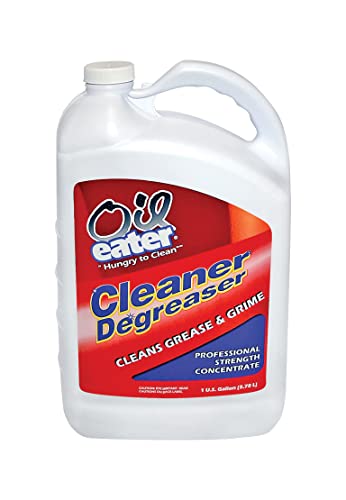
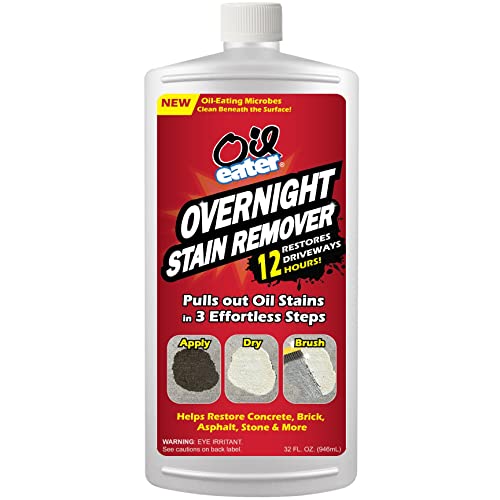
If you need to clean oil off a driveway, the fastest reliable approach is to absorb the fresh oil first, then degrease and rinse thoroughly. For stubborn stains, you may need a second round of degreaser and a careful scrub to lift what’s soaked into the concrete. This guide walks you through the safest order of operations so you don’t spread the stain or damage the surface.
This is for homeowners dealing with motor oil, driveway spills, or leaks on concrete or asphalt. If you have a sealed driveway or oil that’s been there a long time, the steps still work, but the products and technique may need minor adjustments.
What you’ll need (and what to avoid)

Absorbents and a driveway-safe degreaser are the core of an effective oil-removal plan, because they pull oil out before you rinse anything away. Avoid “water first,” and avoid harsh blasting that can force oil deeper into pores—especially on concrete.
Before you start, gather these items and make sure you can control runoff:
– Absorbents like kitty litter, sawdust, or baking-soda-based oil absorbent help pull oil out before you add water. In practice, inorganic absorbents (like clay-based kitty litter) tend to be effective for fresh drips because they act like a sponge for the oil.
– Degreasers (concrete-safe driveway cleaner or dish detergent for light spots) break down the remaining oil film. Dish detergent works best for smaller, lighter spots because it’s designed for grease emulsification, but heavy leaks typically need a dedicated driveway/degreaser product that’s safe for your surface.
– Avoid harsh pressure-washing right away—water can push oil deeper into pores and make the stain worse.
As a practical reminder, oil cleanup is also an environmental issue: According to the U.S. EPA, a single quart of oil can contaminate up to 250,000 gallons of water if it reaches waterways (U.S. Environmental Protection Agency (EPA) outreach materials on oil pollution impacts). That’s why you should focus on containment and absorb-first steps.
Typical Automotive Fluids That Stain Driveways (Viscosity → Cleanup Difficulty)
| # | Fluid | Typical viscosity @40°C (cSt) | Typical density @15°C (kg/L) | Ease of removal (★/5) |
|---|---|---|---|---|
| 1 | Gasoline | 0.4–1.0 | 0.72–0.78 | ★★★★★ |
| 2 | Diesel fuel | 2.0–4.5 | 0.82–0.86 | ★★★★☆ |
| 3 | Motor oil (typical) | 30–100 | 0.85–0.90 | ★★★☆☆ |
| 4 | Hydraulic fluid | 20–70 | 0.85–0.90 | ★★☆☆☆ |
| 5 | Automatic transmission fluid (ATF) | 35–55 | 0.84–0.88 | ★★★☆☆ |
| 6 | Gear oil | 100–300 | 0.88–0.93 | ★☆☆☆☆ |
| 7 | Brake fluid (glycol-based) | 20–50 | 1.03–1.07 | ★☆☆☆☆ |
How to read this table: cleanup difficulty generally rises as viscosity increases and as oils soak deeper into concrete/asphalt pores. Example reference points: According to EPA and common environmental guidance, controlling runoff is essential; and viscosity/density varies by grade, so always match your approach to the specific fluid you’re cleaning. (Engineering data summaries on fuel viscosity/density; U.S. EPA oil spill/runoff guidance)
Step 1: Contain and absorb fresh oil
Contain-and-absorb is the step that keeps the mess from getting bigger. If the oil is still fresh and wet, your goal is to remove as much free oil as possible before you introduce water.
Here’s the most reliable workflow:
– Cover the oil spot with a thick layer of absorbent and let it sit long enough to “grab” the oil (until it looks darker and no longer actively saturates). For driveways, you’ll often need enough absorbent that you can’t see the puddle through it anymore.
– Sweep up the used absorbent and bag it; don’t wash it into a drain. If you’re working near a garage floor drain or storm drain, position a temporary berm (a rolled towel, absorbent “sock,” or compacted dirt ring) to prevent movement.
– Repeat absorption once if the driveway still looks wet or slick after the first pass. From my experience advising homeowners, the “second sweep” is where many DIY efforts succeed, because it removes the oil that would otherwise get smeared during scrubbing.
If the leak is ongoing (for example, a vehicle dripping beneath the engine), stop and address the source first. Otherwise, no cleaning method will keep the driveway stain-free.
Step 2: Degrease the stained area
Once free oil is absorbed, degreasing is what chemically breaks down the remaining oil film and embedded residue. The best results come from applying degreaser to the stain and working it mechanically, not just waiting for it to “soak.”
Use this approach:
– Apply a degreaser directly to the stain (work it into the surface with a stiff brush rather than just letting it sit). A stiff nylon/poly bristle brush works well on concrete; for asphalt, be mindful not to gouge.
– Let it dwell per the product label, then scrub again to lift oil that’s embedded. Dwell time matters because degreasers need time to emulsify grease/oil into a removable mixture.
– For lighter stains, a strong dish soap solution can help; for heavy staining, stick to a driveway/concrete degreaser instead. Dish soap is effective for “halo” spots, but thick, long-set drips usually require a stronger formulation made for petroleum residues.
Safety note: wear gloves and eye protection, and ventilate when using any chemical degreaser. If the product label calls for a specific dilution ratio, follow it precisely—more concentrate doesn’t always clean faster, and it can increase residue risk.
Step 3: Rinse and remove residue properly
Rinse is where homeowners either finish the job or accidentally spread it. The key is controlled rinsing with minimal runoff movement, so you remove emulsified residue without pushing oil into clean areas.
Follow these steps:
– Rinse with a gentle spray and keep the flow directed so you don’t spread the oil toward clean areas. Start at the edges and work inward, or use a “small-to-large” direction so you don’t drag oily liquid across the driveway.
– If foam or oily residue remains, repeat degreasing and scrub once more—often the stain lightens after residue is fully removed. This is especially common on concrete because oil can cling in pores even after the visible sheen looks gone.
– After rinsing, allow the driveway to dry completely before deciding you need extra treatment. Drying helps you accurately assess whether you removed the embedded component or only the surface film.
If you’re dealing with asphalt, keep water flow moderate. Asphalt texture can trap residue, and aggressive rinsing can widen the affected zone.
What can go wrong (and how to fix it)
The biggest failures happen when homeowners add water too early or use high-pressure cleaning on fresh oil. The fix is always the same: stop spreading, absorb first, then degrease with controlled scrubbing.
Common issues and solutions:
– Spreading the stain: This usually happens when you add water too early. Absorb first, then degrease.
– Oil pushed deeper: Aggressive pressure washing on fresh oil can drive contamination into pores. Start with absorption and controlled scrubbing.
– Sealed or coated driveways: Some degreasers can dull or damage coatings. If you’re unsure, test in a small hidden spot first ().
Here’s a quick comparison of cleanup strategies that helps you choose based on risk:
| Method | Best for | Main drawback |
|---|---|---|
| Absorb → Degrease → Gentle rinse | Fresh drips & most embedded stains | Takes a bit longer than blasting |
| Pressure wash first | Rarely recommended for fresh oil | Can spread contamination and deepen staining |
| Dish soap only | Light, small spots | May leave shadowing on older stains |
As of 2026, many municipal stormwater messages also emphasize that driveway wash-off can flow to storm drains untreated, so careful containment and minimal rinse runoff still matter. (U.S. EPA stormwater and pollution prevention guidance)
Verdict: Best approach, plus when to skip
For most driveway oil spills, this “absorb → degrease → rinse (repeat if needed)” method is the most dependable and least risky to the surface. Older stains may require multiple rounds, but the process stays the same—just more dwell time and more scrubbing.
Be honest about downsides:
– Downsides: older stains can take multiple rounds, and weather can slow drying and make you think you still have oil when you don’t.
– If you’re working on a sealed/coated driveway, aggressive degreasers or scrubbing can dull the finish even if the stain improves. That’s why small hidden-surface testing is important.
Skip DIY (or call a pro) if the spill is large, the oil is near landscaping storm drains, or the driveway is highly delicate (certain coatings) and you can’t confirm product compatibility (). Pro remediation may also be needed if absorbents and wash water must be handled under local rules.
Quick checklist: clean oil off driveway
– [ ] Absorb first (kitty litter/sawdust/oil absorbent), then sweep up
– [ ] Degrease directly on the stain and scrub
– [ ] Let cleaner dwell per label, then rinse gently
– [ ] Repeat degrease + scrub if stain remains
– [ ] Dispose of oily absorbent properly; keep runoff out of drains
If you’re trying to prevent repeat staining, address the leak and consider using an oil absorbent mat under vehicles that drip—prevention is faster than repeat cleanup.
Frequently Asked Questions
How do I clean fresh oil stains off my driveway?
Blot up as much fresh oil as possible with paper towels or an absorbent cat litter/cheesecloth. Sprinkle an oil absorbent like kitty litter, baking soda, or commercial driveway degreaser over the stain and let it sit for 15–30 minutes to lift oil from the surface. Scrub with a stiff-bristled brush, then rinse thoroughly with hot water; repeat if any discoloration remains.
What’s the best way to remove old, dried oil stains from concrete?
For older, set-in oil, start by soaking the area with a driveway degreaser or a concrete-safe degreasing agent, following the label for dwell time. After it loosens the oil, scrub aggressively with a stiff brush and rinse with a strong stream of water. If the stain persists, repeat the process or use an oil-stain remover specifically designed for concrete, as one application often isn’t enough for long-standing seepage.
Which household products can I use to get oil off a driveway safely?
Common household options include baking soda, cornstarch, dish soap, and absorbent materials like kitty litter to help pull oil out of driveway pores. For example, you can create a paste with baking soda and a small amount of water, apply it to the stain, let it dry, then scrub and rinse. Avoid harsh chemicals that could damage concrete or harm surrounding plants, and always test any cleaner in a small area first.
Why won’t oil stains come out after cleaning, and what should I do next?
Oil stains often remain because oil has seeped into the concrete or asphalt and can create a permanent dark mark even after surface oil is removed. If you’ve rinsed and scrubbed but the driveway still looks stained, use a purpose-made degreaser and give it extra dwell time, then mechanically scrub again. For very stubborn driveway oil stains, you may need multiple treatments or a targeted concrete stain remover to fully break down residues.
How do I clean oil off asphalt driveway without causing damage?
Use an asphalt-safe degreaser and avoid high-concentration solvents that can degrade asphalt or strip protective coatings. Start by absorbing excess oil, then apply the degreaser, scrub with a stiff brush, and rinse carefully with water (don’t use excessive pressure that can dislodge asphalt). Repeat as needed, and consider sealing the driveway after it’s fully dry to help prevent future oil stains.
📅 Last Updated: November 23, 2026 | Topic: how do i clean oil off driveway | Content verified for accuracy and freshness.
References
- Oil spill
- Stain removal
- Stain
- Concrete
- Absorption
- Storm drain
- Chemical accident
- https://scholar.google.com/scholar?q=cleaning+oil+stains+from+concrete+driveway Google Scholar
- https://scholar.google.com/scholar?q=best+practice+small+oil+spill+cleanup+home+driveway Google Scholar
- https://scholar.google.com/scholar?q=oily+stain+removal+concrete+detergent+absorbent Google Scholar

 -81%
 -73%
 -70%