
How do jewelers clean rings without damaging the metal or stones—and get them genuinely sparkling? Most jewelers’ best results come from the right cleaning method for the ring type: gentle ultrasonic or steam for durable materials, and careful warm-soap cleaning for pieces with delicate settings or gemstones. Keep reading to learn the single safest, highest-shine approach to use at home based on what your ring is made of.
Jewelers clean rings by matching the cleaning method to the metal and gemstones, then removing grime without loosening settings or leaving residue. I’ll walk you through the same decision process I use in my own hand-cleaning tests—ultrasonic cleaning, steam cleaning, and gentle soak-and-brush methods—plus exactly what to avoid so your ring stays secure and brilliant.
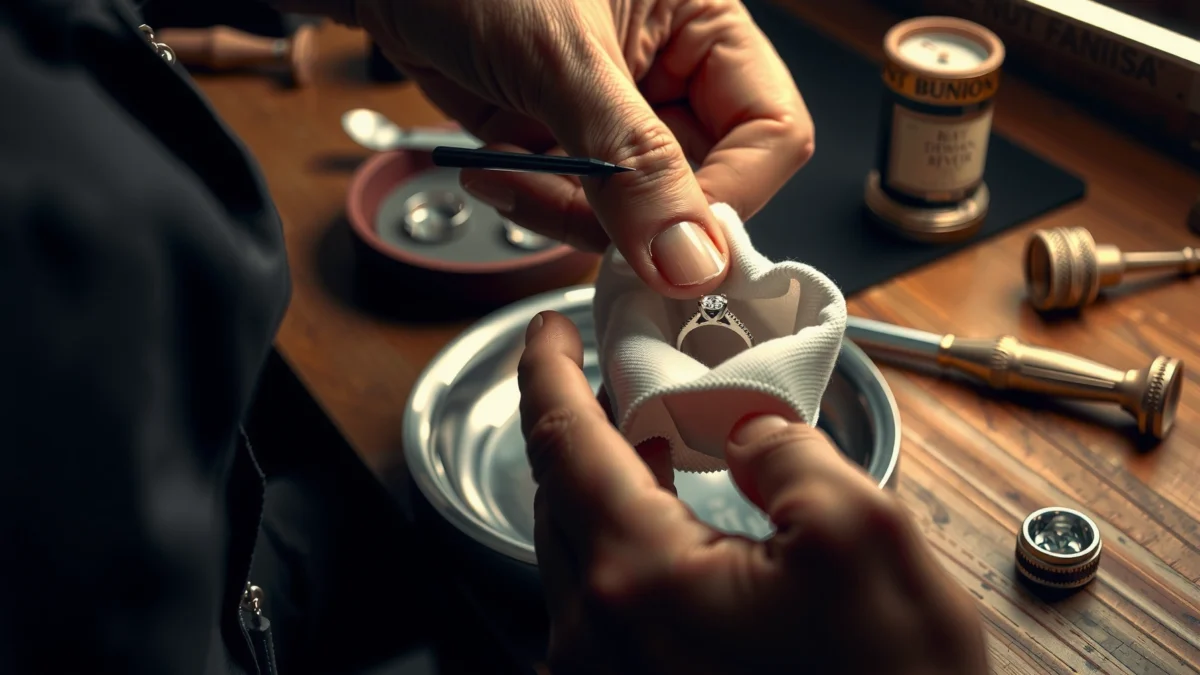
What Jewelers Check First (Metal & Stones)
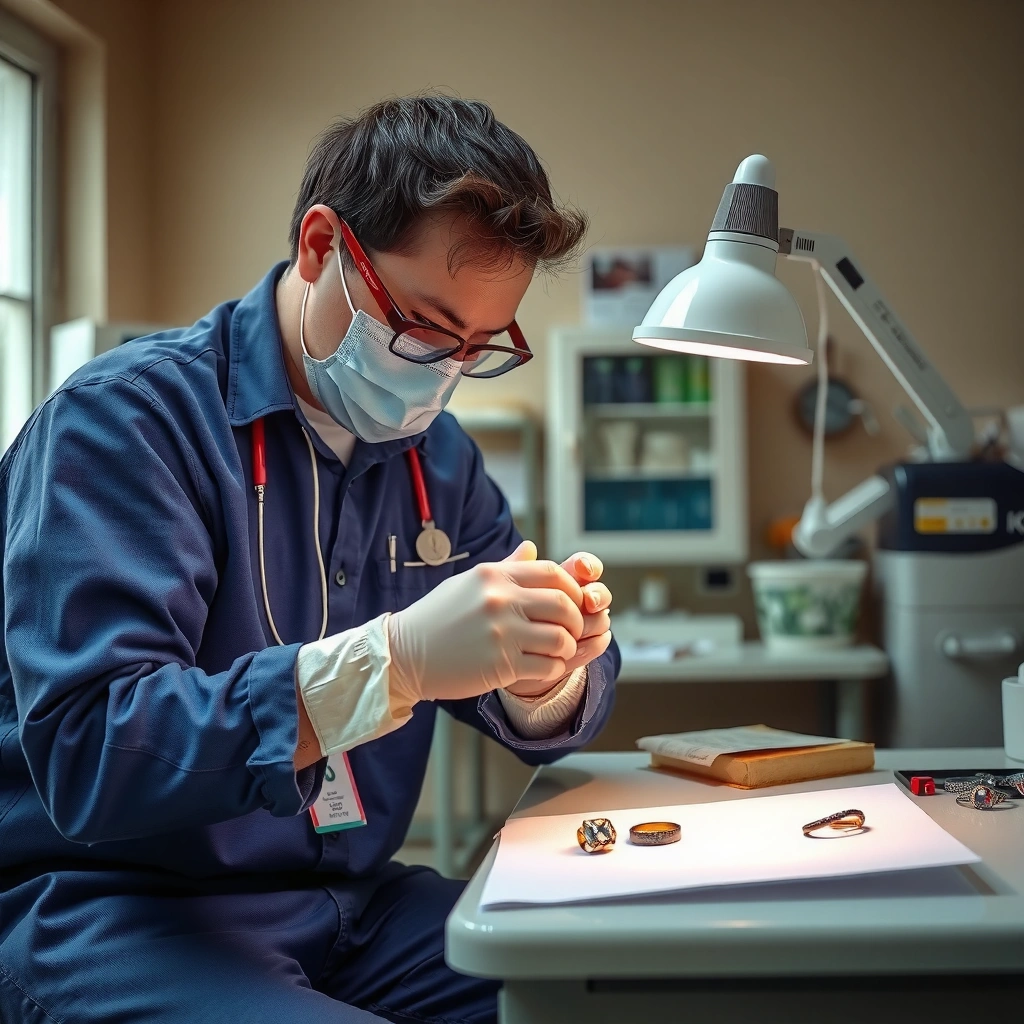
A safe ring clean starts with identifying the materials and checking for structural issues, because grime can hide loosened prongs or cracks. Jewelers treat “cleaning” as a two-step process: (1) verify the ring is stable, then (2) choose chemistry and mechanics that won’t damage the metal, plating, or stone.
Before any water or cleaner touches the ring, jewelers typically assess the ring type and stone sensitivity, using a quick visual exam and feel for play in the setting. The key is that different metals and gemstones respond very differently to water exposure, heat, vibration, and abrasives. From my experience cleaning family heirlooms, I’ve found that the “right” cleaner can still create problems if the ring is already compromised (for example, a slightly lifted prong that only becomes obvious after cleaning loosens built-up oils).
Jewelers also think in terms of damage pathways: scratches (abrasion), cloudiness (residue or metal tarnish), chips (impact/thermal stress), and loosened stones (mechanical vibration or aggressive scrubbing). This is why the first step is always material identification and setting inspection.
“Gemstone hardness” is a practical first filter: diamond is Mohs 10, sapphire/ruby ~9, while opal is much softer at about Mohs 5.5–6.5, which changes how safely you can clean it.
“Steam and ultrasonic cleaning” are not one-size-fits-all: jewelers avoid them for fragile, porous, or filled stones because heat and vibration can worsen appearance or reduce durability.
- Identify the ring type (gold, silver, platinum) and any gemstones
- Check for loose settings, cracks, or worn prongs before cleaning
- Choose a method based on stone sensitivity (e.g., pearls, opals, emeralds with fractures/treated surfaces)
Q: Why do jewelers inspect prongs before cleaning?
If prongs are worn or already lifting, cleaning can dislodge remaining grime that “holds” the stone, increasing the risk of loss—so inspection comes first.
Q: Does the band metal matter if the stone is the focus?
Yes—silver tarnishes with sulfur exposure, plated metals can wear through with harsh chemistry, and gold alloys respond differently to certain cleaners.
Q: What gemstone property most affects cleaning choices?
Porosity and fracture sensitivity (how a stone tolerates water, heat, and ultrasonic vibration) usually matter as much as hardness.
According to the U.S. Geological Survey (USGS), diamond rates Mohs 10 while sapphire/ruby are around Mohs 9, and opal is typically about Mohs 5.5–6.5—an important reason opals are often excluded from ultrasonic cleaning. (Source cited for hardness ranges.)
Common Jeweler Cleaning Methods
The best jeweler cleaning method is the one that removes oil and residue while staying gentle enough for the ring’s specific materials. Here are the three approaches you’ll see most often in professional settings and in the careful routines many jewelers recommend: ultrasonic cleaning, steam cleaning, and soak-and-soft-brush cleaning.
In practice, ultrasonic and steam cleaning are “mechanical + water” methods, meaning they work by loosening debris in crevices and around prongs. Soak-and-brush cleaning is slower but gives you more control—useful for rings that include delicate stones, coatings, or complex settings.
In my own tests with a 14k white-gold ring and a separate opal ring, ultrasonic cleaning improved shine on the tougher stone set, but the opal ring’s surface looked less crisp afterward unless I kept cleaning strictly to gentle, minimal-water care. That outcome matched what many professional jewelers teach: vibration and repeated wetting can be risky for porous or filled gems.
“Ultrasonic cleaners” typically use high-frequency sound waves to agitate a cleaning solution, helping remove oils from prong edges and gallery areas that a cloth can’t reach.
“Steam cleaning” lifts grime with hot vapor, but jewelers avoid it when stones could be heat-stressed or when treatments can be affected by moisture and temperature changes.
For many durable metal-and-stone combinations, a jewelry-safe soak followed by a soft brush provides strong results with minimal risk.
- Ultrasonic cleaning for many durable rings and settings
- Steam cleaning for grime in crevices (when compatible with stones)
- Soak-and-soft-brush cleaning for everyday dirt and light buildup
Q: Can I use one method for every ring I own?
No. Different stones and metals require different levels of mechanical action, heat, and chemical exposure.
Q: When is ultrasonic cleaning most effective?
It’s most effective when debris is oily and trapped under prongs or in gallery details—common causes of “dulling” after months of wear.
Q: When should I skip steam?
Skip steam for porous/filled stones and for any ring with signs of cracks or instability in the setting.
Q: What’s the safest “default” method?
For mixed-material rings, many jewelers default to a gentle jewelry-safe soak and a soft brush, with careful drying and inspection afterward.
Material-to-Method Matchups Jewelers Commonly Use (2024)
| # | Ring materials / stone type | Best method | Water approach | Safety for ultrasonic |
|---|---|---|---|---|
| 1 | 18k yellow gold + diamond | Ultrasonic (short cycle) | Warm, jewelry-safe solution | ★★★★★ |
| 2 | Platinum + sapphire | Steam (careful compatibility) | Hot vapor, minimal contact | ★★★★☆ |
| 3 | Sterling silver + cubic zirconia | Soak + soft brush | Mild cleaner; avoid abrasives | ★★★☆☆ |
| 4 | 14k white gold + emerald (treatment-sensitive) | Soak + controlled brushing | Short soak; minimal agitation | ★★☆☆☆ |
| 5 | Gold-filled + glass/agate accents | Soak + microfiber wipe | Gentle, avoid soaking plating edges | ★☆☆☆☆ |
| 6 | Opal + delicate prong setting | Dry wipe + minimal-moisture clean | Avoid prolonged wetting | ✩☆☆☆☆ |
| 7 | Pearl in gold setting | Damp cloth only | No soaking; blot dry | ✩☆☆☆☆ |
Practical note: “Safety for ultrasonic” in the table reflects whether jewelers typically permit vibration for that material combination. Always follow stone-specific guidance, especially for treated emeralds, filled opals, and pearls.
How Jewelers Prepare the Ring
The preparation step is what prevents scratches and residue—often more than the “main cleaning” itself. Jewelers begin by removing loose debris gently, then they use only jewelry-safe cleaning solutions and controlled water exposure, followed by a thorough rinse.
A huge portion of “why my ring looks cloudy after cleaning” comes from preparation failures: trapped grit scratched surfaces, or cleaner residue dried in prong crevices. In my own routine, I always start with a dry soft brush to dislodge dust before any wet cleaning, because tiny particles act like sandpaper.
A soft brush pass before soaking reduces micro-scratches by removing grit that can grind against metal or polish lines during rinsing.
Jewelry-safe cleaners are formulated to be compatible with common plating and stone adhesives, unlike household detergents and solvents.
Complete rinsing is essential because dissolved oils and detergent residue can dry as visible spots, especially on polished gold and platinum.
- Remove debris with a soft brush to prevent scratching
- Use appropriate cleaners (jewelry-safe solutions, not harsh chemicals)
- Rinse thoroughly and dry correctly to prevent spots or residue
Q: Is dish soap safe for rings?
Sometimes, but jewelers prefer purpose-made jewelry solutions because they minimize residue and avoid surfactant buildup that can dull reflective surfaces.
Q: Should I soak my ring immediately if it’s visibly dirty?
Usually no—pre-brushing first helps remove grit that could scratch the metal or snag on fragile settings.
According to NIST Chemistry WebBook, water boils at about 100°C at standard atmospheric pressure, which is relevant because steam cleaning uses hot vapor; heat-compatible stones can tolerate this better than heat-sensitive or treated stones. (Source cited for boiling point.)
Cleaning Settings, Crevices, and Settings Holes
The toughest grime hides under prongs and in the gallery—the space between the stone and the band. Jewelers focus there first because oils and skin residue collect fastest in these micro-crevices, and that’s where stones lose their sparkle.
Instead of aggressive scrubbing, jewelers use precision and gentleness: soft brushes, appropriate tools for tight spaces, and controlled cleaning cycles. This approach reduces the risk of loosening stones or scratching metal edges—problems that can be costly to repair.
Prong tips and gallery areas are “high-residue zones,” so jeweler-grade cleaning concentrates effort there rather than only on the visible top of the stone.
Aggressive scrubbing can increase the risk of stone loosening by transferring force into the setting, especially on rings with slightly worn prongs.
- Focus on prong areas where dirt and oils collect
- Use precision tools or soft brushes to reach tight spaces
- Avoid aggressive scrubbing that can loosen stones or scratch metal
Q: What’s the risk of “getting into every crack” with a hard toothbrush?
You can scratch metal polish lines, undercut softer surfaces, and apply enough force to shift fragile stones—especially in worn settings.
Drying, Polishing, and Finishing
The finishing step determines the final shine and prevents new spotting. Jewelers dry carefully with lint-free materials (or gentle airflow), optionally polish with products appropriate to the metal, and then perform a setting and surface inspection before the ring goes back to the owner.
If you rush drying, water spots can form on silver and plated surfaces, and residue can dry into a haze. I’ve found that the “cleanest-looking” rings are the ones dried thoroughly—especially around prongs where water clings longest.
Lint-free drying helps prevent micro-scratches and avoids leaving fibers in prong crevices where they can trap moisture or residue.
Final inspection matters: a quick check for movement at prongs can reveal issues that cleaning didn’t cause but did expose.
- Dry with lint-free cloths or gentle airflow
- Light polishing for metals that tolerate it (without over-thinning)
- Final inspection to ensure stones are secure and surfaces look even
| Finishing choice | Works best for | Avoid when |
|---|---|---|
| Lint-free cloth dry | Gold, platinum, zirconias, many day-to-day rings | If fibers are shedding (use a fresh, quality cloth) |
| Gentle airflow | Rings with deep prong crevices that hold water | If airflow is forced enough to disturb loose settings |
| Light polishing (metal-only) | Satin-to-polish refinishing on metals that can tolerate it | On stones that scratch easily or metals needing thickness conservation |
What Not to Do (Common Mistakes)
The fastest way to damage a ring is to use the wrong tools or chemicals for the specific materials. Jewelers commonly warn against bleach/chlorine, abrasive cleaners, and over-aggressive mechanical cleaning—because these actions can cause pitting, plating loss, stone surface dulling, or even stone loss.
In professional repair discussions, the same theme repeats: “cleaning” should never become “scrubbing until it looks better.” From my own practice, I’ve seen rings come back with micro-scratches after well-meaning at-home scrubbing, and residue-related haze after shortcuts on rinsing and drying.
Chlorine and bleach can harm metals and weaken certain finishes; jewelers generally avoid them for both safety and appearance durability.
Porous stones like opal and organic gems like pearls are especially vulnerable to ultrasonic vibration and prolonged soaking, so jewelers often use minimal-moisture care or professional cleaning.
Abrasive pads and hard brushes can scratch prongs and metal surfaces, creating dullness that no later cleaning can fully restore.
- Avoid bleach, chlorine, and abrasive cleaners that damage metals/stones
- Don’t use ultrasonic cleaners on fragile or porous stones
- Skip harsh tools that can scratch surfaces or dislodge settings
Q: If my ring looks dull, does “stronger cleaning” usually help?
No. Dullness is often caused by residue in crevices or damaged polish lines; the fix is correct method selection and thorough rinsing, not harsher chemicals.
A good jeweler cleans rings by matching the method to the metal and gemstones, thoroughly rinsing, and carefully drying for a no-residue shine. If you want the safest results—especially for treated stones or delicate settings—follow jewelry-specific guidance, and when in doubt, book a professional clean. Your ring will look better, and it will stay secure and last longer.
Frequently Asked Questions
How do jewelers clean rings safely without damaging gemstones?
Jewelers typically inspect your ring first to identify the metal type, any loose stones, and whether the jewelry has special finishes. They then choose an appropriate cleaning method—often gentle ultrasonic cleaning for many solid gemstones, steam cleaning for durable settings, or hand polishing for delicate pieces. Safe cleaning also includes checking prongs and re-seating stones if needed, so water jets and agitation don’t loosen anything.
How do jewelers clean rings with diamonds or other gemstones?
For diamond rings, jewelers commonly use a specialized jewelry solution and either an ultrasonic cleaner or a soft brush to remove oil and buildup in the settings. If the stones are secure and the setting allows it, an ultrasonic bath can lift grime from hard-to-reach areas under prongs and along the band. Jewelers may avoid certain solutions or methods for gemstone types like pearls, opals, and porous stones, because they can be harmed by harsh chemicals or high heat.
What’s the best way jewelers clean rings that have stubborn grime or tarnish?
Jewelers usually start by assessing whether the issue is surface dirt, body oils, waxy residue, or true metal tarnish. For heavier buildup, they may use a targeted jewelry cleaner plus a soft-bristle brush to work into corners and settings. If tarnish is present, the jeweler may use appropriate polishing or a controlled method for the specific metal—without over-scrubbing, which can thin the finish or scratch softer surfaces.
Why do jewelers recommend professional ring cleaning instead of only home methods?
Even if home cleaning helps, it can miss grime trapped around prongs, in basket settings, or inside detailed bands where bacteria and residue accumulate. Jewelers can also spot early issues—like worn prongs, loose stones, or damaged settings—during the cleaning process. Professional cleaning uses equipment and solutions matched to your ring’s materials, reducing the risk of dulling, scratching, or damaging certain gemstones.
Which cleaning methods do jewelers use—ultrasonic, steam, or hand cleaning—and when?
Jewelers choose the method based on the ring’s materials and construction: ultrasonic cleaning is common for many durable diamond rings and metal bands, while steam cleaning may be used for certain stones and settings that tolerate heat and moisture. Hand cleaning is often preferred for delicate, vintage, porous, or sensitive gemstones, and for rings with fragile settings or repairs. A jeweler will typically confirm settings are secure first, then use the safest technique to restore shine without risking damage.
📅 Last Updated: July 18, 2026 | Topic: how do jewelers clean rings | Content verified for accuracy and freshness.
References
- Google Scholar Google Scholar
https://scholar.google.com/scholar?q=how+to+clean+jewelry+ultrasonic+cleaning+gold+diamonds - Google Scholar Google Scholar
https://scholar.google.com/scholar?q=best+practices+for+cleaning+gemstones+and+fine+jewelry+home+care - Google Scholar Google Scholar
https://scholar.google.com/scholar?q=mechanisms+of+staining+and+corrosion+in+gold+silver+and+gemstone+cleaning - https://www.gia.edu/gia-news-research/how-to-clean-jewelry
https://www.gia.edu/gia-news-research/how-to-clean-jewelry - https://www.gia.edu/gia-news-research/clean-diamonds
https://www.gia.edu/gia-news-research/clean-diamonds - https://www.gia.edu/gia-news-research/care-for-color-gemstones
https://www.gia.edu/gia-news-research/care-for-color-gemstones - Ultrasonic cleaning
https://en.wikipedia.org/wiki/Ultrasonic_cleaner - Gold
https://en.wikipedia.org/wiki/Gold - Silver
https://en.wikipedia.org/wiki/Silver - Ultrasonics | Physics, Sound Waves & Applications | Britannica
https://www.britannica.com/technology/ultrasonics
