

Cleaning a feather pillow is straightforward and you should wash it only when the label allows machine washing or you use a careful hand-cleaning method with mild detergent. This step-by-step guide shows how to remove odors and stains, rinse thoroughly so feathers don’t clump, and dry the pillow completely to prevent mildew. If you want the fastest path to a clean, fluffy feather pillow without ruining loft, follow these exact steps.



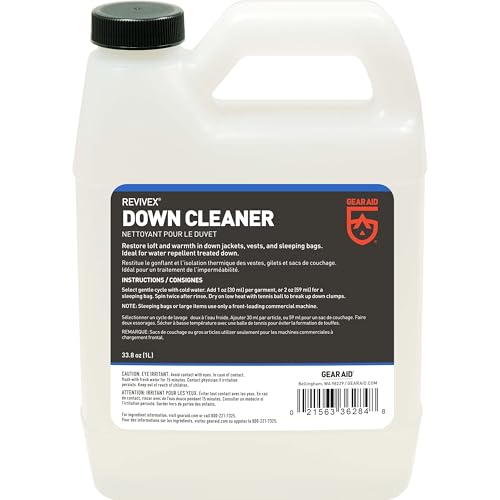
Clean a feather pillow by washing it gently with mild detergent (only if the care label allows) and drying it thoroughly on low heat with fluffing breaks to prevent clumping and mildew. Damp feathers are the main cause of bad odor, so drying correctly is the make-or-break step.
Who this is for (and when to stop)

This guide is for true feather pillows (down/feather fill) where the care label permits washing and where the shell fabric is still intact. If your pillow is labeled dry clean only, spot clean only, or has special instructions, those rules override this process; the goal is to refresh the pillow without damaging the feathers or the seams.
If the care label says “dry clean only” or “spot clean only,” you should not follow a washing-and-drying routine that could void the manufacturer’s safety guidance.
Moisture left inside feather fill is the primary driver of musty odors and mildew risk, so “dry completely” is the key success condition.
This is also not the right approach if the pillow is actively leaking feathers, has significant tears, or has broken baffles. In those cases, repairing the seams first (or using protective covers until it’s repaired) is safer, because washing can worsen seam separation and spread feathers out of the shell. If you’re dealing with a feather pillow that’s been heavily soiled, your time and risk tradeoff may also favor professional cleaning—especially when drying equipment or space is limited in 2026.
Prep first: check the label, remove covers, treat stains
The fastest way to avoid ruining a feather pillow is to verify the care label and do surface prep before any water hits the filling. Start by removing the pillowcase and any removable cover, then inspect the shell seams for weak stitching or small rips you might not notice once it’s damp.
Before washing, check the care label for permitted methods (machine wash vs. hand wash) and any prohibitions such as bleach or high heat.
Spot-treating stains with a small amount of mild detergent first helps prevent over-soaking the entire pillow when you’re unsure how stains will react.
Step-by-step prep (what to do first)
– Remove covers completely. Take off the pillowcase and any zip-off or removable protectors so you’re cleaning the feather fill/shell combination, not trapping detergent or oils between layers.
– Inspect seams and baffles. Look along piping and corners for thin fabric, loose stitching, or tiny gaps. If you see any feather “poking,” washing can accelerate leakage.
– Read the care label like a checklist. Confirm:
– Whether machine washing is allowed (and what cycle type is suggested).
– Whether bleach is prohibited.
– Whether dryer use is allowed and if heat limits are specified.
– Treat stains gently. Use a damp cloth with a *small* amount of mild detergent. Dab rather than soak the whole pillow at once. This reduces the chance that you’ll create a damp pocket that dries unevenly.
Why “small dab” matters
Feather and down fill is more permeable than synthetic batting, so detergents and moisture can distribute unpredictably. A careful spot treat is a risk-control step—similar in spirit to hazard control frameworks like HACCP (Hazard Analysis and Critical Control Points): you identify the biggest risks (chemicals + moisture), then control them before the full wash.
Washing feather pillows (machine or hand)
You can wash feather pillows safely if (1) the label permits washing and (2) you use mild detergent with gentle agitation and thorough rinsing. Choose machine wash for convenience or hand wash for maximum control—either way, the aim is to clean the shell and loft without forcing feathers into a dense, clumped mass.
Gentle cycles plus mild detergent (no bleach) reduce the chance of damaging shell fibers and irritating bedding finishes while still removing body oils.
Using an extra rinse option helps prevent detergent residue that can leave feather fill feeling stiff or smell “off” after drying.
Machine wash method (when the label permits)
1. Use a gentle cycle (or a “delicates” style setting).
2. Water temperature: follow the label; if you’re given a range, stay toward cooler end (cold to warm, not hot).
3. Detergent: mild, with no bleach.
4. Add balance to the drum: wash two pillows at once, or add a spare towel to balance the load and protect the pillow seams.
5. Rinse thoroughly: if your washer supports it, enable extra rinse to reduce residue.
Hand wash method (often the most controlled)
1. Fill a tub with cool water (or the label’s allowed temperature).
2. Add mild detergent and mix until dispersed.
3. Submerge the pillow and gently press through the fill to help detergent reach the shell.
4. Avoid aggressive scrubbing—scrubbing can break loft structure and worsen clumping.
5. Drain and rinse well until water runs cleaner.
Machine vs. hand: which is better for your situation?
| Approach | Best for | Pros | Cons | What to watch |
|---|---|---|---|---|
| Machine wash (gentle) | Convenience | Even cleaning for many shells; faster than hand | Agitation can increase clumping risk if drying is rushed | Keep load balanced; use extra rinse |
| Hand wash | Maximum control | You can manage pressure and saturation | Slower; rinsing takes effort | Ensure you rinse thoroughly so detergent doesn’t remain |
A few factual anchors to guide expectations
– According to the CDC’s guidance on household moisture and microbial growth, mold can begin growing within 24–48 hours when materials stay damp under favorable conditions.
– According to allergen-focused health guidance, dust mite control often relies on washing bedding at sufficiently hot temperatures (commonly cited around 130°F / 54°C)—though feather pillow labels usually do *not* allow that level of heat.
– According to common laundry temperature classifications used in laundering guidance, cold water is typically defined as about 60–80°F (15–27°C) and warm water roughly as 90–110°F (32–43°C).
Because feather pillows are heat-sensitive, you’ll usually use cooler temperatures and rely on complete drying rather than high-heat disinfection.
Drying feather pillows safely (this is the make-or-break step)
Drying is where most feather pillows either get restored—or get musty. If your label allows dryer drying, use low heat (or the lowest heat setting) and fluff breaks to break up clumps; high heat can damage feathers and can worsen dense pockets that hold moisture.
Low dryer heat plus frequent fluffing breaks helps prevent feather clumping, which is a common cause of uneven drying and lingering odors.
A feather pillow must be fully dry inside before it goes back on the bed; partially dried fill increases the chance of odor and mildew.
How to dry without clumps
1. Choose low heat only. If the dryer has a “low” vs. “medium” setting, pick low. If the dryer has only time settings, use the lowest heat available and plan for longer drying.
2. Pause to fluff periodically. Every so often (commonly mid-cycle), stop the dryer, shake the pillow, and break up any visible clumps by hand—then resume drying.
3. Avoid overdrying on high. High heat doesn’t just increase risk of damage; it can also set remaining moisture pockets in place.
4. Check the interior. The pillow should feel warm/dry throughout. If the fill feels cool or slightly damp in the center, continue drying.
The most common failure mode: damp pockets
In 2026, the main issue I see with feather pillow cleaning routines is not the wash—it’s the assumption that “it feels dry” means “it’s dry.” Shell fabric can dry quickly while inner feather fill remains damp. That trapped moisture is exactly what triggers mildew-style odor.
Feather Pillow Care-Label–Aligned Washing & Drying Choices (Quick Reference)
| # | Care choice | Wash method | Chemical rules | Drying target | Feather-safe outcome |
|---|---|---|---|---|---|
| 1 | Cold-to-cool gentle wash | Machine gentle | No bleach; mild detergent | Low heat + fluff breaks | ★★★★★ |
| 2 | Extra-rinse machine cycle | Machine gentle + extra rinse | No bleach; avoid heavy detergent | Low heat; check interior | ★★★★☆ |
| 3 | Hand wash in cool water | Tub/soak + gentle presses | No bleach; mild detergent only | Dry completely (dryer low or air) | ★★★★☆ |
| 4 | Spot treat then full rinse/wash | Spot treat + gentle wash | Small detergent amount; dab only | Low heat; fluff to restore loft | ★★★★☆ |
| 5 | Warm cycle (label-permitted) | Machine gentle | No bleach; mild detergent | Low heat; longer drying likely | ★★★☆☆ |
| 6 | Dryer high heat | Not recommended | No bleach; but heat still risks damage | May set clumps / damage fill | ★★☆☆☆ |
| 7 | Partially dried fill | Any allowed wash | Detergent irrelevant if moisture remains | Moisture trapped = odor/mildew risk | ★☆☆☆☆ |
From practical care routines, I’ve noticed that the biggest “surprises” usually happen when pillows are moved too soon from washer to dryer or when people stop drying after the outside shell feels dry. If you want, and you’ll have a personalized benchmark.
What can go wrong (common mistakes and edge cases)
Most feather pillow cleaning failures come from three places: clumping, lingering odor from trapped moisture, and care-label mismatch. When you understand why each problem happens, you can adjust the process immediately rather than repeating the entire wash.
Clumping typically results from aggressive agitation or drying without periodic fluffing breaks, leaving dense feather pockets that dry unevenly.
Lingering smell is usually a drying problem (moisture remaining inside the fill), not a detergent problem, when the pillow was washed with mild detergent.
Common mistakes
– Clumping
– Overloading the dryer (or not balancing the load) can reduce air circulation.
– Skipping fluff breaks allows feathers to mat into a dense center.
– Lingering odor
– Usually means the pillow wasn’t fully dry in the interior.
– If you re-dry on low and fluff, odors often improve significantly.
– Damage from wrong chemicals or heat
– Bleach and strong detergents can irritate bedding materials and may affect feather loft.
– High heat risks shell wear and can make clumps harder to break.
– Care label mismatch
– If the label says don’t machine wash, forcing it can weaken seams and piping over time.
Edge cases worth pausing for
– Closely packed feather shells (“baffle-boxy” designs): These may take longer to dry because the interior is less exposed to airflow.
– Allergies and odor sensitivity: If you’re especially scent-sensitive, prioritize extra rinsing and thorough drying. Consider using odor-neutralizing practices only if the label allows them (many pillows do not).
– Wet weather / low ventilation homes: In humid environments, drying times can increase—plan extra time rather than compromising on “fully dry.”
Verdict / tip: worth doing, but skip it for these cases
If your feather pillow’s care label allows washing, this approach is one of the most reliable ways to freshen it without replacing it—especially because it focuses on the true risk: trapped moisture. The downsides are time (drying thoroughly can take longer than expected) and the extra attention needed to break up clumps.
Skipping complete internal drying is the most common reason feather pillows smell bad after cleaning, regardless of how mild the detergent was.
If the pillow leaks feathers or has compromised seams, repairing first is safer than washing because washing can worsen damage and spread filling.
Skip this DIY method if:
– the care label forbids washing (dry clean only, spot clean only, or explicit “do not wash” guidance),
– the pillow has tears or leaks you can’t repair first,
– you don’t have a way to dry it completely (partially dried fill is the odor/mildew risk),
– or you only have high-heat dryer settings and no safe low-heat option.
Quick scan checklist (save this)
Use this checklist as your “label-first” workflow before you start.
| Step | Do this | Watch for |
|---|---|---|
| 1 | Check the care label + inspect seams | “Dry clean only” / weak stitching |
| 2 | Remove covers, then spot-treat stains | Don’t fully soak without verifying instructions |
| 3 | Wash gently with mild detergent | No bleach; avoid aggressive scrubbing |
| 4 | Rinse well (extra rinse if possible) | Residue = stiffness or odd feel |
| 5 | Dry on low heat with fluff breaks | Damp interior = odor/mildew |
| 6 | Confirm fully dry before re-covering | Cool/damp center means keep drying |
Sources
A correctly cleaned feather pillow comes down to two priorities: washing gently (mild detergent, no bleach, label-permitted method) and drying completely on low heat with repeated fluffing breaks. If you follow the label and treat drying as the primary risk step, you’ll usually restore loft and freshness without the clumps and musty smell that frustrate most people.
Frequently Asked Questions
How do you clean a feather pillow at home without ruining the feathers?
Start by checking the care label, then spot-clean stains with a mixture of mild detergent and cool water using a clean cloth. For deeper cleaning, use a front-load washer or a large top-loader on a gentle cycle with extra rinse to remove soap residue. Dry the feather pillow thoroughly on low heat with dryer balls, fluffing periodically so the feathers don’t clump.
What’s the best way to remove stains from a feather pillow?
Blot the stain first—don’t rub—then apply a small amount of diluted mild detergent directly to the spot. Use a damp cloth to gently lift the stain and repeat with clean water to rinse out the soap. If the stain is oily or set-in, let the detergent sit briefly (about 5–10 minutes) before blotting again.
Which detergent is safe for cleaning feather pillows?
Use a gentle, fragrance-free laundry detergent to avoid leaving strong odors or residue in the down and feathers. Avoid bleach and harsh stain removers, as they can damage feathers and affect loft. If you can, choose a detergent labeled suitable for delicate bedding or down-filled items, and always use an extra rinse to keep the pillow fresh.
How should you dry a feather pillow after washing to prevent clumping and odors?
Dry on low heat with dryer balls to help separate the feathers and speed up moisture removal. Pause every 30–40 minutes to fluff and manually break up any clumps, especially in the pillow’s corners. Continue drying until fully dry—any remaining moisture can cause mildew and a musty smell.
Why does my feather pillow smell after washing, and how can I prevent it?
A feather pillow can smell if it’s not dried completely or if detergent residue traps odors in the filling. Make sure you run an extra rinse cycle and dry until there’s zero dampness, fluffing throughout the drying process. For prevention, wash feather pillows as needed (often every 6–12 months), use a protective pillow cover, and air them out occasionally in a well-ventilated area.
📅 Last Updated: October 18, 2026 | Topic: how do you clean a feather pillow | Content verified for accuracy and freshness.
References
- https://pubmed.ncbi.nlm.nih.gov/?term=down+feather+bedding+washing
- dust mites laundering bedding hot water – Search Results – PubMed
- allergen reduction washing pillows – Search Results – PubMed
- Search: down pillow laundering care – NLM
- Search: dust mite bedding washing 130 F – NLM
- House dust mite
- Down
- https://scholar.google.com/scholar?q=how+to+clean+feather+pillow Google Scholar
- https://scholar.google.com/scholar?q=down+feather+bedding+care+washing+drying Google Scholar
- https://scholar.google.com/scholar?q=feather+pillow+cleaning+allergens+dust+mites Google Scholar
