

You can clean brass door handles safely and restore their shine with a simple routine using gentle dish soap, warm water, and a brass-safe polish or vinegar-lemon solution. The process takes about 10–20 minutes and is easy enough for first-time cleaning, as long as you avoid abrasive pads that can scratch the metal. Gather a soft cloth, cotton swabs, and your chosen cleaner, then follow the steps for grime removal and a streak-free finish.



Brass door handles clean best when you remove everyday grime first with warm water and a mild dish soap, then treat tarnish with the gentlest cleaner that works (often a short vinegar-lemon approach or a brass polish). Finish by drying completely and lightly polishing to slow re-tarnishing—this prevents the “sticky, dark, fingerprint” look from coming back quickly.
If your brass handles look dull, sticky, or darkened from fingerprints and tarnish, this guide is for you. It also helps when you’re not sure whether your handles are solid brass or plated, since the safest method depends on the finish.
Identify the finish (solid brass vs. plated)

Solid brass is typically more forgiving with mild acids and polishing, while plated or lacquered finishes can be damaged quickly. Before you clean brass door handles, confirm the coating type because your safest cleaner depends on what’s protecting (or covering) the underlying metal.
– Check for any labeling on the hardware, or look for “brass” plating hints like a thinner-looking surface or signs of wear on edges.
– Avoid harsh abrasives if you suspect plating—many plated finishes scratch or wear through quickly.
To make this step practical, it helps to understand what you’re actually dealing with. Brass is an alloy commonly within the rough range of 60–70% copper and 30–40% zinc. (Encyclopaedia Britannica, “Brass”) Tarnish on copper-containing alloys is usually driven by surface oxidation—so what you’re removing is often copper-oxide compounds, not “dirt” in the usual sense. (Canadian Conservation Institute, guidance on copper/brass corrosion products)
Finish comparison: pick the right cleaning “strength”
The same cleaner can be fine for one brass door handle finish and risky for another. Use this quick compatibility guide before you start.
| Finish type | What you should avoid | What usually works best |
|---|---|---|
| Solid brass (uncoated) | Long soaks in acidic mixes; aggressive scrubbing | Soap-and-water clean, then short vinegar/lemon wipe or brass polish |
| Plated brass | Abrasive pastes (baking soda “scrubs”); strong acids; heavy rubbing | Gentle soap clean + a brass-safe polish labeled for plated finishes (test first) |
| Lacquered brass | Acidic cleaners and solvent-heavy products that can cloud/strip lacquer | Soap-and-water, microfiber drying, and cleaners labeled “safe for lacquer” |
Clean off everyday dirt first
Brass door handles look “tarnished” even when the problem is mostly fingerprints, body oils, and dusty residue. Start with warm water and dish soap so you can remove the grime without forcing chemicals to do extra work.
– Wipe the handle with a soft microfiber cloth and warm water to remove loose grime.
– Use dish soap (a few drops in warm water), then rinse with a lightly damp cloth and dry completely.
Why this matters: when oils are left on brass door handles, tarnish can appear to spread or turn darker under fingerprints. Also, if you polish immediately over residue, you can grind that residue into the surface finish.
A simple process for most doors in 2026: lightly dampen microfiber, wipe the full handle (including the backplate edges if accessible), re-wipe with a clean damp cloth, then dry with a second microfiber towel. If you see streaking, don’t add force—repeat the rinse/dry cycle.
Remove tarnish with a gentle at-home method
Brass door handles tarnish primarily because surface compounds form (often copper oxides), so the goal is short chemical contact followed by immediate removal and drying. For light tarnish, vinegar or lemon works well; for heavier dulling, a brass polish is usually more controlled than homemade abrasion.
– Try a mild vinegar (or vinegar-water) approach for light tarnish: apply briefly, wipe off, then rinse lightly and dry.
– For slightly heavier dulling, use a lemon-and-salt style paste gently—rub softly, then rinse and dry (don’t let mixtures sit too long).
A quick chemistry reality check: household white vinegar is commonly about 5% acetic acid by volume. (U.S. Department of Agriculture / general food labeling references) That acidity can help dissolve oxide films, but longer exposure increases the chance of dulling or affecting protective coatings (especially lacquer). Keep contact short, and treat time like a variable you control.
For extra clarity, here’s a practical “at a glance” look at common home cleaners used on brass door handles—especially useful when you’re choosing what’s gentle enough for a plated or lacquered finish.
Common Cleaners for Brass Door Handles: Strength, Action, Safety (typical)
| # | Cleaner / ingredient | Typical household strength | Approx. pH in water | Finish safety rating | Primary effect on tarnish & grime |
|---|---|---|---|---|---|
| 1 | Warm water + microfiber | N/A | ~7.0 | ★★★★★ | Dissolves salts and lifts oily residue without chemical attack |
| 2 | Dish soap solution | Diluted (concentration varies) | ~7–9 | ★★★★☆ | Emulsifies skin oils; lifts grime so acids/polish don’t have to “work harder” |
| 3 | White vinegar (5% acetic acid) | ~5% acetic acid | ~2.4–3.0 | ★★★☆☆ | Helps soften/dissolve oxide tarnish with short contact time |
| 4 | Diluted vinegar (1:1) | ~2.5% acetic acid | ~2.7–3.2 | ★★★★☆ | Gentler acid exposure for light tarnish; still rinse and dry promptly |
| 5 | Lemon juice (citric acid) | Natural acidity varies | ~2.0–3.0 | ★★★☆☆ | Acid action targets tarnish while adding a temporary “brightening” effect |
| 6 | Baking soda paste (NaHCO₃) | Typically ~1 Tbsp/2–3 Tbsp water (varies) | ~8.0–8.5 | ★★☆☆☆ | Neutralizes acids and uses mild abrasiveness—can dull plating/lacquer if rubbed |
| 7 | Household ammonia solution | Commonly ~5–10% (varies by product) | ~11–12 | ★☆☆☆☆ | Strongly alkaline cleaner; can harm protective coatings and create uneven surfaces |
Polish for shine (and make it last)
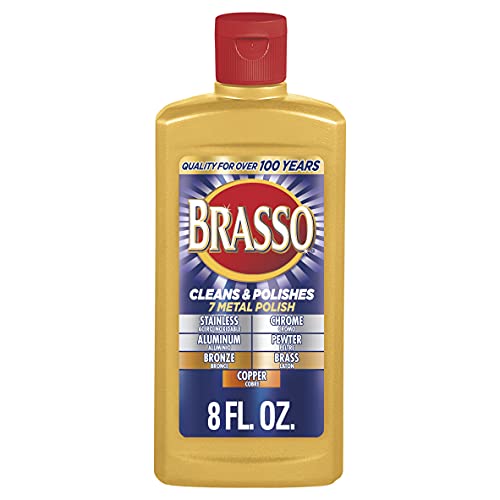
Once brass door handles are clean and tarnish is removed, polishing is what restores a uniform look. Use brass polish lightly, then buff dry—moisture left behind is a fast path to “new” tarnish and cloudy spots.
– Apply a brass polish according to the label directions, using a soft cloth and light pressure.
– Buff until dry, then consider a thin protective layer if the product recommends it to slow future tarnish.
Polish strategy that reduces re-tarnish (works for most homes): polish only where the tarnish has been, not the entire handle every time. For high-touch doors, a “spot polish + full dry” approach keeps the finish consistent. If your handles are lacquered, only polish products explicitly approved for lacquered brass door handles—otherwise you may remove or cloud the coating.
If you want a starting point, treat this as a controlled workflow: rinse off any acid residue first, dry completely, then polish. In 2026, many manufacturer instructions still emphasize “gentle cleaners only” and “avoid abrasive pads,” especially for coated hardware.
What can go wrong (and how to prevent it)
Brass door handles don’t usually fail because you used cleaner—they fail because the process damages the protective layer or leaves moisture behind. Avoid the common finish-dulling mistakes below and you’ll get more consistent results.
– Too much scrubbing: scouring pads can leave scratches that dull the finish.
– Not drying fully: water trapped in crevices speeds up tarnish and spotting.
– Using the wrong cleaner on plated brass: strong acids or abrasives can strip plating—test in an inconspicuous spot first.
Also watch for “false tarnish.” If the surface feels slightly sticky after cleaning, it’s often residue from the cleaner itself or wax-like protectants. In that case, re-wipe with a damp microfiber (plain water), then dry fully before you attempt polish again.
Verdict / tip: the safest approach for most doors
Start with soap and water, then move to a gentle tarnish remover and finish with careful polishing. Skip stronger acidic soaks and abrasive pastes if your handles may be plated or lacquered—when in doubt, test a small hidden area first and go lighter than you think you need.
This approach aligns with a practical risk-management framework: control variables one at a time (clean → treat tarnish → polish → dry) and always verify finish compatibility via spot testing. That’s especially important for brass door handles because coating damage can be irreversible.
Quick checklist (scan and save)
– [ ] Wipe with warm water to remove surface grime
– [ ] Clean with dish soap + soft cloth
– [ ] Try gentle vinegar/lemon method for tarnish (short contact time)
– [ ] Rinse lightly, then dry completely
– [ ] Polish with brass polish (light pressure)
– [ ] Buff dry; protect if your polish recommends it
Frequently Asked Questions
How do you clean brass door handles without damaging the finish?
Start by removing loose dirt with a soft microfiber cloth and warm water. Use a gentle brass cleaner or a mild soap solution, then rinse and dry immediately to prevent water spots. Avoid abrasive pads and harsh chemicals (like bleach or strong acids) unless the manufacturer explicitly recommends them, since they can strip the lacquer or change the brass patina.
What is the best way to remove tarnish from brass door handles?
For light tarnish, mix equal parts white vinegar and water, apply briefly with a soft cloth, then rinse and dry. For heavier tarnish, make a paste using baking soda and water, gently rub with a soft brush or cloth, and wipe clean. Always finish by polishing with a dry microfiber towel to restore shine and reduce future tarnish.
Why do brass door handles turn green or develop dark spots, and how can you stop it?
Greenish buildup is often oxidation or a reaction from moisture, skin oils, or certain cleaning products, while dark spots can come from oxidation and grime buildup. To slow tarnishing, wipe handles regularly with a damp cloth followed by thorough drying, especially in humid areas. You can also apply a thin protective wax or clear lacquer (if compatible with your handle’s finish) to limit exposure to air and moisture.
Which household cleaners are safe for cleaning brass door handles?
Generally safe options include mild dish soap, warm water, white vinegar (for unlacquered or properly compatible finishes), and baking soda as a gentle paste. Test any cleaner in a hidden spot first because lacquered brass and antique patinas can react differently. Avoid abrasive cleaners, steel wool, and strong acids or ammonia-based products unless you’re sure they won’t harm the specific brass finish.
How do you clean and polish brass door handles that are lacquered or antique?
If the brass door handles are lacquered, use the mildest approach: warm soapy water, minimal scrubbing, then rinse and dry right away—skip vinegar and abrasive baking-soda scrubs unless the finish is known to tolerate them. For antique brass with a preserved patina, clean gently with a soft cloth and a specialist brass cleaner or light soap solution to avoid removing the aged character. When polishing is desired, choose a non-abrasive brass polish and apply lightly, following the grain and letting it cure before buffing.
📅 Last Updated: November 23, 2026 | Topic: how do you clean brass door handles | Content verified for accuracy and freshness.
References
- Brass
- Tarnish
- Polishing (metalworking)
- Patina
- Corrosion
- Redox
- https://www.britannica.com/technology/brass
- https://scholar.google.com/scholar?q=how+to+clean+brass+door+handles+tarnish Google Scholar
- https://scholar.google.com/scholar?q=brass+surface+cleaning+methods+citric+acid+ammonia+conservation Google Scholar
- https://scholar.google.com/scholar?q=mechanical+and+chemical+polishing+of+brass+corrosion+removal Google Scholar
