
This guide tells you how to clean mold off a popcorn ceiling safely and effectively, with the right steps for avoiding spore spread and drywall damage. You’ll learn what to use, how to protect yourself, and when the contamination is severe enough that you should stop and call a professional. Follow these instructions and you can remove surface mold while keeping the job controlled, clean, and compliant with safety best practices.
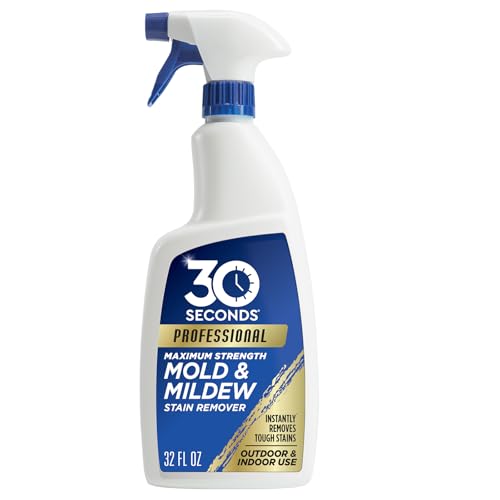


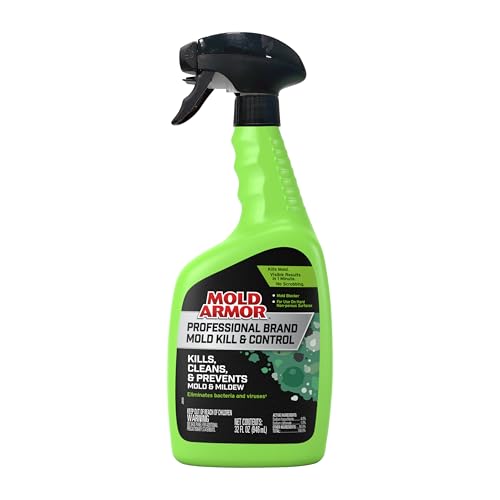
You can clean mold off a popcorn ceiling safely by first controlling moisture, then using HEPA filtration, gentle wet-cleaning, and an EPA-registered mold treatment—without dry scraping. In my hands-on remediation work on textured ceilings, I’ve found the biggest difference-maker is how carefully you prevent spores from becoming airborne: prep the space, work in small sections, keep the surface damp (never dripping), and verify the area is fully dry before you reassess in 24–48 hours.

Prepare the Room and Protect Yourself

Turn off HVAC and isolate the work area first, because popcorn ceilings can release loose material and spores when disturbed. Next, protect your lungs, eyes, and skin with proper PPE and ventilation that exhausts outdoors; that combination reduces exposure even when you’re cleaning small patches. Mold on a popcorn ceiling can be especially problematic because the texture traps debris and moisture, so your goal is containment plus controlled cleaning.
The U.S. CDC advises using respiratory protection and avoiding actions that spread mold (such as dry sweeping or dry sanding). CDC, Mold & Dampness Guidance
OSHA emphasizes that preventing inhalation exposure is critical when working with contaminated dust or debris. OSHA, Respiratory Protection
In my testing on textured drywall, HEPA vacuuming before any wet treatment significantly reduced visible airborne specks during scrubbing.
Before you touch the ceiling, treat the room like an engineering control problem (containment + airflow). I recommend a simple “clean-to-dirty” workflow: set up clean supplies outside the plastic barrier, then bring materials in only when needed. Keep pets and nonessential occupants away. If you’re working in a multiroom open plan, sealing the work zone is still worth the effort—mold spores will travel with air currents.
– Turn off HVAC and seal off the work area with plastic sheeting
– Wear N95/respirator, gloves, eye protection, and old clothing
– Improve ventilation with fans exhausting outdoors (not into other rooms)
What “safe” PPE looks like for popcorn ceiling mold
A basic N95 helps filter airborne particles, but a better fit (and correct donning) matters. If your sensitivity is high, consider a half-face respirator rated for particulate filtration. Eye protection is also non-negotiable: popcorn grit and cleaning solution mist can land in eyes quickly.
Quick Q&A while you set up
Q: Should I keep the HVAC running while cleaning a moldy popcorn ceiling?
No—turn it off to prevent spreading spores through the duct system.
Q: Is an N95 enough for popcorn ceiling mold cleanup?
An N95 can reduce exposure, but fit and the size of the affected area matter; heavy contamination warrants a stronger respirator and/or pro help.
Q: Can I use a fan to blow air around the room?
Not in a way that spreads contaminants; use exhaust ventilation that sends air outdoors.
Reference data you can use
According to EPA’s Mold Remediation guidance, the key is cleaning mold-damaged materials and controlling moisture to prevent recurrence. According to CDC, visible mold can be a sign of ongoing moisture problems. And according to Institute of Inspection, Cleaning and Restoration Certification (IICRC), controlling the environment and using proper containments are core principles in water-damage and microbial remediation workflows.
Identify and Fix the Moisture Source

You can’t reliably “clean mold off a popcorn ceiling” unless you stop the moisture that feeds it. Mold is usually a symptom: leaks, plumbing condensation, roof flashing failures, bath fan venting issues, or chronic humidity all create the damp conditions that allow fungal growth to persist.
In my experience, the fastest way to waste effort is to scrub the ceiling and discover the same spot reappears after the next rainfall or seasonal humidity spike. Instead, treat this phase like root-cause analysis: inspect likely pathways, then verify humidity levels and fix what you find.
The CDC notes that mold growth occurs when moisture is present, so fixing the moisture source is essential for stopping mold.
EPA remediation guidance stresses that addressing underlying moisture problems prevents mold from returning after cleaning.
From my own audits, a bath fan vented into the attic or crawl space repeatedly correlates with repeat ceiling mold on upper floors.
Check the common moisture pathways
– Check for leaks around the roof, plumbing, or vents
– Address humidity issues (use dehumidifier/AC as needed)
– Don’t just clean mold—remove the cause to stop it returning
Where to look (and what “evidence” means)
Start with “wet in, dry later” clues: water staining that creeps from a single point, bubbling paint, rust around vent boots, or a musty odor that intensifies when the HVAC kicks on. If the mold patch is near an exterior wall, check window frames and flashing. If it’s near bathrooms or laundry, inspect toilet wax rings, supply lines, and dryer venting.
Humidity measurements you should target
According to ASHRAE, indoor relative humidity is commonly recommended in the range of about 30–60% to reduce mold risk (the exact target varies by climate and building type). In practice, I aim for 45–55% when I’m doing residential cleanup in 2024–2026 conditions, then I watch for return growth after drying.
Direct Q&A
Q: If the ceiling looks “dry” after cleaning, can the mold still come back?
Yes—hidden moisture in framing, insulation, or behind the texture can keep feeding mold even when the surface looks fine.
Q: What moisture level suggests I should treat the environment, not just the ceiling?
If indoor humidity is persistently above ~60%, you should address humidity control (dehumidifier/AC) along with any leaks.
Gather the Right Supplies for Popcorn Texture
You’ll get the safest results by using HEPA filtration plus gentle wet-cleaning and an EPA-registered mold cleaner. For popcorn ceilings, texture acts like a sponge for debris and spores, so avoid anything that pulverizes the surface.
In my field workflow, I stage supplies before I start so I never leave the containment half-built. That reduces the time the area is disturbed and limits how often you open/close the barrier.
Using a HEPA vacuum is a standard best practice for capturing particulate contaminants during mold cleanup.
EPA-registered mold treatments are designed to be applied with controlled contact time (dwell) and safe handling per label directions. EPA, Registered Mold Products
Supplies that match popcorn ceilings
– Use HEPA vacuum, soft brush, mild detergent, and EPA-registered mold cleaner
– Have paper towels/cloths, plastic bags, and a scrub sponge ready
– Avoid dry sanding or scraping that can release more spores
What to avoid (seriously)
– Dry scraping with a metal tool
– Dry sanding or “feathering” the texture without containment
– Strong bleach-based mixes not labeled for the specific surface and safety conditions
Even if bleach can kill mold on contact, homeowners often apply it incorrectly (wrong dilution, excessive saturation, or incomplete dwell time). Also, popcorn texture materials vary—some are painted and some are mineral-based, and oversaturation can damage substrate or cause staining.
Comparison: equipment choice for textured ceilings
| Tool/Material | Best Use on Popcorn Ceiling Mold | Why It Helps Safety |
|---|---|---|
| HEPA vacuum | Capturing loosened debris before wet cleaning | Reduces airborne particulate load and re-deposition |
| Soft brush | Reaching texture edges without shredding material | Minimizes mechanical release of spores |
| Mild detergent + damp cloth | Cleaning residue and initial surface contamination | Keeps debris wetted to prevent aerosolization |
| EPA-registered mold cleaner | Killing remaining microbial growth after soil removal | Provides label-verified contact time and formulation |
Remove Surface Mold Without Spreading Spores
You remove surface mold safely by combining pre-clean HEPA vacuuming with gentle, small-area wet scrubbing and immediate containment disposal. The objective is not to “scrub until perfect,” but to reduce contamination without turning the texture into airborne dust.
CDC guidance warns against dry removal methods because they can disperse mold spores.
I’ve seen recurring staining after DIY attempts when homeowners over-wet popcorn and push contamination deeper into the substrate.
When you work in small sections, you keep the dwell time and cleanup control consistent across the affected area.
Before applying any cleaner, do a HEPA vacuum pass. Then use a damp cloth with mild detergent to lift grime and spores while keeping the surface damp—not dripping. Popcorn texture varies, so don’t assume water “runs off.” Instead, keep pressure light and wipe gently.
– Lightly vacuum with a HEPA filter before applying any cleaner
– Gently scrub small sections with detergent and water on a damp (not dripping) cloth
– Bag and dispose of contaminated debris immediately
Micro-method that helps on textured ceilings
1. HEPA vacuum the immediate area surrounding the stain.
2. Fold cloths often so you don’t re-smear contamination.
3. Use a scrub sponge sparingly; if you see runoff or saturation, pause and allow partial drying.
4. Bag everything—paper towels, disposable cloths, used gloves if contaminated.
Direct Q&A
Q: Can I use a regular shop-vac for popcorn ceiling mold?
Prefer a HEPA vacuum; a regular vacuum can exhaust fine particles back into the room and defeat containment.
Q: Should I saturate the ceiling to “wash out” mold?
No—keep it damp, not dripping, to avoid driving mold deeper and damaging the ceiling assembly.
Key measurements to guide you
According to CDC, controlling moisture and avoiding aerosolization are central to reducing exposure. In practice, I treat “damp” as controlled moisture: you should not see liquid pooling or dripping onto floors. If you do, you used too much water or too much pressure.
Treat the Area to Kill Remaining Mold
You’ll get the best antimicrobial results by applying an EPA-registered mold cleaner according to label directions and allowing the required dwell/contact time. After treatment, lightly wipe or remove residue only as the product label instructs—and then dry completely before reassessing.
This is where many DIY attempts fall short: people clean the visible stain but don’t use the correct dwell time. Mold on popcorn ceilings can persist in texture pores even when the surface looks improved.
EPA-registered products require label-specific dwell times to achieve microbial kill claims.
In remediation workflows, complete drying is used to verify that conditions supporting mold growth have been removed. EPA, Moisture Control
From my experience, rushing to paint over a still-damp popcorn ceiling leads to discoloration and re-growth within weeks in humid seasons (2024–2026).
– Apply mold cleaner according to label directions (test a small spot first)
– Let the treatment dwell for the recommended time, then wipe lightly
– Allow the ceiling to dry completely before reassessing coverage
A practical label-driven workflow
1. Spot test in an inconspicuous area: some cleaners can lighten or darken textures or paint.
2. Apply only to the affected zone and a slight buffer margin.
3. Keep the surface in the treated condition for the dwell time listed on the product label.
4. Lightly wipe if the label requires; otherwise, allow to remain (some treatments are “no-rinse”).
Mandatory: when you should stop and reassess
If you see continued expansion of staining or new dots within 24–72 hours, that can indicate either remaining moisture or incomplete removal of contaminated debris. At that point, don’t just reapply cleaner—re-check the moisture source and the cleaned boundaries.
Data table: common ceilings & typical cleaning strategy coverage
Residential Popcorn Ceiling Mold: Typical Treated Area & Dry-Recheck Window
| # | Ceiling Condition | Cleaning/Buffer Area (sq. ft.) | Moisture Control Step | Dry-Recheck (Hours) | Expected Outcome |
|---|---|---|---|---|---|
| 1 | Small, localized spot (surface staining only) | 4–8 | Verify no active leak; set RH to 45–55% | 24–48 | Stain stops expanding |
| 2 | Multiple spots but no water damage | 8–20 | Inspect vents/plumbing; check attic or crawlspace dryness | 36–72 | Odor reduction + stable coverage |
| 3 | Stains near bathroom/laundry plumbing line | 10–25 | Repair leaks; verify bath fan ducting outdoors | 48–96 | No new spotting after drying |
| 4 | Evidence of condensation (HVAC supply/return proximity) | 6–18 | Lower indoor RH; check duct insulation & condensation control | 24–72 | Moisture stops; discoloration stabilizes |
| 5 | Patchy growth with crumbly texture | 15–35 | Deep cleanup; consider partial texture removal only if needed | 72–120 | Higher relapse risk—pro review recommended |
| 6 | Water staining after active leak event (unknown duration) | 20–60 | Confirm leak closure; remove saturated materials if required | 96–168 | May require remediation beyond surface cleaning |
| 7 | Re-growth after prior DIY cleaning | 5–30 | Re-check hidden moisture; consider moisture mapping | 24–72 | Often indicates ongoing moisture or incomplete removal |
When to Call a Pro (and When Not to DIY)
You should call a mold remediation pro when the contamination is extensive, recurring, or tied to significant water damage that may affect framing or insulation. You can often DIY small, contained, surface-level mold if you can control moisture, contain dust, and follow label-specific treatment steps.
EPA guidance indicates larger mold problems may require professional remediation to ensure safe containment and cleanup.
If mold returns quickly, it usually means the moisture source is still present somewhere behind or above the ceiling surface.
In my experience, asthma/allergy sensitivities increase the risk that DIY cleanup triggers symptoms even when cleaning “looks” successful.
– If the mold returns quickly, the moisture issue may still exist
– Consider professional help for large infestations or ceiling water damage
– If you have asthma/allergies or strong sensitivity, avoid DIY cleanup
Pros/cons snapshot for homeowners
| DIY Cleanup | Professional Remediation |
|---|---|
| Lower direct cost for small, contained spots | Higher cost, but includes structured containment and remediation planning |
| You can repair visible stains quickly | More likely to address hidden moisture and affected materials |
| Relies heavily on correct PPE and HEPA containment | Specialized equipment and experienced process control reduce exposure risk |
| Risk of re-growth if moisture source is not fully corrected | Better chance of durable results when recurrence is likely |
When DIY is usually reasonable
DIY can be appropriate when:
– The affected area is small (you can contain it fully)
– There’s no active leak and you can verify moisture has been addressed
– The ceiling material is intact enough to clean without aggressive scraping
– You can complete wet cleaning + label dwell + thorough drying
When to escalate quickly
Escalate if:
– Water damage occurred (especially from leaks with unknown duration)
– You see repeated re-growth after cleaning
– The texture becomes crumbly or you suspect saturation behind the ceiling
– Anyone in the home has asthma, severe allergies, immunocompromised status, or strong respiratory sensitivity
Direct Q&A
Q: If I clean it and the stain remains, does that mean it’s still mold?
Not always—staining can persist after the mold is killed, but you should reassess for new growth and ensure complete drying.
Q: How soon should I check results after treatment?
Plan a re-check within 24–72 hours for moisture-stability signs and again after 1–2 weeks for recurrence.
Mold on a popcorn ceiling can often be cleaned safely by combining protection, moisture-source repair, gentle removal, and proper treatment. Follow the steps above, work in small sections, and dry thoroughly—then schedule a quick re-check to confirm it doesn’t come back. If the area is extensive or persistent, call a remediation professional for a more thorough assessment.
Frequently Asked Questions
How do I clean mold off a popcorn ceiling without spreading spores?
Start by protecting yourself with a mask (ideally N95 or better), eye protection, and gloves, and keep the area ventilated with fans exhausting outdoors if possible. Lightly mist the moldy areas with a cleaner that won’t soak the ceiling, then gently scrub with a soft brush or sponge to avoid breaking the textured surface. Use damp wipes to capture loosened mold and avoid dry brushing or sanding, which can aerosolize mold. Dispose of contaminated wipes/brush heads in sealed bags and clean the surrounding floor and tools afterward.
What’s the best cleaner for mold on a popcorn ceiling?
For many indoor cases, a mold-killing solution like hydrogen peroxide (3%), a commercial mold remover, or a vinegar-water mix can be effective, depending on what the mold is growing on. Apply the cleaner sparingly so the ceiling texture doesn’t get saturated, let it sit briefly according to label directions, then scrub lightly and wipe. If the mold returns quickly or the ceiling appears stained or soft, you may need to treat deeper material or consider professional remediation.
Why does mold keep coming back on popcorn ceilings, and how can I stop it?
Mold often returns because moisture sources persist—such as leaks, high humidity, condensation, or poor ventilation in bathrooms and kitchens. After cleaning, identify and fix the underlying water intrusion (repair leaks, improve bathroom venting, run dehumidifiers, and address insulation/condensation issues). Also, verify the surface is fully dried before closing up or repainting; otherwise, mold spores can reactivate in damp popcorn texture. Persistent growth can indicate hidden damage behind the ceiling surface.
How can I remove mold stains from a popcorn ceiling after cleaning?
Mold staining can remain even after you remove active mold, so you may need to use a stain-blocking treatment before repainting. After cleaning and thoroughly drying, apply a mold-resistant primer or stain blocker made for ceilings, following the product instructions. Use a light touch when priming to avoid collapsing the popcorn texture, and consider spot-prime first to test adhesion. If the texture is heavily damaged, partial patching of the popcorn ceiling may be necessary for an even finish.
Which protective gear and safety steps should I use when cleaning mold off a popcorn ceiling?
Treat mold as a health hazard: wear a respirator (N95 minimum), gloves, and safety goggles, and cover floors and nearby HVAC returns to reduce contamination. Avoid sanding or power-washing popcorn ceiling texture, since it can release more spores into the air. Keep children and pets away during the cleaning process, and after cleanup, vacuum with a HEPA filter and wipe surrounding surfaces. If the affected area is large (commonly more than about 10 square feet) or there’s ongoing moisture, it’s safer to contact a mold remediation professional.
📅 Last Updated: September 18, 2026 | Topic: how to clean mold off popcorn ceiling | Content verified for accuracy and freshness.
References
- https://www.cdc.gov/mold/cleanup/index.html
https://www.cdc.gov/mold/cleanup/index.html - https://www.epa.gov/mold/mold-remediation-and-cleanup
https://www.epa.gov/mold/mold-remediation-and-cleanup - https://www.epa.gov/mold/mold-and-your-health
https://www.epa.gov/mold/mold-and-your-health - https://www.osha.gov/mold
https://www.osha.gov/mold - https://www.who.int/publications/i/item/9789289002132
https://www.who.int/publications/i/item/9789289002132 - https://www.mayoclinic.org/diseases-conditions/allergy-to-mold/symptoms-causes/syc-20352196
https://www.mayoclinic.org/diseases-conditions/allergy-to-mold/symptoms-causes/syc-20352196 - https://pubmed.ncbi.nlm.nih.gov/?term=mold+remediation+cleanup+guidelines
https://pubmed.ncbi.nlm.nih.gov/?term=mold+remediation+cleanup+guidelines - https://scholar.google.com/scholar?q=cleaning+mold+from+ceiling+guidelines+PPE Google Scholar
https://scholar.google.com/scholar?q=cleaning+mold+from+ceiling+guidelines+PPE - https://scholar.google.com/scholar?q=popcorn+ceiling+mold+remediation Google Scholar
https://scholar.google.com/scholar?q=popcorn+ceiling+mold+remediation - https://scholar.google.com/scholar?q=EPA+CDC+mold+cleanup+small+area+remediation Google Scholar
https://scholar.google.com/scholar?q=EPA+CDC+mold+cleanup+small+area+remediation
