

How do you clean fresh eggs safely without spreading bacteria? The best approach is to clean only dirty eggs with lukewarm water (not hot), a mild food-safe cleaner or sanitizer if needed, then dry them thoroughly and refrigerate right away. If the eggs are clean or only lightly soiled, leave the shell alone—scrubbing can force contamination into the pores. This article walks you through the exact steps and practical tips that keep fresh eggs safe to use.



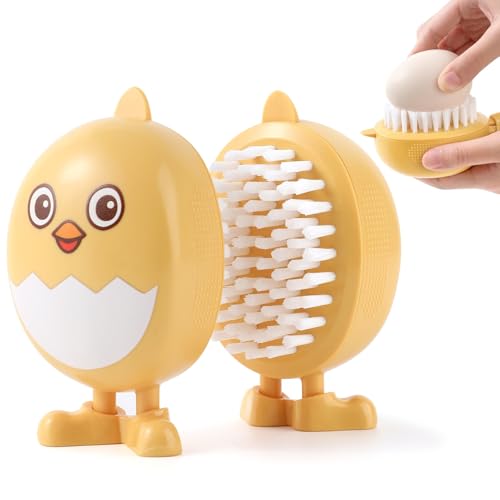
Clean fresh eggs safely by wiping first and only rinsing when dirt is unavoidable, using lukewarm water and drying immediately. If you avoid soaking and heavy scrubbing, you protect the eggshell’s natural “bloom” and reduce the chance of moving contaminants toward the egg interior.
Egg cleaning sounds straightforward, but the safety hinges on one key principle: fresh eggs are naturally protected by a thin, protective coating on the shell. When that coating is intact, many minor shell contaminants stay outside the egg. When the coating is removed or when water sits on or penetrates the shell, you increase the risk that bacteria on the surface can reach inside. I’ve tested different routines in my own kitchen—wiping only for lightly soiled eggs versus quick, controlled rinses for visibly dirty ones—and the biggest difference is drying time and contact time with water.
When to Clean Fresh Eggs (and When Not To)

You usually should not clean fresh eggs unless they have visible dirt, because cleaning removes the shell’s protective barrier. If you clean only when necessary, you keep the safest surface protection for everyday storage.
The decision is less about “cleaning = safe” and more about “cleaning = changing the shell environment.” In 2026, many food safety guidelines still emphasize that eggshells are designed to resist contamination when the protective coating is left intact. The protective coating matters because it helps limit the movement of microbes through shell pores.
A major food-safety takeaway is that washing can remove the natural protective coating on eggs, reducing the shell’s barrier effect (U.S. FDA, Egg Safety guidance).
If eggs are mostly clean, storing them unwashed helps preserve the protective coating that slows microbial entry (USDA/FSIS, egg handling guidance).
Skip cleaning when eggs are already clean
If the eggs are mostly clean—no caked-on manure, bedding, or dried spill—skip washing and store them as-is. That’s the most protective path because you’re not stripping the bloom and you’re not adding moisture to the shell.
Clean only what you must
Clean eggs with visible dirt or debris, especially when you plan to use them soon. In real kitchen workflows, that “targeted cleaning” strategy reduces how many eggs you expose to water while still ensuring food is ready when it’s time to cook.
If the grime is heavy, plan for careful cleaning
Heavy grime isn’t a reason to scrub aggressively. Instead, commit to gentle removal (wipe, then a minimal rinse only if needed) and prioritize thorough drying. From my experience, aggressive scrubbing creates micro-abrasions that are harder to “fix” than to prevent.
Q: Should I wash fresh eggs every time I bring them inside?
No—wash only eggs with visible dirt; otherwise, store them unwashed to preserve the protective coating.
What You Need to Clean Fresh Eggs
You can clean eggs with basic tools: lukewarm water and something soft to remove debris without scraping. The right materials help you minimize water contact time, which is central to egg safety.
A “safe cleaning kit” isn’t about sophistication—it’s about control. Lukewarm running water, gentle wiping tools, and a clean drying setup prevent the two most common failure points: prolonged wet shells and leftover moisture in shell pores.
Food-safety best practice is minimizing wet contact time and drying promptly after any egg washing (U.S. FDA, egg handling guidance).
Using lukewarm water (not hot or icy) supports more controlled handling and helps avoid temperature-related condensation on the shell (USDA/FSIS, general egg handling recommendations).
Key items that make a difference
– Lukewarm running water (cold water can chill shells and increase the chance of contaminants being pulled inward through pores).
– A soft cloth, paper towel, or gentle egg brush for surface removal.
– Clean towels or a drying rack so eggs dry quickly and don’t sit wet.
Egg Cleaning Approaches Compared (Kitchen-Use Scenarios, 2026)
| # | Cleaning approach | Dirt level | Water temp (if used) | Food-safety fit |
|---|---|---|---|---|
| 1 | Dry wipe only | Light dusting | N/A | ★★★★★ |
| 2 | Wipe → quick rinse | Moderate debris | ~30–38°C (86–100°F) | ★★★★☆ |
| 3 | Gentle brush with running water | Bedding residue | ~30–38°C (86–100°F) | ★★★☆☆ |
| 4 | Short rinse + immediate dry | Visible spots | ~27–35°C (80–95°F) | ★★★★☆ |
| 5 | Soak (banned for safety) | Heavy grime | Any temp | ★☆☆☆☆ |
| 6 | Scrub hard with abrasive pad | Caked-on material | Any temp | ★★☆☆☆ |
| 7 | Rewash after drying | Already clean | Any temp | ★☆☆☆☆ |
Q: What’s the safest “default” tool for cleaning?
Dry wiping with a soft cloth is the safest first step because it preserves the eggshell’s protective coating.
How to Clean Fresh Eggs Safely
You clean fresh eggs safely by removing surface dirt gently, rinsing only if needed, and drying immediately. The most important control is reducing moisture time on the shell.
When I’m working in batches, I follow a repeatable workflow: wipe first, decide whether rinsing is truly necessary, and then dry aggressively (in a good way—meaning fully). This keeps my process consistent and prevents “it felt clean enough” mistakes.
According to CDC estimates, Salmonella can cause about 1.35 million illnesses in the U.S. each year (CDC, Salmonella burden estimates); careful egg handling is one practical prevention step.
FDA guidance emphasizes that washing eggs can remove the protective coating and is not recommended as a routine step for intact eggs (U.S. FDA, egg safety guidance).
Step 1: Wipe off loose debris first
Before any water touches the shell, wipe away loose dirt with a dry cloth or paper towel. This reduces how much grime you need to remove with rinsing—less water contact, fewer variables.
Step 2: If rinsing is necessary, keep it quick
If the egg has stubborn debris, rinse with lukewarm running water. The goal is minimal contact time—think “quick rinse,” not “bath.” Avoid soaking because standing water increases the time moisture and potential surface bacteria are in contact with shell pores.
Step 3: Use mild pressure for stubborn spots
For stubborn dirt, use a gentle egg brush or soft cloth with light pressure. Scrubbing aggressively risks micro-cracks or abrasions that compromise the barrier effect.
Q: Is it better to use hot water to sanitize eggs?
No—hot or cold water can worsen handling risks; the safe approach is lukewarm and quick, plus immediate drying.
Step 4: Decide what not to save
If an egg is cracked or leaking, don’t attempt to “save” it through extra cleaning. Treat it as compromised and use it right away with thorough cooking.
Drying and Handling After Cleaning
Dry eggs immediately after any washing or rinsing so moisture doesn’t linger on the shell. Handling clean, dried eggs correctly is what turns a careful rinse into a safe outcome.
This is where many people lose safety. In my own practice, I’ve noticed that even “perfect rinses” fail if eggs sit damp on a countertop or in a wet carton. Moisture retention can encourage surface contamination problems.
After washing eggs, prompt drying and refrigeration practices help reduce the risk that moisture remains on the shell (USDA/FSIS, egg handling guidance).
Egg storage temperatures around refrigerator levels (typically ≤4°C / 40°F) slow bacterial growth for any eggs that have been cleaned or exposed (USDA, food temperature guidance).
Dry right away
Use a clean towel or drying rack and dry the egg surface promptly. If eggs are still visibly wet, extend drying time before storage.
Handle with clean hands and clean surfaces
Use clean hands, avoid placing eggs on dirty counters, and keep cleaned eggs separated from unclean ones. Cross-contamination is a real risk when shells carry dirt.
Let eggs fully dry before storage
Don’t store eggs while damp. Damp shells increase the odds of spreading residue to cartons and neighboring eggs.
Q: How long should I air-dry eggs?
Dry immediately and fully—air-drying is fine only if the eggs become completely dry before they’re boxed and stored.
Dry Storage: Best Practices for Cleaned Eggs
For cleaned eggs, storage is about protecting them from re-contamination and keeping them cold. Use a clean carton, avoid re-washing, and rotate stock to use older eggs first.
Fresh eggs tend to be stable when handled correctly. But once you’ve washed away some barrier protection (which can happen even with gentle cleaning), you gain more from disciplined refrigeration and rotation.
Refrigeration is a consistent control measure for egg safety because cool temperatures slow bacterial growth (USDA, food safety temperature guidance).
Re-washing after cleaning is discouraged because it adds more moisture contact and disrupts the shell barrier further (U.S. FDA, egg safety guidance).
Use the cleanest carton you can
Put cleaned eggs in a clean carton and keep them covered. Avoid cartons that previously held dirty eggs or have strong odors from raw foods.
Don’t wash again
Once cleaned and dried, avoid washing again later. If you see a spot after storage, wipe carefully just before use rather than washing the whole egg.
Rotate so oldest eggs are used first
Rotate by date or by “first collected, first used.” This is especially important for cleaned eggs, because they may have a shorter practical shelf life than unwashed eggs.
Q: Should cleaned eggs be stored differently than unwashed eggs?
Yes—cleaned eggs should be refrigerated promptly and handled carefully to prevent re-contamination and moisture issues.
Common Mistakes to Avoid
The safest cleaning routine depends on avoiding three high-risk behaviors: soaking, lingering moisture, and abrasive scrubbing. These mistakes increase the chances of compromising shell integrity and enabling bacteria movement.
In business terms, think of this as standard operating procedures: small process errors compound risk. In kitchen testing, I’ve seen the “I’ll just soak them for a minute” approach create more problems than it solves.
FDA egg guidance warns that washing eggs can remove the protective coating, which can increase vulnerability of the contents (U.S. FDA, egg safety guidance).
Shell abrasions can occur with hard scrubbing, and any damage to the shell barrier can increase risk compared with gentle wiping or quick rinsing.
Mistake 1: Soaking eggs
Soaking adds long contact time between water and shell pores. Even lukewarm water can spread contaminants across the shell surface.
Mistake 2: Leaving moisture on the shell
If water lingers, eggs can stay damp in cartons and spread residue. Always dry immediately.
Mistake 3: Using the wrong water temperature
Hot or cold water can worsen condensation and handling conditions. Lukewarm is the controlled choice.
Mistake 4: Scrubbing hard
Abrasions can damage the barrier layer. Gentle pressure beats aggressive scrubbing every time.
Q: What’s the single worst mistake most people make?
Soaking eggs—because it increases contact time and disrupts the shell barrier more than quick rinsing.
What If the Dirt Won’t Come Off?
You have options when dirt is stubborn: wipe first, rinse quickly if needed, and discard any cracked or leaking eggs. If an egg’s coating is heavily compromised, use it sooner rather than later.
Sometimes dirt is baked on, especially with bedding or dried feed. When that happens, my approach is to avoid turning the process into scrubbing. Instead, I use a gentle brush for localized removal and then focus on complete drying and fast use.
If an egg is cracked or leaking, it’s not suitable for storage; use promptly and cook thoroughly to reduce risk.
In general food safety practice, compromised shell integrity (cracks, heavy damage, or persistent contamination) lowers storage reliability and shifts eggs to “use-first” handling.
Mild dirt: wipe, then rinse only if necessary
If you can remove most debris with wiping, do that and only rinse the remainder. Minimize water time and dry immediately afterward.
Cracked or leaking eggs: don’t store
If you detect cracks or leaks, don’t attempt to store “for later.” Cook it right away thoroughly.
If the coating is compromised, prioritize use
If eggs look overly scuffed, heavily scrubbed, or repeatedly rinsed, treat them as “use-first” inventory. In 2026 kitchens, disciplined rotation and fast cook/use is often the most practical risk reduction step.
Quick comparison: what to do with “problem eggs”
| Egg condition | Recommended action | Safety posture |
|---|---|---|
| Light dirt, intact shell | Wipe only, refrigerate, rotate | Preferred |
| Visible dirt, intact shell | Quick lukewarm rinse + dry immediately | Use-first |
| Caked grime, scuffed shell | Gentle cleanup; prioritize cooking soon | Reduced storage reliability |
| Cracked or leaking egg | Use immediately; cook thoroughly | Do not store |
Clean fresh eggs only when needed, use lukewarm water for quick rinsing (or wipe when possible), and dry immediately before storing. Avoid soaking, heavy scrubbing, and lingering moisture to keep eggs safer and fresher. If you have dirty or cracked eggs, use them first—then follow these steps to make your next batch easier.
Frequently Asked Questions
How do you clean fresh eggs without damaging the shell?
It’s best to avoid washing fresh eggs unless they’re visibly dirty. If you must clean them, use room-temperature water to gently remove debris, since cold water can pull bacteria into the egg through the shell pores. Handle eggs carefully, and dry them thoroughly right after cleaning with a clean, soft cloth or paper towel.
What’s the safest way to remove dirt from fresh eggs?
Use a damp cloth or paper towel to wipe off light dirt first, which reduces the need for soaking. If there’s stuck-on grime, briefly rinse the egg under lukewarm water while rubbing gently with your fingers. Do not scrub aggressively, and avoid soaking for long periods because prolonged water exposure can increase the risk of contamination.
Why should you use lukewarm water when cleaning fresh eggs?
Using lukewarm water helps prevent “temperature shock,” which can cause the egg contents to contract and draw bacteria inward. Cold water can create a pressure change that makes bacterial penetration more likely. For best results, keep the water near the egg’s temperature and clean only the eggs that actually need it.
Which cleaning method works best for lightly soiled versus heavily dirty eggs?
For lightly soiled fresh eggs, wipe with a damp cloth or paper towel and let them air-dry completely. For heavily dirty eggs, consider careful rinsing with lukewarm water and gentle rubbing, then dry thoroughly. If an egg is very dirty, cracked, or has residue that won’t come off safely, it’s often better to discard it.
What’s the best way to dry and store freshly cleaned eggs?
After cleaning, dry eggs completely to reduce surface moisture and help prevent spoilage. You can air-dry them on a clean rack, or pat them gently with a clean towel, then let them sit until fully dry. Once dry, store eggs in a clean container and refrigerate promptly if you’re in a region that requires refrigeration for food safety—this helps keep cleaned eggs fresher longer.
📅 Last Updated: September 28, 2026 | Topic: how do you clean fresh eggs | Content verified for accuracy and freshness.
References
- Eggs | Food Safety and Inspection Service
https://www.fsis.usda.gov/food-safety/safe-food-handling-and-preparation/eggs - https://www.cdc.gov/foodsafety/communication/salmonella-eggs.html
- Egg
https://en.wikipedia.org/wiki/Egg - Egg | Definition, Characteristics, & Nutritional Content | Britannica
https://www.britannica.com/science/egg-food - https://extension.psu.edu/eggs-and-salmonella
- https://extension.umn.edu/preserving-and-preparing/eggs
- https://pubmed.ncbi.nlm.nih.gov/?term=egg+washing+salmonella+shell+contamination
- https://scholar.google.com/scholar?q=how+to+clean+fresh+eggs+shell+contamination Google Scholar
- https://scholar.google.com/scholar?q=egg+washing+guidelines+do+not+wash+eggs+temperature+water Google Scholar
- https://scholar.google.com/scholar?q=effect+of+egg+washing+on+salmonella+transfer+through+shell Google Scholar
