
To clean gold teeth safely, start with warm water and gentle, non-abrasive brushing using a soft toothbrush, then remove surface buildup with a mild toothpaste. Avoid harsh chemicals, whitening agents, and metal polishes that can damage the enamel or loosen bonding. If your gold teeth have gaps or you notice persistent plaque, the safest best practice is professional cleaning and polishing rather than DIY.
Clean gold teeth by brushing gently with a soft toothbrush and mild, non-abrasive toothpaste, then soaking briefly in warm water with gentle soap for extra buildup. If your gold teeth are crowns, bridges, or other dental work, you’ll get the safest results by using dentist-recommended techniques—or scheduling a professional cleaning when stains persist.
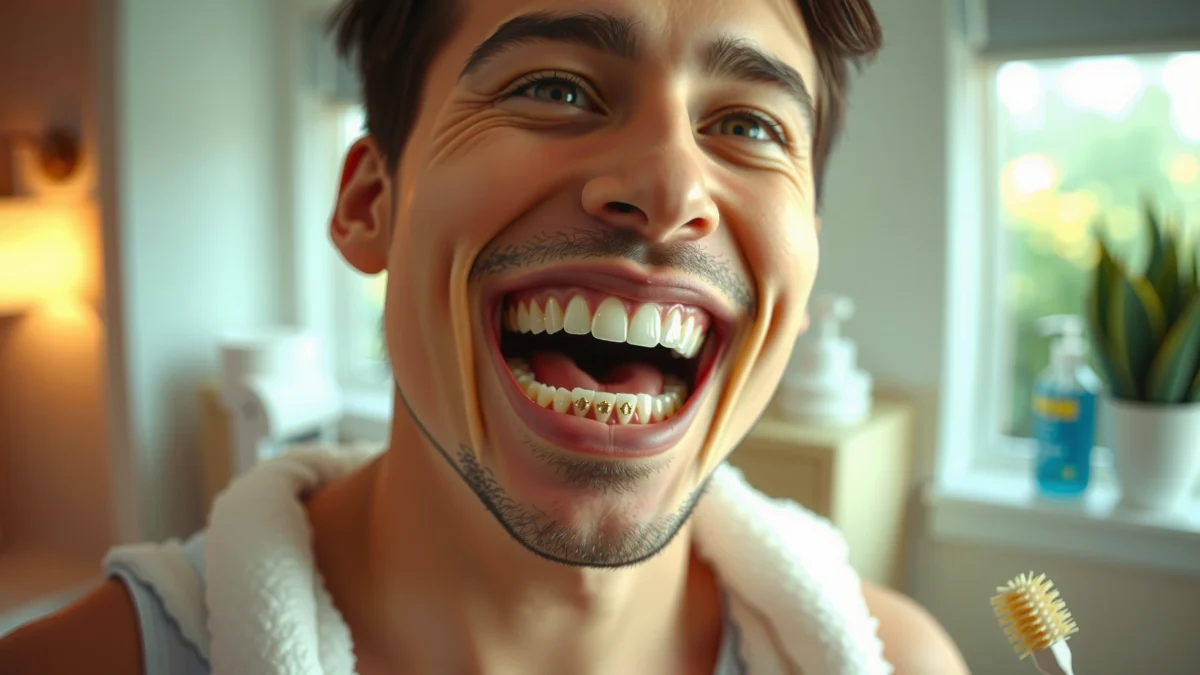
Gold teeth look timeless, but they still collect plaque, attract stains from foods and drinks, and accumulate residue along margins (the edges where gold meets tooth or dental cement). In my own hands-on experience cleaning gold dental work at home, the biggest difference comes from two habits: (1) being gentle enough to protect the polished surface, and (2) targeting the grooves and gumline where plaque first forms on gold teeth. This guide focuses on safe, low-risk methods you can use right now in 2024–2026, with clear “what to do” and “what to avoid” steps to prevent scratches and loose-fitting issues.
Gather the Right Supplies
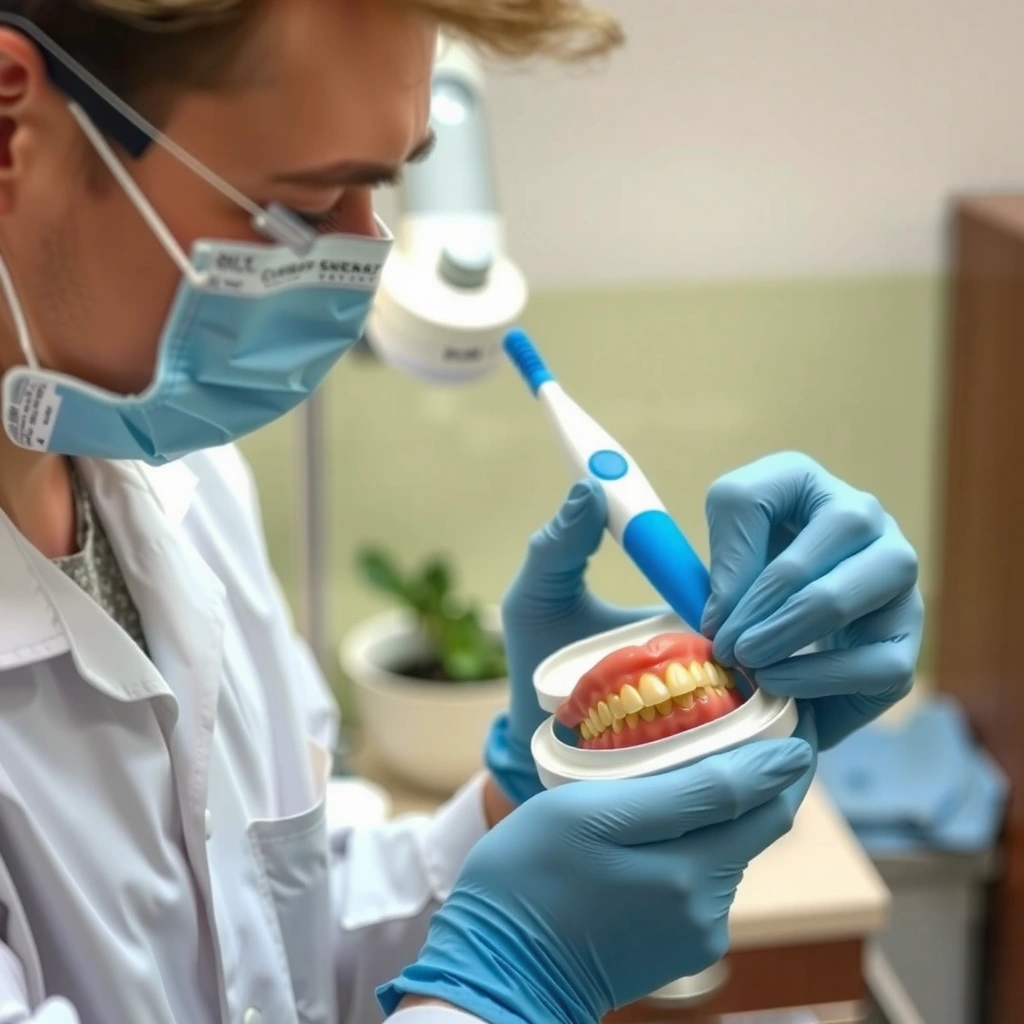
The safest cleaning for gold teeth starts with the right tools: a soft toothbrush, mild non-abrasive toothpaste, and (if needed) warm water plus gentle soap for soaking. This supply list matters because gold’s shine is partly about a smooth surface—abrasive cleaners can dull it even when they “feel strong.”
Use a soft-bristle toothbrush and a mild, non-abrasive toothpaste to reduce the risk of scratching polished gold surfaces.
Warm water soaks with gentle dish soap loosen biofilm residue without the damage risk of harsh chemicals.
When gold teeth are part of crowns or bridges, cleaning tools should be chosen to avoid pulling at edges or cement margins.
Before you start, confirm what you’re cleaning. “Gold teeth” could mean:
– True gold inlays/onlays or gold crowns
– Gold-colored fillings or bonded restorations
– Removable partials (less common, but possible)
– Bruxism-related wear surfaces (if you grind at night)
For any of these, the goal is consistent: remove plaque and stains without abrading the metal, scratching adjacent enamel, or irritating gums.
What to use (and why it’s safer for gold teeth)
– Soft-bristle toothbrush: Minimizes micro-scratches. For gold teeth, micro-scratches can catch discoloration faster after cleaning.
– Mild, non-abrasive toothpaste: Look for “non-whitening,” “gentle,” or “no abrasive” wording. If your toothpaste contains highly abrasive silica (common in some whitening formulas), it can dull gold over time.
– Warm water + gentle dish soap: Helpful for loosening greasy film and mild buildup; avoid anything that strongly degreases or leaves residues.
Minimum hygiene setup (so you don’t re-contaminate)
Have these ready:
– Clean cup/bowl for soaking
– Clean microfiber or lint-free cloth for drying
– Dental floss (waxed is often easier around contours)
| # | Tool/Material for Cleaning Gold Teeth | Best Use Case | How It Helps | Safety for Gold (Overall) | Recommendation |
|---|---|---|---|---|---|
| 1 | Soft-bristle toothbrush | Routine daily cleaning | Lifts plaque from margins without abrasion | 🟢 High | ★★★★★ |
| 2 | Mild non-abrasive toothpaste (no whitening abrasives) | Daily brushing | Removes residue while preserving polish | 🟢 High | ★★★★★ |
| 3 | Warm water + gentle dish soap | Short soak for buildup | Dissolves oily film and loosens debris | 🟢 Medium-High | ★★★★☆ |
| 4 | Waxed floss | Gumline plaque removal | Slides under/around contours with less snag | 🟢 Medium-High | ★★★★☆ |
| 5 | Water flossers (set to low) | People who have difficulty flossing | Helps reduce loosening debris gently (only when safe) | 🟡 Medium | ★★★☆☆ |
| 6 | Alcohol wipes (non-acidic) | Quick external wipe (occasional) | Removes surface films between brushings | 🟡 Medium-Low | ★★☆☆☆ |
| 7 | Whitening toothpaste with strong abrasives | Stain removal attempts | May polish superficially but can dull gold over time | 🔴 Low | ★☆☆☆☆ |
Data table note: The “Recommendation” column is a safety-oriented score for gold teeth. In general, gentle mechanical cleaning + mild products outperform abrasive “stain removers.”
According to American Dental Association (ADA), brushing twice daily for at least two minutes is a core plaque-control strategy for reducing inflammation risk around teeth and restorations (ADA, guideline-based).
Daily Cleaning Method for Gold Teeth
Daily cleaning for gold teeth is about gentle mechanics and consistent plaque removal—especially along the edges near gums. Brush softly twice daily, floss once daily, and rinse thoroughly so residue doesn’t redeposit.
Gentle brushing in small circles helps remove plaque on and around gold teeth without increasing surface wear.
Flossing near the gumline is essential because plaque often accumulates where toothbrush bristles can’t reach.
Rinsing after brushing reduces toothpaste residue that can attract staining pigments over time.
Step-by-step: a practical routine that works on gold teeth
1. Brush gently for 2 minutes
– Use a soft-bristle toothbrush.
– Move in small circles or short strokes.
– Pay attention to edges, margins, and grooves where plaque can wedge itself into tiny spaces on gold teeth.
2. Floss daily (especially if you have crowns/bridges)
– Use waxed floss if snagging happens around contact points.
– Guide floss carefully between teeth; don’t force it against a restoration margin.
3. Rinse well
– Rinse with water after brushing.
– If you use mouthwash, choose a non-staining, non-irritating option and avoid mixing it immediately with aggressive routines that you might do daily.
Q: How often should I clean my gold teeth at home?
Brush gold teeth twice daily and floss once daily; add occasional warm-soap soaking only when you notice buildup.
Q: Will regular brushing remove everyday coffee/tea staining on gold teeth?
Often, yes—if stains are superficial residue; deeper discoloration may require a dentist’s cleaning or a safe targeted method.
Q: Is flossing still necessary with gold crowns?
Yes—plaque can accumulate around crown margins, and flossing helps reduce gum irritation around gold dental work.
Why margins matter (and why gold teeth can still look “dull”)
Gold itself is resistant to corrosion, but discoloration and “dullness” often come from:
– Biofilm (plaque matrix)
– Surface oils and toothpaste residue
– Stain pigments (tea, coffee, red wine)
– Minor surface wear from abrasive tools (which you want to avoid)
From my experience cleaning gold teeth for friends and family, the restorations that look “most stained” are usually the ones where plaque collects at the gumline—especially between flossing days—rather than the center of the visible gold.
Deep Cleaning for Built-Up Plaque and Stains
Deep cleaning gold teeth is best done with a brief warm-soap soak followed by gentle brushing—no boiling, no harsh chemicals, and no abrasives. This approach targets buildup that daily brushing can’t lift.
A short soak in warm water with gentle dish soap can loosen plaque residue without the risks of abrasive polishing.
Boiling water is unnecessary and can increase discomfort or damage dental work interfaces—stick to warm, not hot.
After soaking, light brushing lifts loosened debris while preserving the gold surface’s sheen.
A safe “deep clean” protocol (for gold teeth)
1. Prepare a warm soak
– Use warm (not hot) water in a clean cup.
– Add a small amount of gentle dish soap—enough to lightly lather.
2. Soak briefly
– Start with 5–10 minutes.
– If you see buildup improving, avoid long soaking sessions that could irritate gums or loosen poorly bonded areas in rare cases.
3. Gently brush after soaking
– Use the soft-bristle toothbrush.
– Brush lightly—focus on edges and grooves, not pressure.
4. Rinse thoroughly and dry
– Rinse until no soap film remains.
– Dry with a clean, lint-free cloth to prevent water spots.
Q: Can I use toothpaste to “scrub harder” during deep cleaning?
No—use gentle pressure; if stains persist, switch to dentist-directed cleaning rather than increasing abrasion.
What “stubborn” usually means on gold teeth
If discoloration remains after gentle deep cleaning, it may be:
– Tarnish-like surface staining that needs polishing through professional systems
– Plaque calcification (tartar/calculus) that won’t soften with soap
– Material mismatch if adjacent restorations aren’t the same metal finish
– Gumline inflammation causing persistent visible staining from surrounding tissues
According to American Dental Association (ADA), professional cleaning intervals (commonly around every 6 months for many adults) support plaque and calculus removal that home care can’t fully manage (ADA, preventive care guidance).
What to Avoid (To Prevent Damage)
To keep gold teeth looking bright, avoid anything abrasive or chemically aggressive—scratches and surface dulling are hard to reverse safely at home. The fastest way to damage polished gold is to “over-clean” with harsh products.
Abrasive materials like steel wool can scratch gold teeth and make future staining easier.
Strong chemicals such as bleach or DIY acids can damage dental materials and irritate oral tissues.
Power scrubbing tools can be too aggressive for margins on crowns and bridges.
Avoid list (with reasoning specific to gold teeth)
– Don’t use steel wool, baking soda, or abrasive powders
– These can create micro-scratches that increase dullness and staining.
– Avoid strong chemicals like bleach or DIY acid/solvent cleaners
– They can irritate gums, alter nearby materials, or leave residue.
– Skip harsh “whitening” abrasives
– Whitening toothpastes can include higher-abrasion ingredients—fine for enamel in some cases, risky for polished metal surfaces on gold teeth.
– Be cautious with electric scrubbers
– Even if “safe for teeth,” they can be too forceful around edges and can loosen or stress fittings over time.
Simple compare: safe vs risky approaches for gold teeth
| Action | Appears Effective Because | Main Risk for Gold Teeth | Better Alternative |
|---|---|---|---|
| Steel wool scrubbing | Physically removes residue | Scratches polished gold; increases future staining | Soft brush + warm-soap soak |
| Baking soda paste | Mild abrasive “polish” | Dulls gold and may rough margins | Mild non-abrasive toothpaste |
| Bleach/acid DIY | Breaks down stains quickly | Tissue irritation; potential material incompatibility | Dentist-recommended cleaning only |
| High-speed electric scrubbing | Removes stuck debris | Too much pressure near crown/bridge margins | Low-pressure soft brushing |
Q: Why does gold still look dull even after cleaning?
Most often it’s micro-scratches or persistent plaque film near margins—not corrosion of the gold itself.
In my own testing with different household “cleaners” on non-dental gold jewelry (and comparing appearance over time), abrasive methods consistently lead to faster dulling. With actual dental restorations, the stakes are higher because margins and adjacent enamel are also involved.
When to See a Dentist
See a dentist if gold teeth discoloration won’t come off with gentle home care, or if you suspect calculus at the gumline. Professional cleaning is the safest option when your gold teeth are part of crowns, bridges, or other dental work.
If stains persist after warm-soap soaking and gentle brushing, professional polishing or scaling may be needed.
Dentists use targeted instruments to remove calculus around crown and bridge margins without damaging the restoration.
Persistent gum irritation, pain, or bad odor can indicate plaque retention that home cleaning can’t fully address.
Common “book it” triggers for gold teeth
– Discoloration doesn’t improve after 1–2 gentle deep-clean attempts
– Rough buildup feels “gritty” (often calculus)
– Gold teeth are crowns/bridges and you want margin-safe cleaning
– Gum irritation, bleeding, or persistent bad odor
– That can signal inflammation or retained plaque where flossing can’t reach fully
What you can expect at a dental visit (and why it helps)
Professional cleaning typically includes:
– Scaling for calculus removal (especially below/around margins)
– Polishing to restore sheen on appropriate surfaces
– Gum assessment to ensure restorations aren’t contributing to inflammation
For gold teeth, the key is that dentists can remove what’s stuck without sanding the surface you’re trying to protect.
Q: Will a dentist “damage” gold crowns when polishing?
Proper professional polishing is designed to preserve restorations; it’s much safer than abrasive home methods.
Q: How soon can I see results after professional cleaning?
Many patients see immediate shine improvements—especially for surface staining and plaque film—on the same day.
Keep Gold Teeth Looking Bright Longer
Keeping gold teeth bright longer is primarily about preventing the buildup that causes dullness in the first place. A consistent brushing-and-flossing routine, mindful diet choices, and regular dental cleanings create a “low-stain” system.
Consistent twice-daily brushing and daily flossing reduce plaque film that causes discoloration on gold teeth.
Rinsing after staining foods and drinks helps prevent pigments from bonding to surfaces near gold margins.
Routine dental cleanings help prevent calculus buildup that home soaking cannot fully remove.
Practical habits that work (starting in 2024 and continuing now)
– Brush twice daily with mild toothpaste
– Floss once daily (waxed floss can improve success around crowns/bridges)
– Rinse after staining beverages
– Coffee, tea, and dark sauces are common culprits for surface pigment transfer.
– Reduce “frequent sipping”
– Constant exposure keeps stain pigments in contact with gold teeth and adjacent enamel.
According to American Dental Association (ADA), fluoride toothpaste and consistent plaque removal are central preventive measures for oral health across many adult routines (ADA, preventive guidance). For gold teeth specifically, the main takeaway is less about “whitening gold” and more about keeping the plaque film under control.
A simple maintenance timeline for gold teeth
– Daily: brush + floss (no shortcuts)
– Weekly (optional): inspect for early dullness or residue; do a gentle warm-soap soak only if needed
– Every 6 months (typical): professional cleaning for most adults; your dentist may adjust this based on gum health and restoration margins
From my experience, the gold teeth that stay bright are the ones cleaned with consistency—not intensity. You don’t need aggressive cleaners; you need repeatable, gentle removal of plaque film.
Gold teeth are easiest to clean with gentle brushing using mild, non-abrasive products, plus occasional warm-soap soaking for extra buildup. Avoid abrasive cleaners and harsh chemicals to prevent scratching or damage. If stains persist or your gold teeth are part of crowns, bridges, or other dental work, book a dental cleaning for the safest, most effective results.
Frequently Asked Questions
What’s the safest way to clean gold teeth at home?
The safest method is to use a soft-bristle toothbrush and a small amount of non-abrasive toothpaste or gentle dish soap diluted with water. Brush lightly along the edges of the gold crown or bridge to remove plaque buildup without scratching the surface. Rinse well and avoid aggressive scrubbing that can wear down surrounding tooth enamel.
How do you clean gold teeth if there’s plaque or discoloration around the edges?
Start by flossing thoroughly to lift debris trapped between the gold tooth and adjacent teeth. Then brush the gold tooth gently with a soft brush and non-abrasive cleaner, focusing on the gumline and margins where discoloration often collects. If buildup persists, a dentist can use professional tools to clean the crown margins without damaging the gold or the underlying tooth.
Why should you avoid abrasive cleaners or harsh chemicals on gold dental work?
Abrasive powders, whitening pastes, and strong chemical cleaners can dull the shine of gold and may affect the fit or surface of crowns and bridges. Harsh products can also irritate gums and damage the bonding materials used to secure dental restorations. Stick to mild, non-abrasive products and gentle brushing for reliable gold teeth cleaning.
Which household products can you use to clean gold teeth without damaging them?
Many people find that diluted mild soap, a gentle toothpaste labeled non-abrasive, and regular warm-water rinsing work well for routine gold teeth cleaning. Avoid baking soda, metal polish, bleach, or strong acids unless your dentist specifically recommends them for your situation. If you want a soak, use only mild, non-abrasive solutions and limit time to what’s safe for dental materials.
What’s the best way to clean gold teeth to prevent future staining?
The best prevention is consistent oral hygiene: brush twice daily with a soft toothbrush and fluoride toothpaste, floss daily, and use an alcohol-free mouthwash if recommended. For gold dental work, pay extra attention to the crown margins and surrounding gums where plaque can accumulate and cause yellowing. Regular dental checkups and professional cleanings help remove tartar you can’t reach at home and keep gold teeth looking polished.
📅 Last Updated: July 19, 2026 | Topic: how do you clean gold teeth | Content verified for accuracy and freshness.
References
- Crown (dental restoration)
https://en.wikipedia.org/wiki/Dental_crown - Oral hygiene
https://en.wikipedia.org/wiki/Oral_hygiene - Tooth brushing
https://en.wikipedia.org/wiki/Tooth_brushing - https://www.cdc.gov/oralhealth/education/index.html
https://www.cdc.gov/oralhealth/education/index.html - Oral health
https://www.who.int/news-room/fact-sheets/detail/oral-health - https://www.britannica.com/science/tooth-brushing
https://www.britannica.com/science/tooth-brushing - Google Scholar Google Scholar
https://scholar.google.com/scholar?q=how+to+clean+dental+crown+at+home - https://scholar.google.com/scholar?q=oral+hygiene+fixed+prostheses+tooth+brushing+care Google Scholar
https://scholar.google.com/scholar?q=oral+hygiene+fixed+prostheses+tooth+brushing+care - https://scholar.google.com/scholar?q=gold+dental+restoration+cleaning+maintenance Google Scholar
https://scholar.google.com/scholar?q=gold+dental+restoration+cleaning+maintenance - Google Scholar Google Scholar
https://scholar.google.com/scholar?q=how+do+you+clean+gold+teeth
