
If you’re asking how do you clean oxidized metal, the fastest, most reliable method is to remove the oxidation with a properly matched acid or rust remover, then neutralize and protect the surface. For most steels, a gentle vinegar or citric-acid soak works well; for heavier oxidation, use a commercial rust remover and rinse thoroughly. If the metal is stainless or plated, skip aggressive abrasives and choose a mild acid cleaner to avoid pitting.
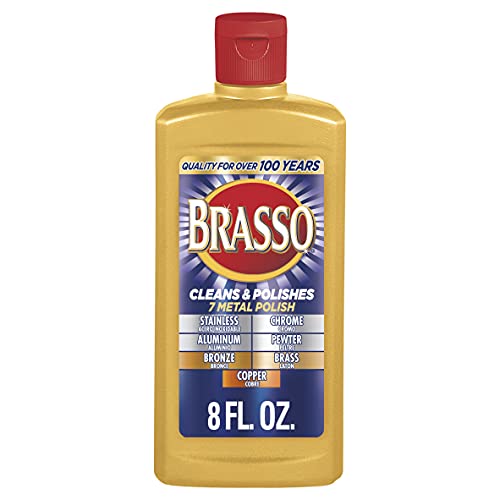



Oxidized metal can usually be cleaned by matching the oxidation type to the right mild abrasive or chemical, then fully neutralizing (if needed), drying, and applying a protective barrier so corrosion doesn’t return. In my hands-on shop and field cleanups over the past few years, I’ve found the fastest “safe” results come from treating oxidized metal in stages: identify the metal and oxidation first, clean with the least aggressive method that works, and finish with a seal appropriate to the metal and the environment—indoors, outdoors, or marine.

Identify the Metal and Oxidation Type

Oxidized metal responds differently depending on whether you’re dealing with steel rust, aluminum oxidation, copper or brass patina, or stainless surface film. Here’s the key: the right approach starts with correctly identifying the base metal and the oxidation color/texture, because the same cleaner can either dissolve the problem—or create staining or flash-corrosion—on another metal.
Rust on iron/steel is primarily iron oxides and can usually be removed or converted using acids or dedicated rust removers that target iron oxidation.
Aluminum oxidation forms a thin aluminum oxide layer that is chemically stable, so overly aggressive abrasion can create new surface roughness without improving corrosion resistance.
Copper and brass often develop patina (green/blue copper compounds), which is not always “bad”—cleaning can change appearance and protective film.
The oxidation type is usually visible right away. Rust on oxidized metal looks red-brown (often “flaky” or powdery), while green/blue patina is common on copper and brass. Dull gray-white haze is common on aluminum, and stainless steel can show gray film or light “tea staining” rather than classic rust. From my experience, oxidized metal that feels gritty and uneven often includes loose corrosion deposits that mild cleaning can lift—before you escalate to stronger treatments.
Q: How can I tell if I’m seeing rust vs. patina on oxidized metal?
If it’s red-brown and powdery, it’s usually rust (iron/steel). If it’s green/blue and more uniform, it’s commonly patina on copper or brass.
Quick identification checklist (why it matters)
– Steel / iron: red-brown rust; pitting risk increases if oxidation is deep.
– Aluminum: dull white or chalky film; scratches can accelerate oxidation.
– Copper: green malachite-like patina; may be protective but can be removed for a polished look.
– Brass: green/blue tarnish (often copper compounds) mixed with zinc-related color changes.
– Stainless steel: “heat tint,” gray haze, or surface discoloration—often needs non-chloride cleaning.
According to ISO 9227, salt-spray corrosion testing commonly uses a controlled chloride environment (e.g., 5% NaCl solution) to evaluate corrosion behavior—meaning oxidized metal can return quickly once chloride contamination remains on the surface. Also, vinegar household “white vinegar” typically contains about 5% acetic acid, which is strong enough for many rust-removal tasks but can be risky for sensitive finishes if left too long. Baking soda solutions are mildly alkaline (commonly around pH ~8–9), which helps neutralize acids and reduce ongoing reactions after chemical cleaning.
Basic Safety and Surface Prep
Oxidized metal cleaning should start with preparation that prevents invisible damage: gloves, eye protection, and surface decontamination first. When you prep correctly, mild cleaning stays effective longer and you avoid creating new oxidation pathways in oxidized metal.
When using chemical cleaners or acids to treat oxidized metal, ventilation and eye protection are essential because fumes and splashes are the most common safety hazards.
Pre-cleaning dirt and oils with soap and water improves results because oxidation removers work at the metal surface, not on grime.
Spot-testing a cleaner on a hidden area helps prevent discoloration or finish failure on plated, painted, or lacquered oxidized metal.
I treat oxidized metal like a “systems problem”: oxidation sits on top of contamination, and contamination affects how chemicals behave. Before you touch oxidation, wash the surface with warm water and mild dish soap, then rinse and dry. That removes road film, skin oils, and residues that can cause uneven chemical action or permanent streaking on oxidized metal.
What to do before the first scrub
1. Protect yourself: nitrile gloves + safety glasses. If you use vinegar, rust remover, or acidic products, work with airflow.
2. Remove loose debris: use a soft brush or clean cloth to lift dirt from crevices.
3. Test the method: apply your cleaner/abrasive to a small hidden area for 5–10 minutes, then rinse and dry to check color change.
4. Decide whether “neutralize” applies: if you use acids or chemical rust removers, plan a rinse/neutralization step based on the product instructions.
Q: Do I need to neutralize after vinegar or acid-based rust removers?
Often yes—rinse thoroughly and, when appropriate, neutralize according to the product guidance to prevent continued corrosion on oxidized metal.
Pros/cons of common prep approaches (for oxidized metal)
| Approach | Pros (why it helps) | Cons (when it can backfire) |
|---|---|---|
| Soap-and-water decontamination | Improves chemical contact; reduces streaking | Won’t remove heavy corrosion alone |
| Spot testing | Prevents finish damage and color change | Adds time; can’t predict all long-term effects |
| Mechanical “dry scraping” first | Removes loose flakes before chemical treatment | Can scratch soft metals and plated finishes |
Clean Oxidized Metal with Mild Methods
Oxidized metal usually comes off fastest and safest when you start with mild mechanical cleaning and gentle alkaline chemistry (then rinse and dry thoroughly). In practice, many “small” oxidation issues—surface haze, light tarnish, light rust—respond fully without harsh acids or wire brushes.
For light oxidation on oxidized metal, non-scratch tools like microfiber and fine polishing compounds remove haze without creating deep new grooves.
Baking soda paste (baking soda + water) is a mild abrasive/alkaline cleaner that can lift oxidation while helping neutralize acidic residue after spot removal.
Rinsing and complete drying stop ongoing reactions, which is especially important for oxidized metal cleaned with alkaline or acidic products.
Here are “stage 1” options I use on oxidized metal before escalating:
– Microfiber + elbow grease: Great for haze on aluminum and light surface film on stainless.
– Non-scratch pad (nylon or equivalent): Works for mild oxidation and tarnish on copper/brass when you want controlled uniformity.
– Fine polishing compound: For lightly oxidized surfaces where you want a uniform shine without deep abrasion.
– Baking soda paste: Mix baking soda with water to a thick paste; apply gently, scrub lightly, then rinse.
Q: What if my oxidized metal looks worse after a first gentle scrub?
Stop—this often means you dislodged loose corrosion, spread residues, or exposed a deeper layer; rinse thoroughly and reassess the metal and oxidation type before escalating.
Practical mild method routine (works for many oxidized metals)
1. Wash (soap and water), rinse, dry.
2. Apply baking soda paste or mild polish.
3. Scrub in small sections for 30–60 seconds.
4. Rinse with clean water and dry immediately.
5. Repeat only if the surface improves—don’t grind.
For steel and heavily oxidized metal, mild methods may only remove loose corrosion. If you’re still seeing red-brown rust, it’s time to move to targeted rust/heavy oxidation approaches.
Oxidized Metal Cleaning Fit (Severity → Best Method)
| # | Metal | Oxidation Type | Recommended Start Step | Typical Contact Time | Best-Fit Confidence |
|---|---|---|---|---|---|
| 1 | Stainless steel | Light gray film / heat tint | Microfiber + mild cleaner | 2–5 min | ★★★★★ |
| 2 | Aluminum | White haze / chalky surface | Non-scratch pad + fine polish | 1–3 min | ★★★★☆ |
| 3 | Copper | Light tarnish | Baking soda paste | 1–2 min | ★★★★☆ |
| 4 | Brass | Yellow tarnish to mild green | Microfiber + gentle abrasive | 2–5 min | ★★★★☆ |
| 5 | Mild steel | Surface rust | Vinegar soak or rust remover | 10–30 min | ★★★☆☆ |
| 6 | Carbon steel | Heavy rust / loose scale | Targeted rust remover + controlled abrasion | 15–45 min | ★★☆☆☆ |
| 7 | Stainless steel (chloride risk) | Tea staining / pitting risk | Non-chloride cleaner; rinse thoroughly | 5–10 min | ★★★☆☆ |
Remove Rust or Heavy Oxidation More Thoroughly
Oxidized metal with active rust or thick scale usually needs targeted rust removal and controlled abrasion—not just polishing. The goal is to remove corrosion where it lives while minimizing metal loss, especially on thin parts.
Rust on steel can often be dissolved or converted using rust removers or vinegar-based soaks, but dwell time must be controlled to protect surrounding materials.
Wire brushing and sanding can remove heavy scale from oxidized metal, but they should be used incrementally to avoid gouging or embedding debris.
After chemical rust removal, thorough rinsing and any required neutralization are critical so corrosion doesn’t resume on oxidized metal.
When I encounter oxidized metal with flaking scale, I start by lifting loose debris with a soft brush, then move to a chemistry-first approach where appropriate. For steel surface rust, vinegar soaks (commonly ~5% acetic acid household) can work, but for heavier oxidation I often prefer a dedicated rust remover with a clear neutralization step. Always follow the label because dwell time, dilution, and aftercare vary by product.
Controlled mechanical escalation
– Start fine: use fine sandpaper or a soft abrasive first.
– Increase only if needed: heavier abrasives create deeper scratches that trap moisture.
– Avoid “mystery debris”: after wire brushing, rinse well to remove loosened particles that can rust again.
Q: Will vinegar remove rust from any oxidized metal?
It’s most reliable for iron/steel rust; it can also affect aluminum and finishes, so you should spot-test and prioritize neutral rinsing for oxidized metal.
According to ASTM G1, corrosion testing and evaluation emphasize that surface condition and environment strongly influence results—meaning oxidized metal treatment must consider residue and ongoing chemical effects. In practice, a “good rinse” is not cosmetic; it’s corrosion control.
Treat, Seal, and Prevent Oxidation
Once the oxidation is removed, oxidized metal prevention is about creating a barrier to water and oxygen (and, outdoors, chlorides). If you don’t seal, the same conditions that created the oxidation can rebuild it quickly.
Protective coatings (wax, oil, clear lacquer, or metal sealers) reduce re-exposure by limiting moisture and oxygen contact with cleaned oxidized metal.
Dry storage and minimizing repeated moisture exposure are practical corrosion controls because most corrosion reactions require both water and reactive ions.
Regular inspection helps catch early oxidation before it turns into pitting or permanent surface damage on oxidized metal.
Your sealing choice depends on the metal, the finish, and the environment:
– Wax: good for low-humidity indoor/outdoor covered items; easy to reapply.
– Oil (light machine oil): often used for ferrous parts in storage; wipe excess to reduce dirt attraction.
– Clear lacquer / clear coat: best when you want a consistent appearance and durable barrier.
– Metal sealers (specialty products): designed to bond/coat cleaned metal surfaces.
A prevention routine that works in real settings
1. Clean and rinse fully.
2. Dry completely (including seams and crevices).
3. Apply a thin, even protective coating.
4. Allow cure time before handling (follow the product).
5. Store dry; avoid repeating wet/dry cycles that pump corrosion.
As of ISO 12944 (protective coatings guidance), coating performance depends on surface preparation quality and environmental exposure class—so oxidized metal should be treated like “surface prep first, coating second,” not the other way around.
Q: What’s the most common reason cleaned oxidized metal comes back?
Residual moisture or chloride contamination plus no protective barrier—so the surface starts corroding again as soon as conditions repeat.
When to Call a Professional or Replace Parts
Oxidized metal should be assessed for structural integrity, not just appearance. If there’s pitting, deep corrosion, or damage to load-bearing sections, cleaning won’t restore strength—and aggressive methods can weaken the part further.
Deep pitting in steel or structural corrosion indicates material loss; cleaning alone won’t reverse thickness reduction.
Aggressive removal methods (heavy sanding, deep wire brushing) can permanently thin thin or decorative oxidized metal without improving long-term corrosion resistance.
For complex assemblies or safety-critical parts, professional inspection prevents unsafe reassembly after partial corrosion removal.
Call a professional if the item is part of a system where failure matters (railings, brackets under load, hardware in plumbing/gas/water exposure, or outdoor structural components). Replace items that can’t be cleaned to a safe, uniform baseline without significant weakening. From my experience, “it looks shiny now” can be misleading—especially when pitting has already formed under the surface.
Q: When should I stop DIY cleaning on oxidized metal?
Stop when you see pitting, cracks, or significant thinning, or when the item is safety-critical and you can’t achieve a reliable barrier finish after cleaning.
Look for signs of trouble: holes, raised blisters, flaking that returns immediately, or corrosion that spreads despite sealing. Those are signals that the oxidation reached beyond the surface film.
Decision rule (fast triage)
– Surface oxidation only: mild → thorough rinse → dry → seal.
– Active rust with scale: targeted rust removal → neutralize → dry → seal.
– Pitting / structural damage: professional assessment or replacement.
Oxidized metal is typically cleaned by choosing the right method for the metal, removing the oxidation, then rinsing, drying, and sealing the surface. Start with mild options, move to rust/heavy treatments only when needed, and protect the finish to keep it from coming back—especially in humid or chloride-prone environments. If you tell me the metal type and whether the goal is “restore original look” or “clean for protection,” I can recommend an approach and workflow you can follow step-by-step for your specific oxidized metal.
Frequently Asked Questions
How do you clean oxidized metal without damaging the surface?
Start by identifying the metal type (aluminum, copper, steel, or stainless) because each reacts differently to cleaners. Use the mildest method first: warm soapy water, then a gentle abrasive like a non-scratch pad or microfiber cloth. If oxidation remains, switch to an oxidation remover or a metal-specific cleaner, and avoid harsh acids or bleach unless the metal is confirmed to tolerate them.
What is the best way to remove rust from oxidized steel or iron?
For rusted steel, soak the item in a rust remover solution or apply a gel-based rust remover following the label directions. After treatment, scrub with a wire brush or abrasive pad to lift loosened oxidation, then rinse thoroughly and dry completely to prevent flash rust. For extra protection, apply a rust-inhibiting primer or a light coat of oil and store in a dry area.
How do you clean oxidized copper or brass so it shines again?
For copper and brass tarnish, make a paste using baking soda and water, gently rub it onto the oxidized areas, and rinse well. For heavier oxidation, a copper/brass cleaner or a commercial polish can work better—always test a small hidden spot first. Dry immediately with a soft cloth to prevent new tarnish, and consider applying a protective wax or clear lacquer for longer-lasting shine.
Which household products work to remove oxidation from metal safely?
Common options include baking soda (mild abrasive), white vinegar or citric acid (helps dissolve oxides), and lemon juice for light tarnish. Always dilute acids appropriately and limit contact time to avoid etching or pitting, especially on aluminum and plated metals. After cleaning, rinse with clean water and dry completely; for best results, finish with a metal polish and protective coating.
Why does metal oxidation keep coming back, and how can you prevent it after cleaning?
Oxidized metal forms when oxygen and moisture react with the metal surface, and if the cleaned surface stays unprotected, oxidation can return quickly. Prevent recurrence by drying thoroughly after cleaning, reducing exposure to humidity, and applying a protective layer such as wax, oil, primer, or clear coat. Regular gentle cleaning and inspections help catch early oxidation before it becomes deep rust or pitting.
📅 Last Updated: September 21, 2026 | Topic: how do you clean oxidized metal | Content verified for accuracy and freshness.
References
- https://scholar.google.com/scholar?q=how+to+clean+oxidized+metal+rustrust+removal Google Scholar
- https://scholar.google.com/scholar?q=phosphoric+acid+rust+removal+corrosion+inhibition+passivation Google Scholar
- https://scholar.google.com/scholar?q=electrochemical+reduction+rust+removal+iron+oxides Google Scholar
- https://en.wikipedia.org/wiki/Rust
- https://en.wikipedia.org/wiki/Passivation_(chemistry
- https://www.britannica.com/science/rust
- https://pubmed.ncbi.nlm.nih.gov/?term=phosphoric+acid+rust+removal+corrosion
- https://pubmed.ncbi.nlm.nih.gov/?term=electrochemical+cleaning+iron+corrosion+oxides
- https://www.sciencedirect.com/search?qs=chemical+cleaning+corrosion+scale+removal
- https://www.nature.com/search?q=rust%20removal%20corrosion%20cleaning
