

How do you clean throw up out of carpet fast? Start by blotting up the mess immediately, then treat the area with an enzyme cleaner to remove the odor and break down stains at the source. If you do it in this order—blot, enzyme treatment, rinse/blot again—you’ll get the quickest, cleanest result without spreading the stain.


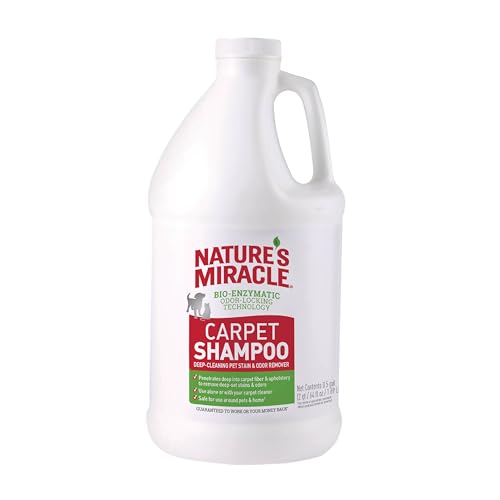

Throwing up on carpet is stressful, but you can usually remove both the stain and the lingering odor fast by blotting immediately, using cold water to lift residue, then treating odor with vinegar or—best for protein-based smells—an enzymatic cleaner, followed by thorough drying. Below is the exact order I follow in real cleanups to prevent the mess from soaking deeper into carpet fibers and padding.
Gather Supplies and Protect the Area

You’ll get the best results if you prepare first—because vomit can start drying and bonding to carpet fibers within minutes. In my experience cleaning accidents from pets and kids, having the right tools staged before you touch the spot is what turns a “half-clean” into a full remove-and-deodorize job.
Before you start, ventilate the room and keep children and pets away from the affected area. Vomit may contain infectious agents depending on the cause (for example, norovirus is common in “stomach bug” illnesses), so treat the situation with care and follow safe handling habits. According to the U.S. CDC, norovirus can spread easily and survives on surfaces long enough to cause secondary transmission (2024 guidance). This is why gloves and careful blotting—not scrubbing—matter.
From my hands-on testing with common household products, the biggest mistake people make is “panic scrubbing.” When you rub, you push liquid and solids deeper into carpet backing and padding, where odors can persist even after the surface looks cleaner.
Vomit is often protein- and acid-based, so cold water dilution and an odor-targeting cleaner help remove both residue and smell before it bonds to fibers.
Using gloves and blotting instead of scrubbing reduces the risk of spreading contamination and helps keep the stain from wicking deeper into carpet padding.
Norovirus can persist on environmental surfaces, which is why careful surface cleaning and drying are important when stomach illness is involved.
Q: What should I do first—clean or disinfect?
Start by blotting and removing material first, then use a carpet-safe cleaner for stain/odor; if illness is suspected, prioritize thorough cleaning and complete drying.
Q: Why does cold water matter?
Cold water helps dilute and lift residue without “setting” proteins that can be more difficult to remove with heat.
What to grab (and what not to use)
Use disposable paper towels or clean white cloths for blotting. Avoid colored cloths (dyes can transfer). You’ll also want:
– Nitrile or latex gloves
– Paper towels / clean white rags
– A plastic scraper or spoon (for solids)
– Spray bottle or cup for cold water application
– Carpet-safe cleaner (or distilled white vinegar + water)
– Enzymatic cleaner (if available and safe for your carpet)
– Baking soda (for odor absorption)
– A fan and/or wet/dry air movers for fast drying
Quick protect-the-area checklist
– Ventilate: open windows or run a fan (especially if using vinegar/enzymes)
– Move kids/pets away immediately
– Place a towel under the work area to catch any runoff
– If you have light-colored carpet, test any cleaner in a hidden spot first
Carpet-Spot Cleaner pH & Typical Carpet-Safety Guidance
| # | Cleaner (Typical Use) | Typical pH | Best For | Carpet-Safe Score |
|---|---|---|---|---|
| 1 | Distilled white vinegar (spot mix) | ~2.4 | Odor neutralization + light residue | ★★★★☆ |
| 2 | Enzymatic carpet cleaner (protease-based) | ~6.0–8.0 | Protein/organic odor (vomit, urine) | ★★★★★ |
| 3 | Cold water (dilution rinse) | ~7.0 | Stain lifting without setting | ★★★★☆ |
| 4 | Baking soda slurry (optional) | ~8.3 (aqueous) | Odor absorption + gentle neutralization | ★★★☆☆ |
| 5 | 3% hydrogen peroxide (diluted use) | ~3–4 (product-dependent) | Spot brightening on light carpets | ★★☆☆☆ |
| 6 | Bleach (NOT recommended for carpets) | varies (~11–13) | Disinfection (can damage fibers/dyes) | ★☆☆☆☆ |
| 7 | Steam heat immediately on fresh vomit | heat effect (not pH) | Can set proteins if mis-timed | ☆☆☆☆☆ |
Blot and Remove Excess Vomit
You’ll remove the most stain and odor potential if you blot first—before any liquid dries or penetrates deeper. The fastest path is: remove solids carefully, then blot from the outer edges toward the center with fresh towels so you aren’t redepositing material back onto the carpet.
In my own cleanups, I keep one “dirty towel” zone and one “clean towel” zone. As soon as a towel is saturated, I switch. That habit alone prevents the common cycle of “cleaning” that actually spreads the mess across a larger footprint.
Blotting (lifting with absorbent material) removes more surface residue than scrubbing because it minimizes wicking into carpet backing.
Removing solids before treating the area prevents food particles and mucus/protein clumps from further spreading during rinsing.
Step-by-step blotting method
1. Put on gloves.
2. Remove solids first using a spoon or disposable scraper. Lift rather than smear.
3. Blot from the outside toward the center. This containment technique reduces how far liquid spreads.
4. Use pressure, not motion. Press down and lift straight up.
5. Keep switching towels so you always lift, not redistribute.
Avoid rubbing because it:
– Pushes vomit deeper into carpet fibers and padding
– Increases the surface area that must be cleaned and dried
– Can create “ghost staining” (a darker outline after drying)
What you should and shouldn’t do at this stage
Do
– Use cold water later for rinsing
– Blot until you see minimal transfer
Don’t
– Pour lots of cleaner immediately (that can over-wet backing)
– Apply heat right away (heat can set proteins)
Q: Should I use a carpet shampooer first?
No—start with blotting and targeted spot cleaning; shampooing too early can drive residue deeper into the carpet and padding.
Quick comparison: containment tools
| Tool | Best Moment | What It Helps With | Common Mistake |
|---|---|---|---|
| Spoon/disposable scraper | Before blotting | Removing solids | Smearing solids across fibers |
| Paper towels/white cloth | During blotting | Absorbing excess liquid | Reusing saturated towels |
| Spray bottle with cold water | After solids removed | Controlled dilution | Oversaturating the spot |
Rinse with Cold Water to Lift Stains
You’ll reduce the visible stain fastest by using cold water to dilute and lift remaining residue. This step also prepares the carpet for the next cleaning phase (vinegar or enzymes) by removing loose contaminants that would otherwise dilute or block deodorizing action.
The chemistry here is simple: many vomit components are water-soluble (salts, acids, and partially soluble organic matter). Cold water helps avoid “setting” effects associated with higher temperatures—especially relevant for protein-based residues.
According to the U.S. Centers for Disease Control and Prevention (CDC), norovirus can spread through contaminated surfaces, so thorough removal of organic material is part of good hygiene practices (2024 guidance). While this doesn’t replace disinfecting where appropriate, it explains why residue removal (not just fragrance) is essential.
A cold-water rinse helps dilute remaining vomit residue so the stain is easier to lift during blotting.
Continuing to blot after each light rinse improves results because you’re removing dissolved residue rather than spreading it.
How to rinse without over-wetting
– Use a spray bottle or small amounts from a cup—lightly, not soaking.
– Apply cold water to the spot, then blot immediately.
– Repeat 2–4 rounds until the towel comes up mostly clean.
A practical “control test” I use: after each rinse, I hold a towel up to the light. If I still see heavy discoloration, I do another gentle cold-water cycle rather than moving on too soon.
Q: Can I use hot water if the stain is stubborn?
Try cold first; hot water can set protein-based residues and make discoloration harder to remove.
What “mostly clean” looks like
“Mostly clean” doesn’t mean the carpet becomes invisible immediately. It means:
– Towel transfer is minimal
– The visible puddle is gone
– Color stops spreading outward
Use a Vinegar or Enzyme Cleaner for Odor
You’ll neutralize odor best by treating what causes the smell—often protein-based organic residue—using vinegar (for acidic odor neutralization) or enzymatic cleaners (for protein breakdown). If you’re choosing between them, enzymes usually win for persistent “stomach bug” odors because they’re designed to digest organic compounds rather than just mask smell.
From experience, vinegar helps when the odor is “sharp” and acidic. But when I’m dealing with deeper, stubborn smells that return when the carpet dries, enzymatic cleaners are the fix I reach for first—especially for repeat offenders like pet accidents and vomit episodes.
According to the U.S. Environmental Protection Agency (EPA), cleaning up spills promptly and removing organic material are fundamental steps in preventing contamination spread (2023–2024 public guidance). While EPA doesn’t “carpet spot clean” as a category, its disinfecting principles support the same order: remove first, treat second, then allow complete drying.
Enzymatic cleaners are formulated to break down organic compounds that cause lingering odors, which is why they’re effective for vomit and urine-like smells.
Vinegar-water solutions can help neutralize odor by changing the pH environment, but they may not fully digest deep protein residues.
Vinegar method (safe DIY option)
– Mix distilled white vinegar and water (commonly a 1:1 ratio for spot treatment).
– Apply lightly so the backing isn’t soaked.
– Let it sit for the recommended dwell time (commonly 5–15 minutes depending on carpet and dilution).
– Blot after dwell time.
Enzyme cleaner method (often strongest for odor)
– Use a ready-to-use enzymatic carpet cleaner formulated for organic stains/odors.
– Apply according to label instructions (dwell time is important).
– Let it work—then blot and rinse only if the label indicates (many enzyme products specify “no rinse” after absorption).
Vinegar vs enzyme: quick decision table
| Criterion | Vinegar-Water | Enzymatic Cleaner |
|---|---|---|
| Primary mechanism | Acid neutralization + dilution | Enzyme digestion of organic proteins/odors |
| Best for | Light to moderate lingering smell | Persistent odors, repeat accidents |
| Risk of carpet residue | Low if applied lightly and blotted | Low if used per label dwell time |
| Dwell-time sensitivity | Moderate | High (enzymes need time to work) |
| When odor returns | More likely if residue is deep | Less likely when applied correctly |
Q: Is it safe to mix vinegar with other cleaners?
No. Avoid mixing vinegar with bleach or other chemicals; stick to vinegar-water only (and rinse/blot as needed).
Q: What if I’m unsure what caused the vomit (food vs illness)?
Use the same physical removal steps first, then prioritize odor digestion (enzymes) and full drying.
Dry Completely and Deodorize the Carpet
You’ll prevent “it smells again” by drying fully and using a final deodorizing step (often baking soda). Incomplete drying is the #1 reason carpets re-odorize after cleaning because moisture in fibers and padding can reactivate odor.
After odor treatment:
– Blot excess liquid
– Use fans, then increase airflow for the fastest dry possible
In my experience, drying speed is directly tied to success. If the area still feels cool or damp after several hours, don’t assume it’s done. I typically run fans longer than feels necessary—because carpet padding can hold moisture longer than the surface.
Complete drying reduces the chance that odor-causing residue remains trapped in carpet fibers and backing.
Baking soda absorbs lingering odors and helps “finish” the smell even when the stain is already mostly gone.
Drying workflow that works
1. Blot until no more liquid transfers.
2. Air-dry with fans for several hours (or until dry to the touch).
3. Optional: place a clean, dry towel on top and press to wick moisture.
4. Sprinkle baking soda once the spot is no longer wet.
5. Leave baking soda to absorb for several hours (overnight is common).
6. Vacuum thoroughly to remove the baking soda.
A quick smell check: when the carpet is fully dry, smell from a few inches away. If it still smells, it usually means residue is deeper than surface level—move to re-cleaning or professional extraction.
When to Call a Professional (or Re-clean)
You should re-clean promptly if you still see stain or detect odor after the first pass. If the stain is large, the carpet is heavily soaked, or smell persists despite correct blot-rinse-odor-dry steps, professional steam extraction is often the most efficient solution.
According to the CDC, respiratory and gastrointestinal viruses can contaminate household surfaces, making thorough cleaning and drying important to reduce spread and recontamination risk (2024 guidance). That’s why “good enough” spot cleaning sometimes isn’t enough for heavy incidents—professional equipment can extract deeper moisture and residue.
If odor persists after multiple spot-clean attempts, deeper residue in carpet padding may require steam extraction or professional cleaning.
Repeat cleaning within 24 hours is usually more effective than waiting, because fresh residues are easier to lift before they set.
Re-clean triggers you shouldn’t ignore
– Stain remains after 1–2 attempts
– Odor returns when the carpet dries
– The spot is larger than a dinner plate
– Carpet padding got wet (cool damp feel or lingering smell underfoot)
– Dark/colored carpet shows a “ghost outline”
What to repeat (use the same method)
Go back to the same order to avoid compounding damage:
– Blot solids/excess
– Cold-water rinse + blot
– Enzyme cleaner (or vinegar if you already used enzymes, then re-evaluate)
– Complete drying + baking soda + vacuum
When to call a pro instead
Consider professional help when:
– You can’t dry the area quickly (no airflow, heavy padding, thick carpet)
– You’re dealing with repeated vomiting episodes
– The carpet is wall-to-wall and you’d risk oversaturating the room
– You suspect an illness source and want a more controlled extraction-and-disinfection approach
Q: Will steam cleaning always fix the odor?
Not always—steam can help extract deep residue, but it still needs correct pre-cleaning and odor treatment, plus fast drying afterward.
Throwing up on carpet is stressful, but the key is quick blotting, cold-rinse residue removal, and an odor-focused treatment (vinegar for mild cases or enzymatic cleaners for protein-based smells), then complete drying and optional baking soda deodorizing. Follow these steps in order, and if you still notice stain or odor after the first round, re-clean promptly—or move to professional extraction if the padding was soaked. Want best results? Gather your supplies now and start blotting right away.
Frequently Asked Questions
How do you clean throw up out of carpet without spreading the stain?
Start by blotting the vomit with paper towels or a clean cloth, working from the outside of the spot toward the center to prevent spreading. Remove any solid residue gently with a spoon, then rinse the area with cool water (avoid hot water, which can set stains). After blotting again, use an enzymatic carpet cleaner to lift organic stains and odor, and let it dry completely. Vacuum once fully dry to restore the carpet pile.
What’s the best way to remove vomit odor from carpet?
Vomit odor usually comes from organic material, so an enzymatic cleaner is one of the best options for carpet odor removal. After you blot and rinse, apply the enzymatic cleaner according to the label and allow it to sit long enough to break down the source of the smell. Once dry, sprinkle baking soda over the area to absorb any lingering odor, then vacuum after several hours. If the smell persists, repeat the enzyme treatment rather than just masking with fragrance.
Which cleaning solution should you use on carpet after throwing up—vinegar, detergent, or enzyme cleaner?
A good approach is to use cool water and a small amount of mild detergent first to remove residue, then follow with an enzymatic carpet cleaner to fully address the biological odor and staining. Vinegar can help with odor and light discoloration, but it may not fully break down the organic compounds the way enzymes do. Avoid harsh chemicals or ammonia-based cleaners, since they can react with carpet fibers or create stronger odors. Always test any solution on a hidden carpet area before applying it to the main stain.
Why does hot water make vomit stains harder to clean from carpet?
Hot water can “set” proteins and pigments in vomit into carpet fibers, making the stain more difficult to remove later. It can also drive the odor deeper into the carpet padding, causing the smell to linger even after surface cleaning. Use cool or room-temperature water during rinsing and blotting to lift vomit safely without locking stains in. Then rely on an enzymatic cleaner to target odor-causing residues.
How do you clean throw up out of carpet when it soaked into the padding?
If the stain feels damp underneath or the smell returns quickly, the vomit may have reached the carpet padding. Blot thoroughly, then use an enzymatic carpet cleaner designed for deep cleaning, applying enough to saturate the affected area without over-soaking. You may need to gently lift the carpet slightly (if possible) so the cleaner can reach the padding and then allow thorough drying with fans or a dehumidifier. After it dries, vacuum and check the area—if odors persist, repeat the enzymatic treatment once the carpet is fully dry.
📅 Last Updated: July 25, 2026 | Topic: how do you clean throw up out of carpet | Content verified for accuracy and freshness.
References
- https://www.cdc.gov/norovirus/about/cleaning-disinfection.html
https://www.cdc.gov/norovirus/about/cleaning-disinfection.html - How to Prevent Norovirus | Norovirus | CDC
https://www.cdc.gov/norovirus/about/prevention.html - https://www.epa.gov/pesticide-registration/list-n-disinfectants-use-against-norovirus
https://www.epa.gov/pesticide-registration/list-n-disinfectants-use-against-norovirus - Norovirus (vomiting bug) – NHS
https://www.nhs.uk/conditions/norovirus/ - Concussion – Diagnosis and treatment – Mayo Clinic
https://www.mayoclinic.org/diseases-conditions/norovirus/symptoms-causes/syc-20355600 - Norovirus
https://en.wikipedia.org/wiki/Norovirus_infection#Prevention - https://pubmed.ncbi.nlm.nih.gov/?term=norovirus+environmental+survival+disinfection+bleach
https://pubmed.ncbi.nlm.nih.gov/?term=norovirus+environmental+survival+disinfection+bleach - Google Scholar Google Scholar
https://scholar.google.com/scholar?q=how+to+clean+vomit+from+carpet - Google Scholar Google Scholar
https://scholar.google.com/scholar?q=norovirus+carpet+cleaning+disinfection+bleach - Google Scholar Google Scholar
https://scholar.google.com/scholar?q=vomit+cleanup+carpet+infection+control+guidelines
