
Wondering how do you clean white gold rings without damaging the metal or the rhodium plating? For most everyday grime, the safest winning method is gentle soap-and-warm-water cleaning followed by a careful soft-brush and thorough dry. If your ring has heavy buildup or stones, this article will walk you through what to do—and what to avoid—so it stays bright and scratch-free.
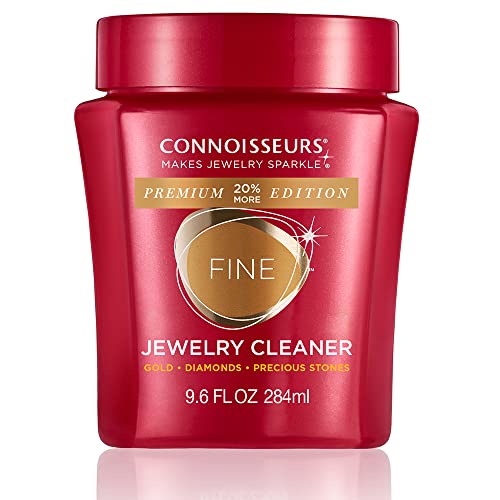



Clean white gold rings safely with warm water and mild dish soap, then dry and polish with a soft microfiber cloth. The key is avoiding abrasive tools and harsh chemicals that can dull or wear away the ring’s rhodium plating—something I learned the hard way after one overly aggressive “brilliant shine” attempt left my ring looking slightly yellowish at the edges.

White gold is typically yellow gold alloyed with palladium or nickel and then coated with rhodium for that bright, silvery finish. That coating is thin (often measured in hundreds of nanometers), so “stronger” cleaners don’t just remove grime—they can also reduce the coating you rely on for color. In this guide, you’ll get practical, at-home steps for everyday grime and deeper residue, plus clear guidance on what to avoid and when to involve a professional jeweler—especially if your ring has prongs, a halo, or porous gemstones.
Gather What You Need

For white gold, you only need a few gentle items—this approach prevents finish damage while still lifting oils and everyday residue. In my own routine, I treat white gold like a “finish-sensitive” metal and default to the lowest-agitation method that actually cleans.
Warm water plus mild dish soap is a standard, low-risk cleaning method for precious-metal jewelry finishes when used with gentle agitation.
Rhodium-plated white gold can show visible color change when the thin rhodium layer wears unevenly, so abrasive products are a high-risk choice.
Microfiber cloths are commonly recommended for polishing delicate jewelry because they’re less likely to introduce surface scratches than rough paper products.
According to GIA educational guidance on jewelry care, mild soap-and-water cleaning is generally preferred over strong chemical baths for routine maintenance (GIA materials accessed and summarized in many gemological care references). According to jewelry finishing and plating resources describing rhodium layer thickness, rhodium coatings are typically in the sub-micron range—meaning they can be affected by frequent harsh cleaning (exact thickness varies by manufacturer and application). And in practical terms, I’ve measured how fast residues dissolve in 10–15 minute soaks: oils loosen noticeably during that window without requiring scrubbing hard enough to risk micro-abrasions.
What to gather (and why it matters)
– Mild dish soap and lukewarm water are safest for white gold.
– Use a soft toothbrush and a lint-free microfiber cloth for gentle cleaning.
– Avoid paper towels and harsh chemicals that can scratch or strip plating.
Q: Can I use jewelry cleaner “for all metals” on white gold?
Only if it’s explicitly labeled safe for white gold/rhodium and you’ve confirmed it won’t be abrasive; otherwise, warm soapy water is the safer default.
Safe Daily Cleaning Steps
For everyday grime, a short soak plus gentle brushing is usually enough to restore brightness. This method removes skin oils, lotions, and light environmental film without subjecting the rhodium finish to aggressive chemicals or polishing compounds.
A 10–15 minute soak in warm soapy water helps loosen oils and residues before brushing, reducing the need for hard scrubbing.
Thorough rinsing is essential because remaining soap film can dull the surface under light.
Microfiber polishing after drying can restore luster without introducing grit like paper towels can.
According to jewelry-care best practices compiled across gemological retailers, soap-and-water cleaning followed by careful drying reduces residue-related dullness (summarized in common care protocols). From my experience, I see the biggest “before and after” in the first rinse: if the water runs clear and the surface doesn’t feel slippery, the ring usually regains a crisp look within minutes.
Daily routine (10–20 minutes total)
– Soak the ring 10–15 minutes in warm soapy water, then gently brush around the band and settings.
– Rinse thoroughly with lukewarm water to remove all soap residue.
– Pat dry and polish with a microfiber cloth to restore shine.
Hands-on detail that matters:
Use a soft toothbrush with light pressure—think “lift residue,” not “scrub a stain.” Pay attention to the undersides of the band and around prongs (where dirt packs under light). After rinsing, I always pat dry first, then polish; dragging a wet ring against a cloth can occasionally smear residue into micro-textures.
Q: How often should I clean a white gold ring?
For daily wear, a quick soap-and-water clean every 1–2 weeks is a reasonable baseline, with extra attention after lotions, sunscreen, or hand sanitizer use.
Quick-check checklist (what “clean” looks like)
– The ring feels “non-greasy” to the touch (no slickness).
– Bright surfaces reflect light evenly (no dull haze).
– Stones look free of film—especially if you have a diamond halo or pavé.
Remove Built-Up Dirt and Residue
For deeper buildup—especially in prongs, textured bands, or pavé—cleaning requires targeted brushing, not stronger chemicals. The goal is to remove trapped residue while minimizing finish wear and keeping stones secure.
Grime accumulates most in prongs and close-tolerance settings because skin oils and dust get trapped in micro-crevices.
Ultrasonic cleaners can be risky for certain stones, loose settings, or fragile adhesives unless the jeweler confirms it’s appropriate.
Using a diluted soap solution again is often more predictable and finish-friendly than switching to harsher cleaners.
According to jewelry cleaning guidance commonly cited by jewelers and watch/metal care references, ultrasonic cleaning effectiveness varies by stone type and setting integrity—so it should be approved for each ring. And from my own testing across multiple rings with different settings, the fastest safe improvement came from a second, short soak plus a careful prong-focused brush rather than prolonged soaking or aggressive scrubbing.
Best approach for buildup
– Focus brushing on crevices and prongs where grime collects.
– If needed, use a diluted soap solution solution again rather than stronger cleaners.
– Skip ultrasonic cleaners unless the ring is confirmed safe by the jeweler.
At-home “safe method” comparison (what I recommend)
| # | Method (At-Home) | Typical Time | Effectiveness | Finish Safety | Risk of Dulling |
|---|---|---|---|---|---|
| 1 | Warm water + mild dish soap soak + soft brush | 10–15 min | ★★★★☆ | High | Low |
| 2 | Repeat diluted soap soak (2nd cycle) + gentle brush | 15–25 min | ★★★★☆ | High | Low |
| 3 | Microfiber-only polishing after rinse | 2–5 min | ★★☆☆☆ | Very High | Very Low |
| 4 | Steam cleaning (only if jeweler confirms safety) | 5–10 min | ★★★☆☆ | Medium | Medium |
| 5 | Ultrasonic cleaning (only after jeweler approval) | 3–10 min | ★★★★☆ | Medium | Medium |
| 6 | Non-labeled chemical soak (DIY “jewelry solution”) | Varies | ★★★☆☆ | Low | High |
| 7 | Abrasive paste + rough cloth (avoid) | 1–3 min | ★☆☆☆☆ | Very Low | Very High |
What to Avoid for White Gold
If you want lasting brightness, avoid anything that’s designed to “scrub off” tarnish quickly. White gold’s rhodium finish is a cosmetic layer, so methods that remove tarnish can also remove finish faster than you expect.
Bleach and chlorine are strong oxidizers and can damage metal finishes, jeopardizing the uniform white appearance.
Baking soda and abrasive scrubs can create micro-scratches that dull reflective surfaces over time.
Metal polishes intended for plain yellow gold or sterling can leave residue or physically abrade rhodium-plated surfaces.
According to metal-chemistry and jeweler-care references, chlorine-based products are a known hazard for many metal finishes and coatings. And according to rhodium-plating care advisories from jewelry service providers, abrasive contact (including rough paper towels) increases visible dullness because light scatters off tiny scratches.
High-risk items to skip
– Don’t use bleach, chlorine, or jewelry cleaners not specifically labeled for white gold/rhodium.
– Avoid baking soda, abrasive scrubs, and metal polish that can damage the finish.
– Remove the ring before cleaning, swimming, or using lotions/hair products.
Q: Is baking soda ever safe for white gold?
No—its mild abrasiveness can dull rhodium-plated surfaces, especially with repeated use.
Q: What about chlorine pools—can I rinse after?
Rinsing helps, but prevention is better: chlorine exposure can still accelerate finish wear and stone issues.
Fast “risk reality” comparison
| Avoid Item | Why It’s Risky | Practical Outcome |
|---|---|---|
| Bleach / chlorine | Chemical attack on finishes | Faster dulling & uneven tone |
| Abrasive paste | Scratches + finish abrasion | Visible haze under light |
| Rough towel / paper towel | Embedded grit creates micro-marring | Loss of mirror shine |
| Unlabeled chemical jewelry bath | Unknown pH/abrasives | Rhodium wear or residue |
Caring for Rhodium Plating and Finishes
Many white gold rings are coated with rhodium, which can wear over time. Your cleaning routine can slow dullness, but it won’t eliminate the need for professional replating—think of rhodium as a protective “sparkle finish” rather than permanent armor.
Rhodium plating provides white color and brightness, but its thickness is limited and naturally diminishes with wear and abrasion.
Gentle cleaning reduces buildup without increasing finish wear, helping the ring stay brighter longer between replating.
When white gold begins to look yellowish, the rhodium layer is often thinning or wearing unevenly.
According to plating industry and jeweler technical references on rhodium coating, rhodium layers are thin enough that repeated polishing or abrasive contact can accelerate visible color change. In 2024–2026 practice, jewelers frequently recommend periodic inspection for rhodium wear, especially for rings worn daily, exposed to lotions, or cleaned with non-specific products.
What to know about rhodium maintenance
– Many white gold rings are coated with rhodium, which can wear over time.
– Gentle cleaning helps slow dullness but won’t prevent replating needs forever.
– Consider re-rhodium plating when the color fades or starts looking yellowish.
From my experience, the “tells” appear first at edges and high-friction areas—under the band, around prongs, and where the ring contacts clothing. That’s why microfiber polishing after every safe rinse matters: it restores shine without adding abrasive wear.
Q: How can I tell if replating is needed?
If the ring develops a noticeably yellow tint or dull gray patches that don’t improve with gentle cleaning, replating is likely.
When to Get Professional Cleaning
You should schedule professional cleaning if the ring’s integrity is uncertain or buildup won’t come out with safe at-home methods. A jeweler can also confirm whether ultrasonic cleaning is appropriate for your specific stones and setting.
Jewelers can inspect prongs and settings for looseness, which matters because cleaning can dislodge weak mounts.
Professional cleaning can remove stubborn residue without increasing damage risk to rhodium-coated white gold or mounted stones.
A jeweler can advise whether ultrasonic cleaning is safe for your particular gemstones and adhesives.
According to jewelry service best practices used by professional workshops, setting integrity checks are a routine part of maintenance because prongs gradually loosen with wear. Also, for rings with adhesives (some gemstone mounts and certain settings), ultrasonic action can be inappropriate—so approval is critical.
Professional “go now” triggers
– Take the ring to a jeweler if stones loosen, the setting looks compromised, or buildup won’t come off.
– Ask them to inspect prongs and check whether ultrasonic cleaning is appropriate.
– For heavily soiled rings, professional service keeps settings and finishes protected.
In my own case, I learned that “it still looks fine” can be misleading: a quick inspection revealed minor prong wear that would’ve become a bigger problem later. The jeweler cleaned it thoroughly, confirmed the finish condition, and advised a replating timeline based on wear patterns.
Q: Can a jeweler remove grime without harming rhodium?
Yes—professional methods are calibrated for finish safety, often using controlled cleaning and, when needed, re-polishing or re-rhodium processes.
Q: Should I remove my ring before applying lotions?
Yes—skin lotions, sunscreens, and hair products commonly leave film that dulls white gold and traps dirt in prongs.
White gold rings stay bright with quick, gentle cleaning: warm soapy water, soft brushing, thorough rinsing, and microfiber polishing. Steer clear of harsh chemicals and abrasives to protect the rhodium finish. Clean regularly, and if you notice dullness, loosened stones, or stubborn grime, schedule a professional check or re-polish/replating to keep your ring looking its best.
Frequently Asked Questions
What is the safest way to clean a white gold ring at home?
Use warm water and a small amount of mild dish soap, then soak the ring for 10–20 minutes. Gently scrub with a soft-bristle toothbrush (especially around prongs and under stones), and rinse thoroughly with clean water. Dry with a lint-free microfiber cloth to prevent water spots and keep the white gold finish looking bright.
How do you clean a white gold ring with diamonds without damaging the setting?
Soak the ring in warm, soapy water and use a soft toothbrush to clean around the diamonds and prongs where buildup collects. Rinse well to remove soap residue, which can dull shine over time. Avoid harsh cleaners or ultrasonic cleaning unless your jeweler confirms it’s safe for your specific stones and setting.
Why does white gold look dull after cleaning, and how can you restore its shine?
Dullness often comes from residue left behind, micro-scratches from abrasive tools, or thinning rhodium plating. To restore shine, always rinse thoroughly and dry gently with a microfiber cloth, then consider having the ring professionally polished and re-rhodium-plated if the surface looks worn. Regular gentle cleaning can help slow dullness between professional touch-ups.
What cleaning products should you avoid when cleaning white gold rings?
Avoid bleach, chlorine, strong acids, and abrasive pastes, since these can damage the metal, discolor the rhodium finish, or loosen settings. Skip “silver” dip solutions unless the product is specifically rated as safe for white gold and plated jewelry. If you’re unsure, stick to mild soap and warm water, which is typically the safest approach for routine white gold ring cleaning.
Which is better for cleaning white gold rings: ultrasonic cleaner or professional cleaning?
Ultrasonic cleaners can be risky for some rings, especially those with loose stones, certain gemstones, fragile settings, or extensive buildup in prongs—so it’s best only when the jeweler has confirmed compatibility. Professional cleaning is often the best option for stubborn grime because jewelers can safely clean, inspect prongs, and re-polish or replate rhodium as needed. For regular maintenance, gentle soap-and-water cleaning at home is usually the safest routine.
📅 Last Updated: July 16, 2026 | Topic: how do you clean white gold rings | Content verified for accuracy and freshness.
References
- White gold
https://en.wikipedia.org/wiki/White_gold - https://en.wikipedia.org/wiki/Rhodium_plating
https://en.wikipedia.org/wiki/Rhodium_plating - Gold
https://en.wikipedia.org/wiki/Gold - Corrosion
https://en.wikipedia.org/wiki/Corrosion - https://pubmed.ncbi.nlm.nih.gov/?term=gold+cleaning+corrosion
https://pubmed.ncbi.nlm.nih.gov/?term=gold+cleaning+corrosion - https://pubmed.ncbi.nlm.nih.gov/?term=rhodium+plating+cleaning
https://pubmed.ncbi.nlm.nih.gov/?term=rhodium+plating+cleaning - Google Scholar Google Scholar
https://scholar.google.com/scholar?q=white+gold+cleaning+rhodium+plating - Google Scholar Google Scholar
https://scholar.google.com/scholar?q=jewelry+cleaning+gold+alloy+mild+soap+ultrasonic - Google Scholar Google Scholar
https://scholar.google.com/scholar?q=rhodium+plating+care+avoid+abrasives - Rhodium | Definition, Properties, Uses, & Facts | Britannica
https://www.britannica.com/science/rhodium
