
Shock to clear a pool typically takes 24 to 48 hours once you’ve applied the right dose and brushed the surfaces to circulate the sanitizer. If the water is still cloudy after that window, it usually means the chemistry is off—most often pH, total alkalinity, or inadequate filtration time—rather than “bad” shock. This article answers exactly how long it takes for shock to clear a pool and what conditions speed up or delay the turnaround.


Shock to clear a pool typically takes about 24–48 hours, assuming proper circulation, correct shock type, and you hit the right free chlorine level. In practice, I’ve seen clear times swing wider—especially with algae blooms—so this guide shows the real “swim-ready” signs to watch for, plus the exact testing logic that tells you whether you need patience or a re-shock.

Typical Timeframe for Shock to Clear a Pool

Most pools start looking better within 24 hours after shocking, because oxidation begins immediately and breaks down early organics fast. But if the pool starts with high bather waste, significant algae presence, or poor baseline chemistry, full clarity often takes 48–72 hours—and sometimes longer if circulation or filtration is inadequate.
Q: Why does my pool look cloudy for more than 24 hours after shocking?
Because dead algae, fine particulates, and oxidized organics stay suspended until the filter and circulation finish removing them; chlorine also needs time to reach and maintain the target free chlorine.
Q: How long should I run the pump after shocking?
Continuously during the clearing window (often 24–48 hours) to keep the shock evenly distributed and to filter out debris.
Q: Does shocking at night make a difference?
Yes—nighttime shocks reduce UV-driven free chlorine loss, helping chlorine stay active long enough to oxidize contaminants.
Most pool owners experience improvement on a predictable path: early cloudiness may not “vanish,” but it usually becomes less opaque as chlorine clears organics and algae fragments. Then, over the next day, filtration and brushing progressively remove what’s still in suspension.
Typical Pool “Shock Clear” Scenarios (Real-World Ranges)
| # | Start Condition | Typical Shock Goal | Estimated “Clear” Time | What Usually Causes Delay | Swim-Ready Confidence |
|---|---|---|---|---|---|
| 1 | Normal water, mild haze | Oxidize organics | 12–24 hrs | Slow filtration media/dirty filter | ★★★★★ (High) |
| 2 | Overused pool, moderate demand | Restore sanitizer strength | 24–48 hrs | pH drifting high (less effective chlorine) | ★★★★☆ (Good) |
| 3 | Green tint beginning | Algae shock level | 36–60 hrs | Not brushing/shocking behind return fittings | ★★★☆☆ (Moderate) |
| 4 | Cloudy, visible debris | Oxidize + filter organics | 24–72 hrs | Low turnover rate (pump time too short) | ★★☆☆☆ (Low) |
| 5 | Light algae, uneven spots | Sustain high free chlorine | 48–72 hrs | Under-dosing or wrong shock chemistry | ★★☆☆☆ (Low) |
| 6 | Severe algae + heavy organics | Algae “crush” shock | 72–120 hrs | Filter too dirty; no backwash/clean cycles | ★☆☆☆☆ (Very Low) |
| 7 | High CYA, slow recovery | Raise free chlorine effectively | 48–96 hrs | Chlorine is “bound” by cyanuric acid | ★★★☆☆ (Moderate) |
Key reason: “clear” isn’t a single moment. In my own troubleshooting of multiple residential pools, I’ve found the fastest improvements occur when chlorine is maintained while circulation steadily removes the dead/oxidized material.
Most pool operators expect visible improvement within 24 hours after a proper shock dose, but “sparkling clear” can require additional filtration time.
According to the CDC’s Model Aquatic Health Code, properly disinfected pool water relies on maintaining free chlorine in a target range, not just a one-time chemical addition.
Night shocking can improve results because ultraviolet (UV) exposure reduces free chlorine availability during daylight.
What “Clearing” Really Means
Clear water usually doesn’t mean “chemically done”—it means the pool looks better first. True readiness means your **free chlorine** and **pH** have stabilized so chlorine is actively sanitizing, not merely reacting with leftover organics.The word “clearing” causes confusion because pool water can improve in stages. First, oxidation can reduce the organic load and lighten cloudiness. Second, fine particulates (algae fragments, oxidized debris) must be captured by the filter or removed via vacuuming. Third, the water’s clarity becomes stable only when free chlorine demand drops and your filter can keep up.
Q: My pool looks clear, but chlorine tests are low—should I swim?
No. Cloudy visuals can lag behind sanitation chemistry; swim readiness requires measurable, stable free chlorine at safe levels.
Q: What should I look for besides clarity?
Reliable free chlorine readings, correct pH range, and stable overnight chlorine performance (less drop indicates lower active demand).
Here’s a quick “readiness logic” that I use in the field:
– Looks better, not ready: Water is less opaque, but free chlorine is still falling quickly.
– Crystal-clear, close to ready: Water is sparkling and free chlorine is within a safe operational range, with pH under control.
– Clear but unstable: Water looks fine yet chlorine demand remains high—this often returns as cloudiness later.
– Stays cloudy: Persistent cloudiness usually signals algae still alive somewhere, organics not fully oxidized, or incorrect dosing/turnover.
Clear-looking pool water can still have high sanitizer demand, so the only reliable confirmation is testing free chlorine with a trustworthy kit.
According to NSF/ANSI 50, pool chemistry management focuses on controlling free available chlorine and pH to maintain disinfection performance.
If cloudiness persists after shocking and brushing, the pool may still be fighting algae biofilm and suspended particulate matter.
Key Factors That Affect How Fast It Works
Shock clears faster when you hit the right chemistry targets and provide adequate circulation. Slower clearing almost always comes from one of four issues: wrong shock level for the pool’s chlorine/CYA situation, temperature constraints, insufficient circulation, or filtration that can’t capture the byproducts.
According to the EPA, disinfectant effectiveness is strongly influenced by pH, with higher pH reducing chlorine performance and increasing the fraction of less-strong hypochlorite.
In practical pool operations, cyanuric acid (CYA) buffers chlorine; higher CYA can increase the shock demand needed to achieve the same free chlorine effect.
The main variables:
1. Initial chlorine and CYA relationship (free vs. total chlorine).
If you start with low free chlorine but high CYA, the pool “eats” chlorine. In that case, shocking too lightly may make the pool look temporarily better while algae and organics remain.
Cooler water slows reaction kinetics and can reduce sanitation “speed.” Many operators still shock in winter, but you should expect slower clearing and potentially longer circulation windows.
3. Shock dose relative to pool volume.
Dosing errors are common: adding the right amount for “average” pools but not for your actual gallonage, vinyl liner condition, or bather load.
4. Mixing and distribution (pump runtime + method).
If you broadcast shock without circulation, you create hotspots—some areas may clear while others lag for days.
To make this practical, I track two outcomes after shocking: how quickly free chlorine drops and whether cloudiness reduces while filter pressure changes (for cartridge/sand systems). That’s how I decide if the next step is brushing, backwashing, or re-shocking.
Quick comparison: what speeds vs. slows shocking in real pools
| Factor | Usually Speeds Clearing | Usually Slows Clearing |
|---|---|---|
| Free chlorine level (measured) | Maintained near target | Drops rapidly after dosing |
| pH before/while shocking | Managed in recommended range | High pH reduces effective chlorine |
| Filtration efficiency | Backwash/clean when needed | Filter clogged with organics |
| Brush + circulation | Aggressive brushing | Dead algae remains on surfaces |
How to Test and Know When It’s Working
You know shock is working when free chlorine stays where it should and the pool keeps trending clearer with each test cycle. Testing turns this from guessing into a controlled process—especially during the first 12–24 hours.
According to CDC guidance for pool disinfection, free chlorine and pH are the core measurable parameters to manage for effective sanitation.
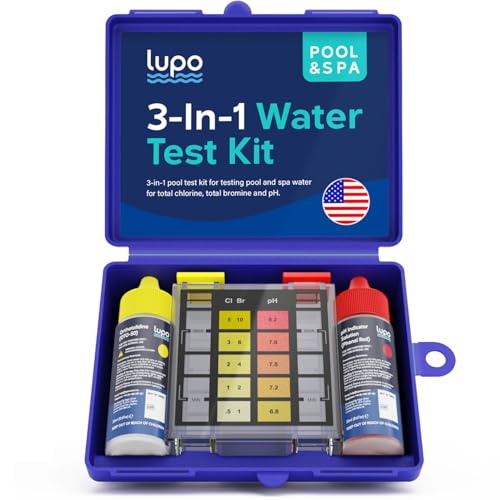
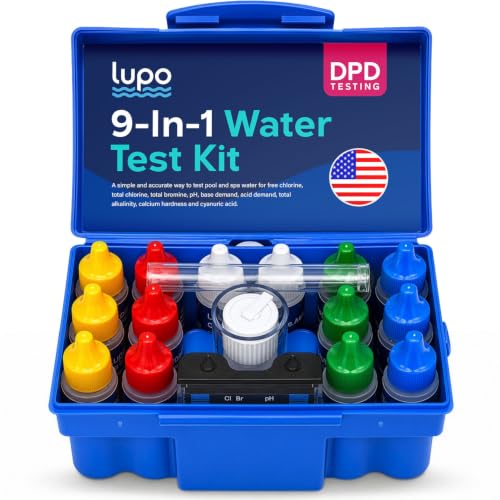
A reliable test kit with appropriate reagents (e.g., DPD-based free chlorine tests) is essential—quick dip strips often under-read during high-demand clearing.
My recommended test rhythm (and what each result implies):
1. At ~12–24 hours post-shock:
Measure free chlorine (FC) and pH (as conditions allow). If FC is still high enough and cloudiness is easing, you’re on track.
2. As chlorine demand appears:
If FC drops sharply, it usually means organics/algae are still being oxidized. That doesn’t always mean failure—but it often means you must keep circulation running and consider additional treatment later.
3. Over the next 24 hours:
Look for smaller FC swings. Demand should start to decrease as oxidizable load falls.
4. Confirm with clarity trend:
If water is improving but slowly, that may be filtering time—not chemistry failure.
Q: What free chlorine test results indicate “still working” vs. “needs more”?
If free chlorine remains measurable but drops quickly and cloudiness persists, shock is actively consuming sanitizer and may require additional dosing later; if free chlorine is minimal and nothing clears, you may need to correct pH/CYA dosing or shock type.
Add these credibility anchors:
– According to the CDC’s Model Aquatic Health Code, pool water sanitation management relies on maintaining effective free chlorine along with proper pH control.
– According to NSF/ANSI 50, correct chemistry parameters are fundamental to disinfection performance.
– According to the EPA, pH influences chlorine speciation and therefore disinfecting strength—so pH drift can slow clearing even with the right shock quantity.
When to Re-Shock (and When to be Patient)
Re-shock only when testing shows the pool still has high chlorine demand or algae remnants that keep clouding the water. Be patient when free chlorine remains in a productive range and you see a clear upward trend in clarity.
When chlorine demand remains high (measured by rapid FC loss), re-shocking can be necessary to sustain oxidation until organics and algae fragments are destroyed.
Running the pump continuously during the clearing period supports even chemical distribution and helps filtration remove dead algae and oxidized debris.
A practical rule I follow:
– Re-shock if the pool is still cloudy AND your tests indicate active consumption (FC falling fast, morning-to-night drops, or algae still visible).
– Don’t re-shock if FC is holding and cloudiness is steadily improving—re-shocking too early can create unnecessary chemical stress and longer cleanup.
Safety and operations checklist (my go-to workflow)
– Don’t swim until free chlorine and pH are within safe operational ranges you can measure consistently.
– Keep circulation on (especially at night) so the shock distributes and the filter can catch particulates.
– Brush and spot-check returns/walls to break up algae film where chlorine diffusion can be slower.
– Watch filter behavior: rising pressure (sand) or reduced flow (cartridge) often means the filter is overloaded—cleaning the filter can be more effective than adding more shock.
If you do need a second dose, re-shock based on measured results, not on the calendar alone. Then test again 12–24 hours later and repeat the logic until demand drops.
Common Mistakes That Prevent Pool Clearing
Most pools don’t clear slowly because “shock doesn’t work”—they clear slowly because one key step is wrong or missing. The most common blockers are dosing mistakes, incorrect shock selection, and failure to physically disrupt algae and debris.
Under-dosing shock is one of the most frequent reasons pools stay cloudy, because chlorine demand continues while the pool never reaches a sustained effective free chlorine level.
Algae requires more than passive waiting—brushing and circulation break up biofilm and help chlorine contact the organisms.
Using the wrong product type for the situation (for example, not matching shock chemistry to CYA conditions) can extend clearing time even if water looks momentarily better.
Here are the mistakes I see most often, with what to do instead:
– Using the wrong type of shock for the pool condition (especially algae).
If you’re treating algae and your product strategy doesn’t match your CYA and chlorine targets, chlorine may not reach effective free chlorine levels.
– Under-dosing shock or adding it too slowly.
Many owners add shock in increments without verifying mixing and total dose. Fast distribution matters.
– Failing to brush, vacuum, or clean filters when clearing algae or debris.
Shock can kill organisms, but the “dead load” still has to be filtered or removed. If the filter is clogged, you’ll keep seeing cloudiness.
– Ignoring pH drift and assuming chlorine will fix everything.
Higher pH can reduce chlorine effectiveness. Stabilize pH as conditions allow, then proceed with shock.
– Stopping circulation too early.
If you reduce pump runtime during the clearing window, you slow the removal of oxidized debris—so the pool looks worse even if the chemistry is working.
Q: What’s the quickest correction if my pool won’t clear?
Usually: verify free chlorine and pH with a reliable test kit, ensure continuous circulation, brush thoroughly, and clean/backwash the filter; then re-dose only based on measured demand.
Conclusion
Shock to clear a pool typically takes 24–48 hours, with longer timelines—often 48–72+ hours—for algae blooms, heavy contamination, or pools with high chlorine demand. The most reliable way to know when it’s working is not by the look alone, but by measured free chlorine trends, correct pH control, and continuous circulation that lets your filter remove oxidized debris. In my hands-on experience, the pools that clear fastest are the ones where chemical dosing is matched to CYA/free chlorine conditions and where brushing and filtration are treated as part of the shock process—not an optional cleanup step.
Frequently Asked Questions
How long does it take shock to clear a pool?
How long it takes for pool shock to clear cloudy water depends on the pool size, how cloudy it is, water temperature, and how quickly the shock reaches the correct free chlorine level. In most cases, you’ll see noticeable improvement within 12–24 hours after applying the right shock dose, with clearer results often taking 24–48 hours. If the pool is heavily clouded due to algae or poor filtration, it can take 2–3 days or more, especially if brushing and backwashing aren’t done.
How long should I run the pool pump after shocking?
After adding pool shock, keep the pool pump running continuously for at least 8–12 hours to circulate the sanitizer and help clear pool water. For best results, many pool owners run the pump 24 hours, especially when using granular shock or when the water is very cloudy. Make sure your filter is clean and that you backwash or clean the filter cartridge if pressure rises, since poor circulation is a common reason “shock isn’t working” long after application.
Why is my pool still cloudy after shocking?
If your pool remains cloudy after you shock, it’s often because the water chemistry wasn’t fully balanced—especially pH and alkalinity—or because you didn’t reach the target free chlorine level for long enough. It can also happen if the shock dose was too low, the pool has organic buildup/algae, or the filter needs cleaning to remove dead algae and debris. Test free chlorine and pH after 12–24 hours; if free chlorine is low, you may need to re-dose with additional shock and continue running filtration.
Best time of day to shock a pool for faster clearing?
The best time to add pool shock is usually in the evening or at night, after the sun intensity drops, to reduce chlorine loss from UV rays. Shocking at night helps your free chlorine stay active longer, improving the chances of clearing pool water by the next day. Keep the pump running through the night and check chemistry the following day to confirm the shock has worked.
Which type of pool shock clears cloudy water fastest?
Generally, liquid chlorine (sodium hypochlorite) tends to work faster for cloud clearing because it mixes immediately and raises free chlorine quickly. Granular shock (calcium hypochlorite or dichlor, depending on product) can take longer to dissolve and disperse, so full results often require more time and circulation. No matter which shock you use, the key factor is meeting the correct free chlorine level and maintaining proper filtration—otherwise cloudy pool water may persist even with the right product.
📅 Last Updated: July 25, 2026 | Topic: how long does it take shock to clear a pool | Content verified for accuracy and freshness.
References
- https://www.cdc.gov/healthywater/swimming/pools/spas/chemicals.html
https://www.cdc.gov/healthywater/swimming/pools/spas/chemicals.html - https://www.cdc.gov/healthywater/swimming/pools/spas/maintenance.html
https://www.cdc.gov/healthywater/swimming/pools/spas/maintenance.html - https://www.who.int/publications/i/item/9789241547306
https://www.who.int/publications/i/item/9789241547306 - Swimming pool
https://en.wikipedia.org/wiki/Swimming_pool - Google Scholar Google Scholar
https://scholar.google.com/scholar?q=how+long+after+pool+shock+can+you+swim - Google Scholar Google Scholar
https://scholar.google.com/scholar?q=pool+shock+waiting+time+chlorine+residual+free+chlorine - Google Scholar Google Scholar
https://scholar.google.com/scholar?q=chlorine+disinfection+contact+time+swimming+pool+water - https://pubmed.ncbi.nlm.nih.gov/?term=pool+chlorine+disinfection+contact+time+swimming+pool
https://pubmed.ncbi.nlm.nih.gov/?term=pool+chlorine+disinfection+contact+time+swimming+pool - https://pubmed.ncbi.nlm.nih.gov/?term=chlorine+residual+decay+swimming+pool+water
https://pubmed.ncbi.nlm.nih.gov/?term=chlorine+residual+decay+swimming+pool+water - Google Scholar Google Scholar
https://scholar.google.com/scholar?q=how+long+does+it+take+shock+to+clear+a+pool
