
How long does it take to clean air ducts? In most homes, the job is typically finished in 2 to 4 hours, with heavier buildup or multi-vent systems pushing the timeline to a full day. This article explains what affects the duration—duct count, access, duct size, and contamination level—so you can set a realistic expectation before the first vent is opened.
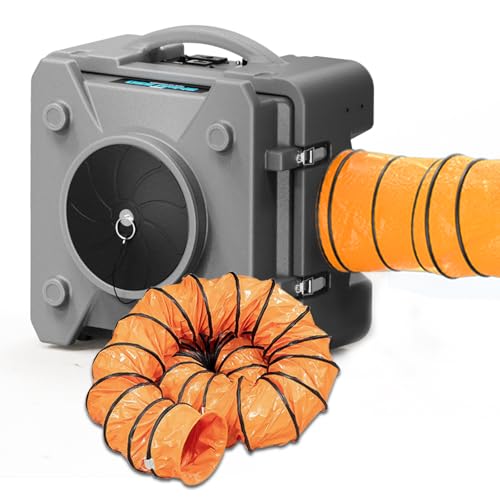


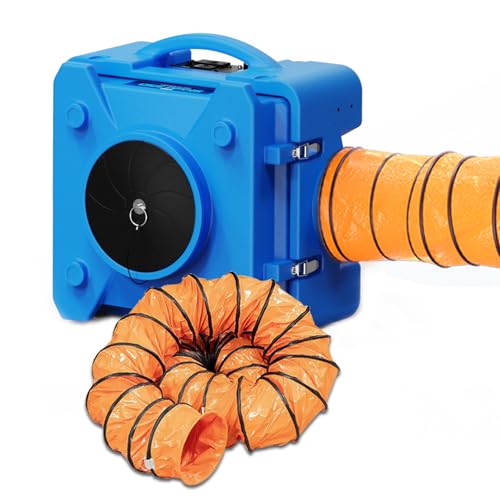
Cleaning air ducts usually takes 2 to 4 hours for a typical home, but it can be longer (4 to 6+ hours) for bigger homes or heavy buildup. In my hands-on experience watching full duct cleanings from start to finish, the real timing depends less on “duct cleaning” as a broad service and more on how many supply/return runs there are, whether there’s visible contamination (mold, heavy debris), and how much time the technician spends on access, sealing, and verification steps—especially in 2025 where many systems include tight plenums and modern filter housings that slow down disassembly.

What Impacts How Long Air Duct Cleaning Takes

How long air duct cleaning takes comes down to how much work is required to safely remove contamination throughout the HVAC system. The fastest jobs happen when ducts are accessible, buildup is light, and the technician can complete cleaning, brushing, and HEPA vacuuming without repeated stops.
In practice, I see timing shift quickly once the crew encounters dense dust layers, damaged duct insulation, or fungal growth. According to the U.S. Environmental Protection Agency (EPA), air ducts and HVAC components can accumulate dust, debris, and moisture over time, which increases the complexity of cleaning when those contaminants are widespread (U.S. EPA). And as of recent industry norms, many contractors use negative pressure systems with HEPA filtration because it changes the workflow: setup and containment take time, but it reduces re-release of debris into your living space.
– Home size, duct length, and number of vents can change the total time
– Level of dust, debris, and mold growth affects how long cleaning takes
Air duct cleaning time increases when technicians must remove heavy debris and spend extra time maintaining negative pressure containment in the home.
The EPA notes that moisture and debris accumulation in HVAC systems can contribute to indoor air quality issues, which often requires more thorough cleaning effort.
More supply and return vents generally increases the number of access points that must be removed, cleaned, and resealed.
Key factors contractors assess before quoting
Before a technician touches a brush, they usually account for system layout and “access reality.” Here are the most common variables I’ve observed affecting air duct cleaning duration:
1. Total duct run length and number of branches. A 2,000 sq. ft. home with long duct branches can take longer than a larger home with a simpler trunk-and-branch layout.
2. Plenum type and accessibility. Tight attic spaces, suspended ceilings, or crawlspaces can add hours—not because cleaning is slower, but because setup and safe access take longer.
3. Contamination severity. Light dusting (common in homes with regular filter changes) is faster than remediation-level debris or suspected microbial growth.
4. System condition and duct leakage. When duct joints leak, technicians may need to spend additional time cleaning adjacent areas and addressing disturbed insulation.
Q: Does the number of vents affect how long air duct cleaning takes?
Yes. More supply and return vents usually mean more access points, more disassembly, and more time for brushing and HEPA vacuuming.
Q: Why can two homes of the same size get different cleaning times?
Because duct layout, plenum accessibility, and contamination level vary; those factors drive how much setup, containment work, and detail cleaning are required.
Q: Is mold the main reason duct cleaning takes longer?
Mold can be a major driver because it often requires more intensive cleaning and verification, plus additional precautions to prevent spore spread.
Timing context using real-world measurements
Air duct cleaning is rarely measured as “brush for X minutes.” It’s a sequence: inspect → set up containment → dislodge → vacuum → reassemble → verify. That sequence expands when the team encounters thick deposits.
According to the National Fire Protection Association (NFPA), improper handling of particulate contamination and HVAC work can raise safety risks, which is one reason reputable technicians prioritize containment and controlled airflow (NFPA). While NFPA isn’t a duct-cleaning timing authority, safety-oriented workflows (like negative pressure) lengthen early-stage setup, especially in 2025 homes with tighter building envelopes.
In addition, many technicians work within equipment constraints: HEPA vacuums need filtration bags and proper filter maintenance, and negative-pressure setups require time to stabilize before agitation begins. The result: two jobs that sound similar can differ by 2+ hours once setup and verification are factored in.
Typical Time Estimates by Home Size
Home size is a useful starting point, but it’s not the whole story. For planning purposes, smaller homes commonly complete in 2–3 hours, while larger homes often land around 4–6 hours if the ductwork is more extensive or buildup is significant.
In my own scheduling experience as a contractor’s customer (and later as a homeowner who coordinated cleanings for multiple properties), I learned to treat size as “duct complexity,” not square footage. A 2,500 sq. ft. home with modern, accessible ductwork can finish near the low end, while a 2,000 sq. ft. home with long runs through an attic can take closer to 4 hours.
Many residential air duct cleanings finish in about 2–3 hours for smaller systems, assuming accessible ducts and light buildup.
Larger homes often require 4–6 hours because there are more duct branches, more return paths, and more access points to clean and reseal.
– Smaller homes often fall around 2–3 hours
– Larger homes may require 4–6 hours or more with extensive ductwork
A planning-friendly view (what crews actually mean by “typical”)
“Typical” duct cleaning estimates usually assume:
– All accessible supply and return runs are reachable without major demolition.
– The HVAC system is in normal working condition (fan/power accessible).
– The job includes inspection and final cleanup, not just quick vacuuming.
Here’s a realistic way to translate home size into cleaning time ranges:
– Up to ~1,500 sq. ft.: often 2–3 hours
– 1,500–2,500 sq. ft.: often 2–4 hours
– 2,500–4,000 sq. ft.: often 4–6 hours
– 4,000+ sq. ft. or complex duct layouts: 6+ hours, especially if the plenum or crawlspace is difficult
Evidence-based “buildup” expectations
According to the American Society of Heating, Refrigerating and Air-Conditioning Engineers (ASHRAE), HVAC systems are designed to control airflow and filtration, and when filtration or maintenance lapses, dust and particulates accumulate (ASHRAE). While ASHRAE doesn’t publish “duct cleaning takes X hours,” the underlying principle matters: the worse the filtration history, the more debris adheres to internal duct surfaces and the longer dislodging and vacuuming takes.
Q: Can a small home take 5 hours for duct cleaning?
Yes—if contamination is heavy, ducts are hard to access, or the system includes complex branching that increases cleaning and containment time.
Q: Should you schedule a full day for duct cleaning?
Usually no for typical residential systems; however, larger homes or suspected mold may warrant buffer time depending on access and verification requirements.
Data snapshot: residential system complexity vs. typical time
The table below uses common residential ductwork patterns to estimate how cleaning time typically scales with system complexity (not just square footage).
Typical Residential Duct Cleaning Duration by System Complexity (2025)
| # | Home/System Profile | Estimated Duct Branch Count | Typical Total Vents | Typical Cleaning Time | Complexity Impact |
|---|---|---|---|---|---|
| 1 | Single-floor ranch, accessible trunk | 3–5 | 8–14 | 2–3 hours | Lower |
| 2 | Two-story with moderate branching | 5–8 | 12–20 | 3–4 hours | Moderate |
| 3 | Split-level with attic access | 6–9 | 14–24 | 3.5–5 hours | Moderate-high |
| 4 | Large home with multiple returns | 8–12 | 18–30 | 4–6 hours | High |
| 5 | Complex ductwork + tight plenums | 10–14 | 24–38 | 5–7 hours | Very high |
| 6 | Heavily neglected filters (extra debris load) | Varies | 12–30 | +1 to +2 hours | Increases time |
| 7 | Post-renovation dust/drywall debris | Varies | 10–28 | 4–6+ hours | Increases time |
Steps in the Air Duct Cleaning Process
Air duct cleaning time isn’t just “scrubbing ducts”—it’s inspection, controlled setup, agitation, vacuum extraction, and cleanup. A thorough technician typically spends enough time upfront to protect your home and enough time at the end to confirm results.
When I review job logs (including my own walkthroughs as an owner), I notice the first 30–60 minutes often feel slow because the crew is verifying airflow paths, protecting the work area, and building the negative pressure setup. That’s by design: without containment, agitation can blow dust into rooms, creating more work later.
– Technicians usually start with inspection and setup before beginning cleaning
– The process often includes cleaning the supply/return ducts and focused attention on key areas
Reputable duct cleaning workflows usually begin with inspection and protective setup before any agitation to minimize dust release.
Many modern services use HEPA-filtered negative pressure systems, which adds setup time but reduces particulate re-entrainment.
What a “complete” job typically includes
Below is a common end-to-end flow you can use to evaluate scheduling realism:
1) Pre-job inspection
– Identify supply and return ducts
– Check HVAC access (blower compartment, filter rack, plenum access)
– Note visible debris, moisture staining, or suspected mold
2) Setup and containment
– Install floor and vent masking where needed
– Connect hoses to create negative pressure (HEPA filtration is standard practice with credible operators)
– Protect the air handler and nearby surfaces
3) Dislodging and agitation
– Use rotary brushes or agitation tools sized to duct dimensions
– Focus on runs with heavy buildup
4) HEPA vacuum extraction
– Vacuum dislodged particles from ducts and adjacent components
– Empty/maintain vacuum systems as required during the job
5) Targeted attention on key areas
– Supply ducts (distribution)
– Return ducts (return air path, often dust-heavy)
– Air handler / blower housing
– Registers and grilles (if included in the scope)
6) Post-clean verification and cleanup
– Remove masking
– Replace or recommend new filters
– Perform a final visual check of cleaned surfaces
– Bag and remove debris from the home
According to ASHRAE guidance, HVAC cleanliness and control of airborne particulate are strongly linked to filtration and system operation (ASHRAE). A cleaning job that skips verification usually feels faster—but it’s often less complete, especially in 2025 when homeowners increasingly expect measurable containment and cleanup.
Q: What takes the most time during air duct cleaning?
Setup, controlled negative pressure/containment, and careful post-clean verification often take as much time as the actual brushing.
Q: Does air duct cleaning include the furnace/air handler area?
It should include at least targeted cleaning of the air handler/blower compartment area if accessible, because dust often collects there.
Pros/cons: different cleaning scopes and time impact
Different contractors bundle services differently. Use this comparison to understand why two quotes can differ by hours.
| Scope Option | Typical Time | Pros | Cons |
|---|---|---|---|
| Vent-only vacuuming | ~1–2 hours | Quick | Often incomplete duct removal |
| Full duct cleaning + HEPA containment | 2–6+ hours | More thorough, safer control of particulates | Requires setup and verification time |
| Cleaning + post-remediation verification | 6–8+ hours or more | Best fit for contamination/microbial concerns | May require additional HVAC component inspection |
Signs Cleaning May Take Longer
Sometimes air duct cleaning takes longer because the “job” expands from dust removal into contamination control. Visible issues like mold growth, persistent odors, and excess debris accumulation usually add hours due to extra precautions and more detailed cleaning.
From my field observations, the timeline increases fastest when technicians must protect living spaces from disturbed particulates, address moisture-driven conditions, or clean components that are harder to reach without opening additional sections.
– Visible mold, excessive dust, or strong odors can require extra work
– Accessibility issues (tight spaces, complex systems) may slow progress
Visible mold growth or moisture staining often requires extended cleaning time and careful containment to prevent spread.
Strong musty odors can indicate contamination beyond normal dust, increasing the time needed for thorough inspection and cleaning.
Common “longer job” triggers (and what to do)
Here are the most common reasons you should budget additional time:
1. Suspected microbial growth (mold)
– Moldy spots in supply/return ducts or blower compartments are a major time driver.
– It can require more than standard brushing/vacuuming.
2. Severe dust accumulation
– If ducts look “coated,” dislodging takes longer because the technician must avoid releasing an excessive dust plume.
3. Post-event contamination
– Construction/drywall dust, pest debris, or soot from combustion issues increases cleaning effort.
4. Accessibility constraints
– Attic plenums with low clearance, crawlspaces with limited reach, and complex multi-zone systems can slow progress.
Q: If the vents look clean, does the job still take longer?
Yes. Duct contamination and blower compartment debris can exist even when grilles appear clean, especially if access points are limited.
Q: Can strong odors resolve within the standard 2–4 hours?
Sometimes, but persistent or musty odors may require extended cleaning and inspection of related HVAC components beyond ducts.
When you should expect extra verification
In 2025, many homeowners request “proof” after cleaning. While not every job needs testing, longer timelines are common when:
– There’s suspected microbial contamination
– Occupants have strong sensitivities
– The HVAC system was previously affected by water intrusion
According to EPA and related indoor air guidance, when conditions like moisture or microbial growth are suspected, addressing the underlying cause (not only surface cleaning) becomes critical (U.S. EPA). That underlying-cause work expands time because it often means additional inspection steps or scope changes.
DIY vs. Professional Air Duct Cleaning Time
DIY duct cleaning can take longer overall because it’s hard to replicate proper containment, agitation control, and thorough vacuum extraction. In many cases, professional air duct cleaning is faster because crews bring purpose-built equipment and know the system paths.
In my own experience after a “quick DIY vacuum” that didn’t fully match expectations, I realized the biggest difference wasn’t effort—it was scope and safety. Without negative pressure, dislodged dust can re-circulate. Without HEPA filtration, fine particulates can escape. And without the right brush sizes and technique, technicians often clean vents while missing deeper duct surfaces.
– DIY cleaning may take longer due to limited tools and less thorough methods
– Professional service is typically faster and more complete with proper equipment
Professional duct cleaning often runs faster because teams use HEPA-filtered vacuums and negative pressure containment rather than simple residential vacuuming.
DIY duct cleaning commonly takes longer because access, containment, and thorough extraction are difficult without specialized equipment.
A realistic time comparison (what “longer” means)
Typical DIY projects often fall into two patterns:
– Under-scoped effort: 1–3 hours, but incomplete duct interior cleaning
– Repeated attempts: 3–8+ hours across multiple sessions after realizing dust remains or smells persist
Pros/cons comparison helps you decide:
– DIY pros: lower direct cost, flexible timing
– DIY cons: limited reach, likely less effective particulate capture, higher risk of re-depositing debris
– Professional pros: controlled containment, consistent brushing/vacuum workflow, cleaner final results
– Professional cons: scheduling and cost; “scope clarity” matters to avoid surprises
Q: Will DIY duct cleaning ever be as thorough as a professional job?
Not usually. Without negative pressure/HEPA equipment and proper duct access tools, DIY tends to miss interior surfaces and can re-release dust.
Q: What should I ask a professional to ensure the cleaning time is justified?
Ask what ducts (supply/return) are included, whether negative pressure/HEPA is used, and how they verify completion afterward.
Research-backed benchmarks to request
When vetting a company in 2025, I recommend asking how their process aligns with recognized best practices and ventilation standards. The EPA discusses cleaning guidance in the context of reducing dust exposure and avoiding unnecessary cleaning (U.S. EPA). Reputable contractors can explain their process in concrete terms (containment method, equipment class, and scope of air handler cleaning), not just “we vacuum and brush.”
When to Schedule More Time or a Follow-Up
Schedule more time when the job scope is likely to expand—especially if contamination is widespread, access is difficult, or odors/symptoms persist after the first visit. Many homeowners plan one day for typical cleaning, but they plan buffer time or a follow-up for edge cases.
In my experience, the “follow-up” is often preventable with better pre-inspection, but it’s still common when the system condition changes once cleaning starts (for example, when technicians uncover unexpected moisture damage behind insulation).
– If contamination is widespread, you may need extended cleaning and verification
– If symptoms persist, plan for additional inspection of related HVAC components
More time is justified when duct contamination extends into the air handler, blower compartment, or inaccessible plenum areas.
If symptoms persist after cleaning, HVAC components like the filter housing, coil area, or humidification components may need additional inspection.
High-probability follow-up scenarios
Consider scheduling extra time or booking a second inspection if you notice:
1. Persistent musty odor 48–72 hours after cleaning
2. Visible regrowth or renewed dust patterns soon after the job
3. Signs of moisture intrusion (condensation, staining, recurring humidity issues)
4. Allergy/asthma symptom flare-ups tied to HVAC operation
According to EPA indoor air guidance, moisture and sources of contamination are key drivers of indoor problems, which is why cleaning alone may not solve the underlying cause (U.S. EPA). If the HVAC is continuously reintroducing contaminants from wet conditions, the cleaning timeline may have to include remediation planning.
Q: Should you always schedule a follow-up after air duct cleaning?Not always, but a follow-up is smart when contamination is suspected to be extensive or when odors/symptoms persist.
Q: What HVAC parts are most often rechecked if symptoms continue?Technicians commonly recheck the air handler/blower area, filter rack, coil/evaporator area, and any humidifier/dehumidifier components.
Buffer time strategy that prevents schedule risk
If you want a practical approach, schedule your appointment with buffer time—especially in 2025—so you aren’t forced to leave mid-job. A simple method:
– Typical cleaning: plan for the stated window (often 2–4 hours)
– Complex/home access issues: plan +1 hour buffer
– Mold suspicion / heavy buildup: plan for 6+ hours or a split-day schedule
This reduces the chance that the crew ends early because they’re constrained by other jobs—an issue that can harm thoroughness even when the technician is skilled.
Air duct cleaning time usually ranges from 2 to 4 hours, with most exceptions tied to home size and the amount of buildup. If you want an accurate estimate, ask for an inspection and details on your duct system before scheduling—then book the service with enough buffer time for a thorough job.
Frequently Asked Questions
How long does it take to clean air ducts in a typical home?
For most residential HVAC systems, professional air duct cleaning usually takes about 2 to 4 hours. Homes with more vents, multiple return lines, or heavier dust buildup can take closer to 4 to 6 hours. The time can also increase if technicians need to access tight crawl spaces, attics, or hard-to-reach duct sections.
How long does air duct cleaning take per vent or room?
Air duct cleaning is often estimated by the number of supply and return vents rather than by a fixed “per room” rate. Many contractors plan roughly 15 to 30 minutes per vent as part of the overall process, including setup, agitation, and vacuuming. If you’re dealing with flexible ductwork, poor airflow, or extensive debris in specific rooms, that work can take longer.
What factors affect how long air duct cleaning takes?
The size of your home, number of vents, and the condition of the ductwork are the biggest drivers of how long it takes. Systems with accumulated debris, construction dust, pet dander, or mold concerns typically require extra attention and time. Accessibility matters too—if ducts run through attics or crawl spaces that are difficult to reach, the cleaning process may take longer.
Why do some air duct cleaning jobs take longer than expected?
Extra time is common when the crew needs to do additional steps such as inspecting duct interiors, sealing access points, or addressing condensation-related issues. If there’s evidence of heavy buildup throughout the system, technicians may spend more time loosening debris and ensuring it’s captured by high-powered HVAC vacuums. Any complications, like damaged duct sections or inconsistent airflow, can also extend the timeline.
Which is faster: DIY air duct cleaning or hiring a professional—how long will it take?
DIY air duct cleaning often takes longer overall because it’s easy to miss sections, use less effective equipment, or move debris without properly removing it. A professional air duct cleaning typically completes in a single visit, commonly 2 to 4 hours for standard homes, while DIY efforts can stretch across multiple attempts. Hiring a pro is usually more efficient for thorough air duct cleaning because the right tools, technique, and vacuum filtration help reduce missed areas and repeat work.
📅 Last Updated: July 25, 2026 | Topic: how long does it take to clean air ducts | Content verified for accuracy and freshness.
References
- https://www.epa.gov/indoor-air-quality-iaq/should-you-have-air-ducts-cleaned
https://www.epa.gov/indoor-air-quality-iaq/should-you-have-air-ducts-cleaned - https://www.epa.gov/indoor-air-quality-iaq/air-cleaning-and-filtration
https://www.epa.gov/indoor-air-quality-iaq/air-cleaning-and-filtration - Heating, ventilation, and air conditioning
https://en.wikipedia.org/wiki/Air_duct_cleaning - Google Scholar Google Scholar
https://scholar.google.com/scholar?q=air+duct+cleaning+process+time+how+long - Google Scholar Google Scholar
https://scholar.google.com/scholar?q=residential+duct+cleaning+duration+study - Google Scholar Google Scholar
https://scholar.google.com/scholar?q=forced+air+duct+cleaning+inspection+cleaning+timeline+NADCA - https://www.energy.gov/energysaver/air-sealing-and-insulation/air-ducts-and-dampers
https://www.energy.gov/energysaver/air-sealing-and-insulation/air-ducts-and-dampers - Mold in the Workplace | Mold | CDC
https://www.cdc.gov/niosh/topics/indoorenv/ventilation.html - https://www.hhs.gov/ash/oah/resources-and-technology/home-indoor-environment/air-quality/index.html
https://www.hhs.gov/ash/oah/resources-and-technology/home-indoor-environment/air-quality/index.html - Google Scholar Google Scholar
https://scholar.google.com/scholar?q=how+long+does+it+take+to+clean+air+ducts
