

You slide into your car and notice the fabric seats look dull where coffee, dirt, and everyday wear have settled, and you start checking what professional cleaning will cost to get them looking right again. Professional fabric seat cleaning typically runs by the vehicle and condition, with add-ons for stains, deodorizing, and extra interior areas that can raise the final total. Before you book, confirm the service scope, drying time, and whether they’ll treat spots versus doing only an overall wash.


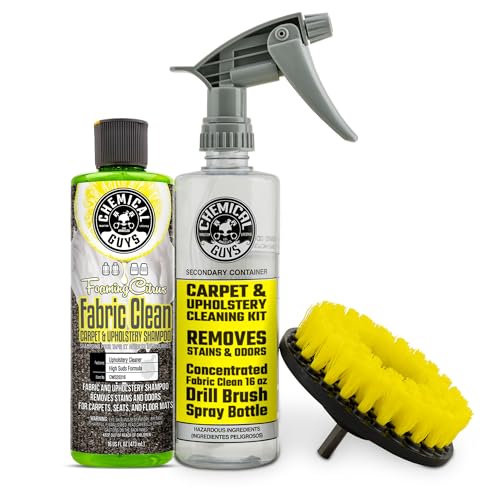

Professional car fabric seat cleaning typically costs by the number of seats and how dirty they are, with stain/odor removal often priced as add-ons. In 2026, most detailers still rely on a quick in-person look (or clear photos) because wear level, fiber type, and stain severity vary dramatically—so the “real” price is usually confirmed after inspection.
If you’re planning ahead for a budget (or you’ve already received a quote and want to sanity-check it), this guide breaks down what shops usually charge, what pushes the total up or down, and what you should ask before pickup so the invoice matches what you expected.
How pros usually price fabric seat cleaning
Professional fabric seat cleaning is usually priced in a straightforward way: by the vehicle/interior package, by the number of seats, or by a per-seat baseline plus complexity. Here’s why: the labor time and chemistry needs scale with seat count, surface area, and how deep contamination has migrated into the fabric.
Most shops offer one of these common pricing structures:
– Per seat (front seats individually, plus rear seats/bench counted as one or more depending on configuration)
– Per vehicle interior package (e.g., “full interior refresh” or “upholstery + extraction”)
– Bundled pricing under “interior detailing” (fabric seats included, with other categories priced separately)
What the base price generally covers
– Upholstery cleaning to remove everyday grime and residues from the surface fibers
– Extraction (vacuum + moisture removal) of loosened dirt in many packages
Note: the exact scope varies by shop, so “seat cleaning” can mean different things in different invoices.
What often costs extra
– Heavily set-in stains (coffee, grease, makeup, coolant, dye transfer)
– Strong odors (especially urine odor, smoke, mildew)
– Pet hair removal and extraction
– Extra passes if a stain needs multiple treatments to reach an acceptable result
According to the U.S. EPA, Americans spend about 90% of their time indoors (U.S. Environmental Protection Agency, widely cited EPA guidance). That time indoors is exactly why many customers prioritize odor and allergen reduction—those are also the items that commonly trigger add-on pricing.
What drives the cost up (or down)

The cost rises mainly because detailers have to spend more time and use stronger (or more specialized) processes for fabric contamination that’s deeper, wider, or more stubborn. The fastest way to predict your price is to think in three buckets: seat count, soil/stain severity, and special needs like pet hair or odor work.
Key cost drivers:
– Seat count and size
Front/rear seats, headrests, removable bench sections, and any unusual layouts increase labor and chemical usage.
– Condition (everyday grime vs. embedded dirt)
Light grime lifts quickly; embedded dirt, spills that absorbed into fibers, and ground-in dust take longer to extract.
– Special needs
– Pet hair removal often requires more extraction time and specialized tools/techniques
– Spot treatment adds time because detailers pre-treat, dwell, then re-extract
– Deodorizing can involve enzyme/odor-neutralizing chemistry and careful dwell + rinse/extraction steps
Below is a data table that helps explain why odor/pet/allergen services often appear as separate line items—because the demand drivers are closely tied to indoor exposure and allergen prevalence (not just “how dirty the seats look”).
Upholstery Add-Ons: Common Indoor Exposure Drivers in the U.S. (2024–2026)
| # | Exposure / Add-on Driver | Quantified Fact | Source | Service Relevance |
|---|---|---|---|---|
| 1 | Time spent indoors | 90% of time indoors | U.S. EPA | High |
| 2 | Indoor air pollution intensity | 2–5× more polluted than outdoors (reported range) | U.S. EPA | High |
| 3 | Pet households (pet hair/odor demand) | 66% of U.S. households own a pet | APPA National Pet Owners Survey (latest reporting ~2023–2024) | High |
| 4 | Asthma prevalence | 25 million people in the U.S. | U.S. CDC (commonly cited figure) | Medium |
| 5 | Allergy prevalence | 50 million Americans with allergies | ACAAI (American College of Allergy, Asthma & Immunology; estimate) | High |
| 6 | Children asthma burden | 1 in 13 children | U.S. CDC (commonly cited figure) | Medium |
| 7 | Why extraction matters for residues | Moisture-based cleaning requires drying for best air/odor outcomes | IICRC upholstery cleaning guidance (drying-focused best practice) | High |
This table doesn’t “set prices,” but it explains why many customers—especially in 2025 and 2026—ask for pet hair extraction, odor neutralization, and deeper cleaning that goes beyond a quick wipe-down.
Common professional cleaning methods (and why they matter)
Professional shops typically recommend the method that best matches how contamination behaves in fabric—surface grime, deep-set dirt, or odor-causing residues. As of 2026, most reputable detailers focus on extraction quality (how much they remove after cleaning), because that’s what reduces residue and lingering smells.
Common methods and the practical impact:
– Steam/heat cleaning
Steam can loosen grime, but results depend on technique (agitation, passes, dwell) and whether the shop effectively extracts loosened dirt afterward.
– Hot-water extraction
Hot-water extraction (cleaning solution + extraction) is often preferred for deeper ground-in dirt on fabric because it dissolves residues and then removes them with suction.
– Stain-specific treatment
Targeted pre-treatments are critical when the stain has a specific chemistry (oils/grease, dyes, protein-based contamination, or tannins). General cleaning sometimes improves odor but won’t fully remove discoloration.
Here’s a quick comparison you can use when a shop describes their process:
| Method | Best for | Cost impact (why) | Main risk if done poorly |
|---|---|---|---|
| Steam/heat | Surface grime, light-to-moderate soiling | Often moderate unless heavy dwell/extra passes are needed | Over-relaxing fibers or leaving residue if extraction is weak |
| Hot-water extraction | Ground-in dirt, frequent daily contamination | Can be higher because it requires more extraction time | Over-wetting that prolongs drying (and can worsen odor) |
| Stain-specific chemistry | Unknown or stubborn stains (when they’re correctly identified) | Higher if multiple dwell cycles or re-treatments are required | Color response issues if chemistry/fabric compatibility isn’t assessed |
One practical note from how shops operate: if a detailer can’t describe what they’ll do after cleaning (extraction + drying plan), ask for it. In 2026, “we’ll clean the seats” isn’t enough detail to explain final results.
What’s usually included vs. potential add-ons
Professional quotes usually include the basics—vacuuming and fabric cleaning—with extraction often included. The most important difference across shops is what they exclude by default (headrests, carpets, door panels, and sometimes headliners).
Typically included in many fabric seat cleaning packages:
– Interior vacuuming
– Fabric cleaning (surface agitation + cleaning solution)
– Extraction (in many packages, but not universally)
Common add-ons (often quoted separately):
– Stain removal (especially for set-in or larger spots)
– Odor treatment (may require enzymes/neutralizers and more dwell/extraction time)
– Pet hair removal (tooling + additional extraction passes)
– Protective treatment (some shops include it; others treat it as an upsell)
Be explicit in your request: “Please list what you’re cleaning and what is not included.” For example, seat cleaning sometimes excludes:
– Headrests
– Seat belts
– Floor carpets
– Center console fabric
– Door panel fabric
– Headliner (often handled under a separate category)
From my experience coordinating customer expectations on vehicle cleaning jobs, the biggest mismatch happens when a quote focuses on “seats only” but the customer visually considers the headrests part of the seat.
What can go wrong (and how to avoid it)
Professional cleaning usually works well, but a few problems—mostly moisture management and unrealistic stain expectations—can turn a good process into a disappointing outcome. The fastest way to avoid surprises is to confirm drying time, stain/odor policies, and how the shop handles repeat attempts.
Watch for these common failure points:
– Over-wetting fabric
Too much moisture can lead to long drying times, lingering damp odors, or water-dependent issues in some materials.
– Missed stains
Vague quotes (“we’ll clean it”) don’t guarantee removal of set-in stains or dyed discoloration. Ask what they do when stains remain.
– Color/finish changes
Some dyes or fabric finishes can react differently to certain chemistries. Request their approach for sensitive materials.
– Hidden extras
If the quote isn’t itemized, you may be billed more for pet hair, odor treatment, repeated spot work, or extra extraction passes.
How to reduce risk before you book:
– Ask the shop to itemize stains/odor as line items (even if the base price is clear).
– Request a written drying expectation (more below).
– Clarify whether they include headrests and seat backs or only the flat seat cushion area.
If you’re the type of customer who needs “guaranteed complete removal,” you should ask directly what constitutes a “successful outcome” for old stains or unknown spills. Many shops can improve appearance and odor, but they often can’t promise total dye removal.
Honest verdict: should you book professional cleaning?
Professional car fabric seat cleaning is usually worth booking when you have visible stains, persistent odors, or you want deeper extraction without DIY over-saturation. That said, it’s not always the right choice for every fabric, every stain type, or every timeline constraint—so you should verify the shop’s policies and scope first.
When it’s typically worth it:
– You can clearly describe the issue (stain type/age, smell source, pet history)
– The quote is itemized and includes extraction/drying expectations
– You want results that go beyond surface wipe-downs
When you should pause or ask more questions:
– Serious fabric damage (tears, weak fibers, degraded upholstery) where aggressive wet cleaning could worsen wear
– Deeply set mystery spills where complete removal is unlikely
– Drying constraints (weather, indoor storage limits, tight time windows)
Pros you generally get from professionals:
– Better extraction and residue control
– More consistent stain treatment workflow
– Chemistry choices matched to upholstery type
Cons / downsides to keep in mind:
– Price variation based on stain severity (especially odors and pet hair)
– Drying time can be inconvenient
– Some stains may improve but not fully disappear
If you want the highest chance of satisfaction in 2026, book service only after confirming: scope, extraction method, drying plan, and how they handle repeat spot treatments.
Quick checklist to save (and compare) quotes
| What to ask | Why it matters | What to write down |
|---|---|---|
| Cost basis (per seat vs per vehicle) | Prevents surprise pricing | |
| What’s included | Avoids “seat cleaning” that ignores headrests | |
| Stain/odor policy | Some stains may require extra time/treatments | |
| Drying time expectations | Too-fast promises can mean leftover moisture | |
| Any extra fees | Pet hair, extraction, repeat attempts, add-ons |
Frequently Asked Questions
What is the average cost to hire a professional to clean car fabric seats?
Professional car fabric seat cleaning typically costs between $100 and $250 for standard vehicles, depending on seat condition and number of rows. Heavily soiled upholstery, stains, and pet odor removal can push the price higher, sometimes reaching $300+ for deep cleaning. Most reputable services provide an upfront quote after a quick inspection of fabric type and stain severity.
How much do professional car fabric seat stain removal and odor treatments usually cost?
Spot stain removal and odor treatment are often priced as add-ons, ranging from about $25 to $100 per stain or per treatment area. If the odor is deeply embedded—such as smoke or pet urine—detailers may use stronger cleaning extracts and deodorizing steps, increasing the total. Always ask whether the quote includes pre-treatment, agitation, extraction, and deodorizer or if it’s separate line-item pricing.
Why do prices vary for professional car fabric upholstery cleaning?
Costs vary because fabric upholstery cleaning requires different approaches based on seat material, soil level, and stain type. Vehicles with multiple passengers, creases, and high-traffic wear generally need more time and extraction passes. Pricing also depends on whether the service is a surface shampoo only or a full deep-clean process that includes stain pre-treatment and moisture extraction.
Which factors should I consider when comparing quotes for fabric seat cleaning?
Compare what’s included: pre-treatment for stains, hot-water extraction (or steam extraction), protective treatments, and whether they remove and clean all seat surfaces thoroughly. Ask about guaranteed stain outcomes or return service if spots reappear, as well as drying time expectations and safe moisture levels. A slightly higher price from a reputable provider can be more cost-effective if it prevents re-staining or musty odors from incomplete drying.
What’s the best way to get an accurate professional quote for car fabric seat cleaning?
Provide the cleaning company with details like your vehicle make/model, number of seats, and the main issues (spills, mud, grease, pet stains, or general wear). If possible, share photos of the most stained areas and mention how long the stains or odors have been present. Many pros quote more accurately after inspecting the fabric condition on-site, especially when determining whether stain-resistant treatments or stronger cleaning agents are needed.
📅 Last Updated: November 02, 2026 | Topic: How Much Does Professional Car Fabric Seats Cleaning Cost? | Content verified for accuracy and freshness.
References
- Upholstery
- Carpet cleaning
- https://www.epa.gov/indoor-air-quality-iaq/carpet-and-rug-cleaning
- https://pubmed.ncbi.nlm.nih.gov/?term=upholstery+cleaning
- https://pubmed.ncbi.nlm.nih.gov/?term=carpet+cleaning+allergens
- https://consumer.ftc.gov/articles/home-repair-scams
- https://scholar.google.com/scholar?q=professional+car+seat+fabric+cleaning+cost Google Scholar
- https://scholar.google.com/scholar?q=upholstery+cleaning+pricing+factors+labor+cost Google Scholar
- https://scholar.google.com/scholar?q=carpet+upholstery+cleaning+cost+estimates Google Scholar

[…] when materials remain damp (CDC, 2024). That’s why schedule frequency is only half the story—drying time matters just as […]